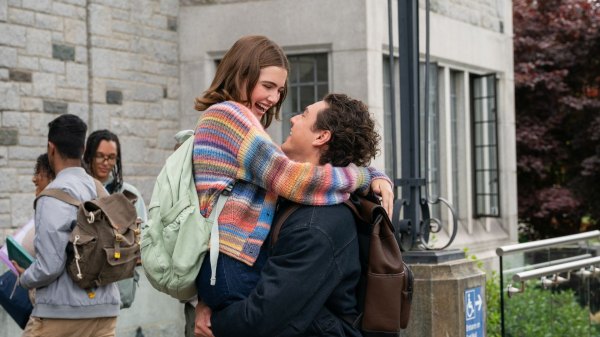
From Movie Star to Animal Rights Activist: The Real Reason Brigitte Bardot Left the Film Industry Over 50 Years Ago
The French actress, who just died at 91, grew wary of the spotlight—but she also courted controversy in her later years

When Brigitte Bardot died on December 28 at age 91, film and fashion fans around the world went into mourning for the French star who defined ’60s cool. The actress and singer was instantly recognizable for her tousled blonde bouffant, cat-eye makeup, sultry pout and chic outfits, and remains a source of style inspiration to this day.
Bardot’s sex symbol status often overshadowed her film roles, contributing to her decision to leave the film industry for good in 1973, but her performances in French arthouse favorites like And God Created Woman (1956), The Truth (1960) and Contempt (1963) showed that she was a powerfully compelling performer. Read on to learn about the late actress’ surprisingly mixed feelings about her movie stardom and what she did in the 50-plus years following her final role.

From screen siren to animal rights activist: ‘I find my peace in nature’
Brigitte Bardot began acting in French films in the ’50s and found crossover success in the U.S. with And God Created Woman in 1956. The film, directed by her then-husband, Roger Vadim, made a splash for its provocative nature and led her to star in a number of sexually-charged movies in the years that followed. While these films, with titles like Love Is My Profession (1958), The Female (1958), Love on a Pillow (1962), A Very Private Affair (1962) and Agent 38-24-36 (1964) are largely forgotten today, Bardot also starred in films from acclaimed French directors like René Clair, Louis Malle and Jean-Luc Godard.

In 1973, at just 39, Bardot announced her retirement from the film industry. Her final films, both released that year, were Don Juan, or If Don Juan Were a Woman and The Edifying and Joyous Story of Colinot. At the time, the actress expressed her desire to live a simple life away from the superficiality of the film industry, telling the French news publication L’Express, “I find my peace in nature, among animals. I love the simple people of the soil. They are shrewd and amusing. Above all, they are not hypocrites. At first people will say, ‘Look, there is B. B. who has come here to live!’ But after a while they will say, ‘Here comes Brigitte of the farm to do her shopping.'”
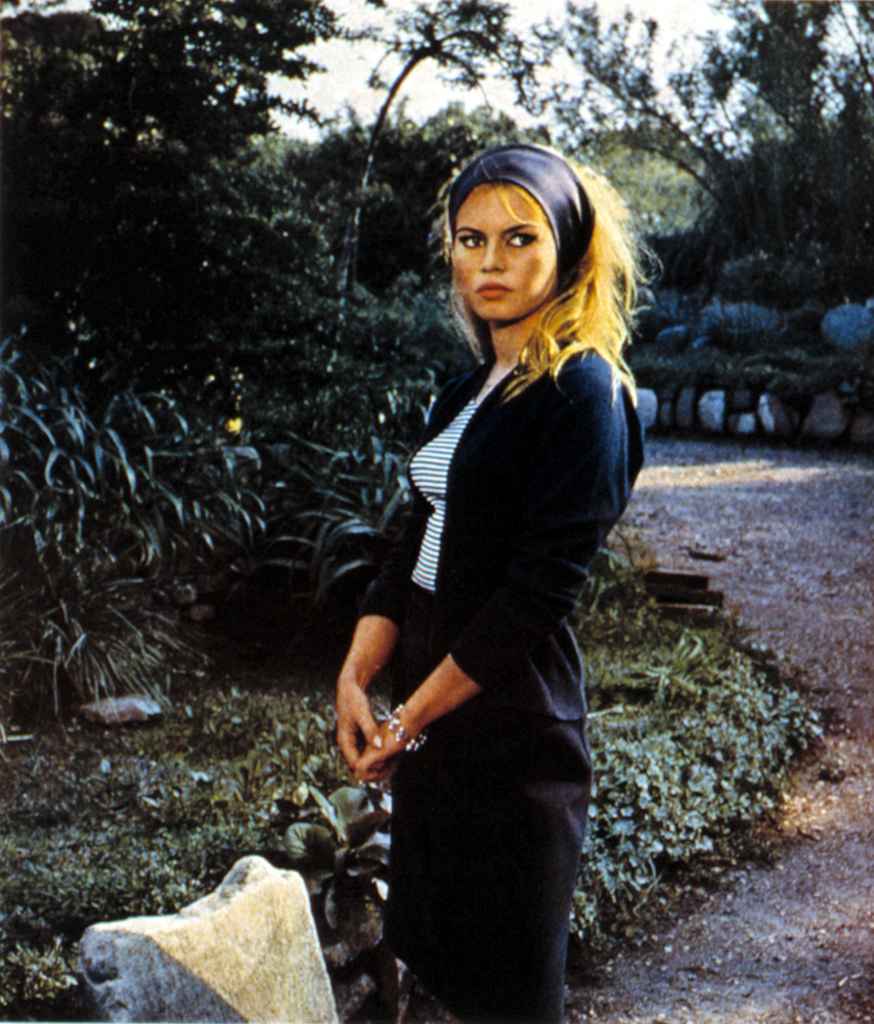
In her interview with L’Express, Bardot was blunt about her unconventional decision to retire, saying, “I detest humanity. I have become allergic to it. I see no one. I do not go out. I have created a world of my own, like it was in my childhood.” She also called her choice to actively retire rather than let her career fizzle out as she aged, “a way to get out elegantly.”
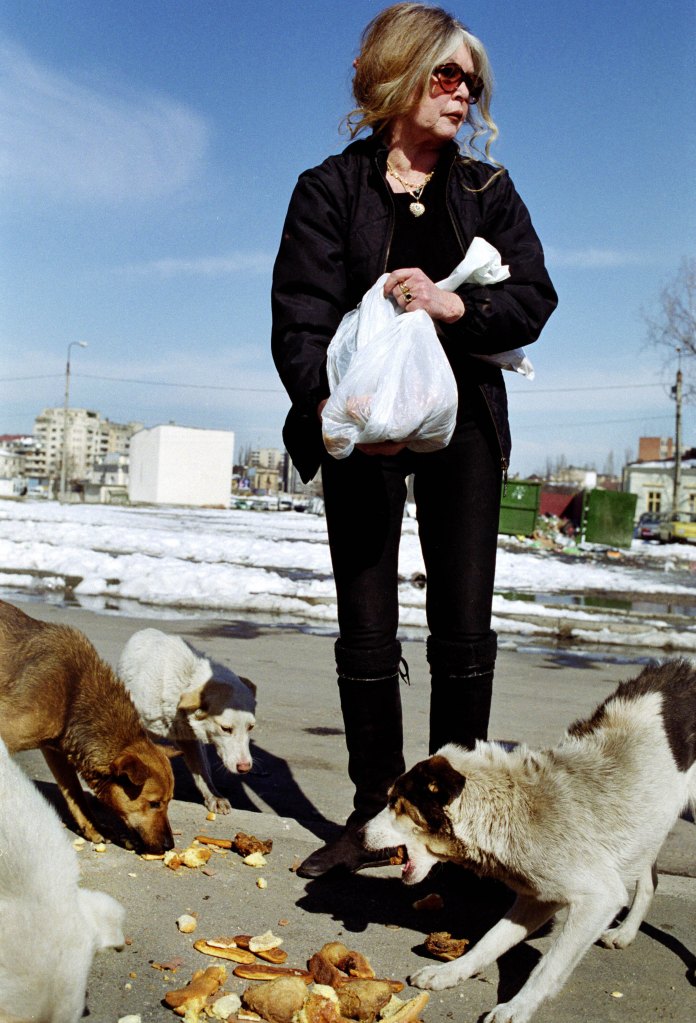
Bardot stayed true to her word, and in the 52 years between her last roles and her death, she never returned to acting. During that half-century stretch, she became a staunch animal rights activist, and in 1986, she started the Brigitte Bardot Foundation, an organization dedicated to animal welfare. Bardot was serious about shedding her glamorous image in favor of charitable endeavors. In 1987, she even auctioned off most of her personal belongings to support her charity. As she put it at the time, “I gave my beauty and my youth to men, and now I am giving my wisdom and experience, the best of me, to animals.”
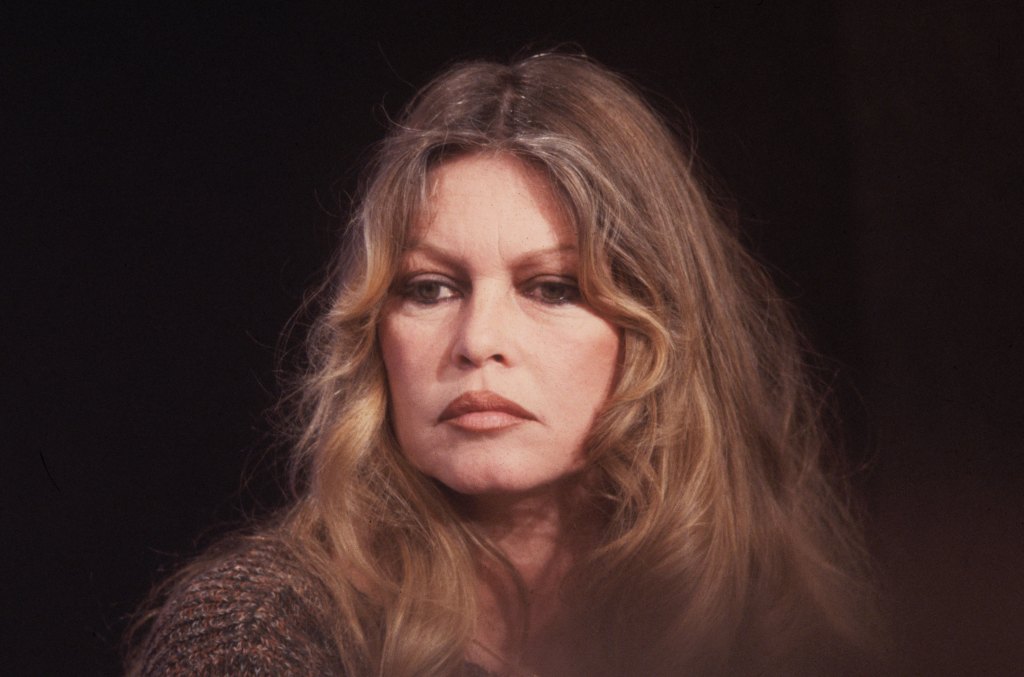
Brigitte Bardot’s controversial post-retirement life
After retiring, Bardot married her fourth and final husband, Bernard d’Ormale, in 1992. Bardot’s husband was a former adviser to the right-wing French politician Jean-Marie Le Pen, and later in life, Bardot regularly made the news for her extremist political views.

Bardot wrote several books following her retirement, and in their pages, she made offensive comments about gay people and Muslim immigrants. Bardot’s controversial remarks led to her being convicted of inciting racial hatred in her home country on six separate occasions throughout the ’00s, and this discrimination, unfortunately, became one of the things she was most known for post-retirement.
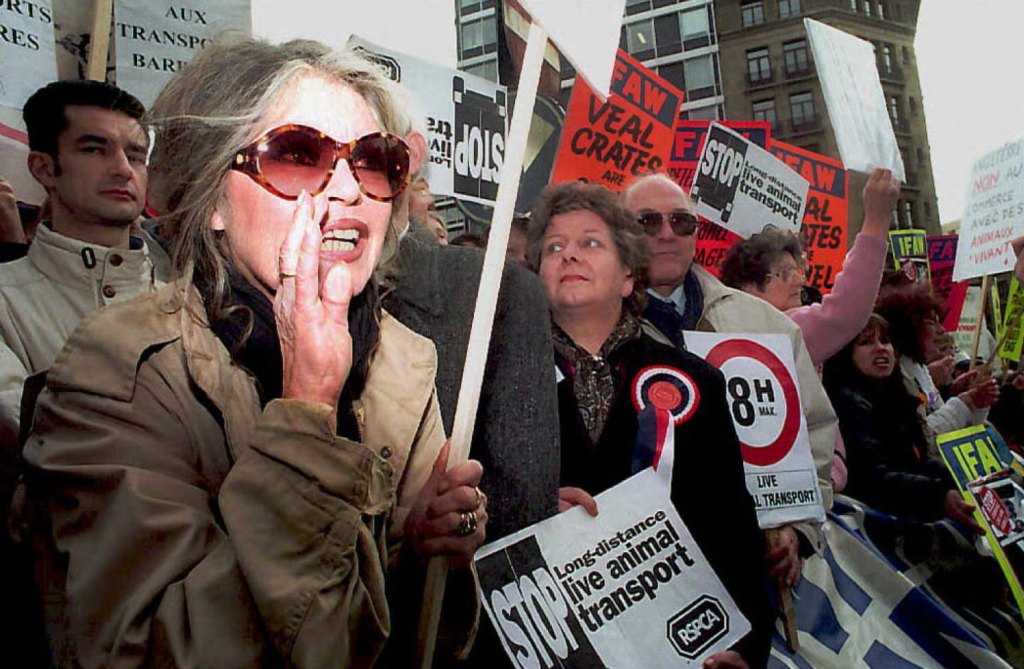
As time went on and Bardot drew increasingly negative attention to herself, she refused to look back on her movie star years with any nostalgia. In a 1994 interview with The New York Times, when asked if she would ever return to cinema, she said, “It’s over. It’s another world. I have no more friends from those days. I have no time for that. I only live in the world of animal protection. I speak only of that. I think only of that. I am obsessed.”
By establishing her foundation and never acting again, Bardot remained devoted to her cause and told The New York Times, “I always loved animals. But when I was making films, I discovered there was a difference between loving animals and fighting for them—and I didn’t have time to fight for them. So that’s why I gave up cinema. I stopped making films to look after animals.” The former actress said that many people originally saw her switch from movie star to activist as a publicity stunt, but claimed she didn’t need any more publicity. It’s ironic, then, that she later appeared to court publicity with her hateful rhetoric.
When asked how she wanted to be remembered, as quoted in the New York Times interview, Brigitte Bardot said, “No longer an image, a physique, a sex symbol, but a spokeswoman for animals,” but the late star’s legacy is decidedly complicated and filled with contradictions.
Conversation
All comments are subject to our Community Guidelines. Woman's World does not endorse the opinions and views shared by our readers in our comment sections. Our comments section is a place where readers can engage in healthy, productive, lively, and respectful discussions. Offensive language, hate speech, personal attacks, and/or defamatory statements are not permitted. Advertising or spam is also prohibited.