Inside A Young Dick Van Dyke’s Early TV Years and the Wish That Drove Him: ‘I’d Like to Be a Daytime Star’
How he fought for every on-air break long before he became a television legend

In the days before Dick Van Dyke became a fixture of American pop culture— and before Bye Bye Birdie, The Dick Van Dyke Show or even Bert the chimney sweep of Mary Poppins—he was simply a lanky, 6’1” kid from Danville, Illinois trying to figure out where, exactly, he belonged. Dick Van Dyke’s early TV 1950s were the decade when he worked it out, not through a single big break but instead through a zigzag of jobs, experiments, false starts and lucky turns that carried him from nightclubs to Atlanta, New Orleans and, finally, CBS in New York.
This wasn’t a smooth ascent. It was chaotic and often discouraging, but it was also the period that taught Van Dyke how to talk to a camera, stay loose during live television, improvise his way out of disaster and how to understand the audience he’d one day charm effortlessly. If the 1960s showed the world what Dick Van Dyke already was, the 1950s formed him.
Danville to nightclubs
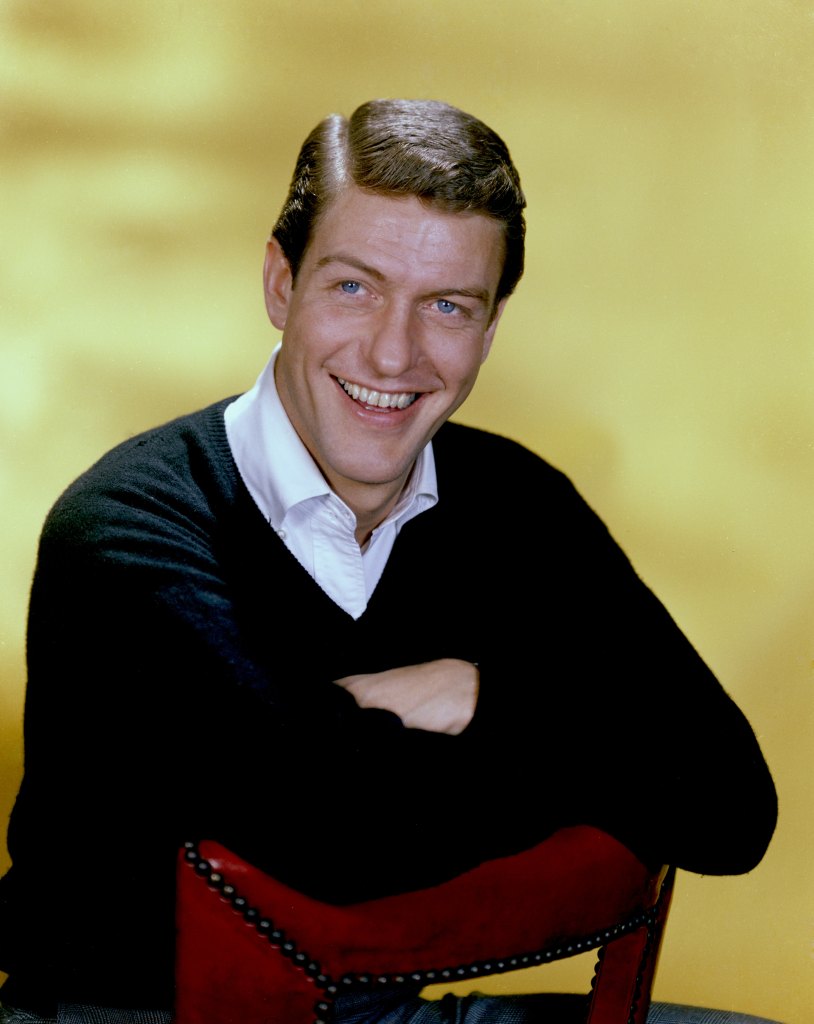
Born December 13, 1925, in Danville, Illinois, Van Dyke imagined a career in broadcasting long before he imagined one in acting. He tried college at the University of Illinois but lasted only a year before enlisting in the Air Force during World War II. After two years of flight training, and the war ending before he ever saw deployment, he returned home with no clear plan. “I’m still in Illinois when the war ends,” he said, “and Uncle Sam hands me an honorable discharge and I’m right back where I started.”
He tried advertising next, but it didn’t stick. “I went to work for an agency in Danville,” he later recalled. “Worked at it for more than a year, was not content and quit.”
What came next was the pivot point: he decided to become a performer. “Armed with only a brief stint as a radio announcer during high school and with insight enough to see the comedy of my own misadventures, I struck out as a comedian, like Columbus in search of a new world,” he told The Daily Herald in 1958.
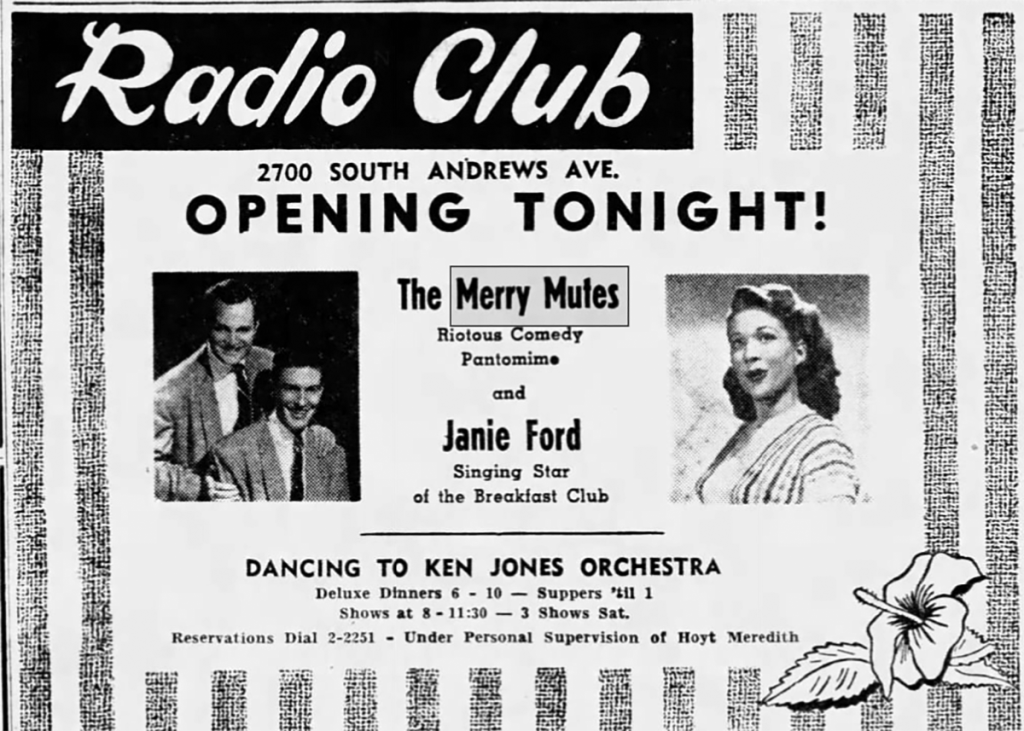
That new world turned out to be the nightclub circuit. With partner Phil Erickson, he formed a pantomime act called The Merry Mutes in 1947. They mimed to records, performed in small clubs around Los Angeles and eventually graduated to larger rooms across the country, including Vegas and Miami Beach. They were scrappy, inventive and… broke. “We were each having so many children we had to break up the act,” Van Dyke joked later.
Television found Van Dyke next. In 1952 (sometimes reported as 1953), he moved to Atlanta, where WLW-A gave him a two-hour daily afternoon talk/variety show. It was the kind of live local television where scripts were minimal, the priority was filling time and personality mattered more than polish. For two years he hosted, emceed and made it up as he went along. He noted to the Evening Eagle, “I did three hours a day of TV without a script, so I know what I can do best. Just talk.”
This was the beginning of an insight that would guide him for decades: daytime television was where he thrived. The pace was looser, the audience more forgiving and the expectations less rigid than nighttime entertainment. “If you bomb three times out of five on a daytime show, nobody really cares,” he said. “The audience is more interested in you than what you do.” It was a lesson he’d fight to preserve for most of the 1950s.
Learning to survive live TV
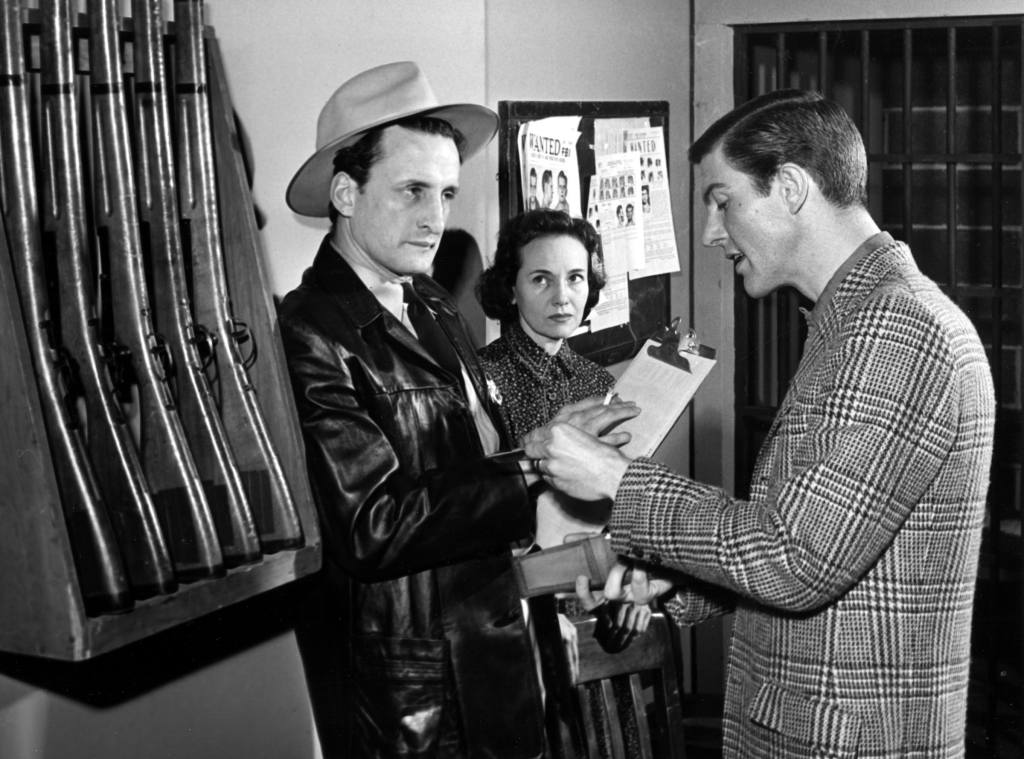
From Atlanta, he moved to WDSU-TV in New Orleans, an NBC affiliate, where he served as an emcee, comedian and all-purpose on-air personality. Local TV in 1953–54, to be sure, was a circus of unpredictable technical glitches, missing props and improvised fixes, which was exactly the kind of environment where Van Dyke’s ease with chaos became an advantage.
He hosted shows, introduced acts, performed comedy bits and delivered live commercials. It was here, working amid unpredictable conditions, that he learned to keep going no matter what. His instincts for warmth, looseness, and spontaneity were forged in these years, giving him confidence that he could hold an audience even when the cameras or scenery didn’t cooperate. This mattered when, thanks to a connection from his Air Force days—producer-director Byron Paul—things were about to change.
CBS comes calling
Van Dyke always remembered the moment his career shifted. “Two months ago,” he shared with the Cleveland Plain Dealer in 1955, “I was working an afternoon kiddie show in New Orleans and figurin’ I was doing all right. Five weeks ago, I made a pilot film and Monday I take over as host of the network Morning Show.”
CBS executives had been impressed with a film clip screened at a network conference. Herbert V. Akerberg, a CBS vice president, told affiliates that Van Dyke “showed promise of being one of the biggest television discoveries of this or any season.” Suddenly, the kid from Danville was being positioned as a national personality.
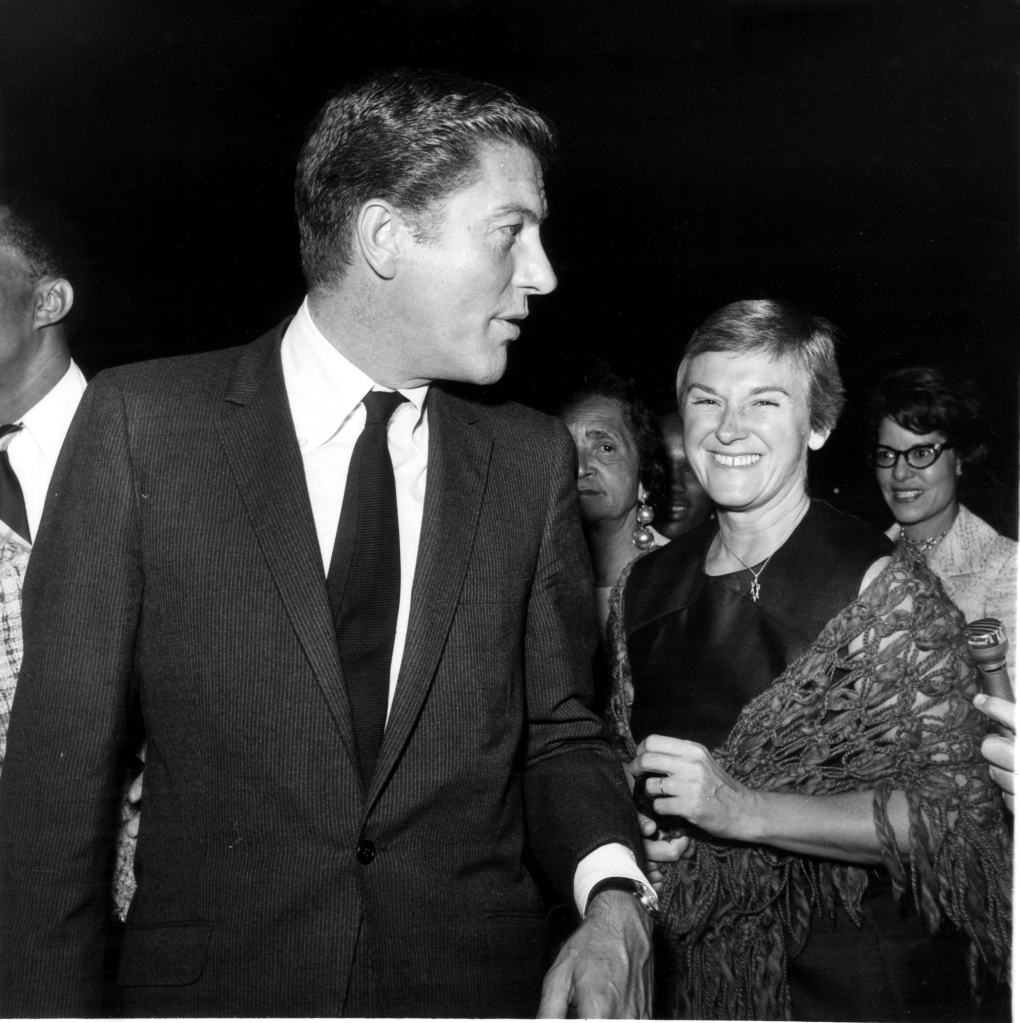
July 18, 1955, marked the debut of The Morning Show Presents Dick Van Dyke. It placed him alongside an eclectic mix of personalities, including Charles Collingwood, Jimmy Nelson and future Jeopardy! creator Merv Griffin, with Van Dyke anchoring a daily children’s story segment he wrote himself—a feature CBS saw as a breakout opportunity. “I came up to CBS as a comic and wound up telling children’s stories,” he said. “Children’s stories are hardly new to television, but mine have an excitingly different touch.”
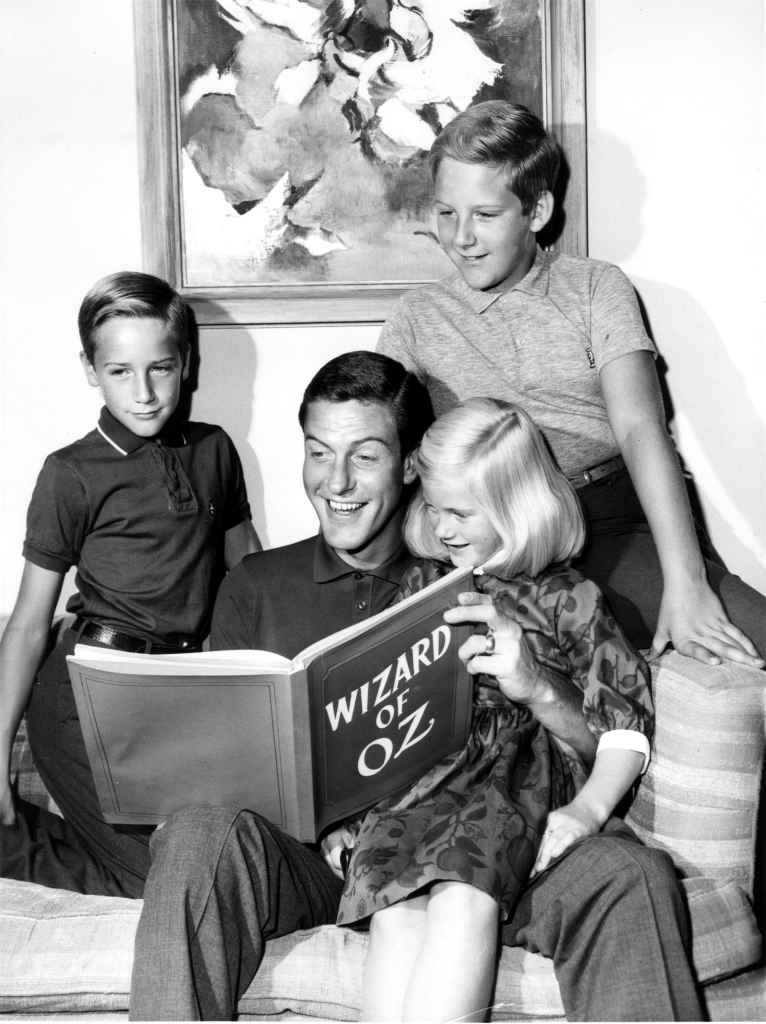
He modernized Hans Christian Andersen and Grimm tales, acting them out with what one reporter called “low-pressure comedy.” His kids—Christian, Barry and Stacy—inspired many of the stories. “Their initials spell CBS in order of age,” he said proudly, perhaps foretelling where he would end up.
But despite the charm, the show faced the impossible task of challenging Dave Garroway and NBC’s Today. The structure wasn’t loose enough for Van Dyke, and the format never quite settled. CBS retooled, ratings lagged and the job, while prestigious, wasn’t the right fit. Yet the experience was invaluable.
Talking to Heckle and Jeckle
If The Morning Show seemed like an odd fit, CBS Cartoon Theatre was downright surreal. In 1956, CBS cast Van Dyke as the sole live performer in a half-hour children’s program built around Paul Terry’s Terrytoons shorts, featuring characters like Heckle and Jeckle, Dinky Duck, Sourpuss, Gandy Goose, and Little Roquefort. As the Toronto Star put it in 1956, “CBS keeps giving Van Dyke the tough assignments.” He was “the only human actor” in the series, essentially tasked with selling the illusion through charm alone.
The show wasn’t a smash, nor was it expected to be, but it further strengthened Van Dyke’s connection with young audiences—a thread that would later continue straight through movies like Mary Poppins and Chitty Chitty Bang Bang.
This period—1956 to roughly 1958—was both productive and frustrating. Van Dyke was a CBS contract player for three years, but the network didn’t always know what to do with him. “When The Morning Show folded,” he noted in 1958, “all I did was sit around and collect money on my CBS contract. Played a lot of golf and I have three kids, which takes up a lot of time.”
Preparation for stardom
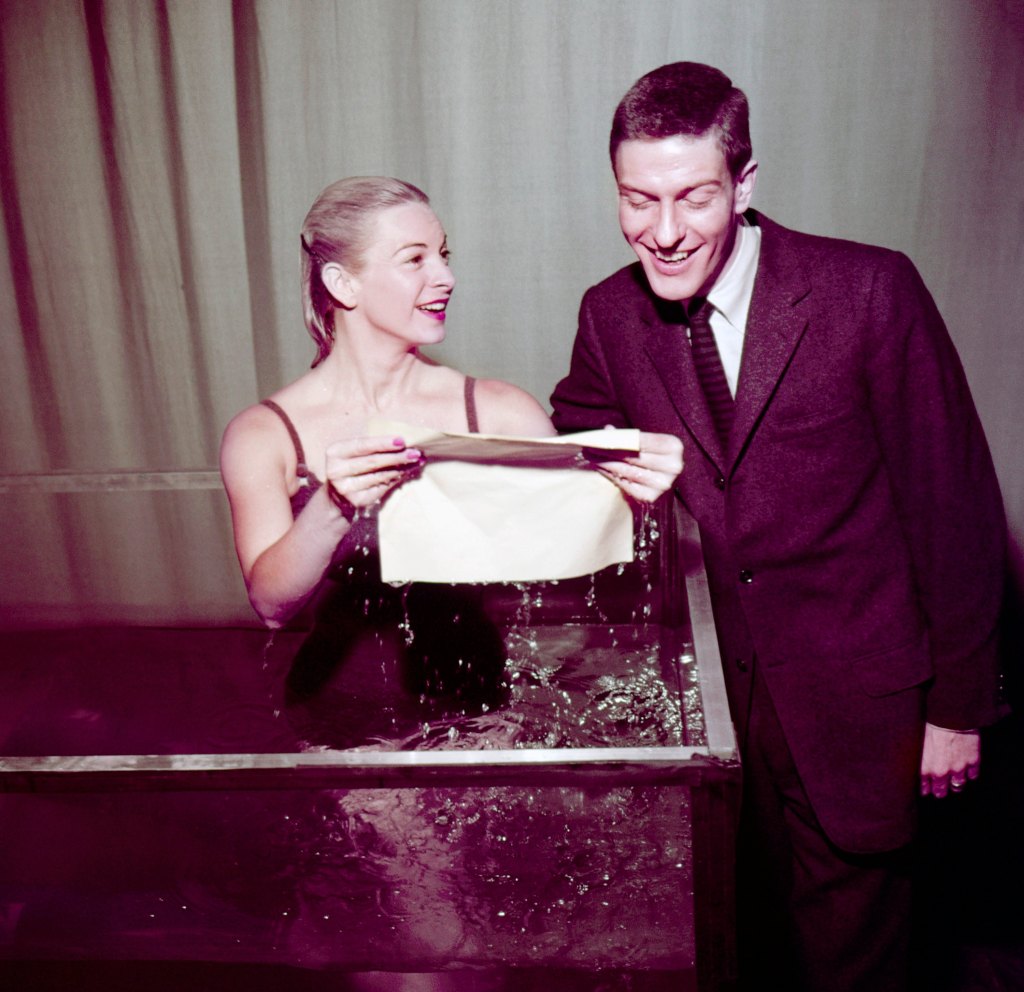
Ironically, he didn’t want nighttime stardom, preferring daytime. “My mother didn’t raise me to be a contract player,” he said. “I just want to work. I’d like to be a daytime star.” But the network didn’t share his vision. CBS believed he should be doing nighttime comedy. except, as he pointed out, “when I said okay, they told me it was a bad time for comedy.” Eventually, he requested his release and struck out on his own again.
During these years he guest-hosted The Garry Moore show for six weeks, appeared on The Perry Como Show, was a panelist on To Tell the Truth, made TV appearances with Frankie Laine and Andy Williams, had a chance to make his dramatic debut on the United States Steel Hour and hosted 1958’s Laugh Line, a series built around his loose, conversational humor. Critics responded positively to his clean style, one calling him “an Ivy League Jerry Lewis.” It was a review that Van Dyke admitted “terrified” him, even though he found it clever.
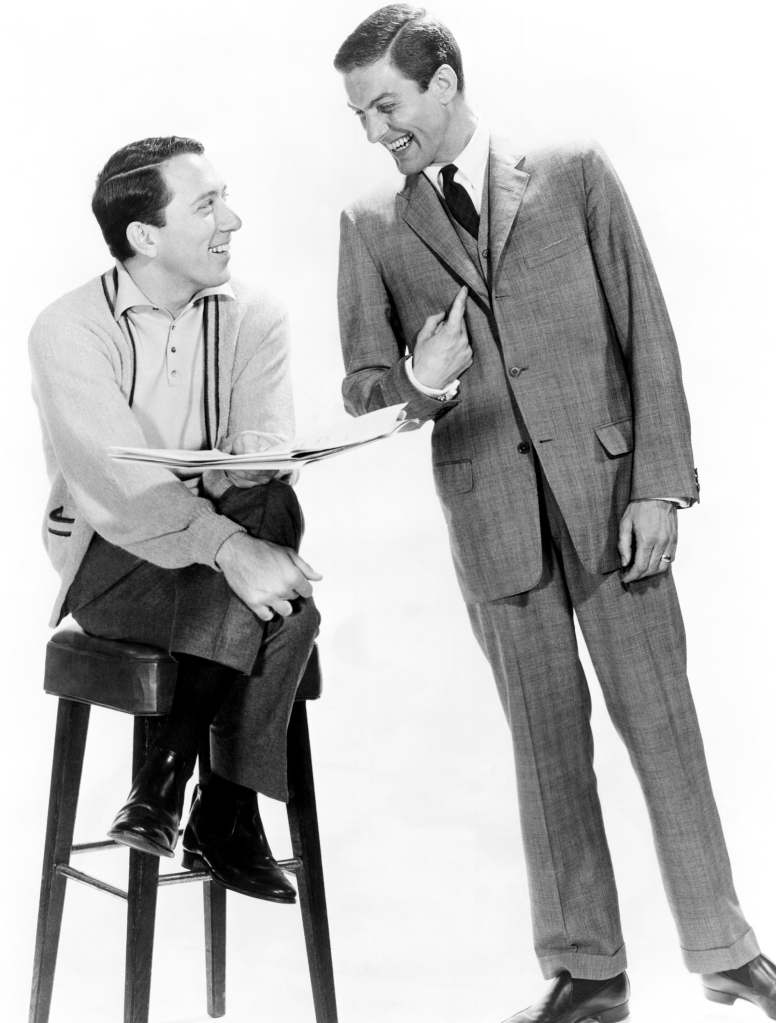
In an Evening Eagle interview, he explained why nighttime didn’t suit him: “I am not a blockbuster comic and appearing on nighttime television is stretching what I do somewhat. I go for laughs that may not be overwhelming and are very pleasant to hear, but at night you’ve got to be a killer.”

Dick Van Dyke’s television years of the 1950s weren’t glamorous, but were, instead, restless, experimental, frequently frustrating and absolutely essential. Think about it: nightclubs gave him timing, Atlanta gave him endurance, New Orleans gave him adaptability, CBS gave him visibility and discipline and Cartoon Theatre gave him childlike joy and the contract years gave him resilience.
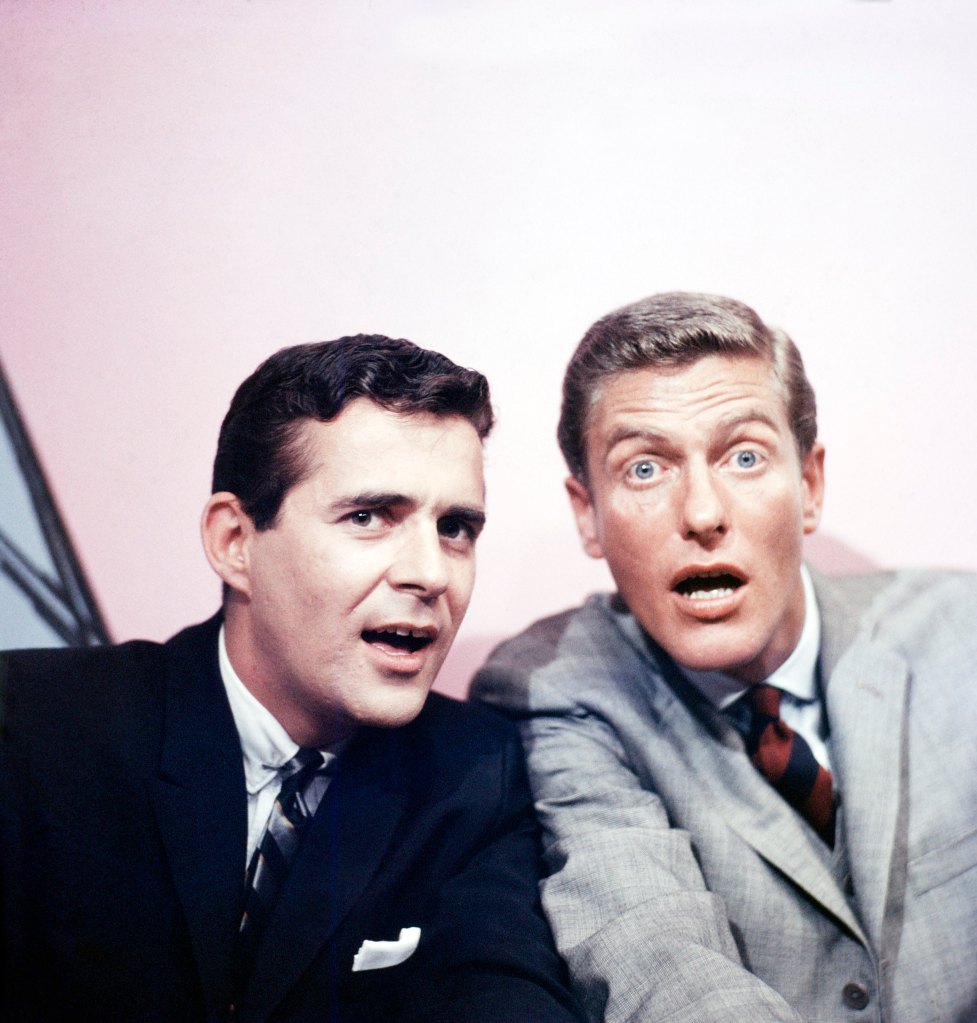
By the time he landed the Broadway role of Albert Peterson in Bye Bye Birdie (1960), the pieces were already in place. His entire decade of television apprenticeship allowed him to walk on the New York stage ready, confident, and undeniable. Everything he would one day bring to The Dick Van Dyke Show was shaped here, in the overlooked, unpredictable television landscape of the 1950s.
Conversation
All comments are subject to our Community Guidelines. Woman's World does not endorse the opinions and views shared by our readers in our comment sections. Our comments section is a place where readers can engage in healthy, productive, lively, and respectful discussions. Offensive language, hate speech, personal attacks, and/or defamatory statements are not permitted. Advertising or spam is also prohibited.