Barnabas Collins’ ‘Seismic’ Shift: Why the ‘Dark Shadows’ TV Show Still Rules Our Gothic Hearts 60 Years Later
How Jonathan Frid's unexpected character transformed vampire stories forever

Key Takeaways
- Barnabas Collins gave vampires a conscience—and changed horror forever.
- Without "Dark Shadows," there may be no "Twilight," "Buffy" or Lestat.
- An intended 90-day villain became the blueprint for modern vampire storytelling.
For millions of viewers in the late 1960s, the Dark Shadows TV show wasn’t just another daytime soap—it was an obsession. Kids rushed home from school to catch it, adults adjusted their schedules around it, and suddenly, in the middle of the afternoon, television was offering something it had never quite dared before: a gothic world of shadows, secrets and the supernatural. At first glance, it didn’t seem destined to change anything.
Debuting in 1966 and celebrating its 60th anniversary alongside The Monkees, Batman and Star Trek, Dark Shadows began as a traditional, moody soap opera set in the haunted seaside town of Collinsport, Maine. There were hints of the supernatural early on—a ghost here, a mysterious presence there—but nothing that suggested it would redefine an entire genre.
That changed in April 1967 and the arrival of Barnabas Collins as played by Jonathan Frid. Dark Shadows didn’t just gain a breakout character, it triggered what author and horror historian Mark Dawidziak describes as a fundamental shift in horror storytelling. “The word that best describes the change is seismic,” Dawidziak says. “Not only the impact that the character had on the show, but the impact that the character had on pop culture and also all of horror storytelling going forward.”
It’s a bold claim—but one he backs up by pointing to something undeniable: before Barnabas Collins, vampires didn’t question what they were. After Barnabas, they couldn’t stop.
The accidental vampire
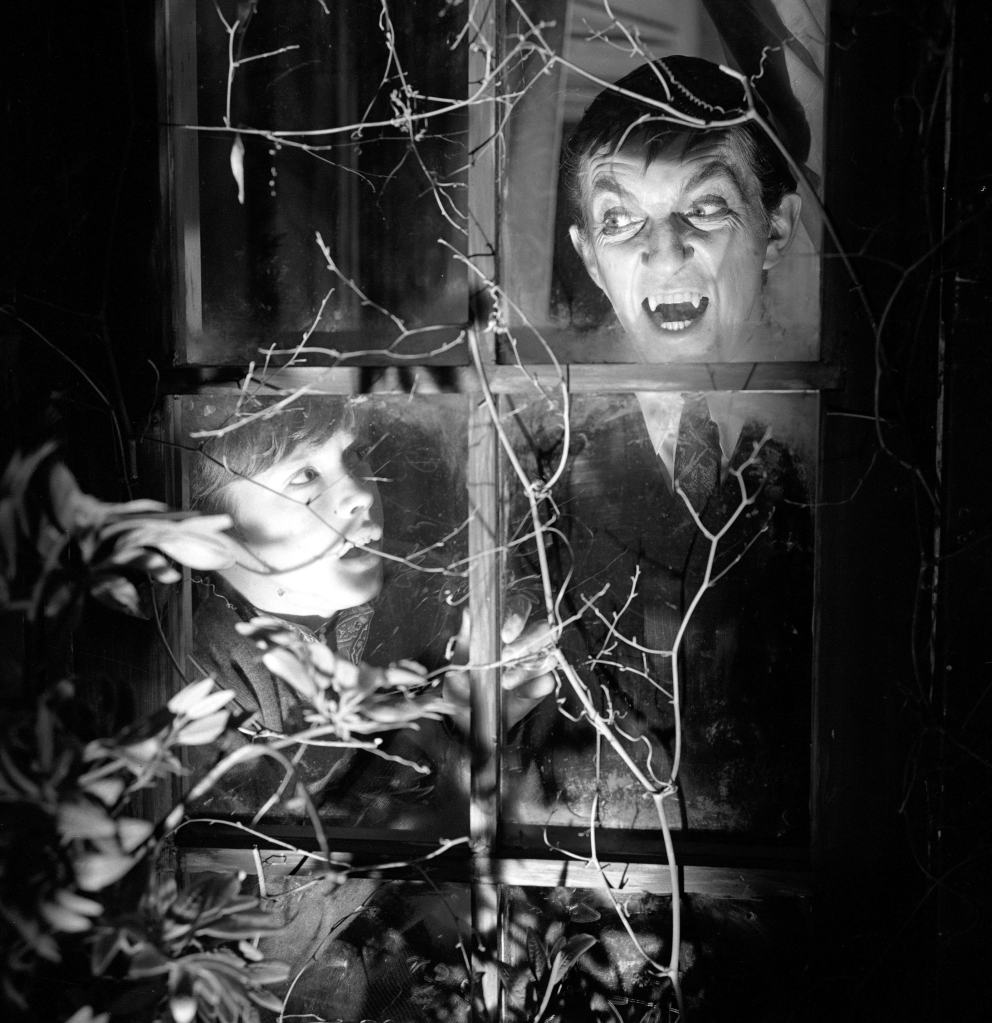
Part of what makes Barnabas Collins so important is that he was never meant to be important at all. When Frid was cast, the role came with a built-in expiration date in the sense that the vampire would arrive, menace the Collins family and then be destroyed. “He had a 90-day contract,” explains Dawidziak. “He knew how long he was going to be on the show, and he knew how it was going to end—because it was all going to end with a big piece of lumber sticking out of his chest. They were going to kill him off.”
In other words, Barnabas was designed to be just another monster in what was hoped to be a long line stretching back to Dracula—a predator who existed to be defeated. But Frid approached the role differently. “Because Jonathan actually did the work of trying to find relatable ways to play the part—and did what an actor is supposed to do—the viewers picked up on it before the writers did,” states Dawidziak. “They started to find something in this character that was very human in the monster.”
What followed was something no one behind the scenes had anticipated: the audience didn’t want Barnabas Collins killed. “They started getting fan letters—and more fan letters—and suddenly he’s the most popular character on the show,” he continues. “And you can’t kill off the most popular character on the show. They weren’t intending to make him a reluctant vampire. They weren’t intending to give him a conscience. But once that happened, everything changed.”
Vampires before and after Barnabas Collins
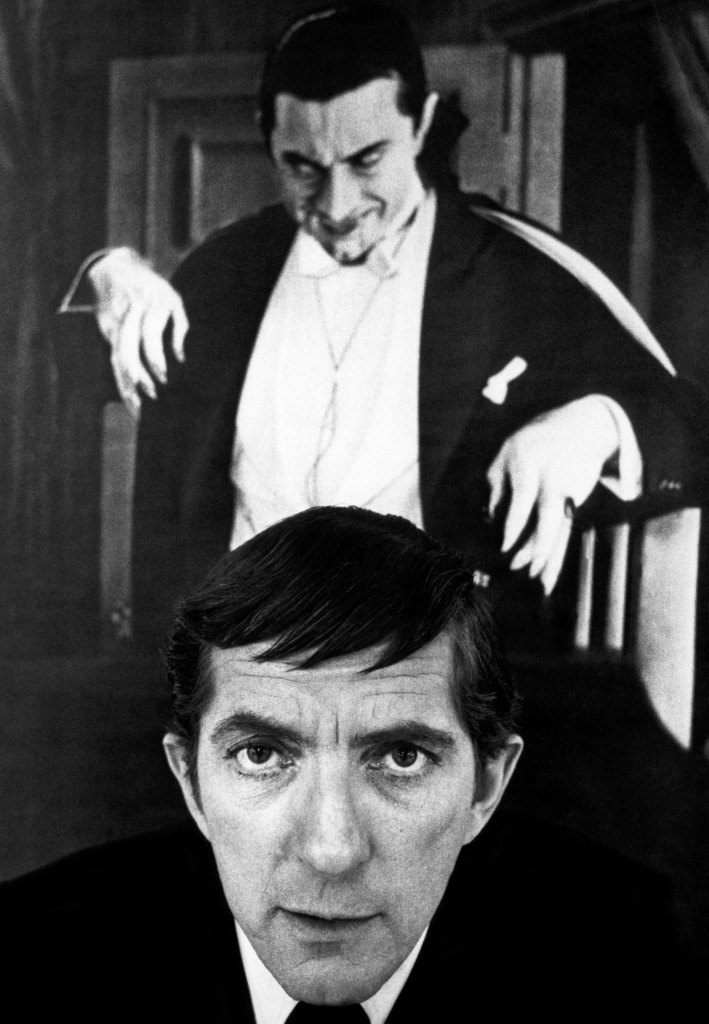
To understand the impact of Barnabas Collins, you have to look at what came before him. For decades, the vampire had remained essentially unchanged. From the pages of Dracula to the performances of actors like Bela Lugosi and Christopher Lee, the character evolved stylistically—but not fundamentally. He was a predator, a threat and something to be destroyed.
“Barnabas comes out of the box in 1967—exactly 70 years after the publication of Dracula,” Dawidziak notes. “And in those 70 years, the vampire character does not really advance at all. The job description is still incredibly limited. He’s a predator. Christopher Lee is sort of the raw animal sexuality, John Carradine brings a kind of world-weariness and seduction, Lugosi humanizes the character more and more. But he’s still a predator. On Dark Shadows, once they give him the one thing a vampire has never had before—which is a conscience—everything changes.
“Vampires don’t question their nature,” he continues. “A predator doesn’t question what it is. But Barnabas starts asking, ‘Do I have to live like this? Can I change? Is it possible for me to reclaim my humanity? My soul?’’ No vampire had ever thought that way. And suddenly, he goes from being the monster to being the hero.”
It’s that transformation—from external threat to internal struggle—that would echo across decades of storytelling, reshaping the vampire into something far more complex than the creature Bram Stoker first unleashed.
1967—the right vampire at the right time
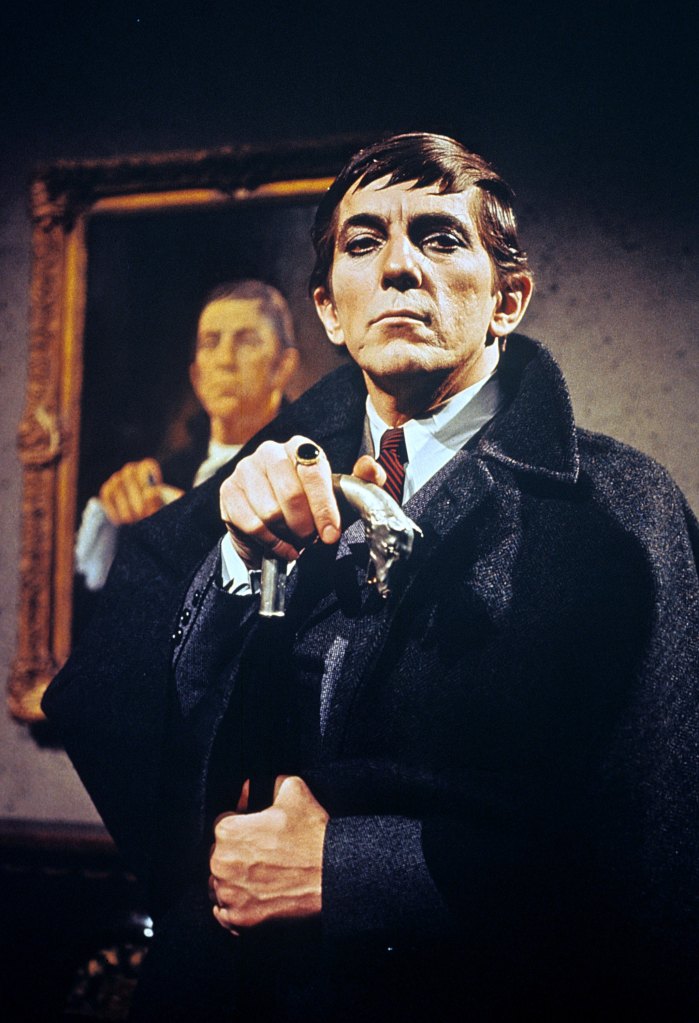
If Barnabas Collins had arrived at any other moment, his impact might not have been quite as profound. But he didn’t. “And why does it hit so hard?” Dawidziak asks rhetorically. “Because it’s 1967. Look at what’s going on—antiwar movement, women’s liberation, Black Power, gay liberation, a generation gap. The whole world is being turned upside down. And here comes Barnabas. He’s vampire liberation. He says, ‘I don’t have to live the way I’ve been living.”
That idea—that something as seemingly immutable as a vampire could change—resonated in ways that went far beyond daytime television. It also explains why Barnabas stood apart from every other character in Collinsport. “Look at the other supernatural characters,” Dawidziak says. “Nicholas Blair, Angelique—they don’t question their nature. They revel in it. They embrace it. Barnabas breaks the mold.”
And in breaking that mold, Dark Shadows did more than reinvent a single character—it created a trope that storytellers would return to again and again. There was simply no going back to the way things were. “It splits the vampire world forever,” suggests Dawidziak. “After this, it’s not like we ever lose the nasty vampire. You still have Nosferatu. You still have ’Salem’s Lot. You still have the predator. But you now have parallel tracks. You have the predator vampire, and you have the vampire who questions, who struggles and wants something more.”

And that second track—the one that begins with Barnabas—leads directly to some of the most influential vampire stories of the last half-century. “One of the people watching Dark Shadows—and a fan of Dark Shadows—is Anne Rice,” Dawidziak points out. “She’s going to take those questions and give them to her immortals, and they’re going to run in all sorts of directions with them.”
The result was Interview with the Vampire, which introduced readers to Lestat and Louis—vampires defined not by their hunger, but by their existential crises. And from there, the lineage becomes unmistakable. “Without Dark Shadows, no Anne Rice—certainly no Interview with the Vampire,” Dawidziak says. “There’s no Buffy, no Angel, no True Blood, no Twilight, no Vampire Diaries.”
That doesn’t mean every modern vampire story follows the same path, but it does mean they exist in a world that Barnabas helped reshape. It’s a world where the monster can also be the hero.
The continuing impact of ‘Dark Shadows’
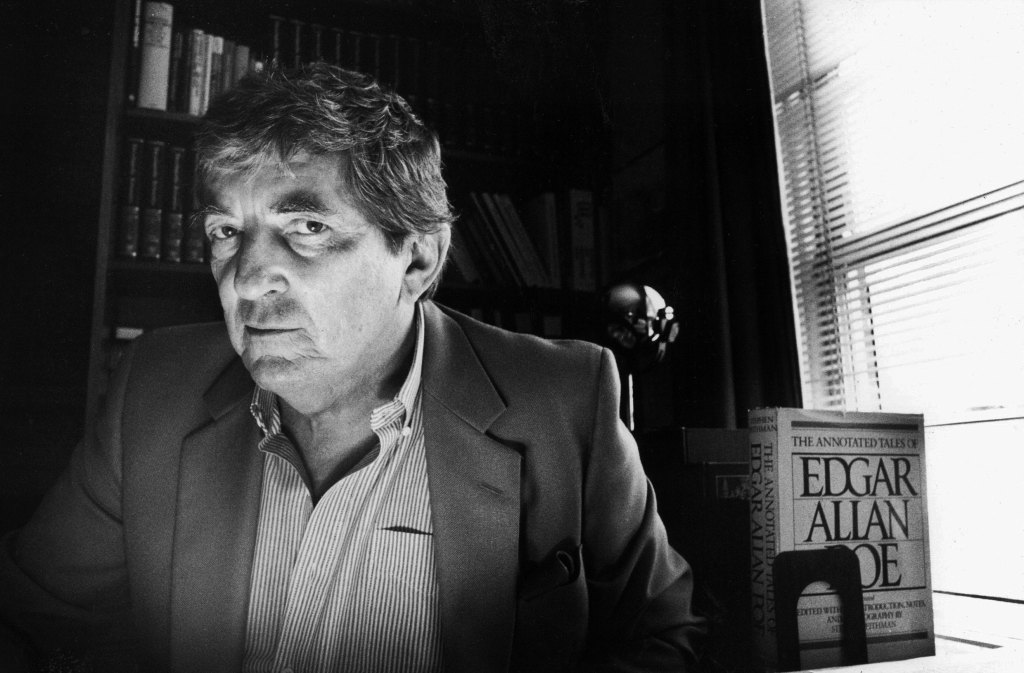
Sixty years after its debut, Dark Shadows remains difficult—if not impossible—to replicate. Part of that is technical. The show was produced at a pace that would be unthinkable today, with actors memorizing massive amounts of dialogue overnight and performing it with minimal margin for error. “They were doing two and a half hours of television a week,” Dawidziak says. “Give them a break.”

But more than production schedules or even storytelling, it was about tone. “There was always a sense of playing to the balcony,” he explains. “One foot in television, one foot in theater. And the actors who thrived on that show knew how to do it.”
That theatricality—combined with the show’s willingness to take risks—gave Dark Shadows a feeling unlike anything else on television then or now. “You wouldn’t find that acting style in primetime,” he notes. “You wouldn’t find it in other soap operas. And when it left, nothing ever really took its place.”
Attempts to revive or reinvent the series have come and gone, from the 1991 revival to later reinterpretations. Some have found elements worth embracing, but none have fully captured what made the original so compelling. “It’s very much of its time,” Dawidziak says. “You can’t create something in your time without reflecting that time—and Dark Shadows absolutely reflects the ’60s.”
Conversation
All comments are subject to our Community Guidelines. Woman's World does not endorse the opinions and views shared by our readers in our comment sections. Our comments section is a place where readers can engage in healthy, productive, lively, and respectful discussions. Offensive language, hate speech, personal attacks, and/or defamatory statements are not permitted. Advertising or spam is also prohibited.