Monty Hall and ‘Let’s Make a Deal’: Secrets, Outrageous Costumes and Changing the Game Show Game
Woman’s World spoke to a gameshow historian to learn how 'Let's Make a Deal' redefined the format

During its original run from 1963 1976, Let’s Make a Deal quickly established itself as a game show with a difference, bringing the idea of bartering to TV in a major way with Monty Hall serving as host. The concept of the show certainly wasn’t brain surgery, given that a studio audience would be presented with the opportunity to take home some cash or trade it for an unseen prize hidden behind a curtain. And when contestants would go for the curtain, Hall would raise the amount of the cash offer. When they’d make their final decision, they either won something spectacular or something as ridiculous as a goat(!). Simple enough, right? Well, America loved it!
Let’s Make a Deal premiered on NBC in 1963 and ran there until 1968 before moving to ABC, where it continued until 1976. It even spawned prime-time versions during its heyday. Reflecting on its success in a 1965 interview, Hall explained, “People tune in to win, sure, but it’s not purely about greed. It’s about taking a chance and exercising that gambling instinct. And they’re not risking anything of their own—only what they’ve won. Interestingly, women tend to take more risks than men. Husbands often play it safe, but their wives? You see a glint in their eyes—they want to go for more.”

He marveled at the lengths people went to just to get on the show. “Every night, people line up for 550 seats, but only 42 make it to the trading floor,” he said. “We see all kinds of bribes—cakes, cookies, even salami. Our crew eats very well!”

1. A game show that broke the mold
According to Adam Nedeff, a game show historian and author ot the biography Monty Hall: TV’s Big Dealer, Let’s Make a Deal faced criticism for its unconventional format. Unlike trivia-based shows that required skill, it boiled down to one simple choice: “Do you want the box or the curtain?” Critics derided its apparent lack of substance, but Nedeff pointed out the charm beneath the surface. “If you really watch the show, you can see Monty’s genuine connection with contestants,” he noted. “He’s clearly having fun. The show is lighthearted and harmless, and that’s part of its magic.”
Hall also leveraged his fame for philanthropy. Hosting Let’s Make a Deal put him in high demand for fundraisers and telethons. “Even on vacation, he’d visit children’s hospitals or shoot promos for local charities,” Nedeff shared. “Monty’s life was a seamless blend of work, family, and giving back.”
In a 1966 interview with the Independent Press-Telegram, Hall reflected, “When you do charity work, there’s no waiting for ratings. You know instantly, in your heart, how you did.”

2. The origins of giving

Hall’s passion for philanthropy was rooted in his childhood struggles. Born Monte Halparin on August 25, 1921, in Winnipeg, Canada, he grew up in poverty. As a teenager, he caught the attention of Max Freed, a businessman who offered to fund his education with two conditions: he had to maintain an A average and pledge to help others in the future. That promise shaped Monty’s lifelong generosity.
Even after achieving financial success, his frugality lingered. Nedeff explained, “Monty’s kids recalled him complaining about food waste or if lights were left on at home in Beverly Hills. He saved where he could to give more away later.”
3. From radio to game show royalty
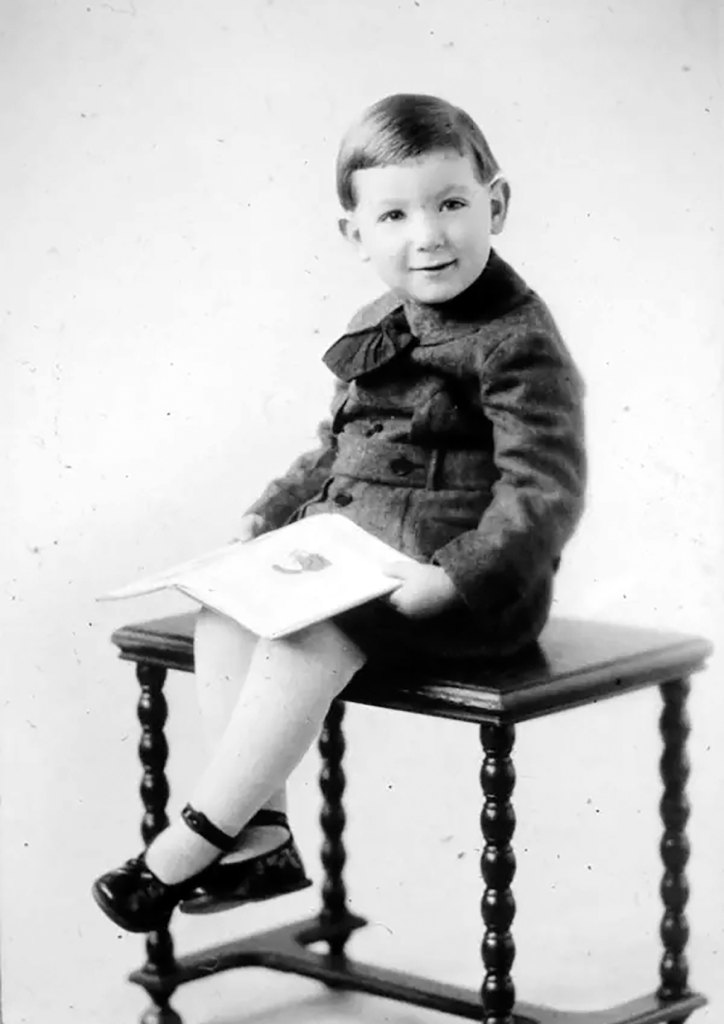
Hall earned a degree in chemistry and zoology from the University of Manitoba but faced discrimination when applying to medical school due to quotas for Jewish students. Instead, he found work in radio, narrating sports and performing in soap operas. In 1950s New York, he wrote a weekly “Memo for Monty”— an early blog-like chronicle of his job hunt—which eventually landed him an NBC weekend radio gig.

Details Nedeff, “He was doing this as an outlet for his out frustration in not being able to get a job, and he started mailing it to all the people that he couldn’t get job interviews with, so every week people in New York broadcasting were getting this ‘memo.’ He didn’t know if anybody was reading what he was reading, but one week somebody called him up and said, ‘I didn’t get my “Memo from Monty” this week Are you still writing it?” As a result, Monty was brought in for an interview and things started coming together from there.”

Hall’s big break came with the creation of Let’s Make a Deal in 1963. Though network executives were skeptical, calling the concept too repetitive, he and collaborator Stefan Hatos proved them wrong. “Game shows are all about variations on a theme,” he argued, and audiences embraced the show’s unpredictability.
4. The birth of costumes
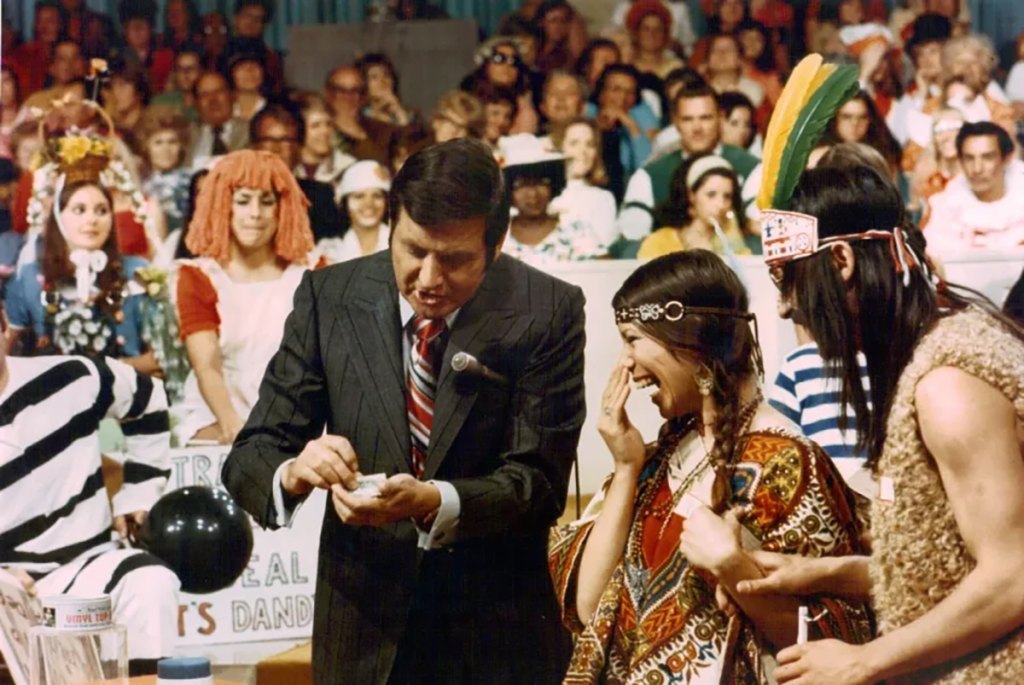
Initially, Let’s Make a Deal contestants dressed in formal attire, but one day a woman arrived with a humorous sign, sparking a tradition of getting Hall’s attention that would transform into audience members being accessorized with hats, props, and full costumes to grab Hall’s attention.
Nedeff says, “If everyone has a sign around their neck, it’s a littler harder to stand out, so eventually a woman showed up with a sign around her neck and a gaudy-looking hat which caught Monty off guard, but he ended up picking her. It just snowballed fro there until contestants were showing up in full-blown costume. The audience suddenly became filled with baseball players, hobos, Charlie Chaplins, ballerinas, kitty cats, Groucho Marxes and so on.”

Despite initial objections from NBC executives, the costumes became a defining feature of the show. “”Stefan Hatos,” details Nedeff, “called a staff meeting to ban the costumes. When a staff member asked for an explanation, he didn’t really have one. That staff member added, “There’s never been a show like this before. People are dressing up and making the screen come alive.”
“Stefan Hatos overruled himself,” he adds with a laugh. “The staff and Monty would marvel in the coming years at how dedicated some of the contestants were.”
5. Challenges and legacy
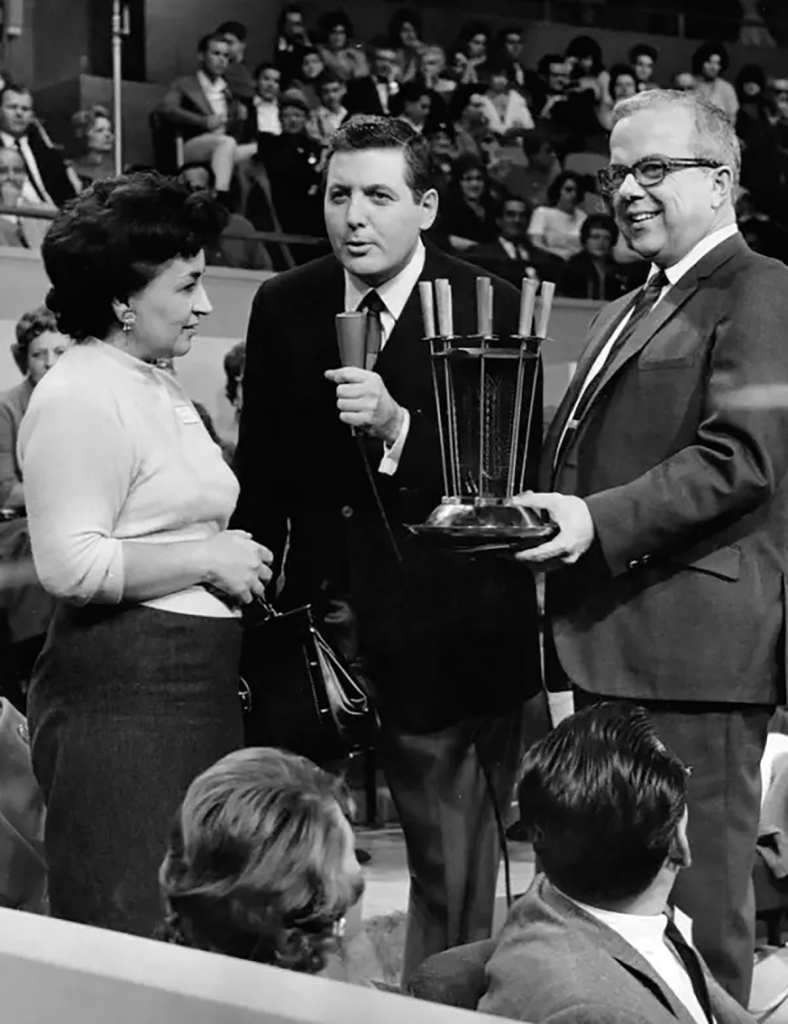
As competition grew, Let’s Make a Deal faced challenges, particularly when CBS expanded The Price is Right to an hour-long format. Hall opposed lengthening his own show, but ABC pushed forward. “It diluted the format,” he admitted later. Eventually moved to a less favorable time slot, the show ended its initial run in 1976.
“When The Price is Right expanded, they altered the format in such a way that it needed to be one-hour long,” Nedeff explains. “The other game shows just did one hour of more of the same, which meant that all Let’s Make a Deal did was make more deals. They did a week of those and the ratings suffered. Monty was quoted saying, ‘ABC wanted to punish us for the fact that the hour-long format didn’t work, so they moved the show to the noon time slot.’ Back then, noon was the death slot on the networks due to the fact that more local stations were doing newscasts at that time. At that point, only half the country was able to watch the show and it was off the air by July 1976.”
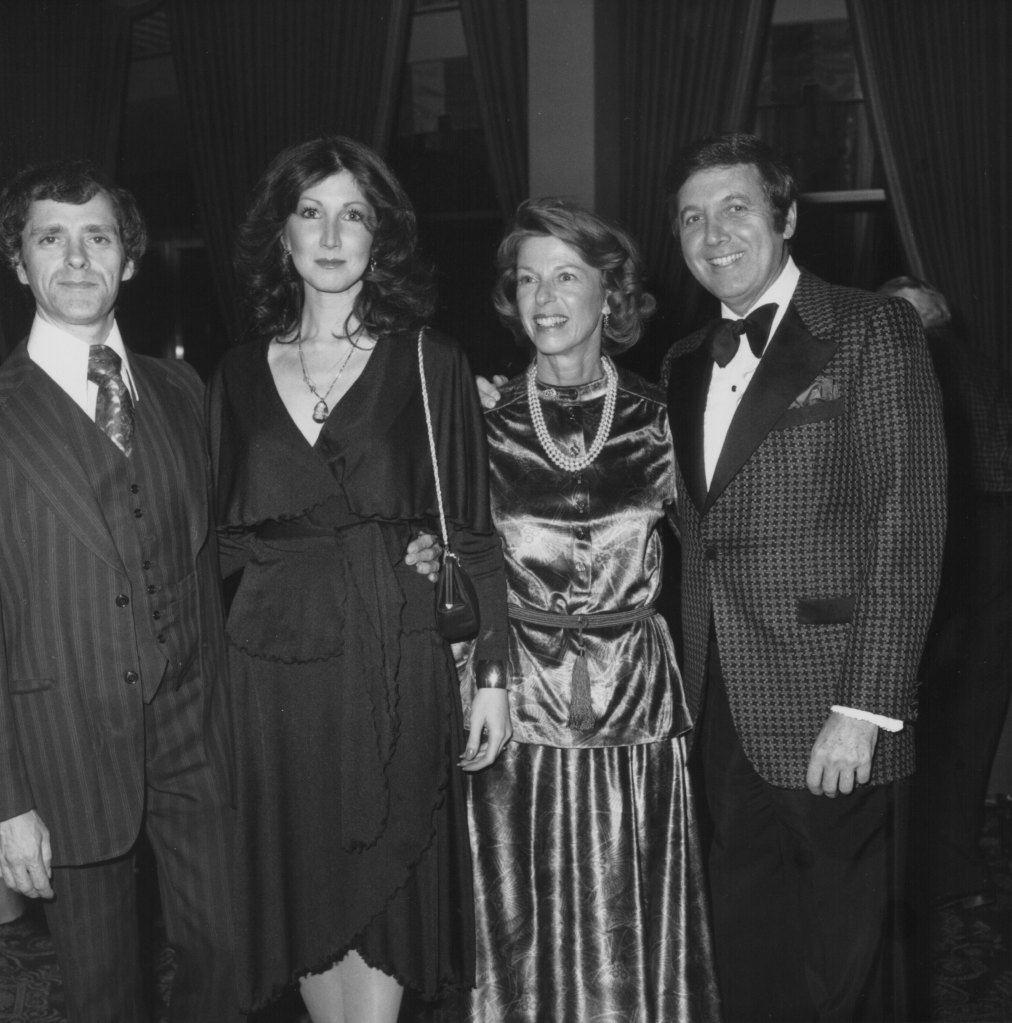
In some ways, that was okay with Hall, who saw himself as much more than the host of a game show: He wanted to host talk and variety shows and even dreamt of being an actor. To that end, he did appear in a two episodes of The Odd Couple television series and hosted the specials The Monty Hall Smokin’ Stoking Fire Brigade and Monty Hall at Seaworld. Unfortunately, those and a few other projects didn’t really change people’s perceptions of him.

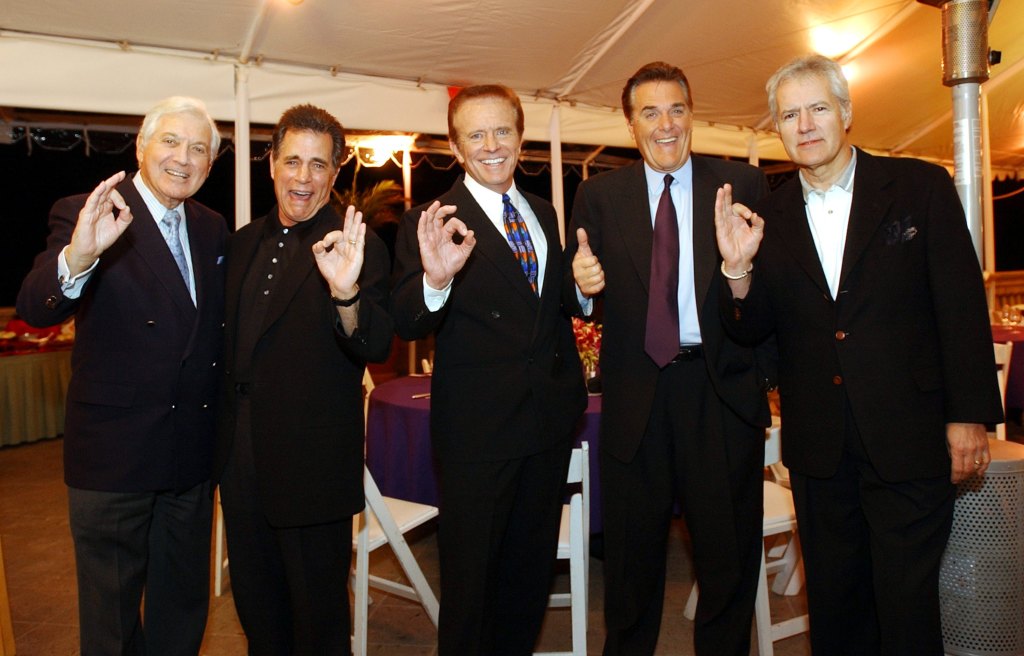

On the personal front, he and wife of 60 years Marilyn Potts continued to work for various charities (even into Hall’s 80s) and spent quality time with their children and grandchildren. Reflecting on Hall’s legacy, Nedeff remarked, “Monty’s greatest accomplishment wasn’t just the show’s success but the billions he raised for charity. Let’s Make a Deal became a cultural touchstone, and Monty’s warmth and charisma ensured it would never be forgotten.”
Monty Hall passed away in 2017 at age 96, just four months after Potts had, leaving behind a remarkable legacy as a television pioneer and philanthropist.
Facts about the Monty Hall Problem
- The “Monty Hall Problem” is a probability question that’s actually inspired by the Let’s Make a Deal format. In it, a contestant is given a choice of three doors, one of which hides a car (the winning choice), and two which are actually concealing goats. After a participant picks a door, Money Hall opens a door to reveal a goat (a wrong door). The choice then is to stick with the original door or switch to the remaining closed door.
- The best strategy would be to switch doors, because if the contestant doesn’t waver from the original choice, there is a 1/3 chance they will win the car. But if the choice, instead, is to switch, there is a 2/3 chance of being victorious. The logic behind this is that the opening of one door removes a losing option, therefore increasing the odds of the contestant giving the correct answer with the winning door chosen.
- In Her “Ask Marilyn” column in Parade, Marilyn vos Savant in 1990 provided the correct answer to the “Monty Hall Problem,” which was to always switch doors. Although this seemed to many the wrong thing to do, vos Savant was proven right in the end.
Conversation
All comments are subject to our Community Guidelines. Woman's World does not endorse the opinions and views shared by our readers in our comment sections. Our comments section is a place where readers can engage in healthy, productive, lively, and respectful discussions. Offensive language, hate speech, personal attacks, and/or defamatory statements are not permitted. Advertising or spam is also prohibited.