The ‘MASH’ Cast Before They Were Famous: Their Surprising Roads to the 4077th
Rare photos and early roles reveal how TV’s most beloved cast came together

Key Takeaways
- These rare photos reveal how the 'MASH' cast came together before fame.
- Before 'MASH,' these stars built careers in TV, film and theater.
- The surprising early roles that helped shape the iconic 'MASH' cast.
Alan Alda (1972-1983)

Before he became synonymous with wisecracking surgeon Hawkeye Pierce, Alan Alda had already built a remarkably varied career that blended stage, television and film. The son of actor Robert Alda, he grew up immersed in performance, learning early not just the craft but the discipline that came with it. By the mid-1960s, Alda was carving out a reputation as a thoughtful, versatile performer who was equally at home in television, Broadway productions and emerging film roles.
What makes Alda’s pre-M*A*S*H years so fascinating is how clearly they foreshadow the qualities that would later define him: intelligence, warmth and an ability to balance humor with emotional depth. From early television appearances to Broadway success and a leading role in the film Paper Lion, Alda was steadily assembling the toolkit that would make Hawkeye one of television’s most enduring characters.
1945
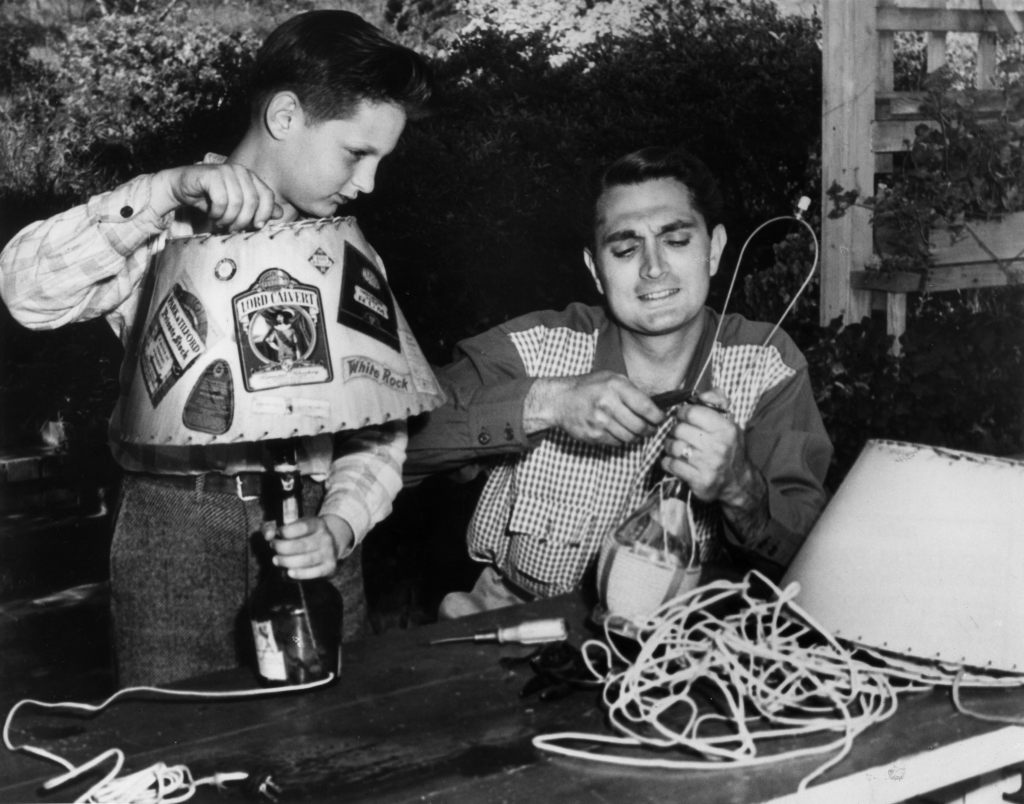
Actor Robert Alda shows his young son Alan how to make a homemade lamp from a wine bottle outside their California home—a glimpse of the creative environment Alda grew up in.
1951
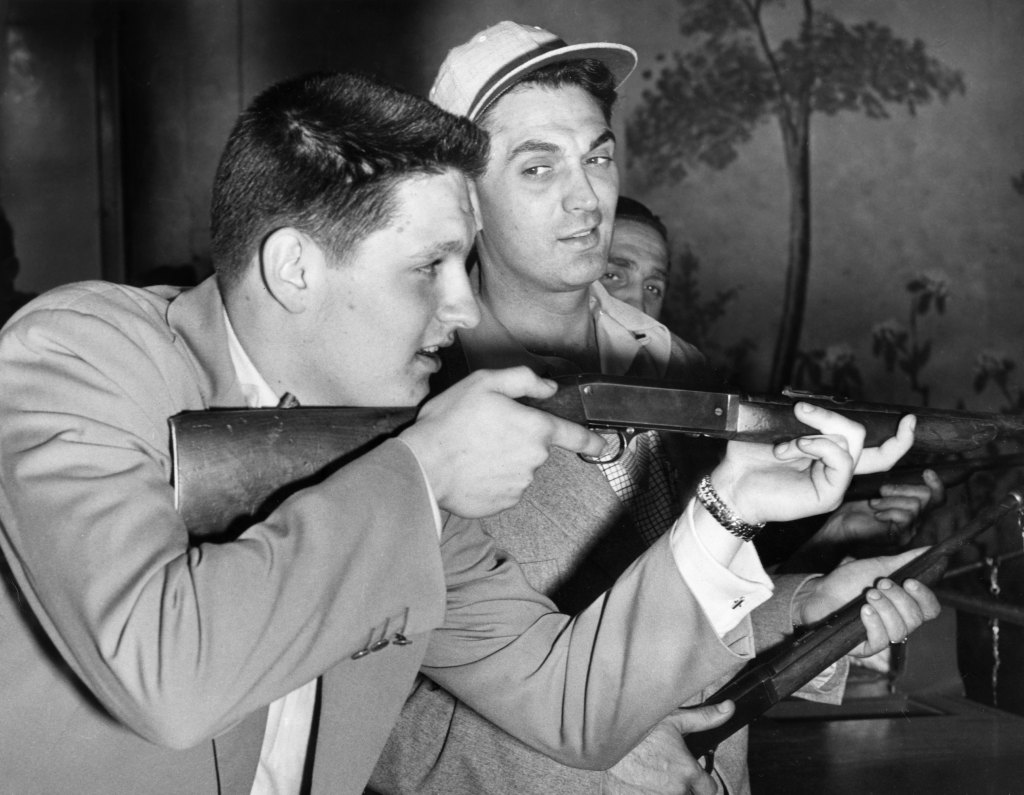
Robert Alda gives his son Alan a few pointers on shooting at Palisades Park, New Jersey—a candid father-and-son moment that reflects the close bond between them.
1958
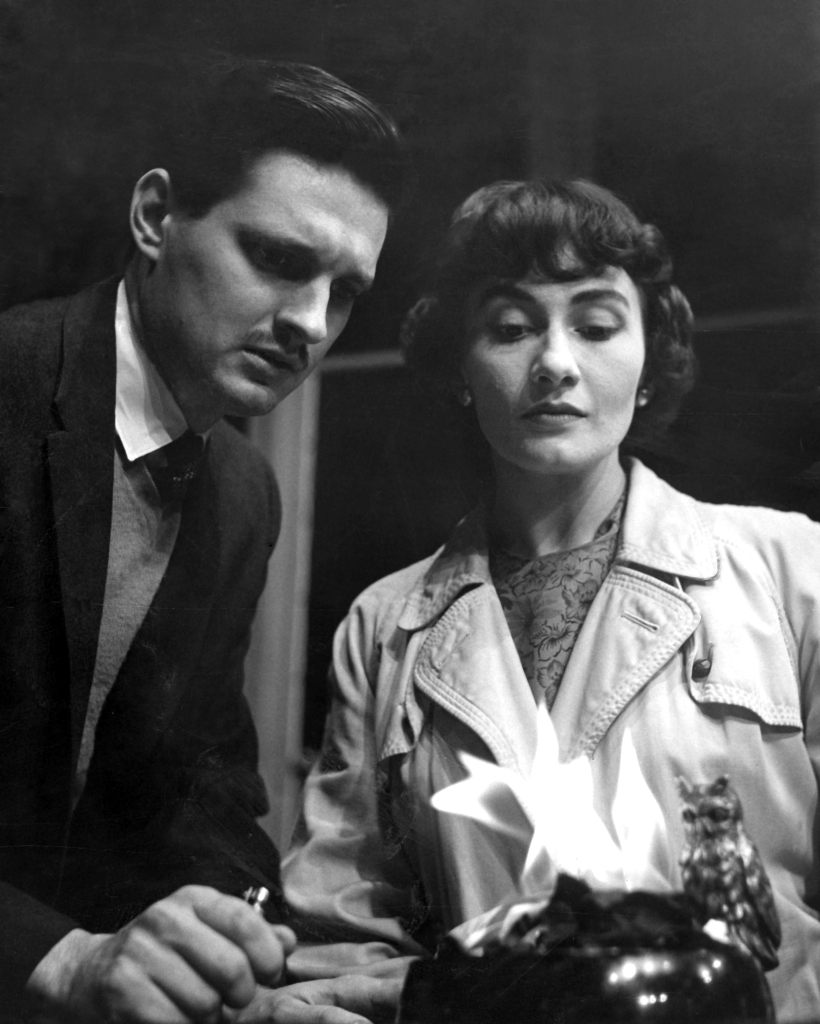
Alan Alda appears opposite Jo Ann Finnell in the stage production Monique at New York’s Drury Theatre, an early step in his professional acting career.
1962
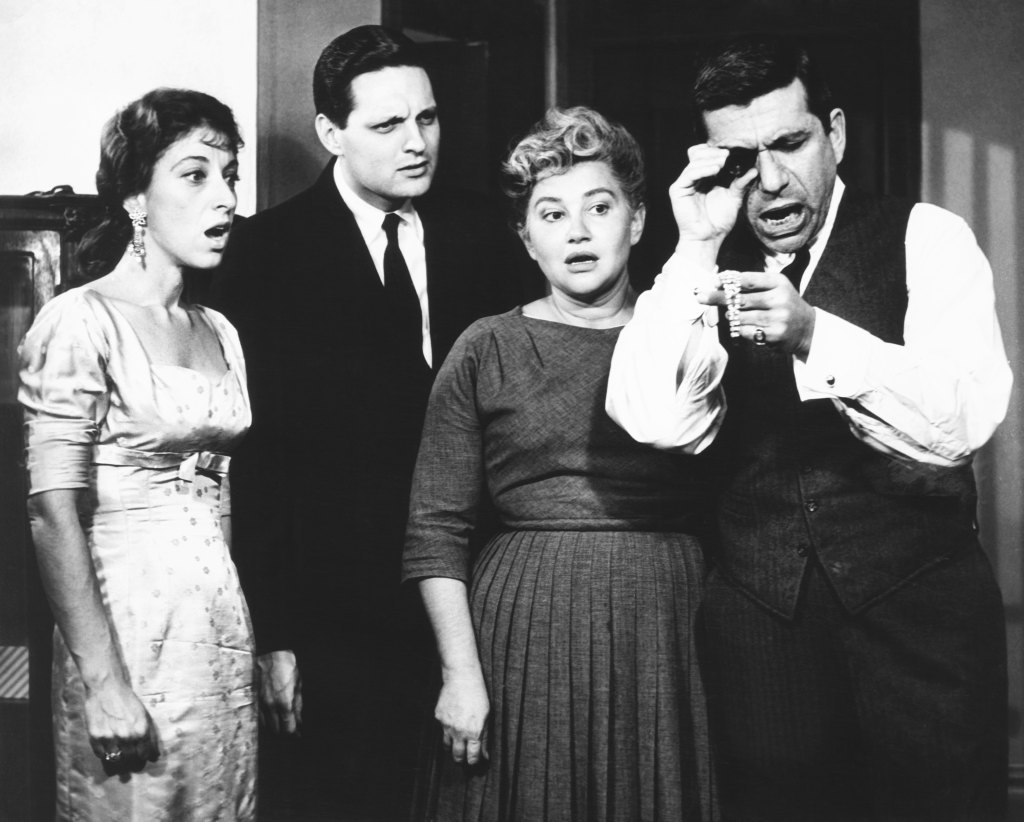
From left: Lenore DeKoven, Alan Alda, Lilian Adams and Michael Granger in A Whisper in God’s Ear at the Cricket Theatre, showcasing Alda’s growing presence in live theater.
1963
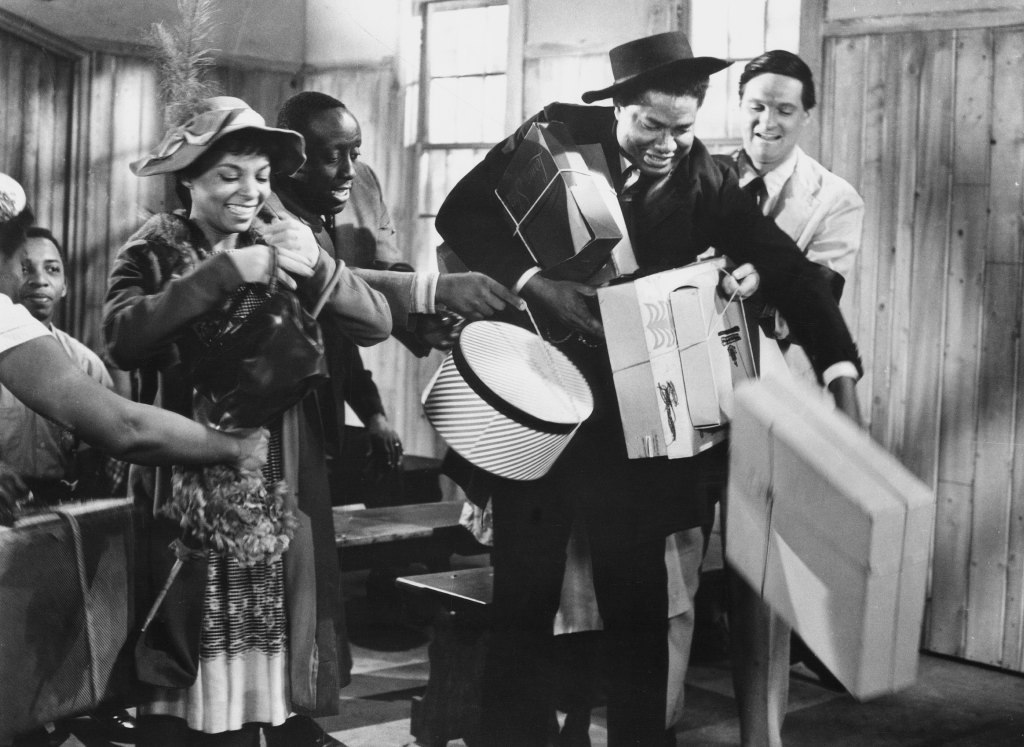
Alan Alda joins Ruby Dee, Godfrey Cambridge and Ossie Davis in Gone Are the Days (also known as Purlie Victorious), marking his involvement in socially relevant stage work during the early 1960s.
1964
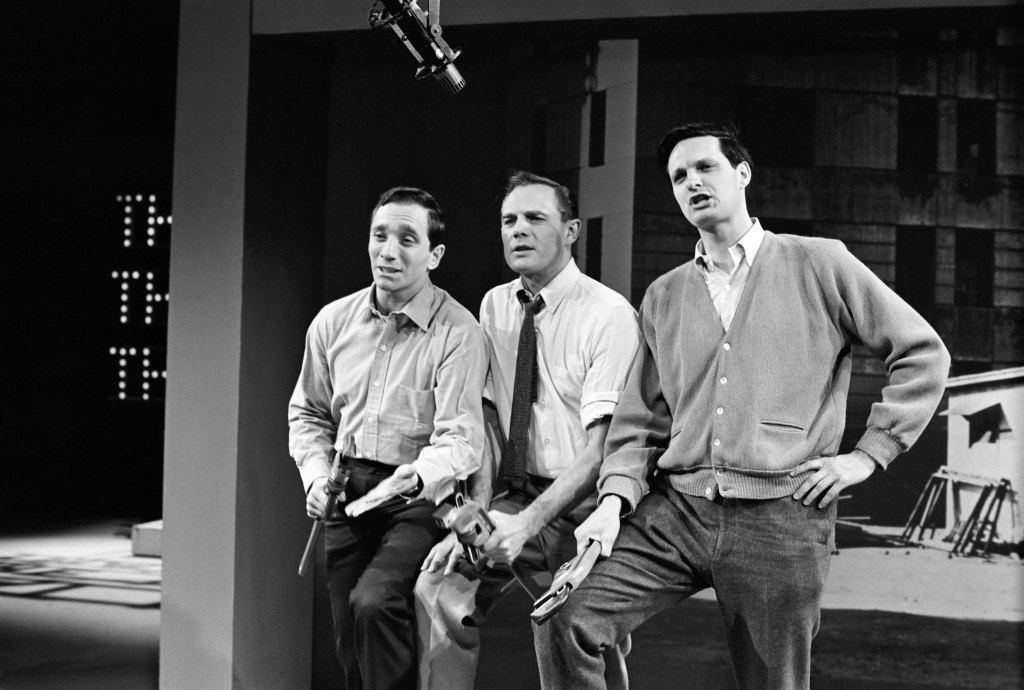
Alan Alda (right) appears alongside Sandy Baron and Stanley Grover on the satirical TV series That Was the Week That Was, marking one of his early television showcases.
1965
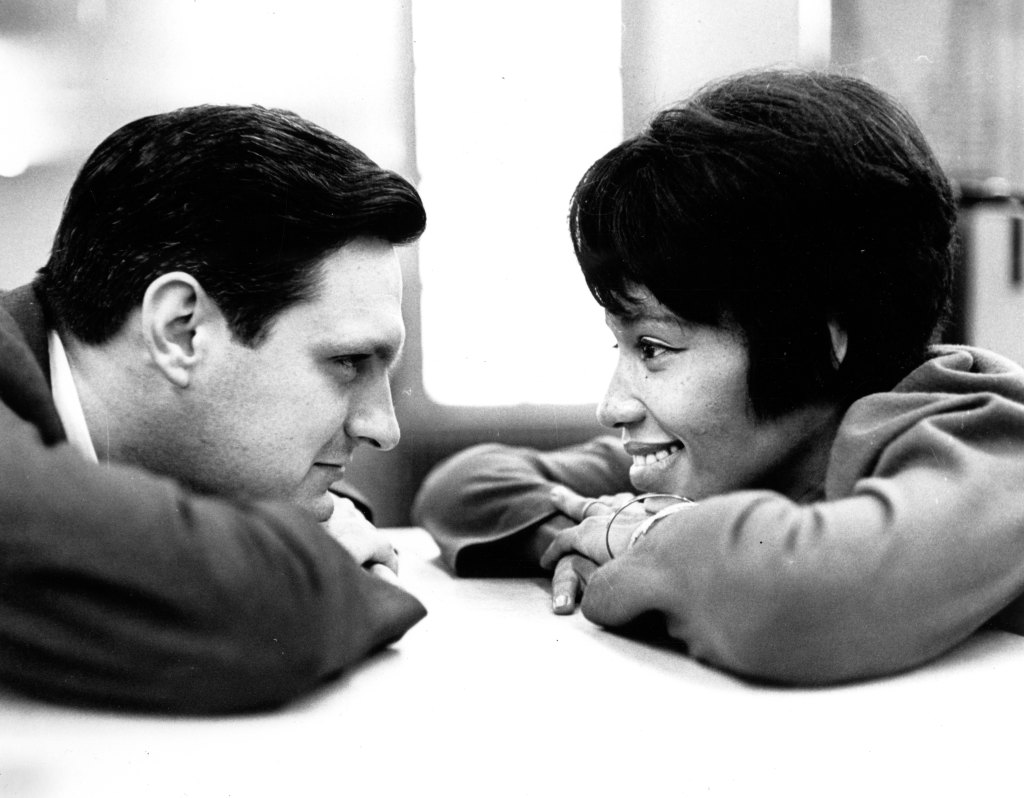
Alan Alda and Diana Sands share an intimate moment in the Broadway production of The Owl and the Pussycat, highlighting his growing presence on the New York stage.
1967
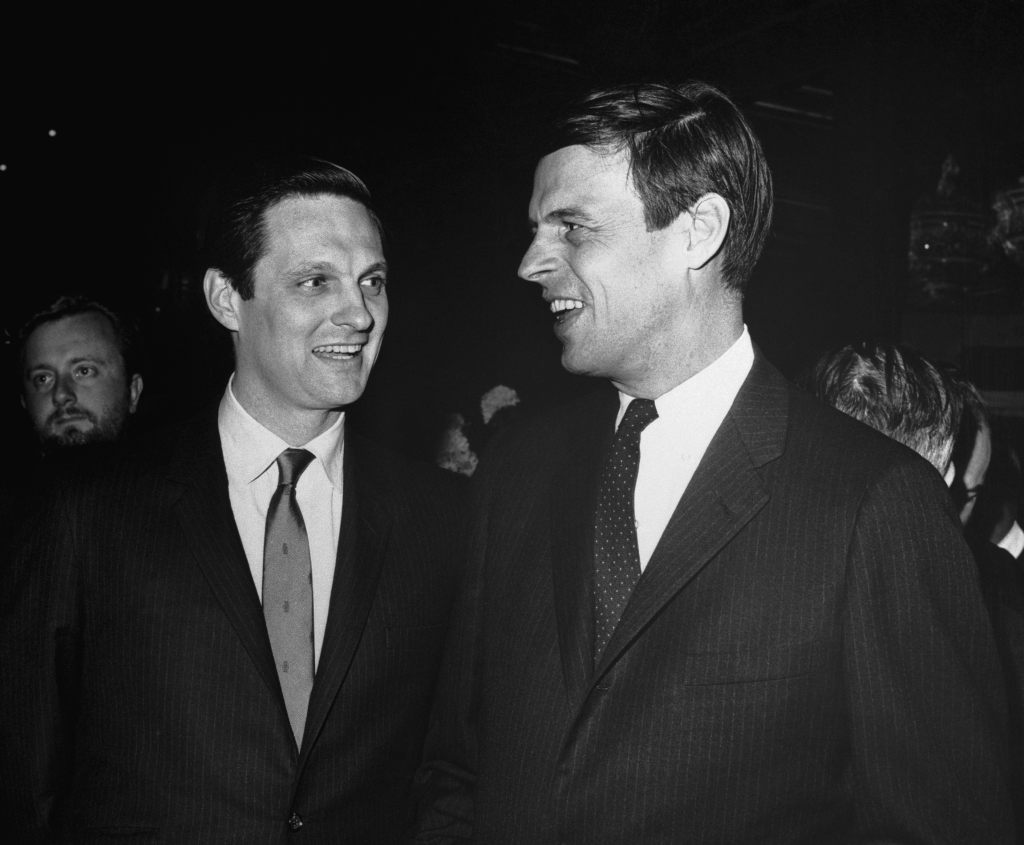
Alan Alda attends a party honoring writer George Plimpton, whom he would portray in the upcoming film adaptation of Paper Lion.
1968
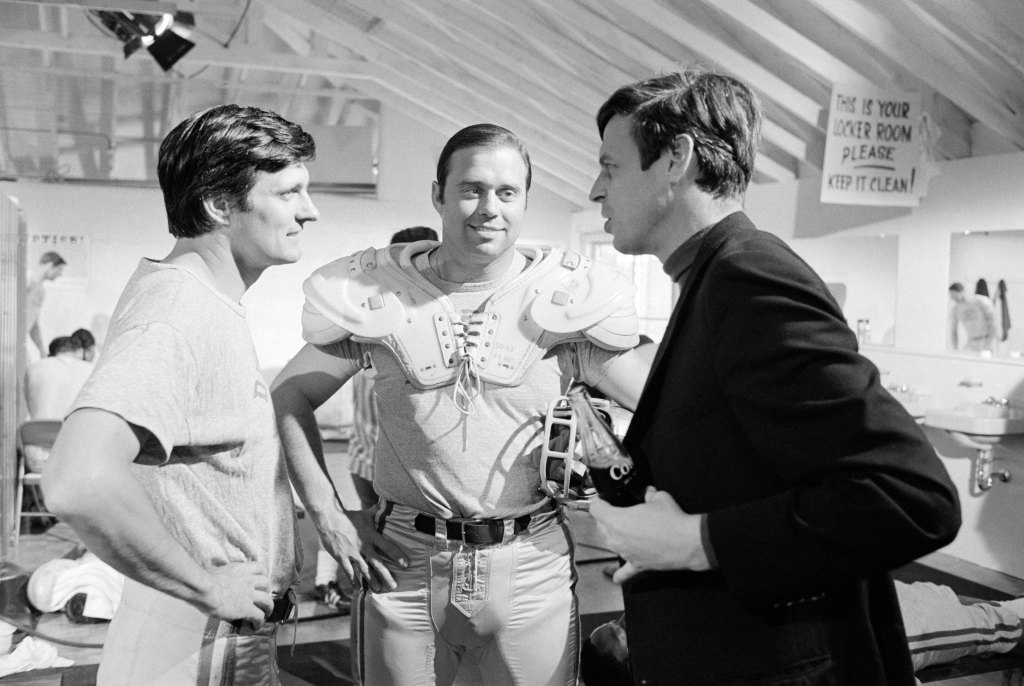
Author George Plimpton confers with Alan Alda on the set of the 1968 comedy Paper Lion, a film adaptation of Plimpton’s best-selling book. Alda plays Plimpton’s screen counterpart in a story of the author’s masquerade as a professional quarterback with the Detroit Lions. Various NFL coaches and players, including Lions’ offensive guard John Gordy (c), also appear in the film.
1969
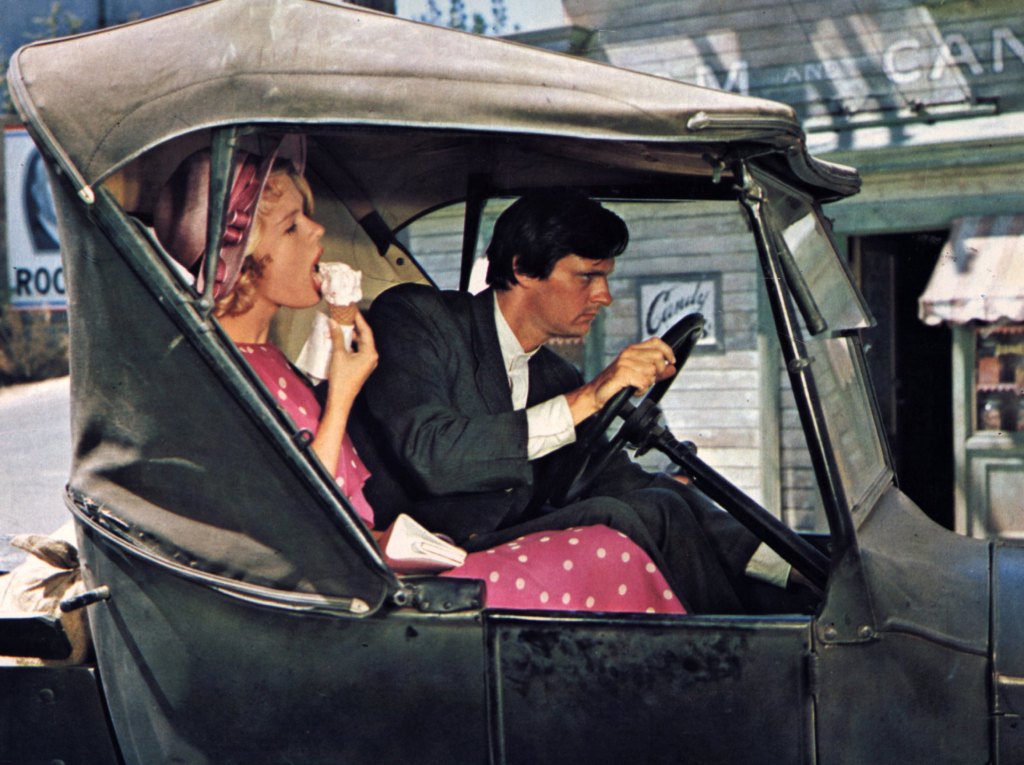
Alan Alda appears with Suzanne Zenor in The Moonshine War, continuing his transition into film roles at the end of the 1960s.
1970
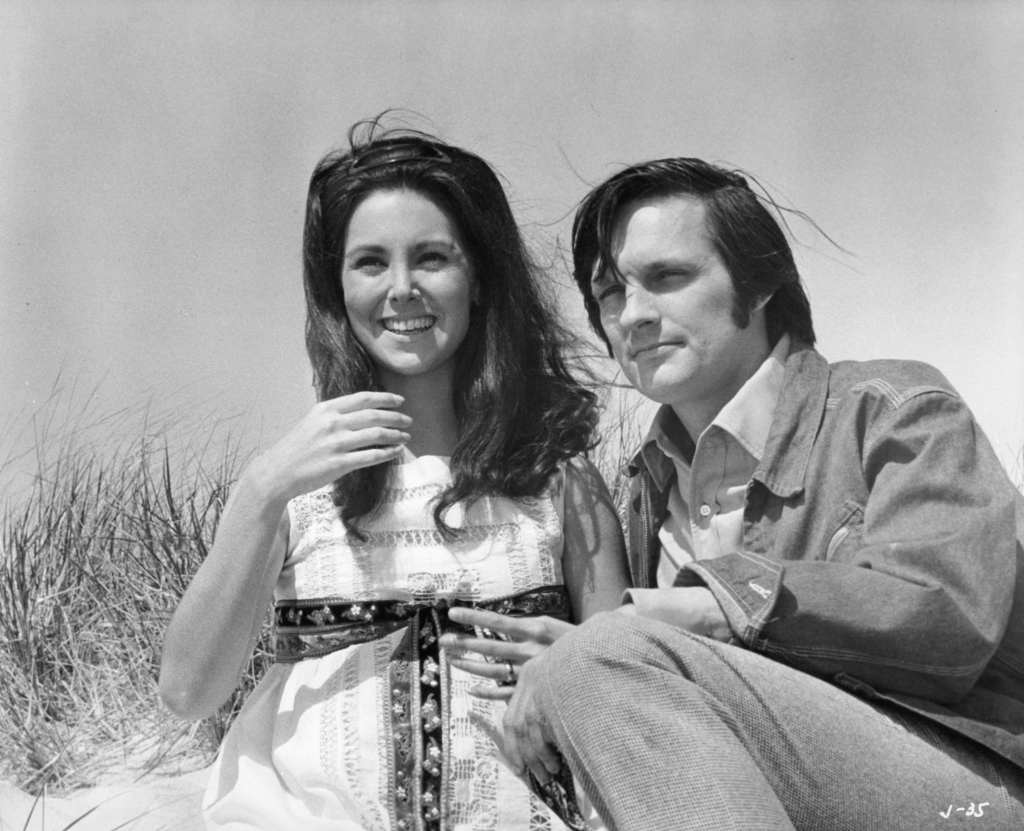
Marlo Thomas and Alan Alda relax by the beach in a scene from Jenny, one of his final film roles before M*A*S*H would change everything.
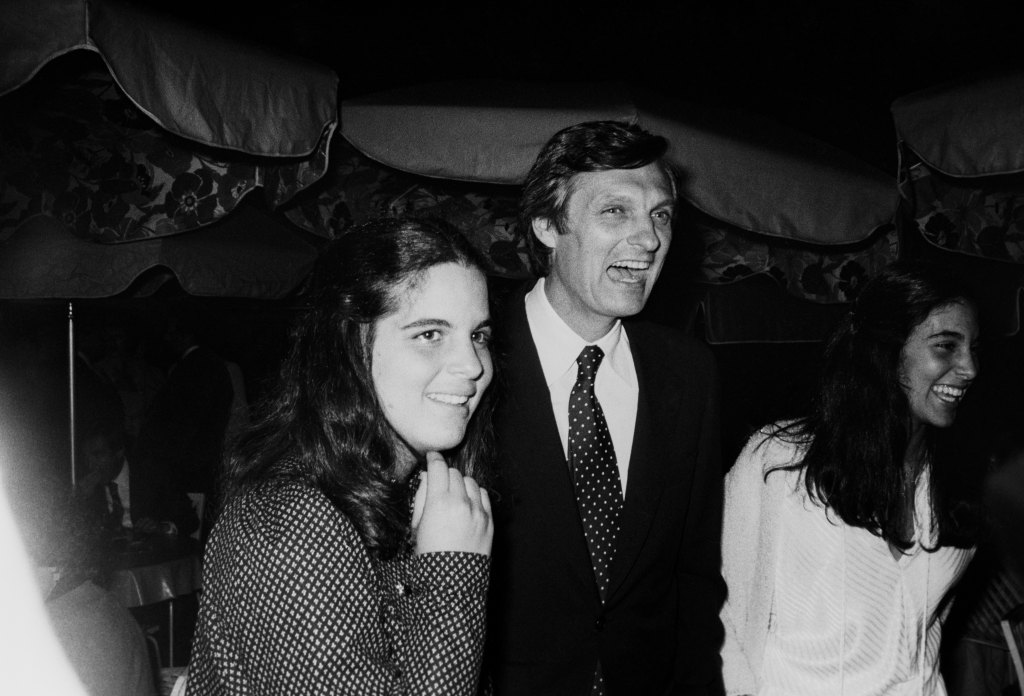
Alan Alda is pictured with his daughters, Elizabeth and Beatrice, offering a rare glimpse of his life away from the screen.
1971
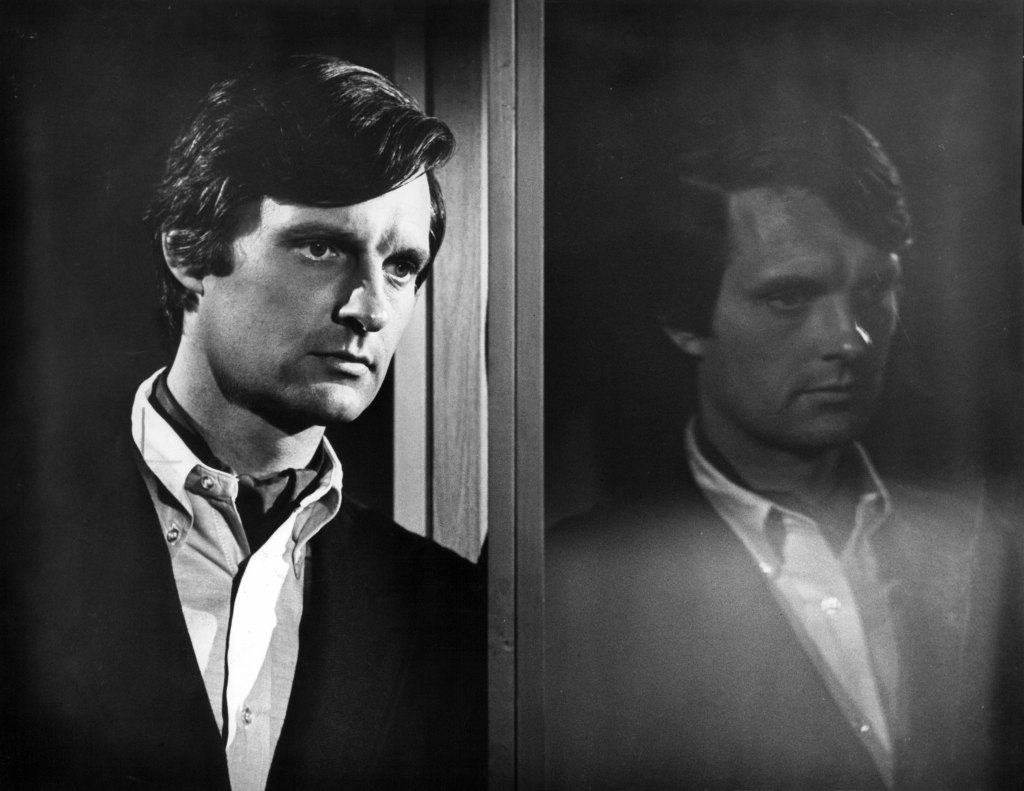
Alan Alda appears with his reflection in The Mephisto Waltz, a psychological thriller that further showcased his dramatic range.
Loretta Swit (1972-1983)

In the days before she ever set foot in the 4077th as Major Margaret “Hot Lips” Houlihan, Loretta Swit had trained in the theater and was shaped by years of stage experience, developing a strong foundation in performance. Like many actors coming up in the 1960s, she balanced regional theater, touring productions and early television roles, gradually building a resume that reflected both versatility and persistence.
By the late 1960s and early 1970s, Swit had become a familiar face on television, appearing in guest roles on popular series while continuing to sharpen her craft. Film roles like Stand Up and Be Counted and appearances on shows like Mannix demonstrated her ability to move between drama and lighter material with ease.
1965
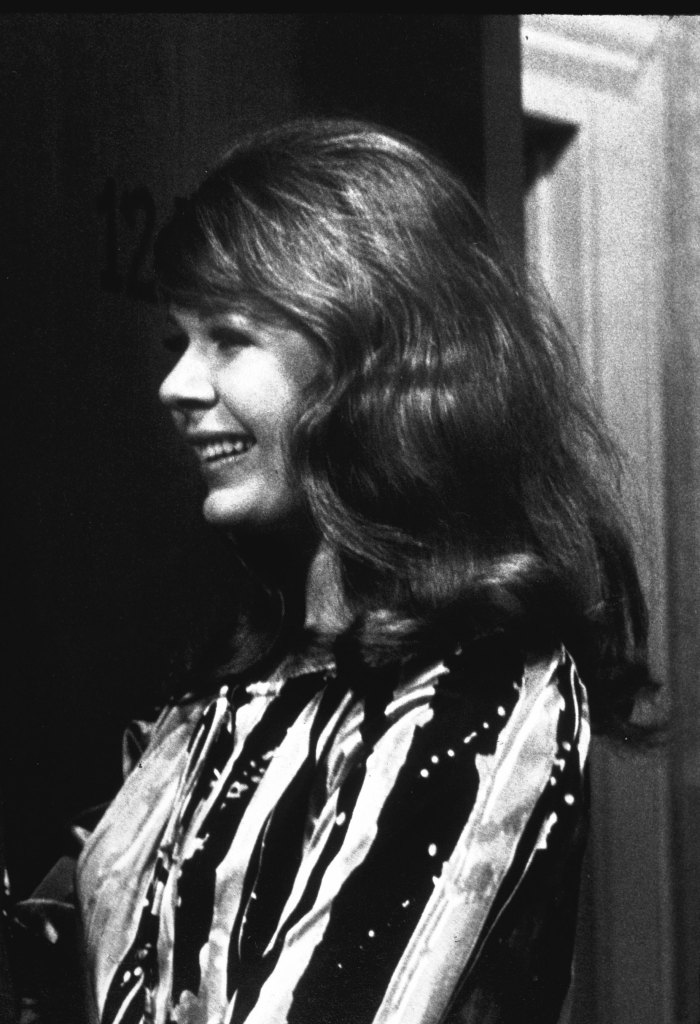
Loretta Swit appears in a stock production of Neil Simon’s The Odd Couple, reflecting her early grounding in stage performance.
1970
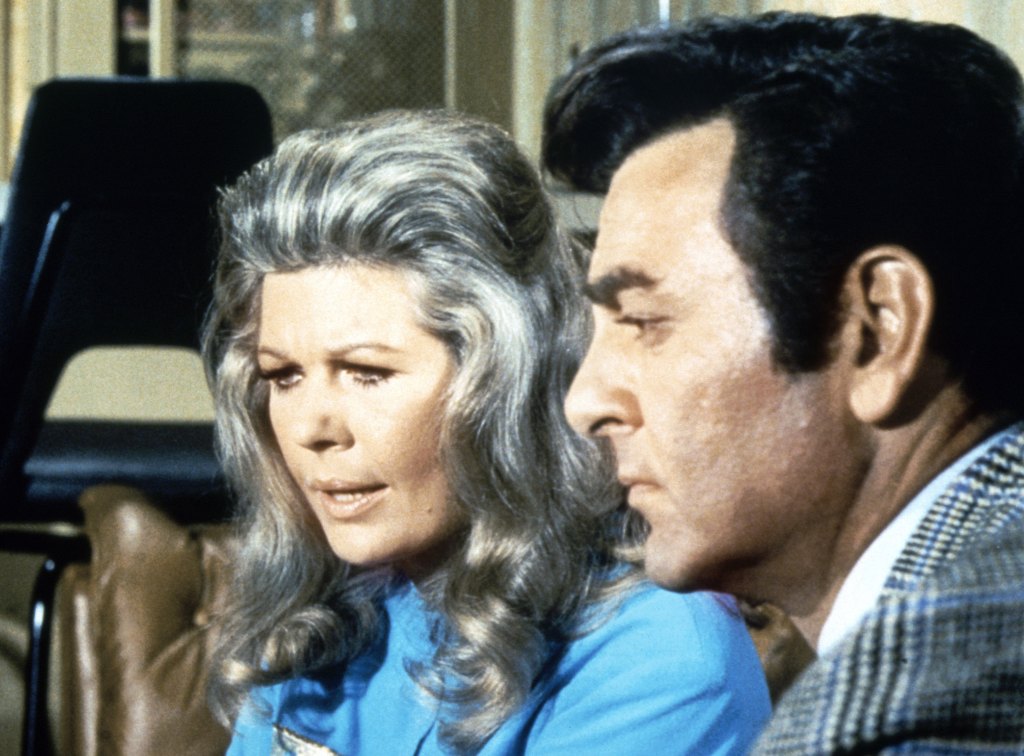
Loretta Swit guest stars opposite Mike Connors in Mannix, part of her growing presence on television during the late 1960s and early ’70s.
1971
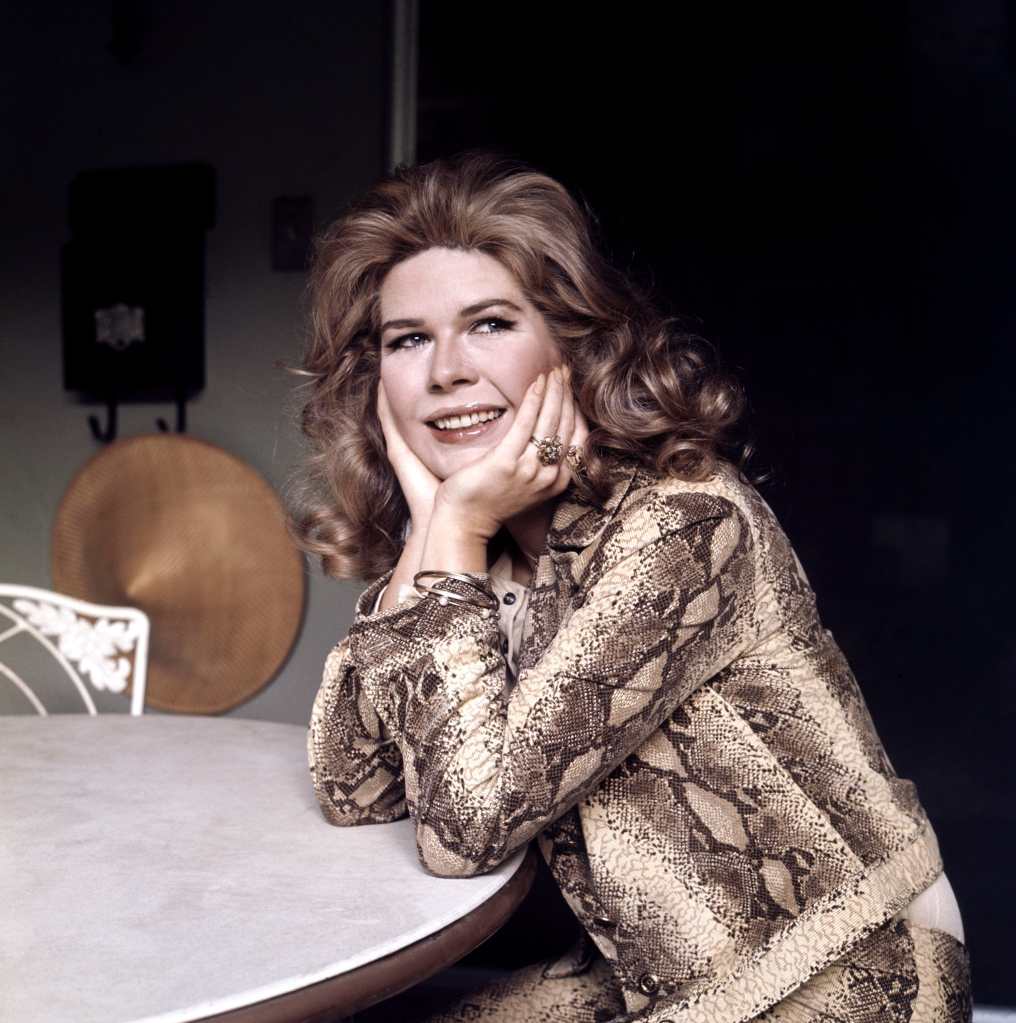
Loretta Swit is photographed at home in 1971, offering a glimpse of her life just before M*A*S*H would make her a household name.
1972
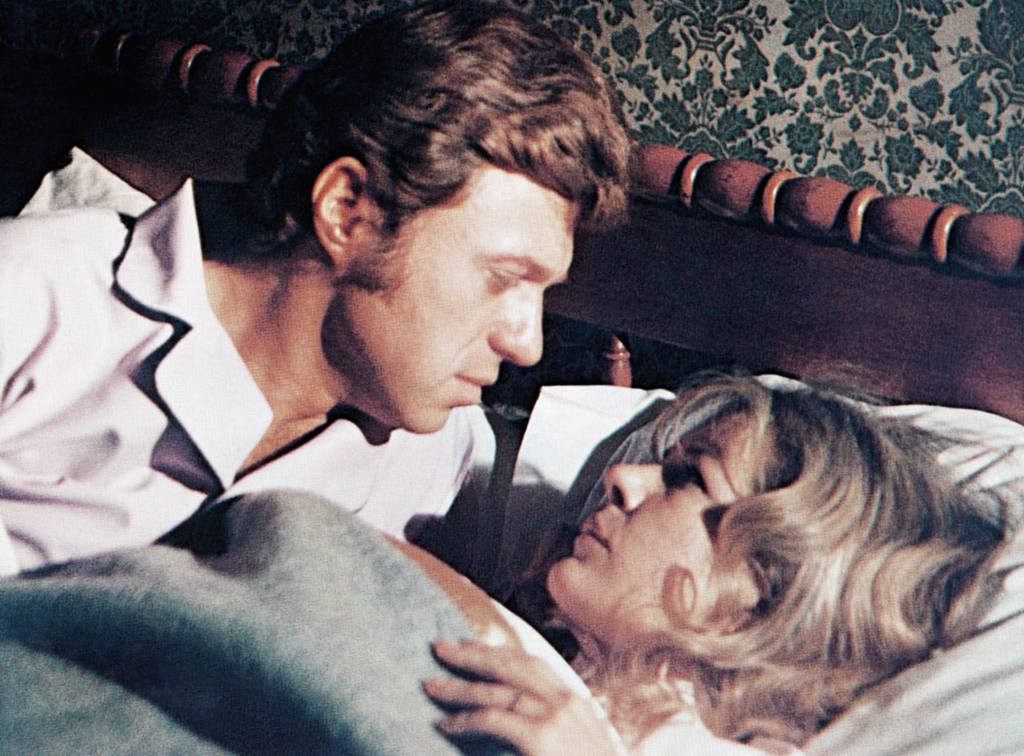
From left: Steve Lawrence and Loretta Swit in Stand Up and Be Counted, one of her early film roles as her career continued to expand.
Wayne Rogers (1972-1975)

Prior to Trapper John McIntyre on M*A*S*H, Wayne Rogers had already established himself as a steady presence across television and film. Like many actors of his era, he built his career through a steady stream of guest appearances on popular series, gaining experience in everything from drama to suspense. His early work reflected a classic 1960s television path.
By the mid-to-late 1960s, Rogers was expanding into more visible roles, including a supporting part in the film Cool Hand Luke, where he appeared alongside major stars like Paul Newman. Whether in anthology series like The Dick Powell Show, genre pieces like Chamber of Horrors or crime dramas such as The F.B.I., Rogers consistently demonstrated an easygoing charisma and quiet confidence.
1962
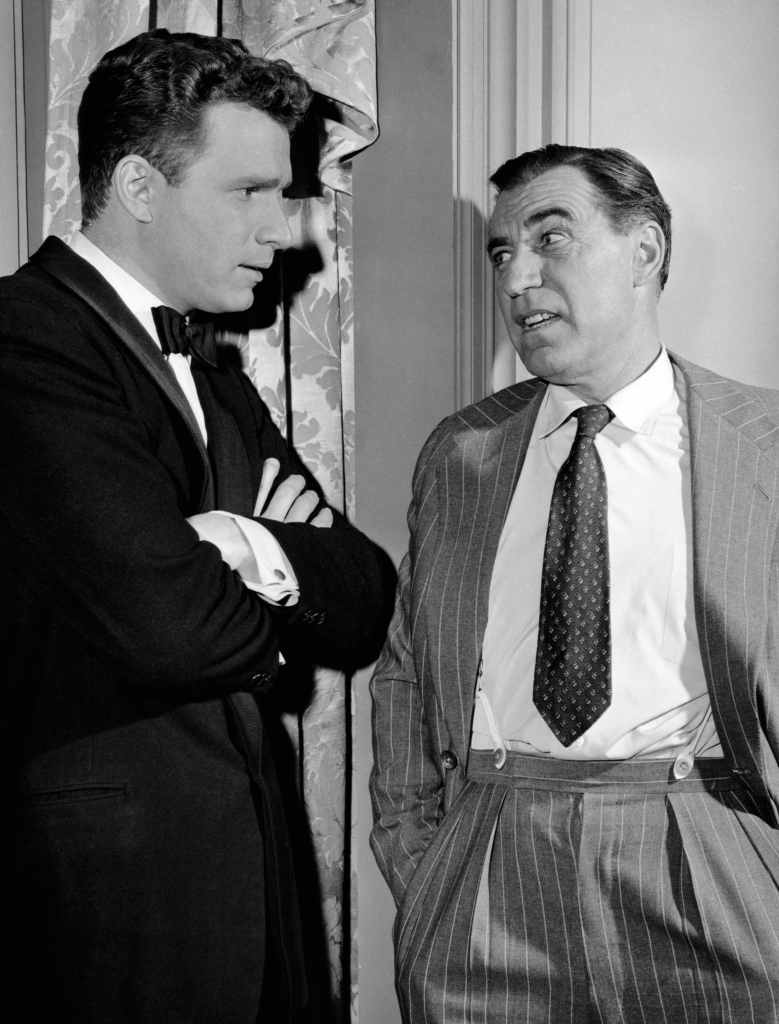
Wayne Rogers appears with David Farrar in “The Clocks,” an episode of The Dick Powell Show, one of his early television roles.
1966
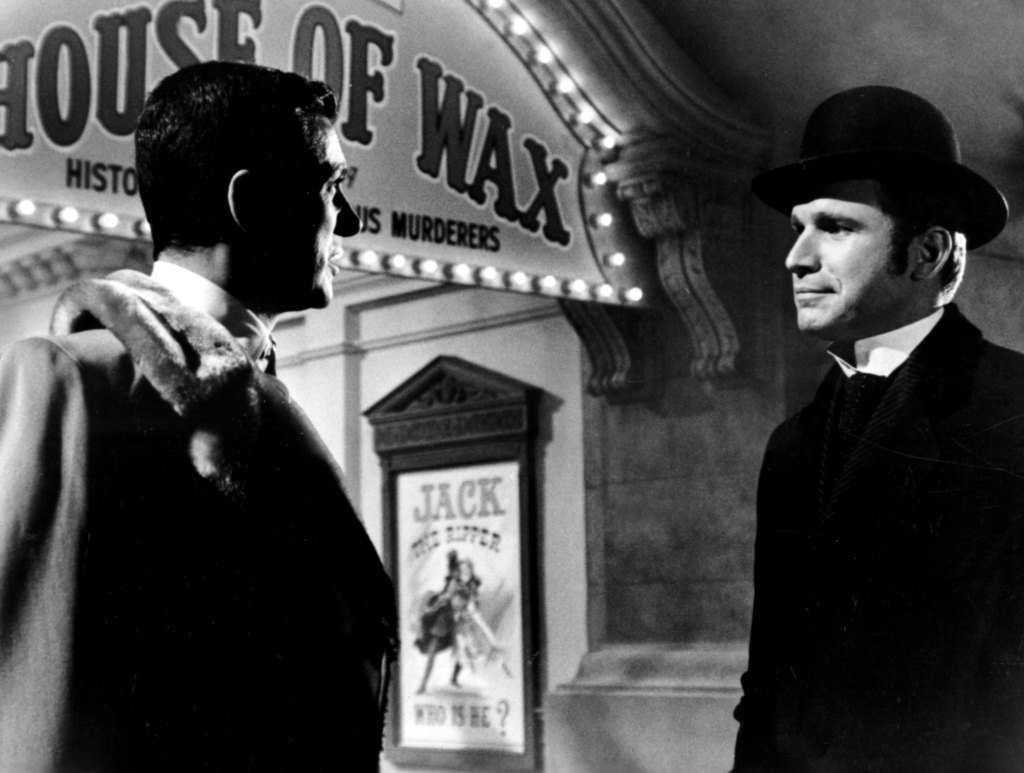
From left: Cesare Danova and Wayne Rogers in Chamber of Horrors, reflecting his work in genre television during the mid-1960s.
1967
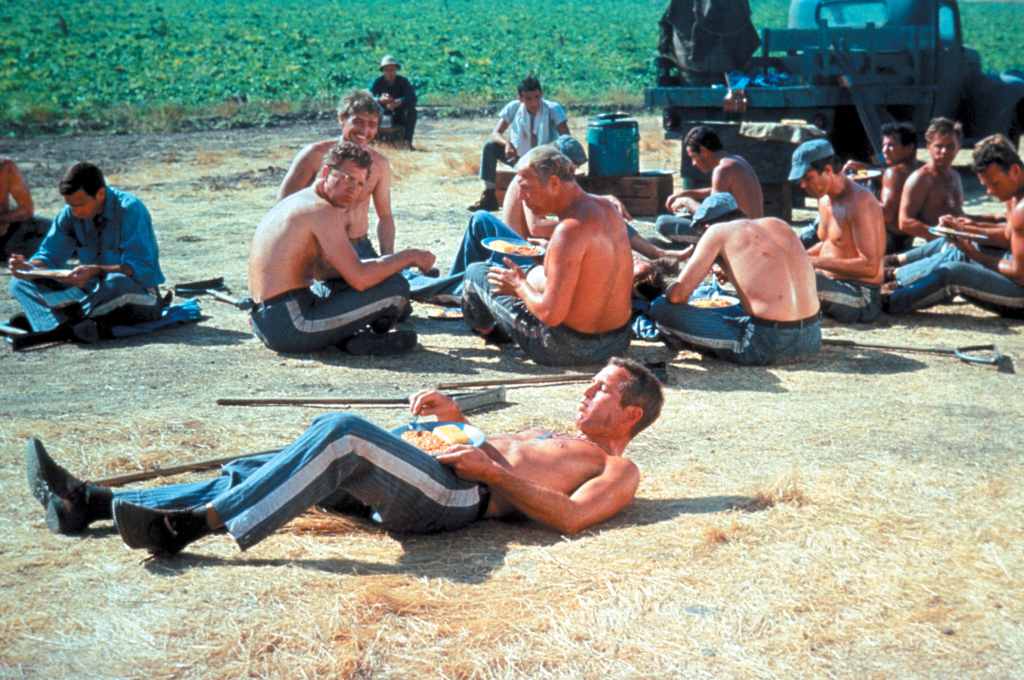
Wayne Rogers joins Paul Newman, Dennis Hopper and George Kennedy in Cool Hand Luke, one of his most notable early film appearances.
1970
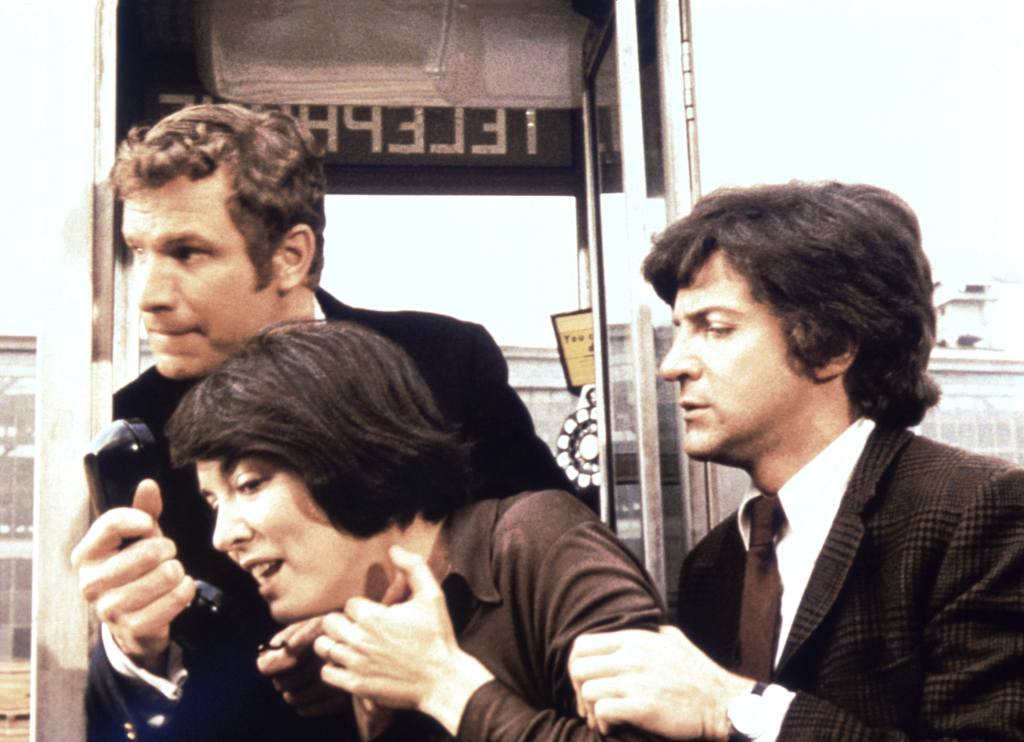
From left: Wayne Rogers, Zohra Lampert and Robert Drivas in “Deadfall,” an episode of The F.B.I., showcasing his continued presence on television leading into the 1970s.
McLean Stevenson (1972-1975)

Before he became the affable, slightly exasperated Lt. Colonel Henry Blake on M*A*S*H, McLean Stevenson had already carved out a niche for himself in television comedy. Unlike some of his co-stars who came up through dramatic roles or the theater, Stevenson’s background was rooted in performance, particularly improvisational comedy, including work with Chicago’s Second City. His early career reflected a deep understanding of comedic timing, something he honed through sketch and variety television during the late 1960s.
By the time the 1970s arrived, Stevenson had become a familiar face on TV, appearing on series like The Doris Day Show, The Flip Wilson Show and The Tim Conway Comedy Hour. These appearances showcased his easygoing, everyman humor and his ability to play both authority figures and lovable underdogs—often at the same time. It was a balance that would define Henry Blake.
1969
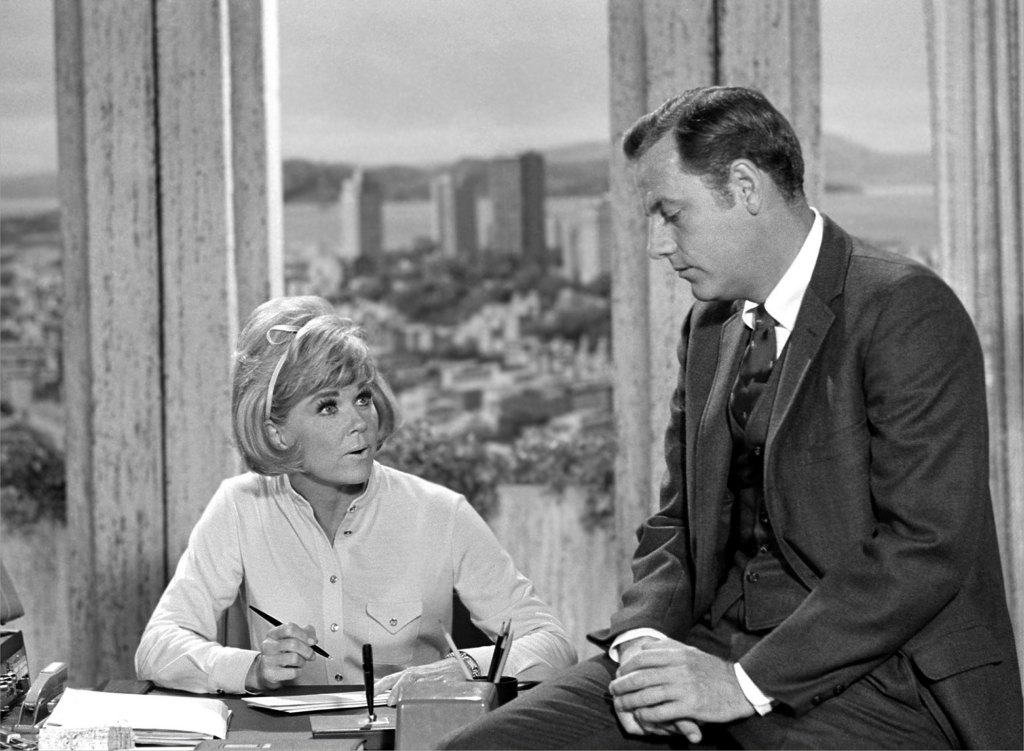
From left: Doris Day and McLean Stevenson in The Doris Day Show, one of his early television appearances.
1970
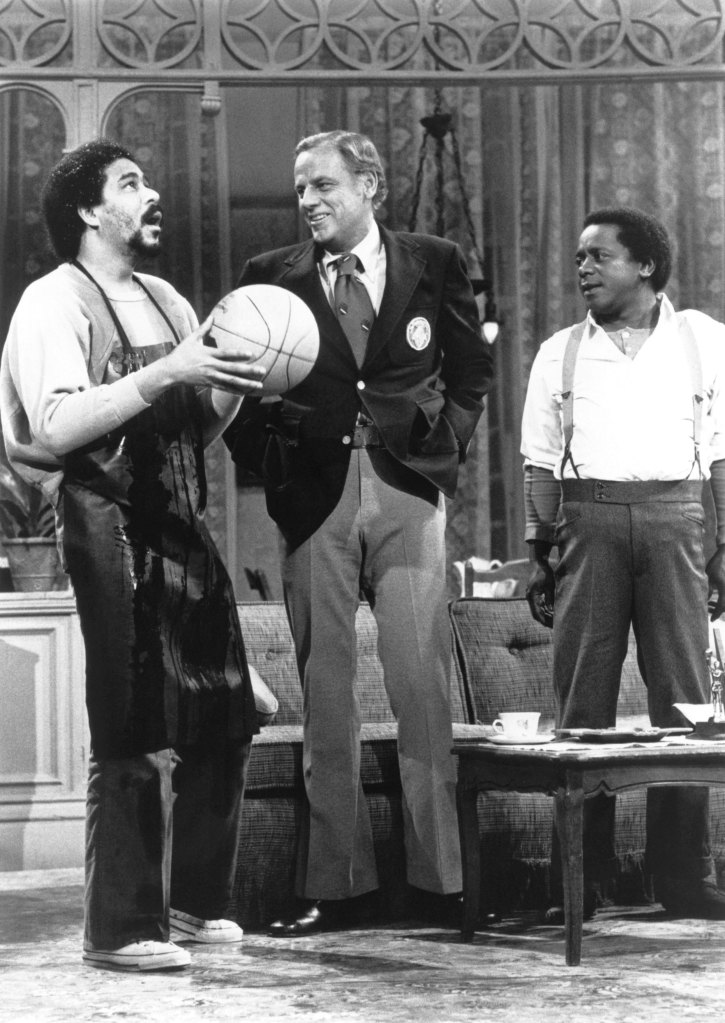
From left: Richard Pryor, McLean Stevenson and Flip Wilson on The Flip Wilson Show, highlighting his work in sketch and variety comedy.
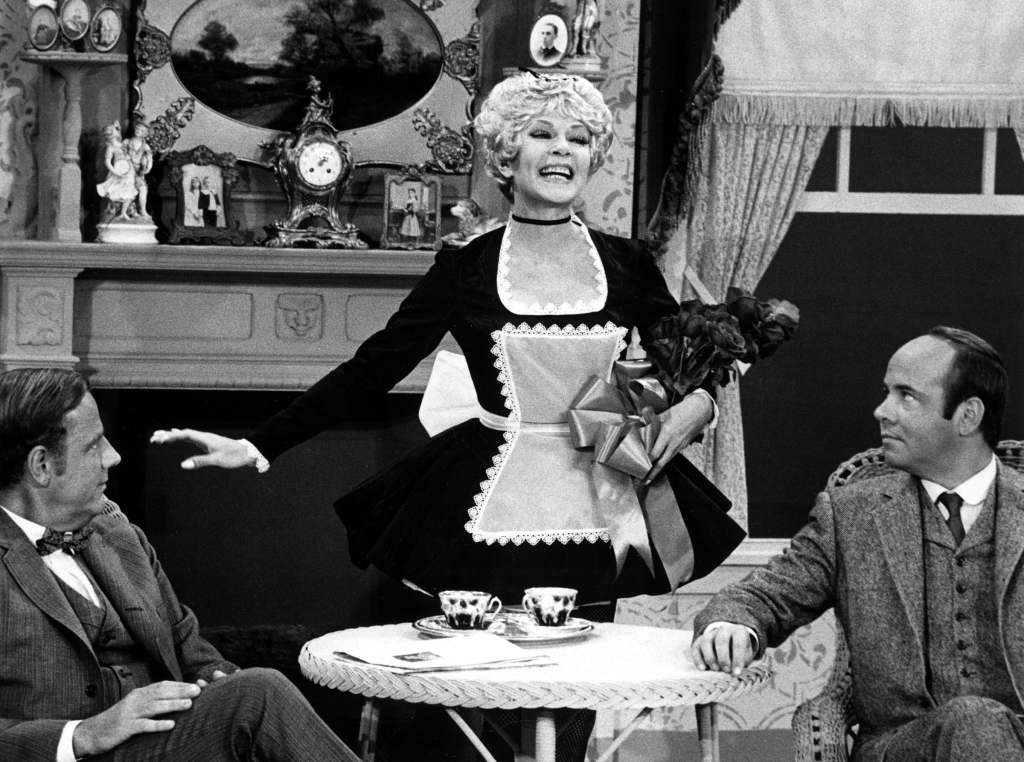
McLean Stevenson appears with Lana Turner and Tim Conway on The Tim Conway Comedy Hour, further establishing his presence in the genre that would ultimately represent so much of his career.
1971

McLean Stevenson is photographed at home in 1971, just before M*A*S*H would bring him widespread recognition.
Larry Linville (1972-1977)

Jamie Farr (1972-1983)
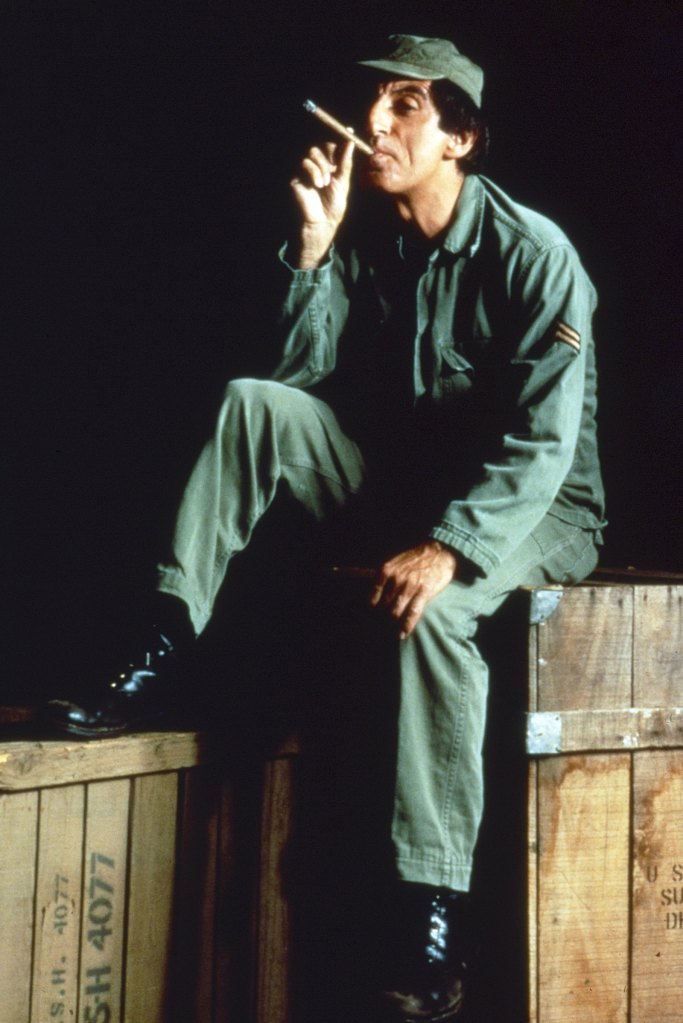
A Toledo native with a natural gift for comedy, Jamie Farr got an early break in the film Blackboard Jungle, but like many young actors of the 1950s, he found himself navigating the unpredictable realities of Hollywood. His career included a mix of film roles, military service and a long stretch of guest appearances on television, where he steadily honed his comedic instincts.
Throughout the 1960s, Farr became a familiar face across a wide range of TV series, often playing colorful, offbeat characters that leaned into his unique personality and timing. By the time M*A*S*H came along, Farr had developed a comedic style that was both distinctive and grounded—making what could have been a one-note role into something far more memorable.
1955
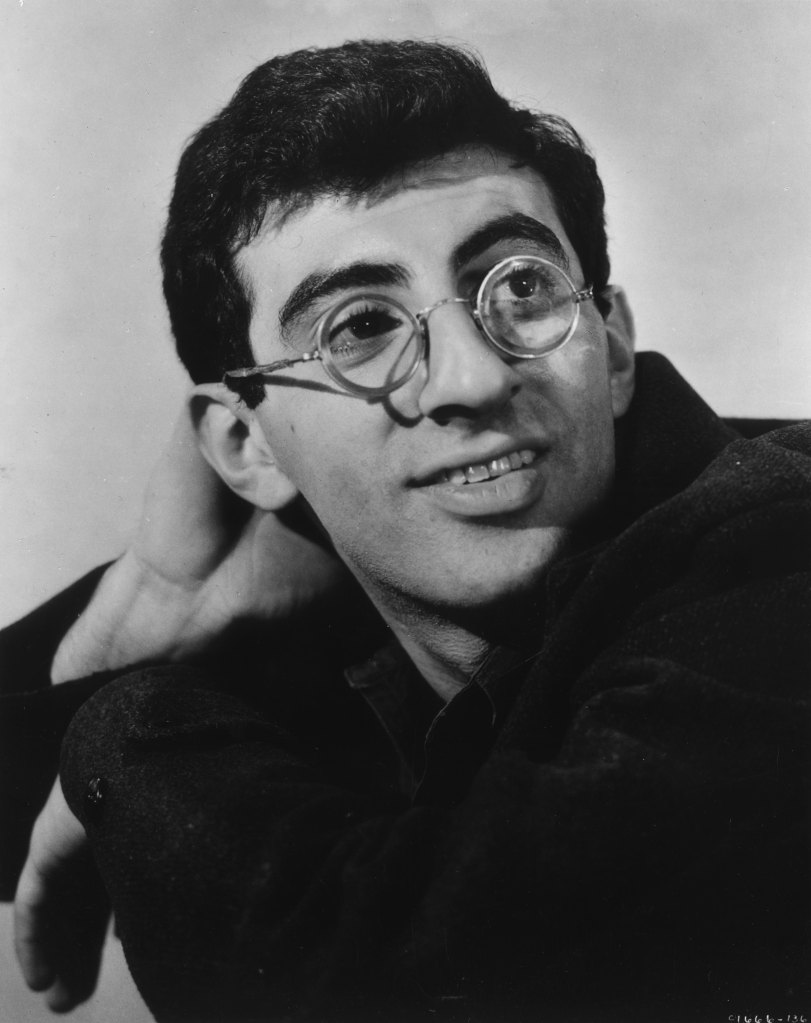
A young Jamie Farr appears in a promotional headshot for Blackboard Jungle, his film debut and an early step into Hollywood under director Richard Brooks.
1967
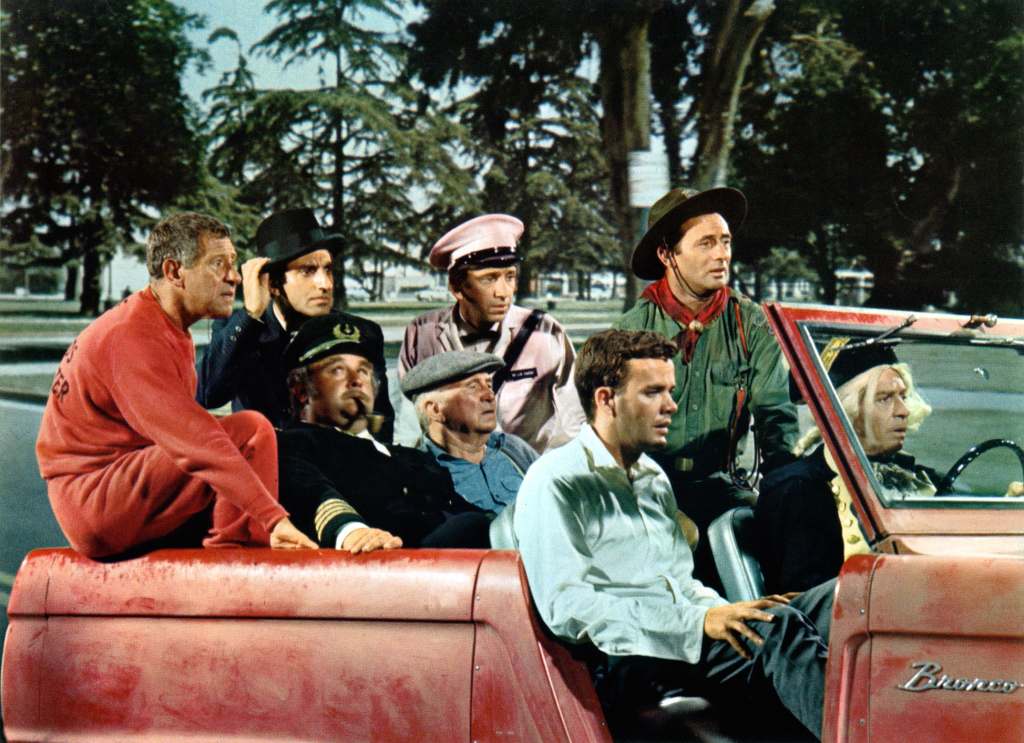
Milton Berle, Jamie Farr, Victor Buono, Jack Gilford and Jim Hutton share a moment in a lobby card from Who’s Minding the Mint?, placing Farr among a seasoned ensemble of comedy veterans.
1968
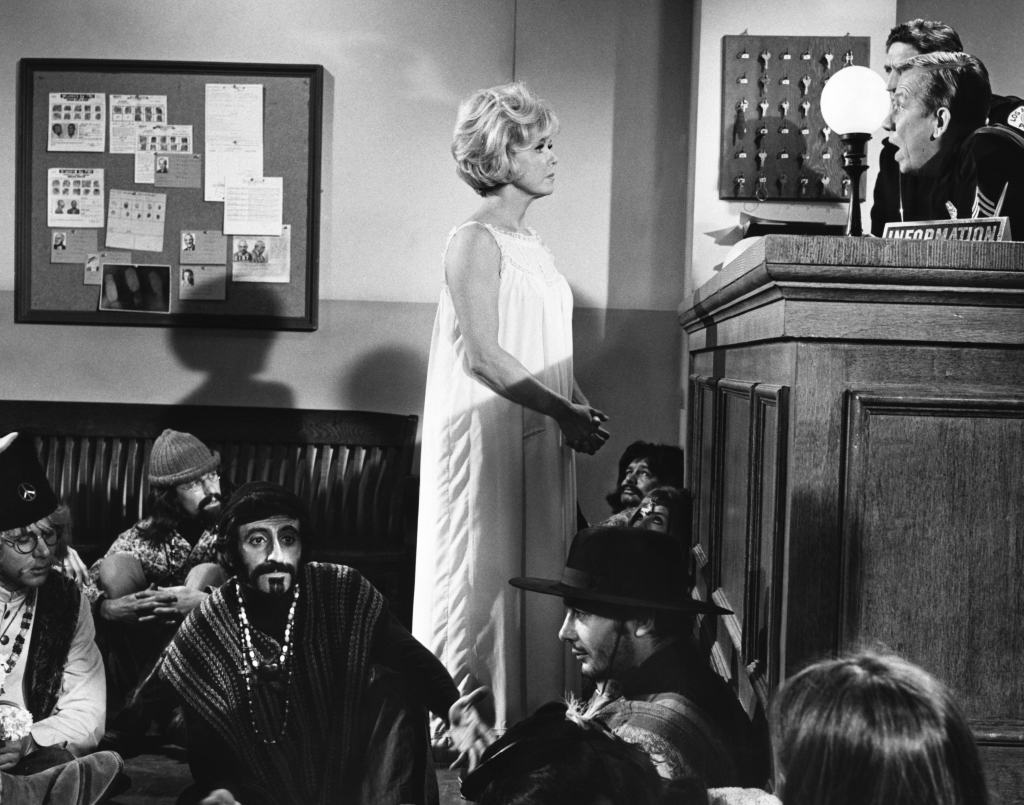

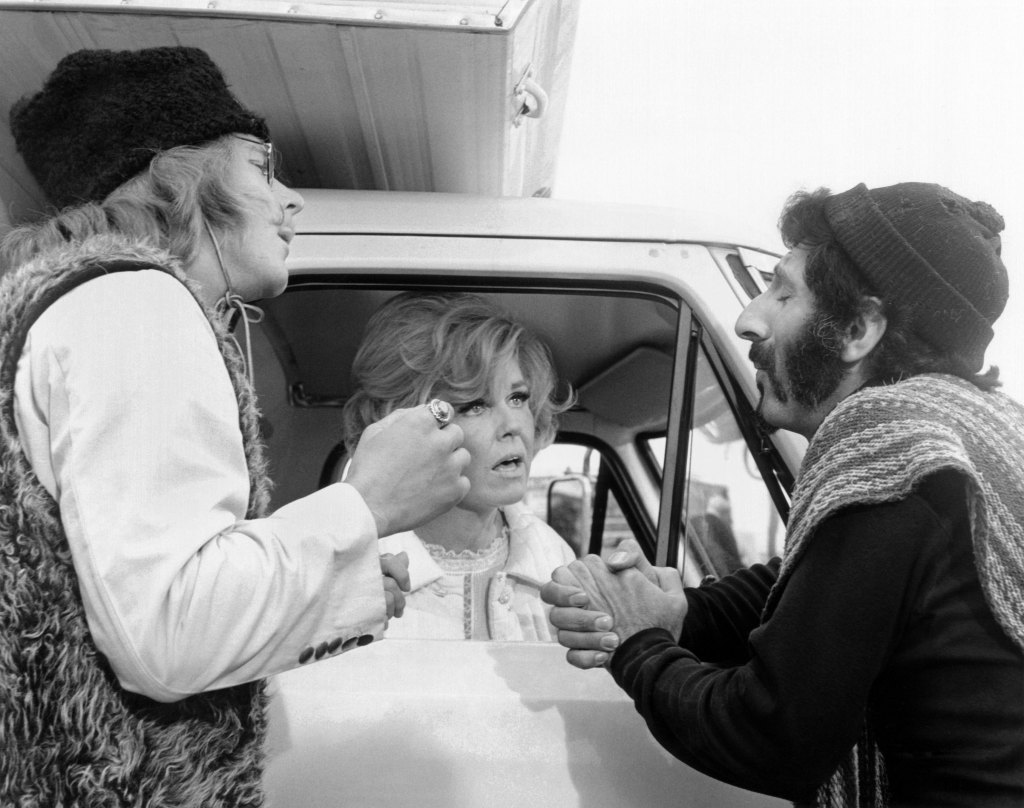
From left: Doris Day and Allan Melvin, with William Christopher and Jamie Farr seated among the hippies, in With Six You Get Eggroll—a film that would later connect two future M*A*S*H co-stars.
1971
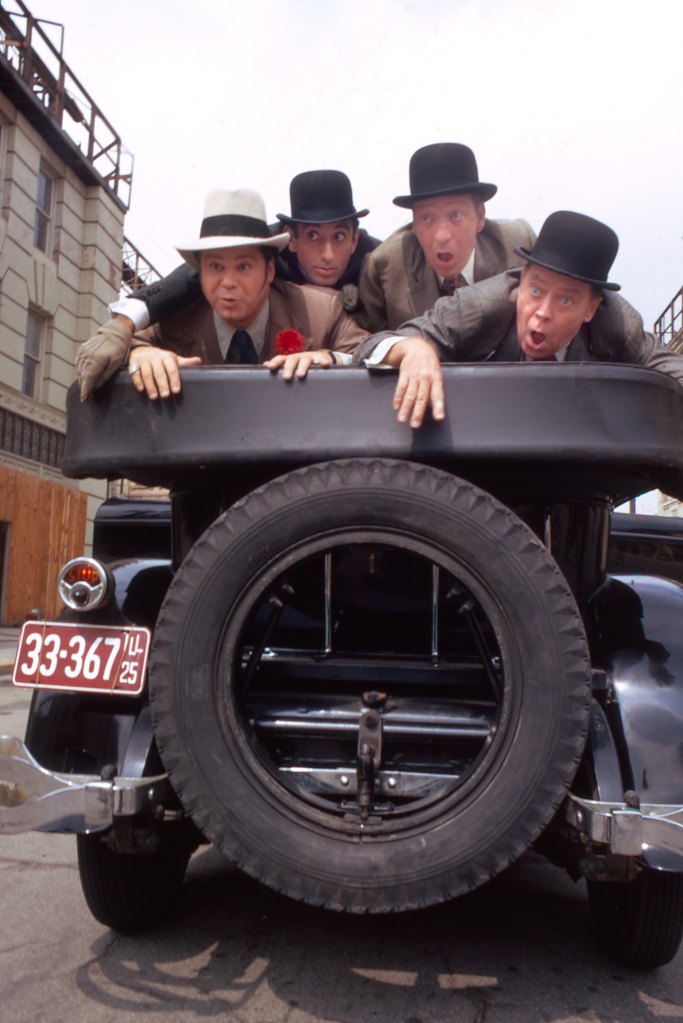
Art Metrano stars in The Chicago Teddy Bears, a short-lived crime-comedy series from producer Aaron Spelling that featured Jamie Farr as part of its ensemble cast.
William Christopher (1972-1983)







Conversation
All comments are subject to our Community Guidelines. Woman's World does not endorse the opinions and views shared by our readers in our comment sections. Our comments section is a place where readers can engage in healthy, productive, lively, and respectful discussions. Offensive language, hate speech, personal attacks, and/or defamatory statements are not permitted. Advertising or spam is also prohibited.