Frank Sinatra’s Comeback, Audrey Hepburn’s 1st Oscar and More Memories From the 1954 Academy Awards
The 1954 Academy Awards was full of unforgettable moments, from Frank Sinatra's big comeback to Audrey Hepburns first win

The Oscars we watch today bear almost no resemblance to what happened on one wild night back in March 1954. The 26th Academy Awards unfolded across two coasts, reached audiences partly through radio and delivered the kind of surprises that still make for wonderful stories 72 years later.
From a career-saving win to a very brief acceptance speech, here’s a look back at one of the most memorable Oscar nights ever.
Frank Sinatra’s remarkable second act
Fred Zinnemann’s From Here to Eternity dominated the ceremony, winning eight awards from its 13 nominations. It was the third film to ever receive five acting nominations.
The most dramatic story line of the evening belonged to Frank Sinatra. He’d been in the middle of a serious career slump and had suffered a vocal cord hemorrhage and nodules. Then he won Best Actor in a Supporting Role for his turn as Private Angelo Maggio in From Here to Eternity—a win that became one of the most celebrated comeback stories in entertainment history.
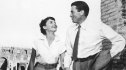
“Ladies and gentlemen, I’m deeply thrilled and very moved, and I really, really don’t know what to say because this is a whole new kind of thing,” he said in his acceptance speech. “You know, I’ve … song-and-dance-man type stuff. And I’m terribly pleased, and if I start thanking everybody then I’ll do a one-reeler up here so I better not. And I’d just like to say, however, that they’re doing a lot of songs here tonight but nobody asked me … [unintelligible]. But I love you, though. Thank you very much. I’m absolutely thrilled. Thank you.”
Audrey Hepburn’s star-making moment
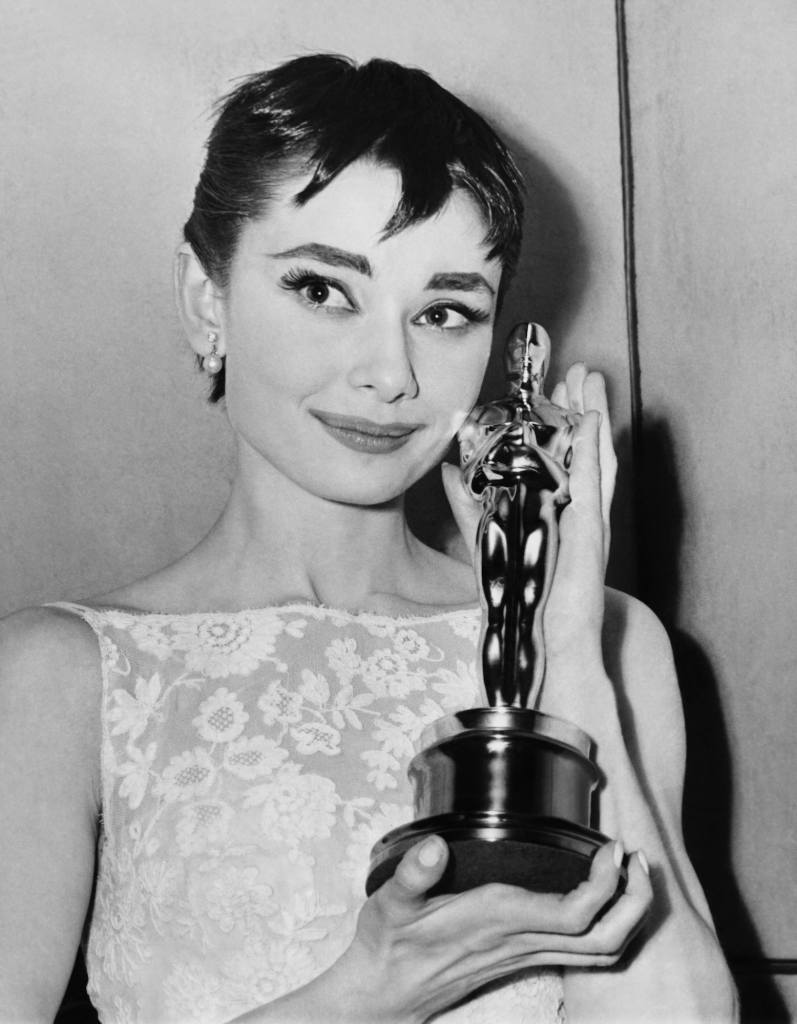
Audrey Hepburn received her very first Oscar nomination and took home the Best Actress award for Roman Holiday, her first major film role.
“It’s too much. I want to say thank you to everybody who in these past months and years have helped, guided and given me so much. I’m truly, truly grateful and terribly happy,” she said while accepting the trophy.
Hepburn went on to earn four more nominations in the years that followed before being presented with the Jean Hersholt Humanitarian Award in 1993.
Gary Cooper surprised audiences from Mexico

Before the Oscars settled into their familiar single-venue format, the 26th ceremony took place simultaneously at the RKO Pantages Theatre in Hollywood and the NBC Center Theatre in New York City. Donald O’Connor hosted from the West Coast while Fredric March held things down in New York, with presenters handing off the broadcast coast to coast throughout the evening.
This was only the second year the Oscars had aired on television at all (the 25th Academy Awards were the first). Even with TV growing in popularity, many people still followed the ceremony on the radio.
One of the night’s most creative moments came during the Best Actress presentation. Gary Cooper was filming Garden of Evil in Mexico and couldn’t attend, so he pre-recorded his portion of the presentation—a genuinely novel move for the era. The winner was still announced in real time, with O’Connor stepping in to reveal the result live. That blend of pre-recorded and live segments was early Hollywood problem-solving at its finest.
William Holden kept it short and sweet
When William Holden won Best Actor for Stalag 17, he walked to the microphone and said: “Thank you. Thank you.” That was the whole speech. No tears, no lengthy lists of names. Four words, and he was done.
Conversation
All comments are subject to our Community Guidelines. Woman's World does not endorse the opinions and views shared by our readers in our comment sections. Our comments section is a place where readers can engage in healthy, productive, lively, and respectful discussions. Offensive language, hate speech, personal attacks, and/or defamatory statements are not permitted. Advertising or spam is also prohibited.