How a Collection of Over 10,000 Vintage Movie Posters Shines a Light on Lost Films and Overlooked Women (Exclusive)
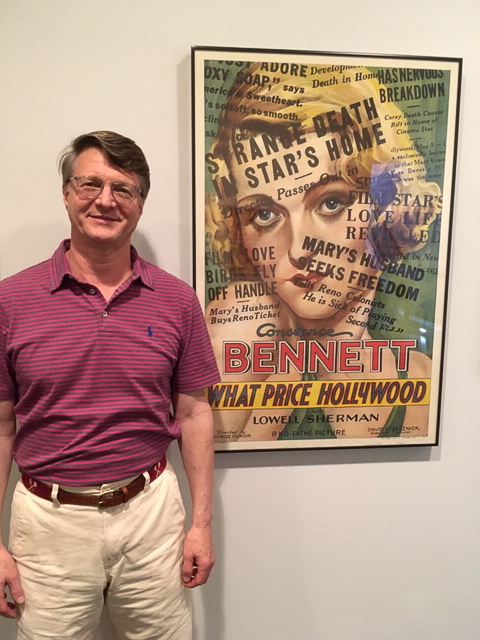
Dwight Cleveland sees old movie posters as 'American cultural treasures'—and he's collected thousands of them since 1977

Movie posters aren’t just advertisements—they’re an art form, and no one knows this better than Dwight Cleveland, owner of the world’s largest vintage movie poster collection and author of Cinema On Paper: The Graphic Genius of Movie Posters. Cleveland started his incredible collection five decades ago, and while he’s recently sold off many of his holdings and donated items to museums, his archive still numbers in the thousands, with a special focus on silent films that are now lost.
In a world of streaming, decreasing theatrical viewership and big-money studio mergers, Cleveland’s collection offers a tactile, aesthetically captivating reminder of Hollywood’s rich history, and the collector is on a mission to make sure that this history is never forgotten. Cleveland spoke to Woman’s World about how he developed his collection, the evolution of movie posters and the surprising roles women played behind the scenes a century ago.

Woman’s World: How did you start collecting movie posters?
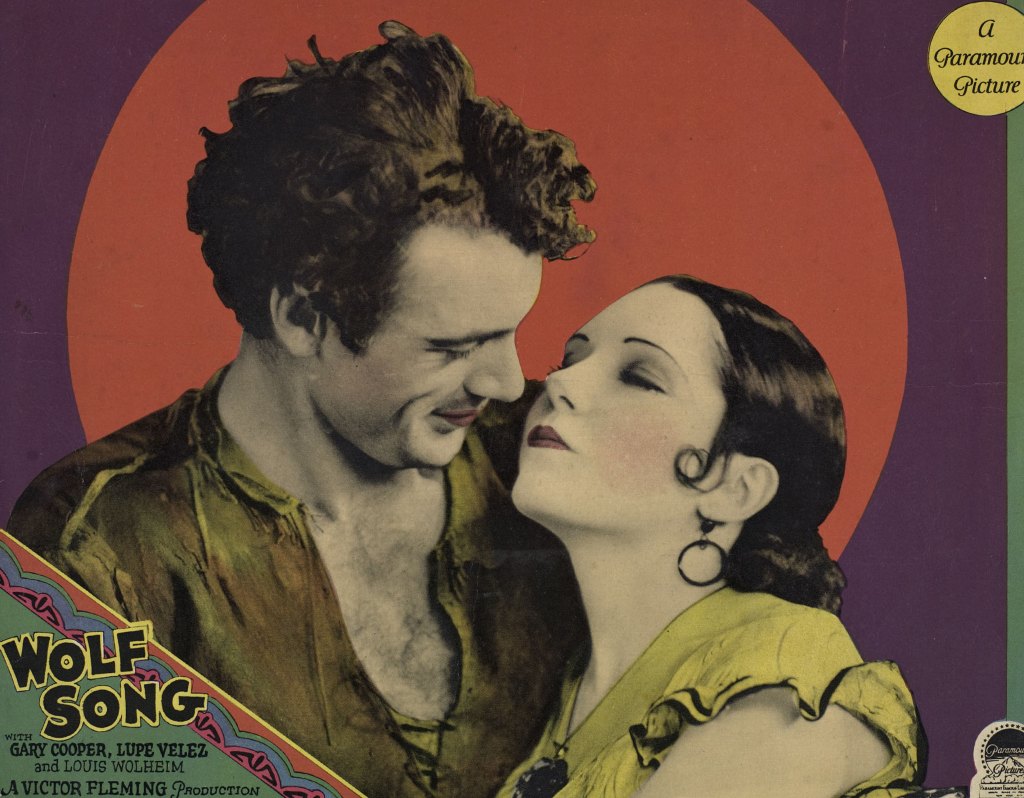
Dwight Cleveland: I started in 1977, when I was a senior in high school. My art teacher was a collector, and I’d seen his pieces but didn’t pay much attention to them. One day he came back from a buying trip and he had a poster from a 1929 film called Wolf Song, starring Gary Cooper and Lupe Vélez, and it was love at first sight. I had to own this thing. I loved the color saturation, the Art Deco design and the romantic embrace between the stars. I then went on this quest to find something that my teacher wanted more than that poster, because there was really no buying and selling then. It was mainly trading that went on, so if I wanted the poster, I had to find something that he liked more than that piece.
Fortuitously, I took a gap year after high school, where I lived in Los Angeles, and at the time, that was one of the meccas of movie poster shops. When I was there, I had his want list and went into a bunch of these shops looking for all the posters he wanted. I was this 17-year-old kid with the list of a very advanced 50-year-old collector. My teacher was one of the big collectors at the time, and people were looking at me like, “Who is this kid?” It took me about 18 months, but I finally found some things and went back and we made a trade. In the process of looking for things in his list, I fell in love with other stuff. I loved the bartering and the hunt. I really fell into it, and it’s been my passion ever since.
I’ve still never seen another one of those Wolf Song posters. My wife always asks me what would’ve happened if I had never seen that Wolf Song poster in high school and I really don’t know!
WW: How do you go about finding posters to add to your collection?
DC: I’m not the collector that goes to Sotheby’s and Christie’s and outbids everybody. I’ve outbid people on certain things, but I don’t have the deepest checkbook, so that’s forced me to go out and hunt stuff down. I’ll go to the flea market at 6:30 a.m. and knock on the doors of closed movie theaters and do all sorts of research on people.
I used to be a complete control freak about the quality of posters in my collection, but I recently bought a group of lobby cards [smaller posters displayed in theater lobbies] that looked like a tractor ran over them, backed up and ran over them again, and I even bought an art deco poster that had been used to wrap something up and was all scrunched. I loved these things so much, I had to buy them, and I had them fully restored. I wouldn’t have touched these things in the past, but now I recognize that they can be worth adding to the collection.
WW: How have movie posters evolved over the years?
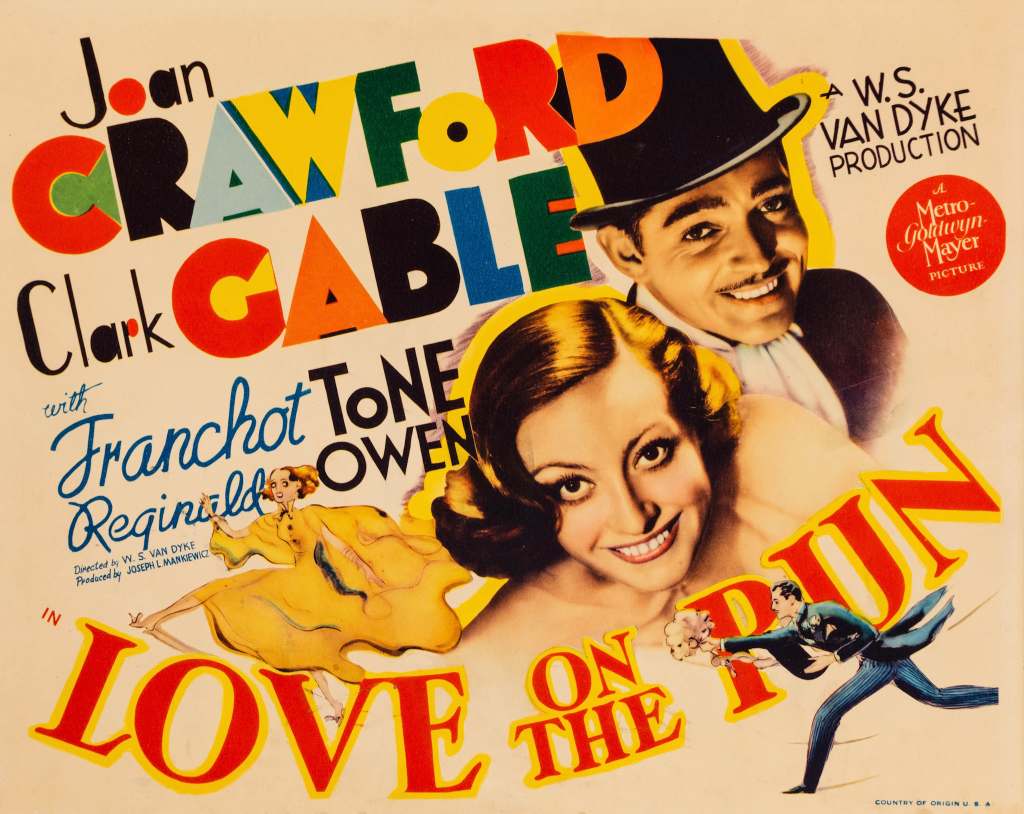
DC: Back in the silent era through the ’30s, the entire advertising budget went into posters, so everything went towards creating these beautiful stone lithographs. The technology for creating posters went back to Jules Chéret in France—he was the father of poster design, and then came Toulouse-Lautrec and artists like that. In the ’20s and ’30s, the Hollywood studios had art departments which were heavily populated with talented people, and they created all these great posters.
In the ’40s, everything changed when there was a huge lawsuit. The film studios were vertically integrated. They produced the films and had contracts where they owned all the stars. The studios also owned all their movie theaters, and the U.S. government sued the studios over antitrust, which put a financial burden on them, because they had to sell their theater chains and had all these litigation costs. On top of that, TV was starting to get people’s attention. This whole situation mirrors our current cultural conversation with streaming and the studios. The quality of posters started going down around that time, once photography got to a point where they could create large photographic images on posters. In my opinion, it’s really unusual for there to be a poster that’s extraordinary after around 1945.
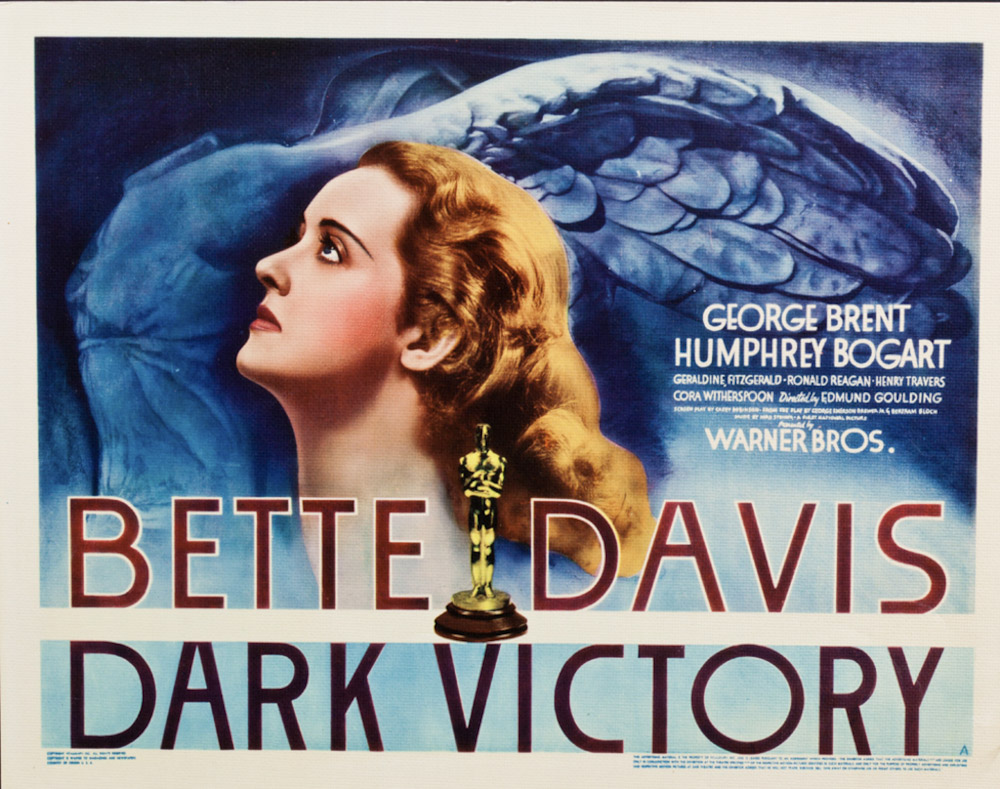
WW: Many of your most prized posters are from silent films. What have you learned from collecting pieces from this era?
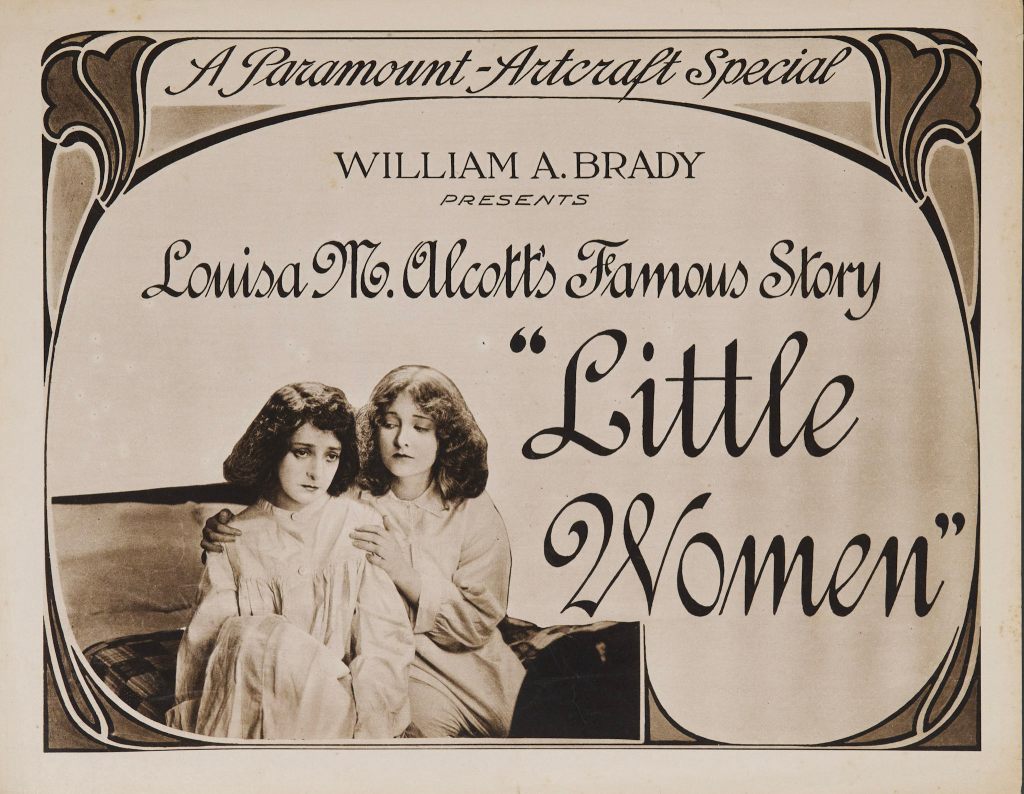
DC: I own 10,000 lobby cards from this era, and 75% of them involve women in a screenwriting capacity. Women worked in continuity, adaptation, titles and screenwriting, and those roles are so important because having a good story makes such a big difference. At the time, these women were not recognized at all. My sense is that early on, it didn’t really matter whether you were a man or a woman, so long as you could get the job done.
I’ve documented over 1,000 women who played a role behind the camera—like Dorothy Arzner, who was the first woman to direct a talking picture. She also invented the boom mic. Her dad was a fisherman, and when sound came in, she had the idea to put a microphone on the end of a fishing rod. I found out that Marion Morgan did all the choreography for her films, and it turned out that they were romantic partners. There were also many female screenwriters in that era, including Anita Loos, Jeanie MacPherson and Frances Marion. It’s really remarkable what a lot of women did in early Hollywood.
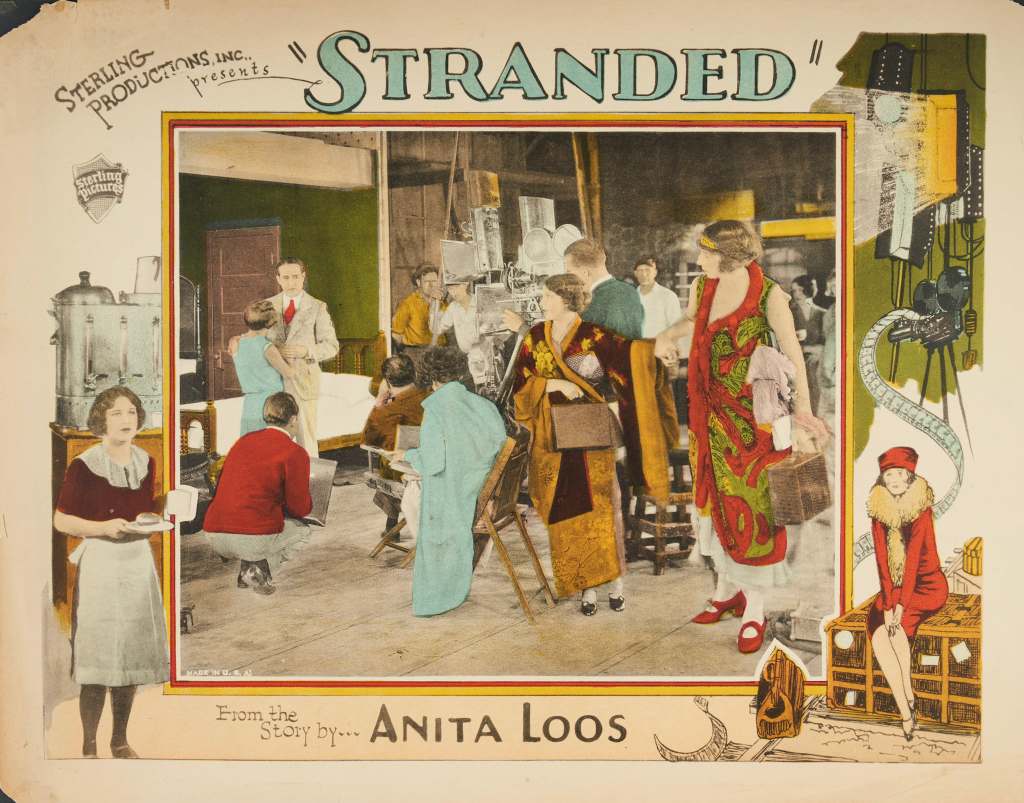

The movie business back in the early days was like the Wild West. In 1929, the advent of sound brought in Wall Street money, which meant having a bunch of older male executives in charge, and they weren’t going to be investing in women. They wanted to see the things that they were accustomed to. At that point, some women had already been working for 20 years and started transitioning out of the industry. It was similar to how there were movie stars who never made the transition from silent pictures to talking pictures. The business was changing, and suddenly, there were a lot of bossy men telling the women what to do. That’s when they started to drop off, and they got lost to history.
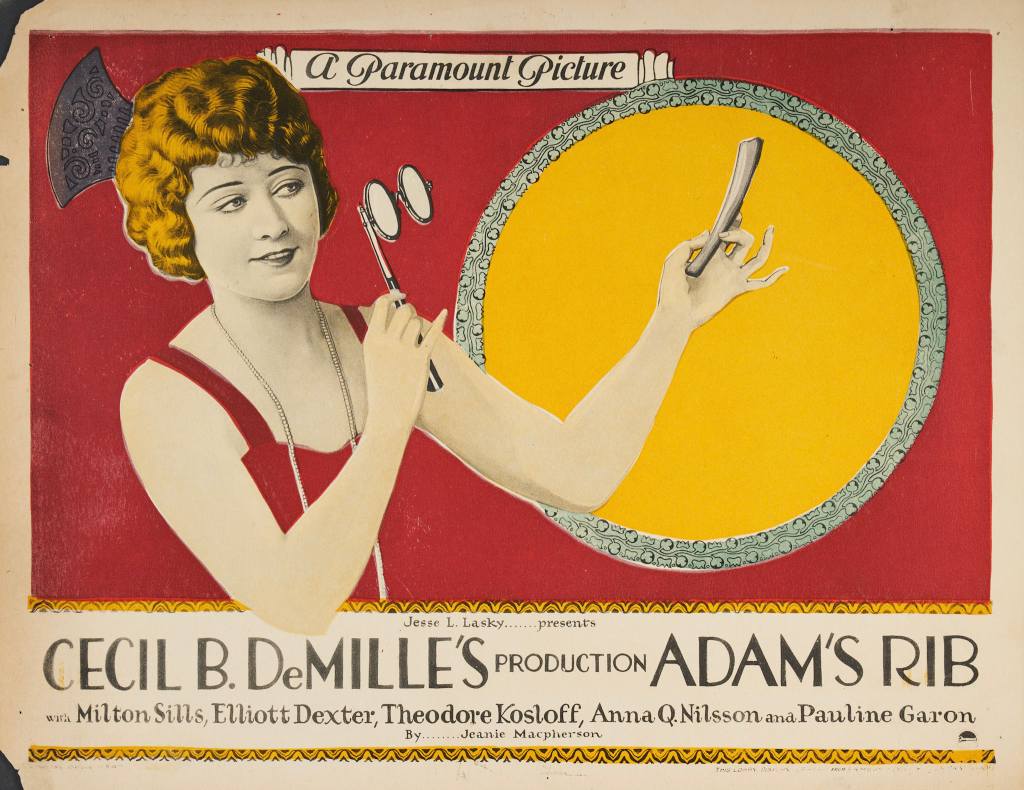
WW: What is the significance of having so many posters for lost films in your collection?
DC: Around 85% of silent films are lost, and that’s because they were made on nitrate film stock, which is highly flammable. The film was self-combusting—it could be sitting on a desk and be exposed to a little ray of sunlight and explode. A lot of the warehouses for the studios back in the early days of film burned down. I’ve actually seen someone demonstrate how even if you put nitrate film in a bucket of water, it still burns—that’s how volatile it is.
The images of film scenes in these lobby card sets are the only physical evidence of what the films were about. There’s no other tangible evidence that these films ever existed. I feel really privileged to have this material—these are things that aren’t even at the Library of Congress or the Academy of Motion Picture Arts and Sciences—and I try to be as responsible as possible with it. I’ve archived it and done everything that a library would do.
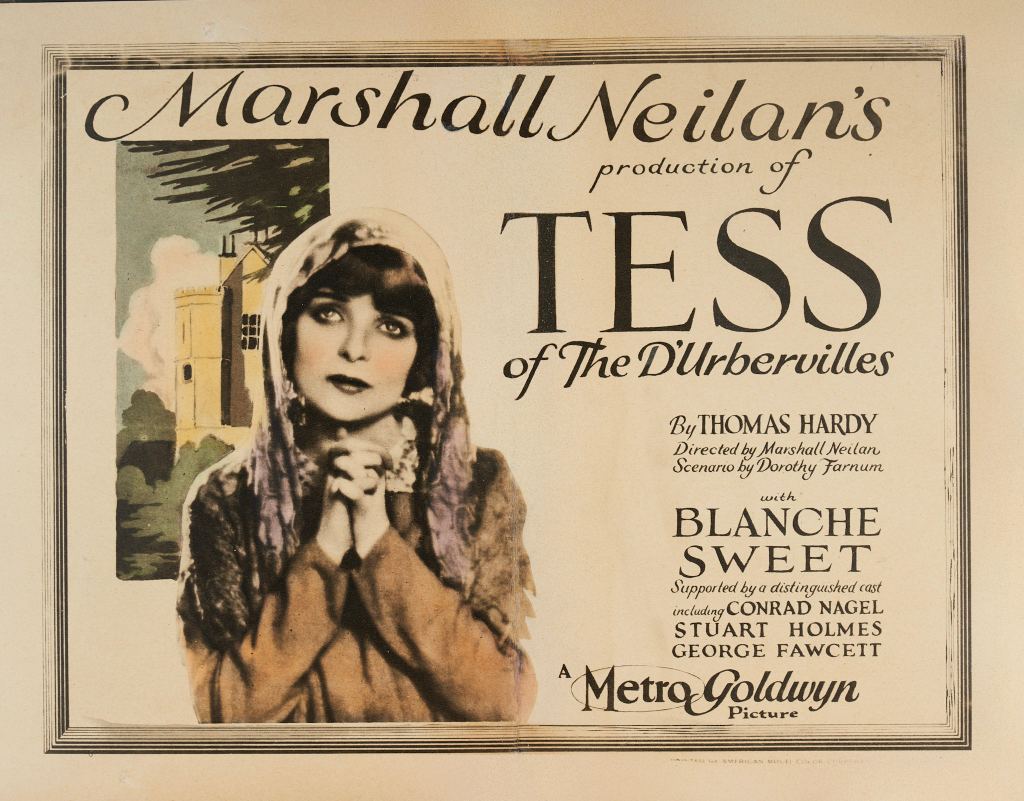
WW: How do you feel that your poster collection speaks to the current moment in Hollywood?
DC: I wish that Hollywood had a higher respect for its history. There needs to be a wider embrace of the women who were such trailblazers early on. It’s a real conundrum, because there’s been so much change without looking back. The film industry has been one of America’s largest exports since the early days, yet Hollywood can’t see the value of these early films. I believe that these posters are American cultural treasures. The films represented are as important as the Washington and Lincoln Monuments, because they represent how America exported its culture, and they’re part of our heritage.
Conversation
All comments are subject to our Community Guidelines. Woman's World does not endorse the opinions and views shared by our readers in our comment sections. Our comments section is a place where readers can engage in healthy, productive, lively, and respectful discussions. Offensive language, hate speech, personal attacks, and/or defamatory statements are not permitted. Advertising or spam is also prohibited.