‘One of the Greatest Moments in Movie History’: 6 Set Secrets From ‘The Ten Commandments’
From casting details to Spielberg's obsession, the untold story behind a beloved classic

Key Takeaways
- Cecil B. DeMille cast Charlton Heston because he resembled Michelangelo's Moses.
- Steven Spielberg has called the Red Sea scene one of the greatest in movie history. (84 chars
- Charlton Heston voiced God himself to stay as faithful to the Bible as possible.
Every year around Easter and Passover, millions of viewers gather in their living rooms to watch the 1956 epic The Ten Commandments. Beginning in the 1970s, it became a cherished tradition to see Charlton Heston’s Moses discover his Hebrew identity and lead the Israelites out of Egypt and across the Red Sea. Along the way, moments of divine revelation shape their faith, laws and sense of purpose, underscoring themes of freedom and moral responsibility. Here, we look behind the scenes and share fascinating facts about the enduring classic.

1. Charlton Heston got the role for one specific reason
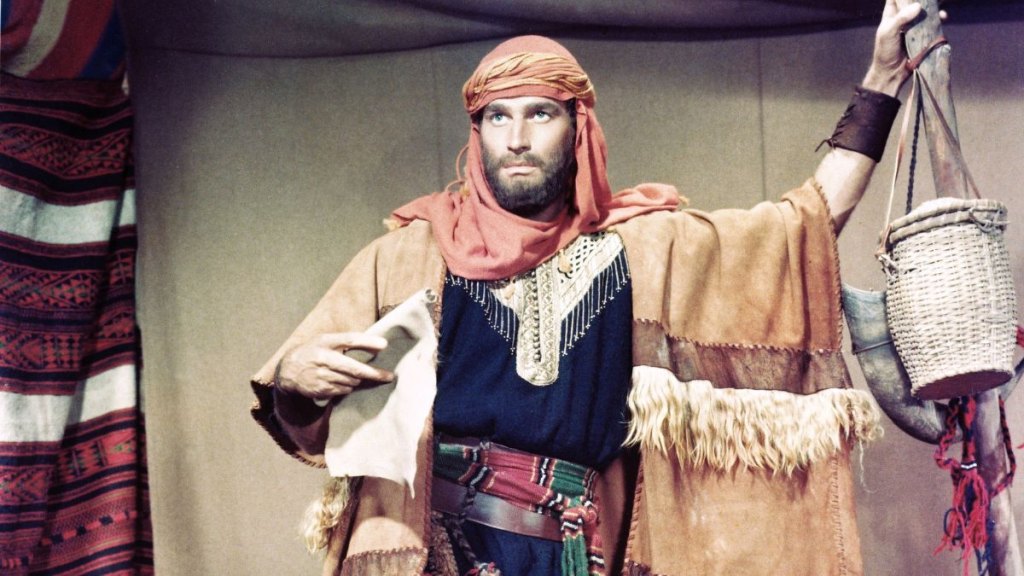
When it came time to cast the lead, many popular actors of the time were interested. After a series of meetings and auditions, producer and director Cecil B. DeMille went with Heston because he looked like Michelangelo’s 7’9″ statue of Moses in Rome. Appropriately, after The Ten Commandments wrapped, Heston went on to play Michelangelo in the 1965 film The Agony and the Ecstasy.
2. Moses was supposed to have a stutter
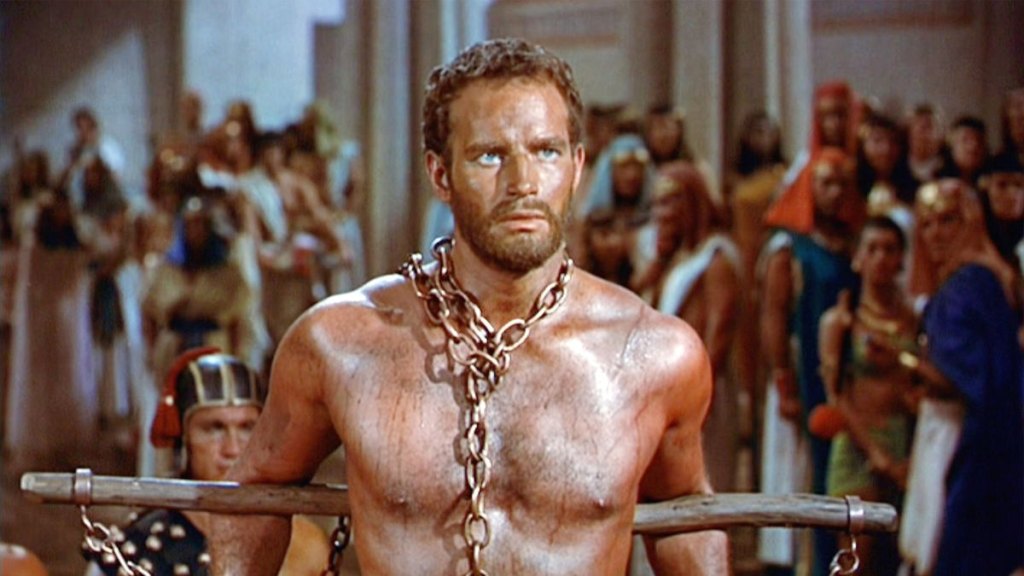
In the Book of Exodus, Moses is described as having a speech impediment and relying on his brother Aaron to speak for him. The film takes a different approach: Heston’s Moses speaks clearly, though at a noticeably slower pace than other characters. According to production accounts, Heston struggled to make a stutter sound convincing, leading filmmakers to adjust his delivery to what audiences ultimately saw on screen.
3. It’s Steven Spielberg’s favorite film
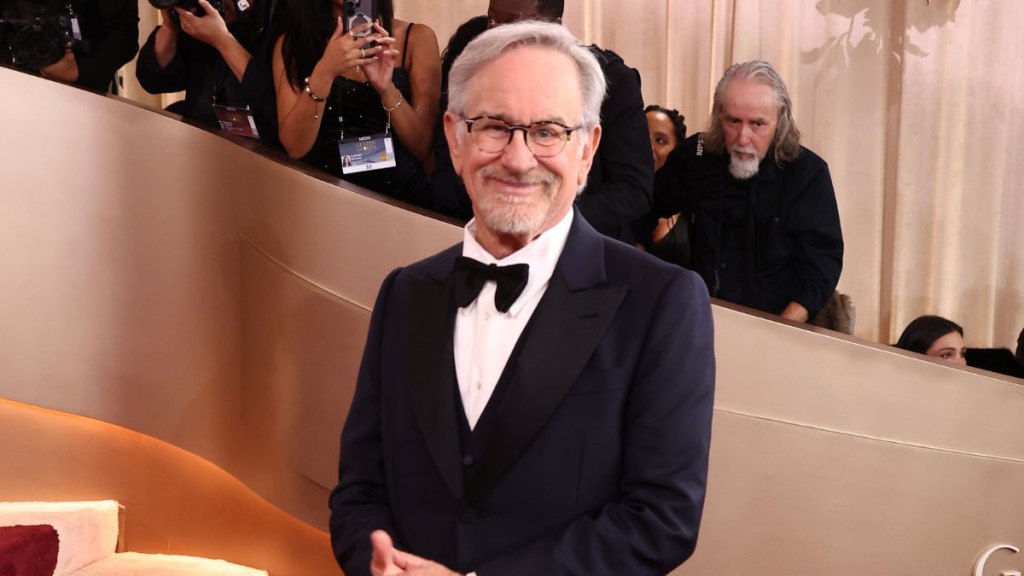
Oscar-winning director Steven Spielberg, renowned for films such as Jaws, Jurassic Park and Schindler’s List, has spoken about his love for The Ten Commandments. According to reports, he has described the parting of the Red Sea sequence as one of the greatest moments in movie history.
4. The actual Ten Commandments are only a small part of the film
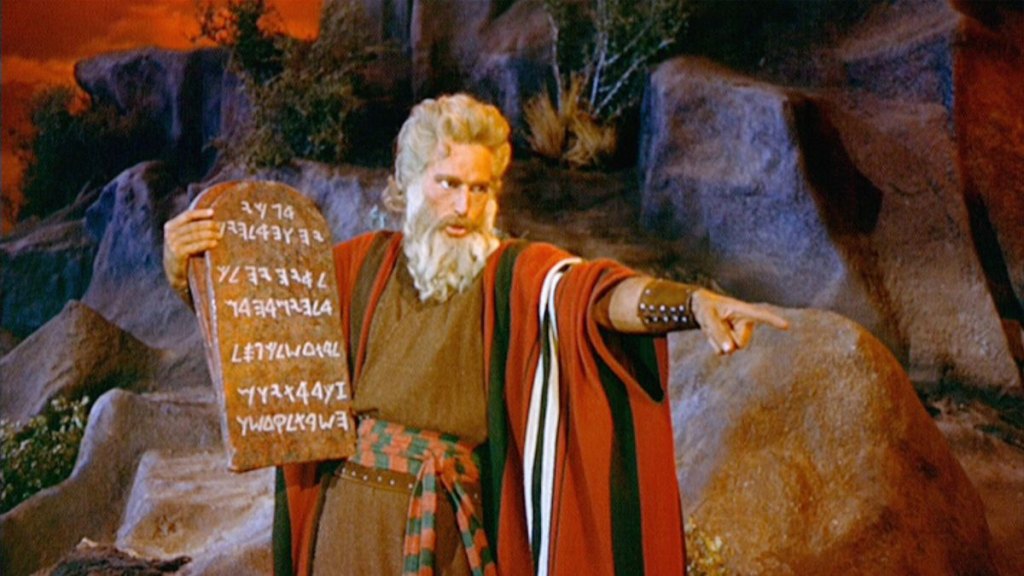
Despite its title, The Ten Commandments does not present the actual Commandments until the film’s final 20 minutes. That pivotal moment comes when Moses reaches Mount Sinai and receives two stone tablets inscribed with God’s laws. Until then, the narrative centers on liberation, faith and leadership. Even today, the Commandments—believed to be divinely given by God—remain foundational to Jewish and Christian tradition and are cornerstones of faith.

5. This is not the first film about the Ten Commandments
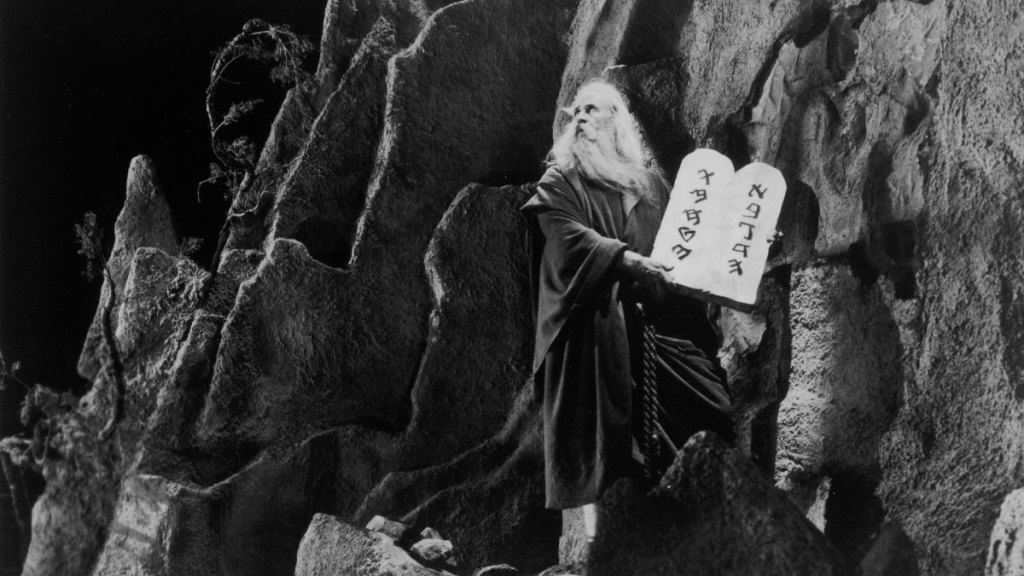
Long before the 1956 The Ten Commandments debuted, Cecil B. DeMille directed and produced a silent version under the same name in 1923. That earlier film starred Theodore Roberts as Moses, was written by Jeanie MacPherson and ran 2 hours and 26 minutes—an unusually long runtime for its era. After its release, DeMille went on to make two other religious epics, The King of Kings (1927) and The Sign of the Cross (1932), both of which performed strongly at the box office.
6. Charlton Heston asked to play God
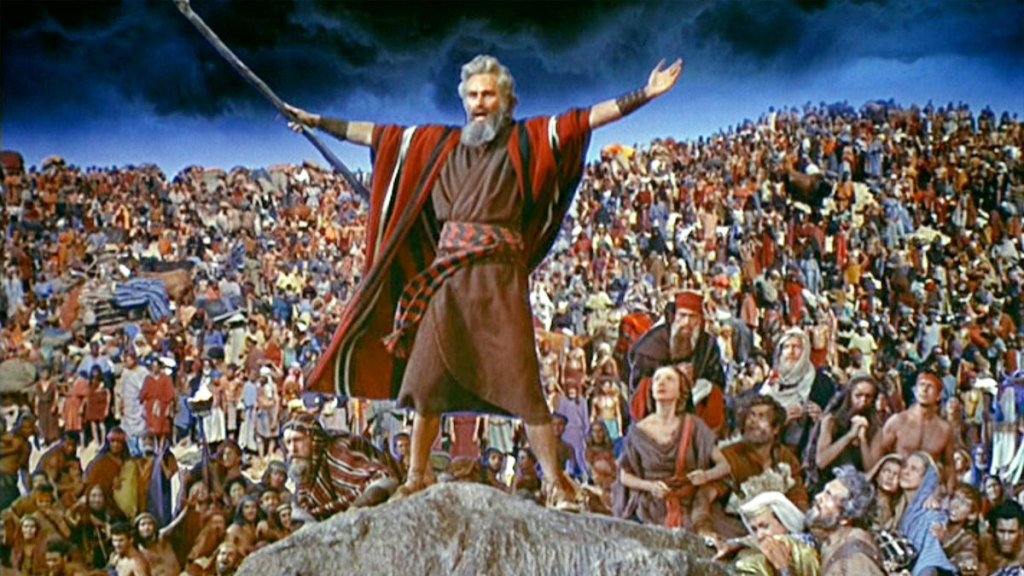

When it came time to find a voice for God, Heston himself volunteered for the role. In the biblical story, Moses hears God’s voice and realizes it sounds like his father Amram. Since Amram never appears in the film, Heston decided to voice God himself to stay as true to the Bible as possible. The decision was widely praised by moviegoers and was something Heston remained deeply proud of until his death in 2008.
This article originally appeared in the March 30, 2026 print issue of Woman’s World.
Ready for more? Subscribe to our YouTube channel for video podcasts, health tips and uplifting stories designed for women 40, 50, 60 and beyond.
Conversation
All comments are subject to our Community Guidelines. Woman's World does not endorse the opinions and views shared by our readers in our comment sections. Our comments section is a place where readers can engage in healthy, productive, lively, and respectful discussions. Offensive language, hate speech, personal attacks, and/or defamatory statements are not permitted. Advertising or spam is also prohibited.