9 Surprising Facts About ‘Love Story’, the Classic 1970 Romance Movie, 55 Years Later
From secret sequels to a Taylor Swift connection, see the wild history behind the iconic blockbuster that still makes us cry

Love Story, a tearjerking romance starring Ali MacGraw and Ryan O’Neal as a charismatic young couple ultimately beset by tragedy, was one of the pop culture sensations that defined the ’70s. The film, which was released on December 16, 1970 and just celebrated its 55th anniversary, is well known for its of-the-moment style, opposites-attract romance and melodramatic tone (as exemplified by its Oscar-winning score and its famous quote, “Love means never having to say you’re sorry”), and it became a blockbuster, earning over $173 million worldwide on a low budget of just around $2 million. 55 years later, Love Story remains among the highest-grossing films of all time.
While many have criticized Love Story’s sentimentality over the years, there’s something comforting in its cheesiness, and there are a number of fascinating facts about the movie and its legacy. In honor of its anniversary, we’re taking a look behind the scenes with fun trivia you may not have known about.

1. ‘Love Story’ has a connection to the Beatles
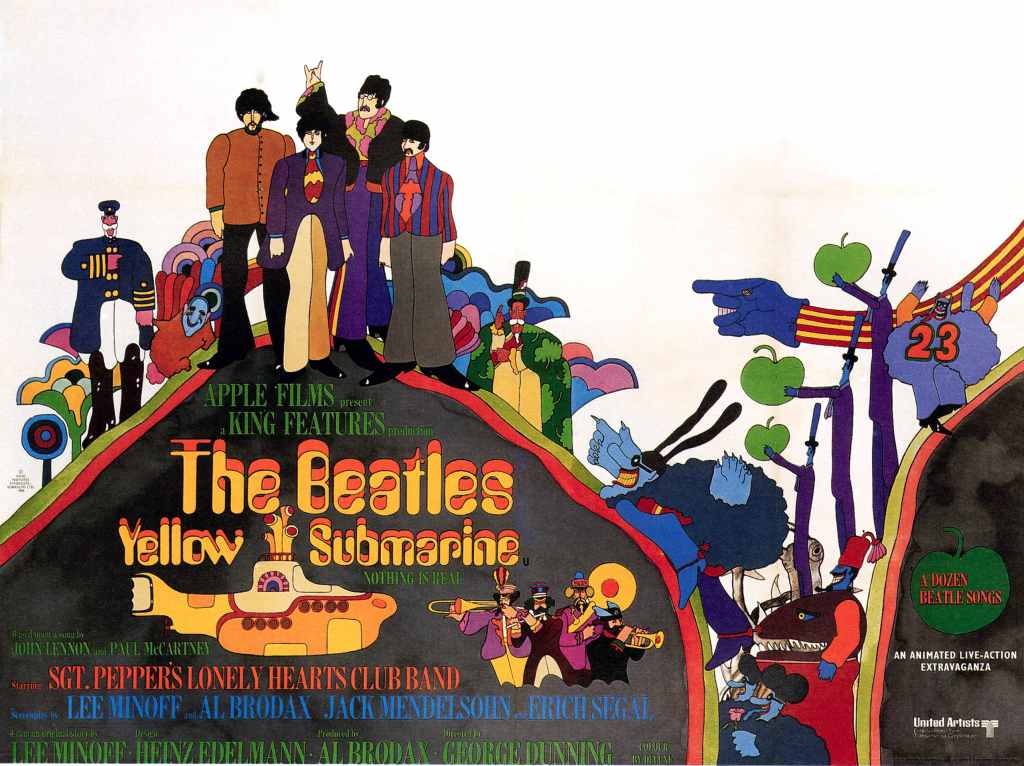
Love Story was adapted from the bestselling 1970 novel of the same name. The book’s author, Erich Segal, had an eclectic career, as he was a scholar of Greek and Roman antiquity and cowrote the 1968 animated Beatles movie Yellow Submarine before bringing his book to the screen.
2. There was a forgotten sequel
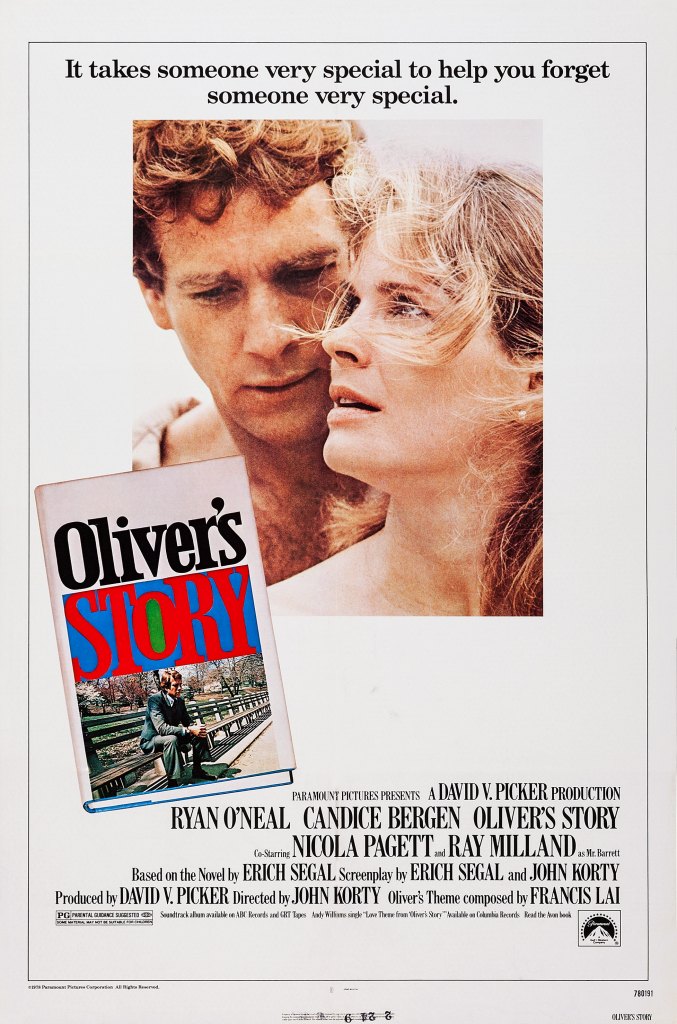
A sequel to Love Story, Oliver’s Story, was released in 1978. Ryan O’Neal reprised his role as Oliver Barrett IV while Candice Bergen played his new love interest. Unlike the original film, Oliver’s Story was a commercial failure and made little cultural impact.
3. Ryan O’Neal wasn’t the first choice to play Oliver
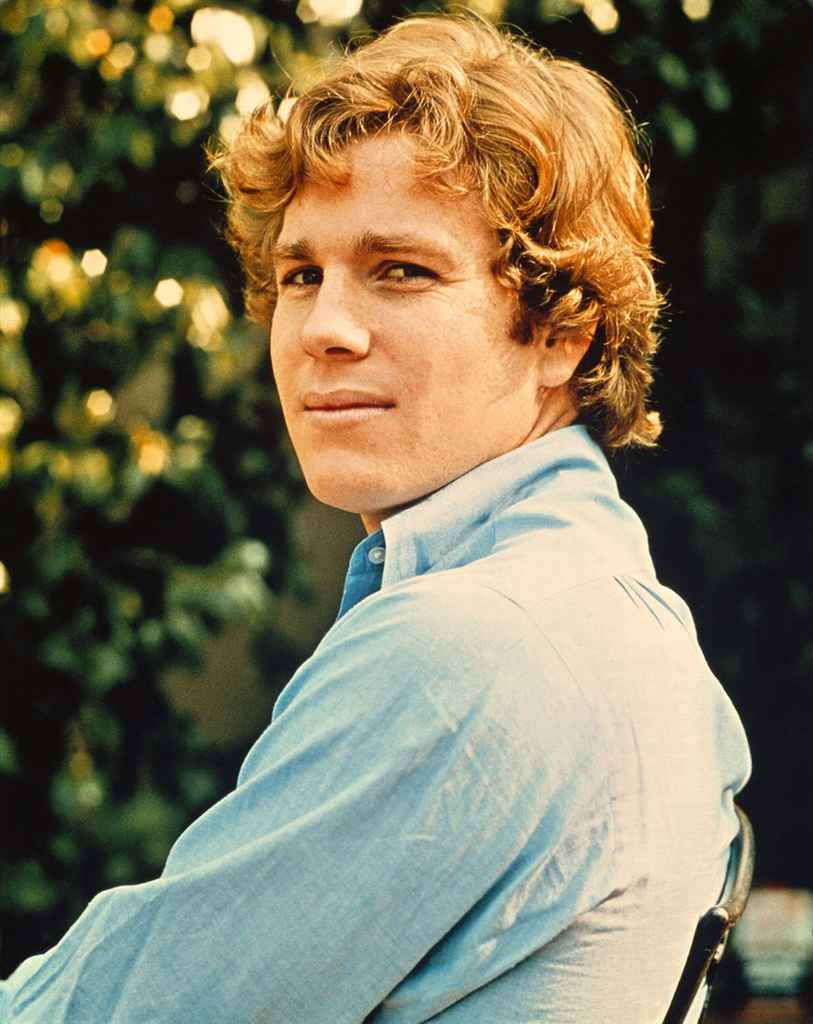
Love Story was intended as a star vehicle for Ali MacGraw, as it was produced by Paramount and her then-husband, Robert Evans, was the head of the studio at the time. Casting the male lead wasn’t quite as easy, and the role was turned down by actors like Jeff Bridges, Beau Bridges, Michael Douglas, Peter Fonda, Keith Carradine, Michael York and Jon Voight before it went to Ryan O’Neal.
4. The film had a major impact on Gen X baby names
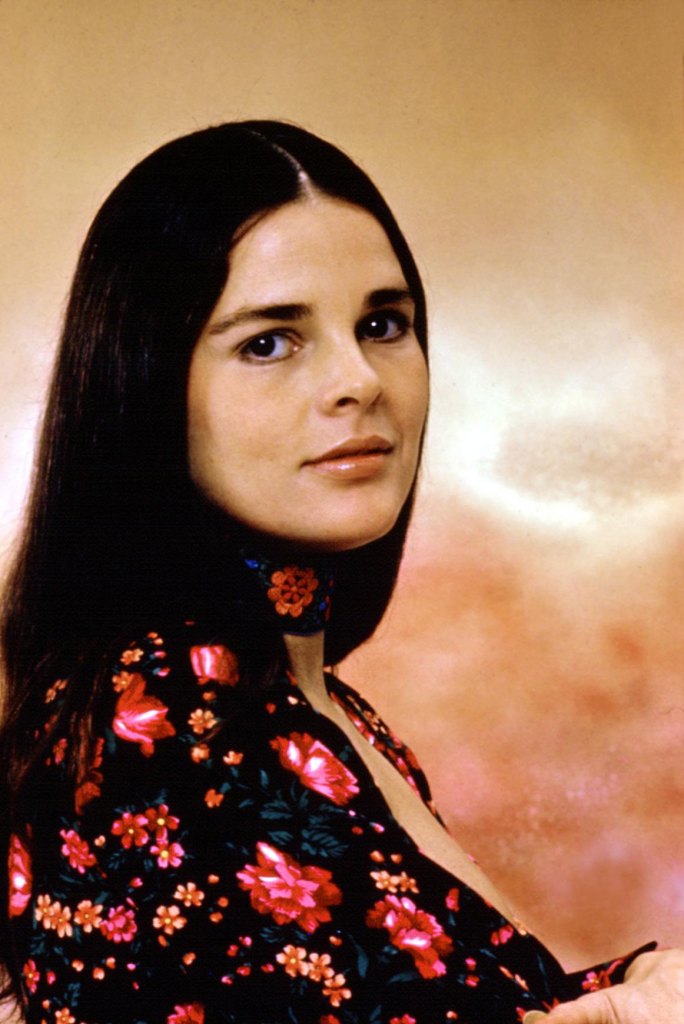
MacGraw’s character in Love Story was named Jennifer Cavilleri, and the popularity of the film led to Jennifer becoming one of the most common baby names of the ’70s.
5. Harvard University had mixed feelings about the film
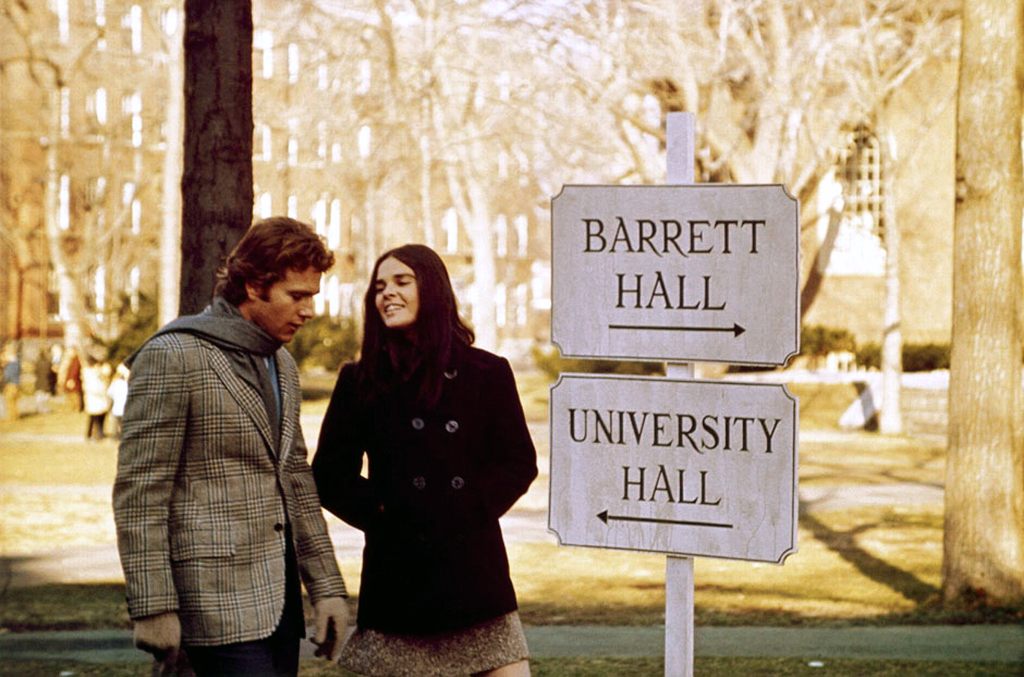
Much of Love Story takes place on the campus of Harvard, and the film was the first to shoot on location at the Ivy League university. The school ended up being none too pleased with the production, as a number of trees were damaged during filming, and Harvard went on to reject the majority of on-location film requests.
Harvard students have also mocked the film for years, and one of their student organizations has a long-running annual tradition of screening the movie for first-year students during their orientation, with the sole purpose of building camaraderie through heckling it. Rather than get offended, MacGraw said she found the tradition “very entertaining,” telling The New York Times, “Of course they are going to pick on Jenny, or is it on the actress playing her? I have had decades in which to wonder how on earth I managed to say ‘Love means never having to say you’re sorry’ without once asking our wonderful director, Arthur Hiller, what exactly it meant.”
6. Ryan O’Neal parodied his signature line opposite Barbra Streisand
In 1972, Ryan O’Neal starred opposite Barbra Streisand in the comedy What’s Up, Doc? At the end of that film, Streisand says O’Neal’s signature Love Story line, “Love means never having to say you’re sorry,” to which he responds, “That’s the dumbest thing I ever heard.” The film was also parodied in many other places, including The Carol Burnett Show and the pages of Mad magazine (which joked that the unspecified disease that killed MacGraw’s character was “Old Movie Disease,” which causes the patient to become “more beautiful by the minute”).
7. Taylor Swift cited the movie as an inspiration

When Taylor Swift directed All Too Well: The Short Film, a 2021 film version of the extended, re-recorded cut of her hit song “All Too Well,” she drew inspiration from Love Story’s cozy atmosphere, saying, “When I think of that film, I think of autumn and I was trying to establish that in the earlier parts of the film.”
8. Al Gore claimed ‘Love Story’ was based on him and his wife
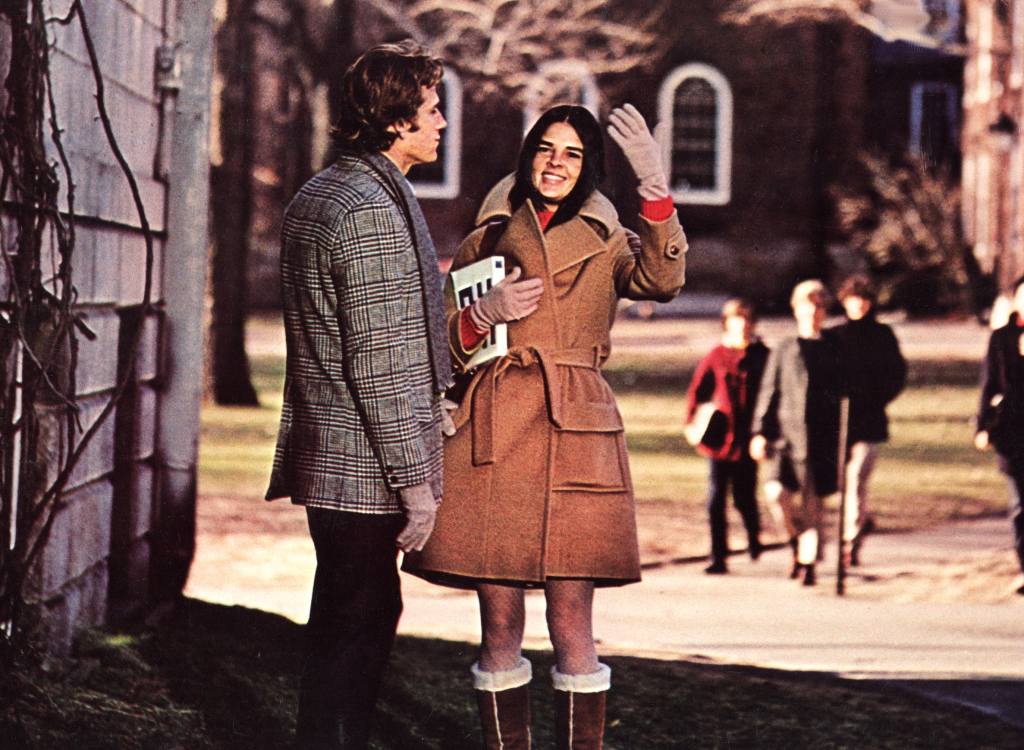
Erich Segal drew from his experiences as a Harvard student when writing Love Story, and when he returned there as a professor in 1968, he met future Vice President Al Gore, who was then a student. Gore later claimed that he and his wife, Tipper, were the inspiration for the protagonists of the film. Segal said he was “befuddled” by this assertion, and Gore’s spokeswoman, Ginny Terzano, walked back the statement with a Love Story-referencing quip, saying, “If love means never having to say you’re sorry, then politics means you have to say it all the time.”
9. Ali MacGraw and Ryan O’Neal weren’t a real-life couple
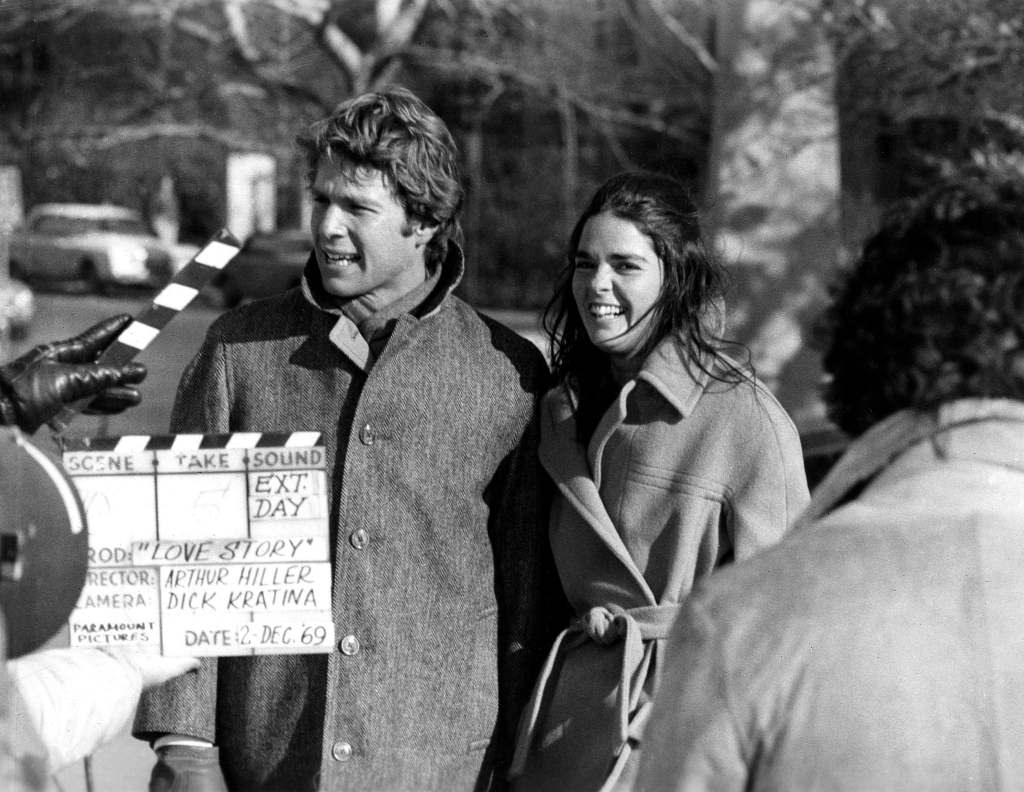
MacGraw and O’Neal’s onscreen chemistry in Love Story led many viewers to wonder if they ever got together in real life. The stars never dated, though they maintained a long friendship and reunited in a 2015 production of the play Love Letters. When they shared the stage together, O’Neal likened MacGraw to a sister, and said, “Ali is an original. She is giving and sensitive to others, and we have never had an argument or cross word all of these years.”
After O’Neal passed away at 82 in 2023, MacGraw said, “Working with Ryan, all those years ago, was one of the great experiences of my film career, and we remained friends ever after. He was a skilled actor, charming and funny too.”

Conversation
All comments are subject to our Community Guidelines. Woman's World does not endorse the opinions and views shared by our readers in our comment sections. Our comments section is a place where readers can engage in healthy, productive, lively, and respectful discussions. Offensive language, hate speech, personal attacks, and/or defamatory statements are not permitted. Advertising or spam is also prohibited.