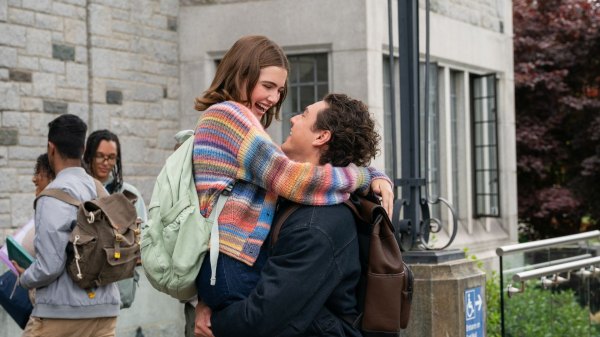
How ‘Peyton Place’ Went From a Scandalous Novel to TV’s First Prime Time Soap Opera
The 1956 bestseller became a hit film, then the TV show that introduced Mia Farrow and Ryan O'Neal to the world

Decades before Dynasty and Melrose Place, Peyton Place began the grand tradition of the prime time soap opera. The series, which aired 514 episodes from 1964 to 1969, turned Mia Farrow and Ryan O’Neal into stars and set the standard for onscreen depictions of juicy small-town drama.
Peyton Place has a surprisingly long history, and its influence can still be felt today. The show was adapted from the hit 1956 novel of the same name, which was then made into a 1957 film, and there was a sequel to the book, a sequel film and TV movies, as well as a ’70s spinoff series. Read on to take a deep dive into the Peyton Place franchise and see how it went from book to movie to TV show.

The scandalous novel that shocked America in 1956
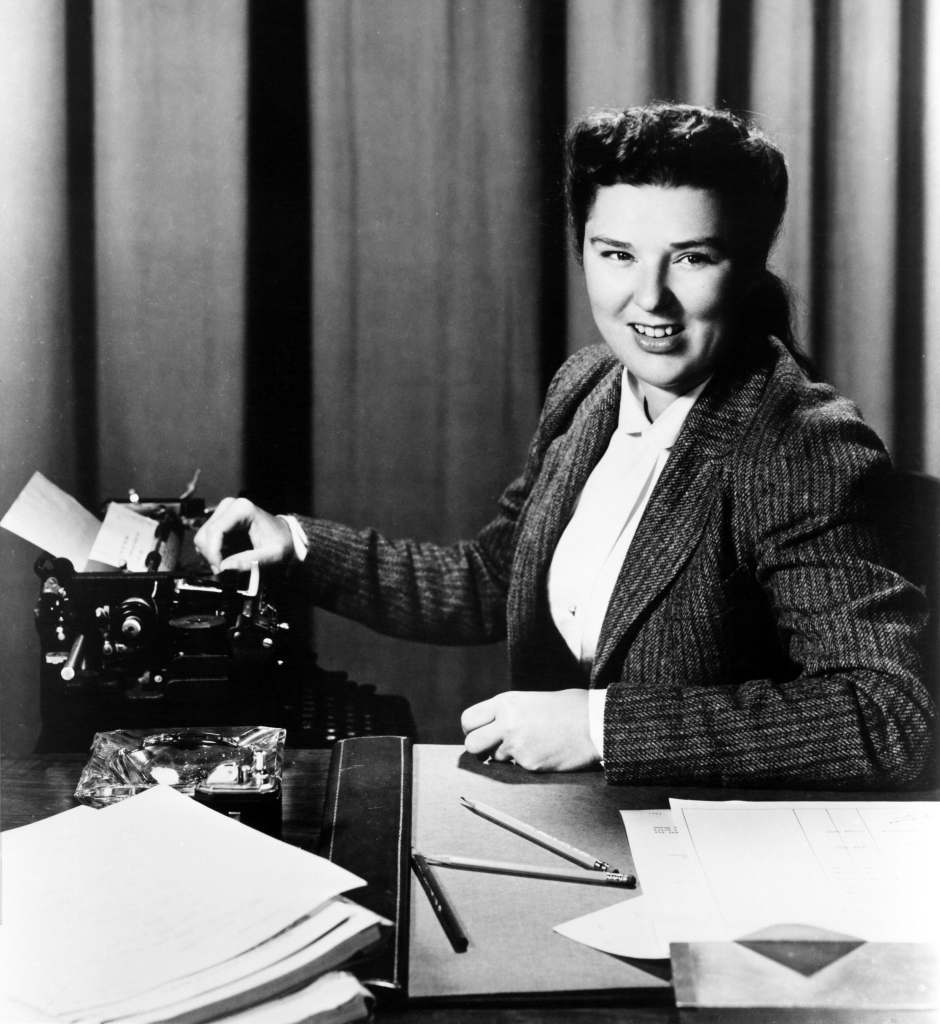
In 1956, Grace Metalious shook up the literary world with Peyton Place, her bold novel about women’s lives in a fictional New England town before and after World War II. The book, which delved into class relations and gossip and featured provocative topics like adultery, incest, abortion and suicide, became a sensation, selling millions of copies and staying on the New York Times bestseller list for over a year.
The wild success of Peyton Place led publishers to push Metalious to write a sequel, Return to Peyton Place, in 1959. Sadly, the book was poorly reviewed and didn’t capture readers’ hearts the way the original had. Metalious later revealed she’d been pressured to write it purely for Hollywood adaptation, saying, “This isn’t a novel; it’s a Hollywood treatment. It was never intended to be anything else. It was a foul, rotten trick. They made a hell of a lot on Peyton Place, and they wanted to ride the gravy train.”

While some critics dismissed Peyton Place as too provocative for its time, over the years, Metalious, who died at just 39 in 1964 from alcohol-related cirrhosis, has been praised for her unsparing depiction of sexuality and the hypocrisies that can so often arise in communities that appear picture-perfect on the surface. As the author once quipped, “If I’m a lousy writer, then a hell of a lot of people have lousy taste”—and traces of the world she created could be found everywhere from Desperate Housewives to Twin Peaks to Fifty Shades of Grey.
How ‘Peyton Place’ became a blockbuster film in 1957
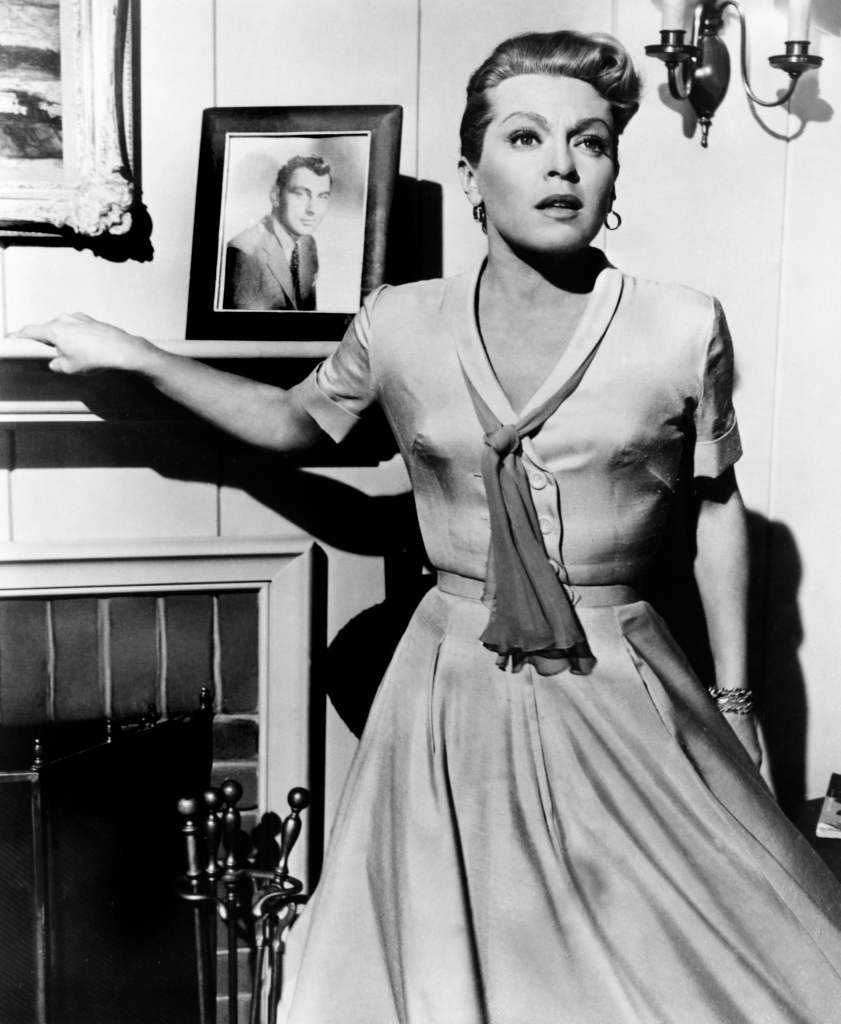
With Peyton Place flying off bookstore shelves, Hollywood came calling—and in 1957, the novel made its big-screen debut. The film starred the legendary Lana Turner as Constance MacKenzie, the widowed mother at the heart of Peyton Place, with Diane Varsi as her teenage daughter, Allison. Peyton Place was one of the highest-grossing films of the year and was nominated for nine Academy Awards, though it didn’t win any.
Readers of Peyton Place flocked to see the movie, but it wasn’t nearly as risqué as the book, and much of the sexuality was toned down due to the cinematic production code of the time. Metalious was not a fan of the film and felt that it was an overly sanitized take on her work.
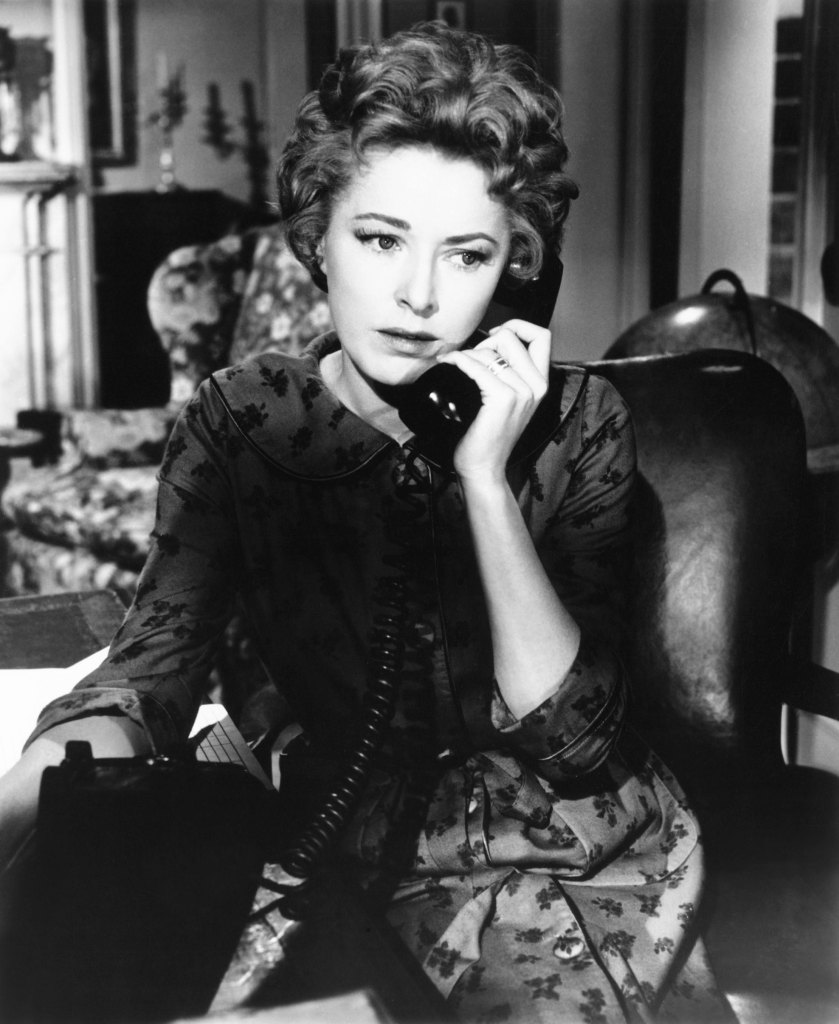
In 1961, a cinematic adaptation of the novel’s sequel, Return to Peyton Place, was released. The film had a different cast from the original, with Eleanor Parker replacing Lana Turner as Constance and Carol Lynley replacing Diane Varsi as Allison, and focused on Allison’s exploits as a young woman who has become a famous author. The film didn’t match the success of the original, and was plagued by casting conflicts, with Joan Crawford, Bette Davis and Gene Tierney all turning down roles.
The groundbreaking TV series that made Mia Farrow and Ryan O’Neal into stars
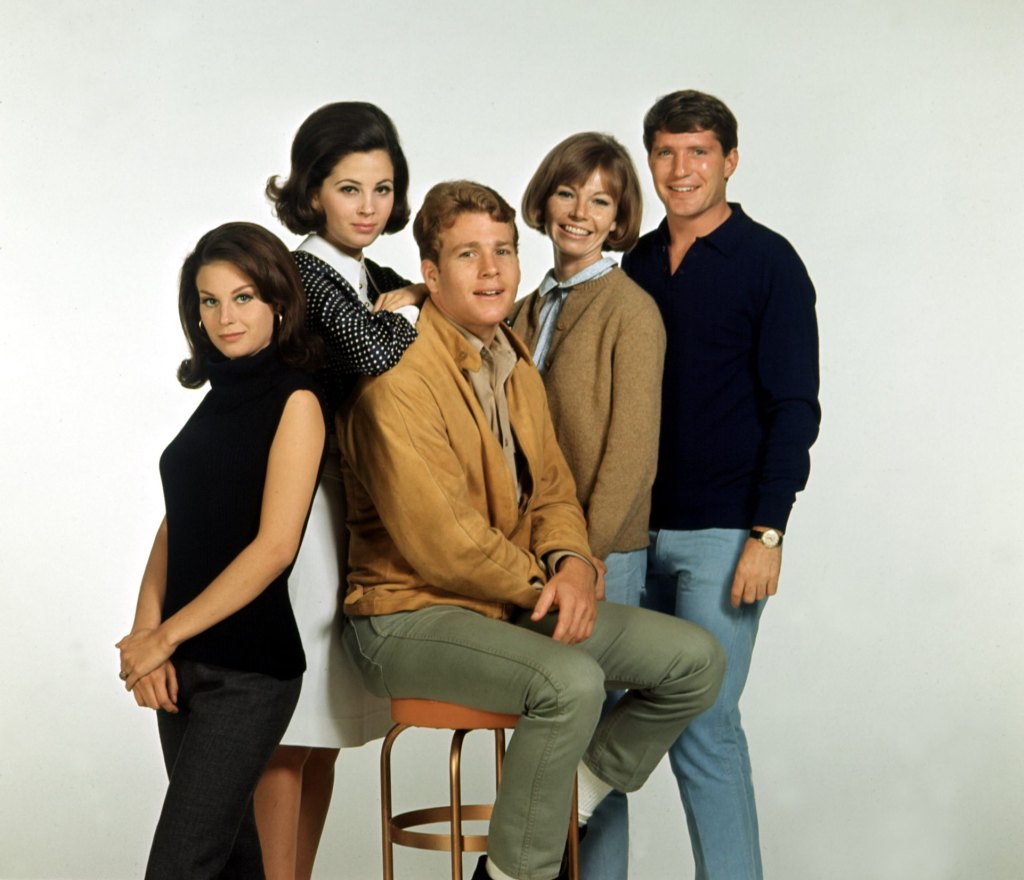
The TV adaptation of Peyton Place debuted in 1964 and became appointment viewing. While the book was set during the ’30s and ’40s, the show updated the story to the present day, and over the course of its five-year, three-episode-a-week run, it earned countless fans thanks to its heightened plots and a charismatic cast that included Dorothy Malone as Constance, Mia Farrow as Allison and Ryan O’Neal as bad boy Rodney Harrington, Allison’s on-and-off love interest.
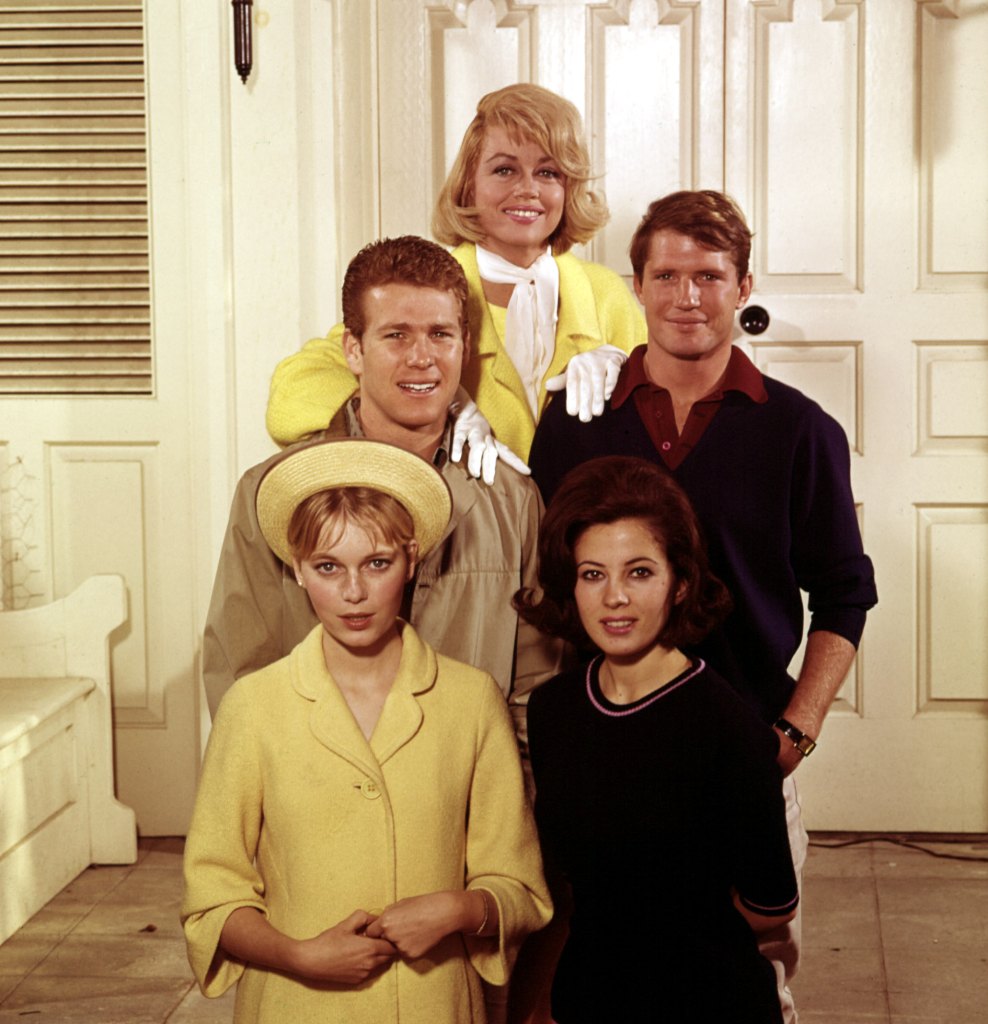

Peyton Place was the first prime time soap opera, and with its large ensemble cast and emphasis on romantic and familial drama in a picturesque fictional town, it created the template for every soap that followed—both prime time and daytime. Ryan O’Neal once humorously summed up the show’s appeal, saying, ‘Peyton Place was a town on the East Coast where everybody was sleeping with everybody else.’ That cheeky description captures exactly why viewers couldn’t look away.
The Peyton Place magic continued with a daytime soap sequel series, Return to Peyton Place, which debuted in 1972. Though it featured mostly new cast members and aired 425 episodes before its cancellation in 1974, it never found the same cultural foothold as the original and is largely forgotten today. In 1979, a pilot for yet another spinoff, Peyton Place ’79, was filmed, but it was not picked up.
The TV movies and ‘Peyton Place’ spinoffs that kept the story alive
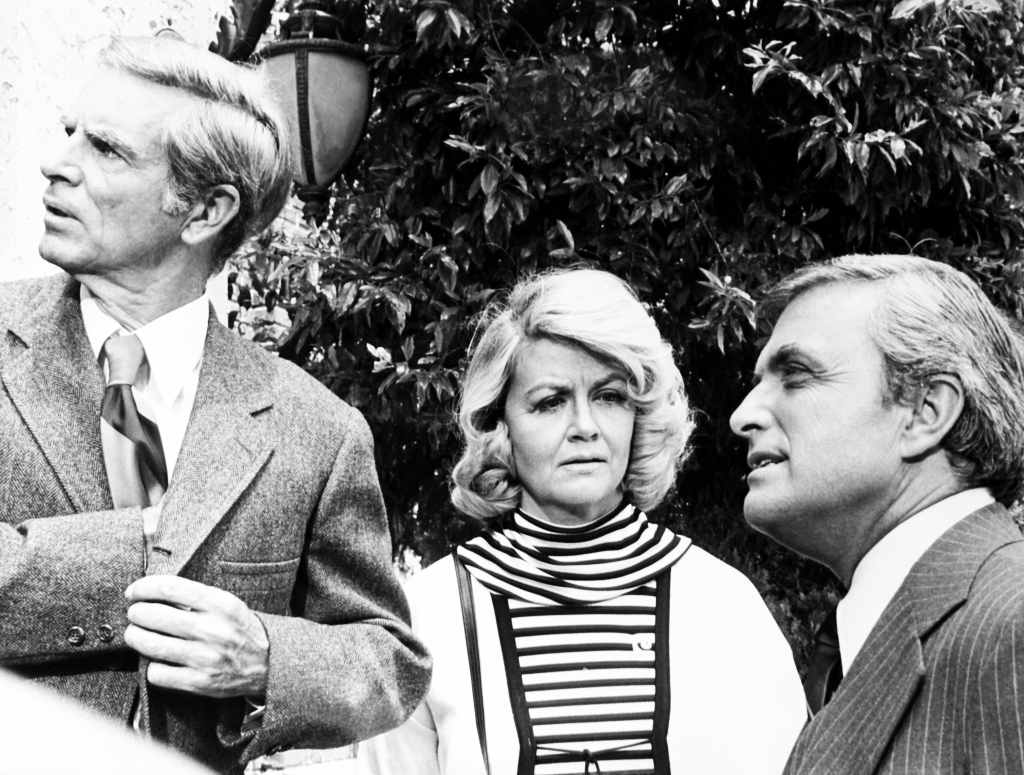
The lore of Peyton Place continued into the ’70s and ’80s, as after Return to Peyton Place was canceled, the TV movie Murder in Peyton Place was released in 1977. The film served as a cast reunion, bringing back Dorothy Malone, Ed Nelson, Tim O’Connor, Joyce Jillson and Christopher Connelly from the original Peyton Place series, and the story centered on the mysterious deaths of Rodney and Allison.
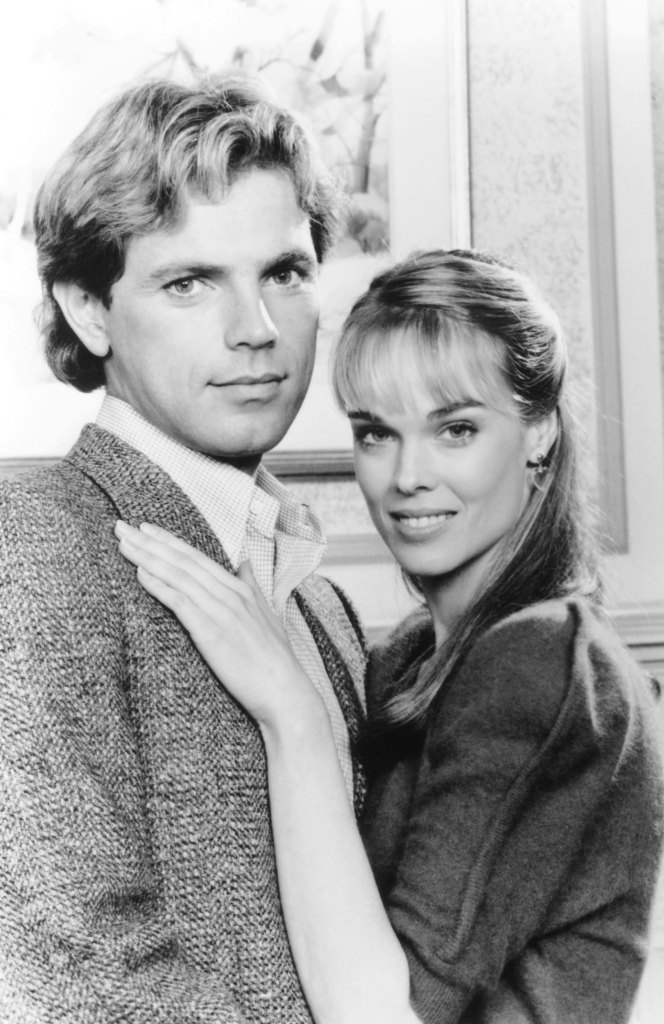
In 1985, Peyton Place: The Next Generation, another TV movie featuring many original cast members, debuted. The movie, which was set 20 years after Peyton Place, was meant to inspire a new TV series, but it failed to reach a wide audience, and the new show was never made. Still, the influence of Peyton Place could be felt in the many prime time soaps that dominated the decade, and the original series remains a camp classic. And who knows? With all the recent reboots of old shows, maybe Peyton Place will find its way back to our screens once again.
Conversation
All comments are subject to our Community Guidelines. Woman's World does not endorse the opinions and views shared by our readers in our comment sections. Our comments section is a place where readers can engage in healthy, productive, lively, and respectful discussions. Offensive language, hate speech, personal attacks, and/or defamatory statements are not permitted. Advertising or spam is also prohibited.