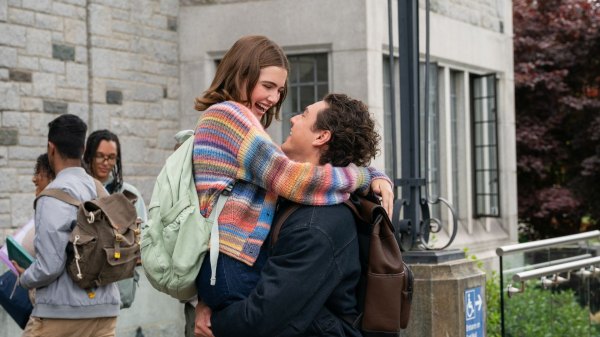
‘Supporting Characters to No One!’ The Soap Opera Actresses Who Redefined Powerful Women on TV (Exclusive)
Soap opera expert Mara Levinsky shares how the often overlooked genre has revolutionized the role of women in front of and behind the camera

From their earliest days, soap operas have primarily catered to female viewers, and few people know more about this phenomenon than Mara Levinsky, the Executive Editor at Soap Opera Digest (one of Woman’s World’s sister sites). Levinsky has been at the publication since 1999, shortly after graduating college (where she wrote her honors thesis on soap operas and feminism), and before that, she was a dedicated soap fan since childhood. “I’ve dedicated my life to covering soaps, and I see myself as a historian for an entertainment genre that’s unique in American history as having been pioneered for women, by women and with women as the central protagonists,” she says. The soap scholar sat down with Woman’s World to discuss the fascinating ways in which the genre’s depiction of women has evolved over the years.
How soap opera characters evolved from housewives to businesswomen
“I’ve always been interested in why soaps are looked down upon. It feels intrinsically linked to sexism,” says Levinsky. “It’s so common for soaps to be spoken of derisively. If you compare the stereotypes of women who follow soaps to men who follow sports, you don’t hear that sports are silly and unimportant, even though stereotypically men can rattle off sports statistics of their favorite team the same way that a devoted soap fan might be able to rattle off the full married name of a character who’s had 10 husbands,” she points out.
“When soap operas first began on radio, they mostly took place inside the home, rather than at a workplace, and from the earliest days, they focused on the domestic sphere that was always seen as the domain of women. A lot of the original heroines of soap operas were homemakers,” Levinsky says. “Most major female characters in today’s soap operas have demanding careers, and as the off-camera demographic of women working outside of the home shifted, so too did the depiction on soaps.”
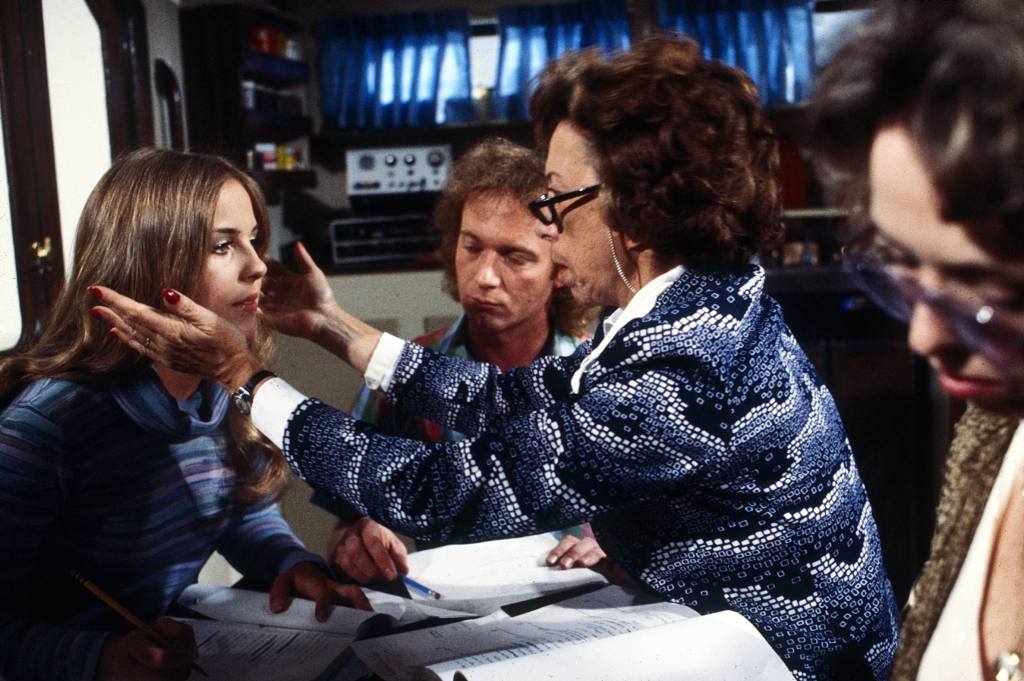
“Soap opera storytelling has changed so much,” Levinsky continues. “The genre began with 15-minute radio installments and evolved into 15-minute television shows, then 30-minute television shows, and ultimately, hour-long shows. Before the days of the VCR, there was so much repetition because you couldn’t expect that someone was able to watch live every day. With the advent of recording devices and later streaming platforms, you could presume that people would catch up and binge, and that led to less repetition and more storylines to fill that space.”
Levinsky posits that the ability to add more storylines helped the depiction of women in soaps evolve: “Certainly, the pace is faster than it was once upon a time. In terms of how that relates to the portrayal of women, all of these things opened up the possibilities for women to not just be focused on love interests and to show more stories of rivalries and power struggles. I don’t think that we saw women engineering corporate takeovers in ’50s soaps, but we wouldn’t bat an eyelash at that today.”
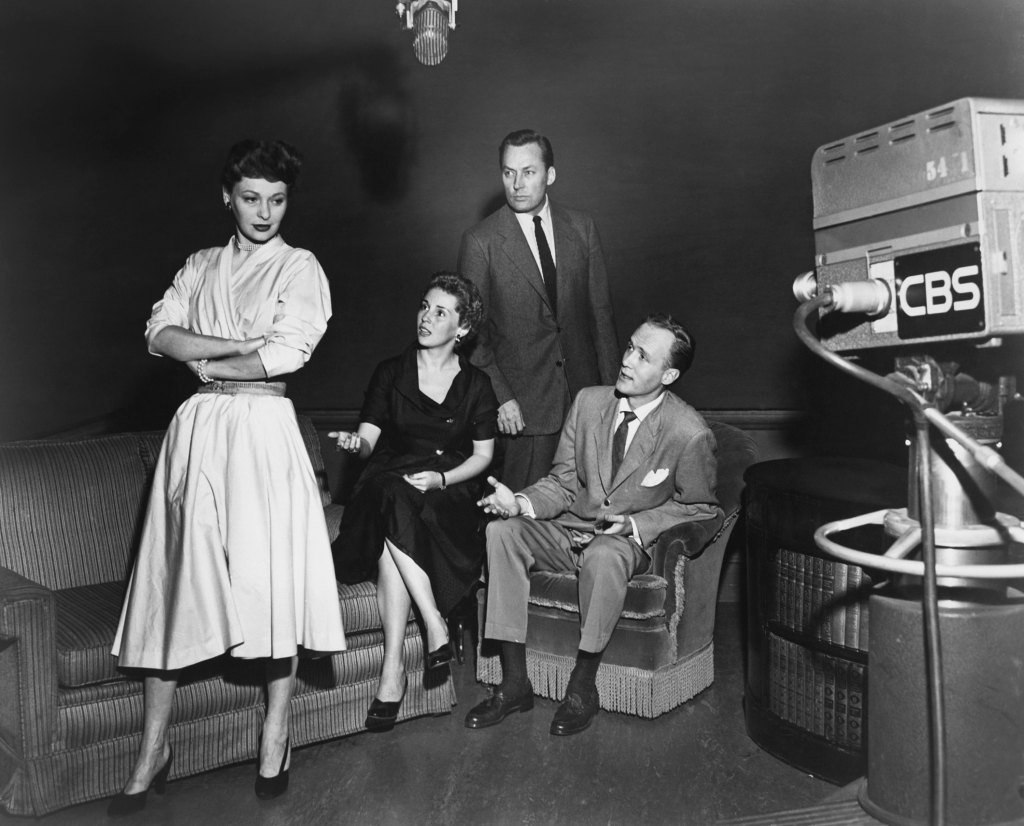
The most iconic women in soaps: ‘Members of the audience feel like they grew up alongside them’
Levinsky lists the most iconic female characters from legacy soaps as follows:
- Laura Spencer from General Hospital (played by Genie Francis from 1977 to present)
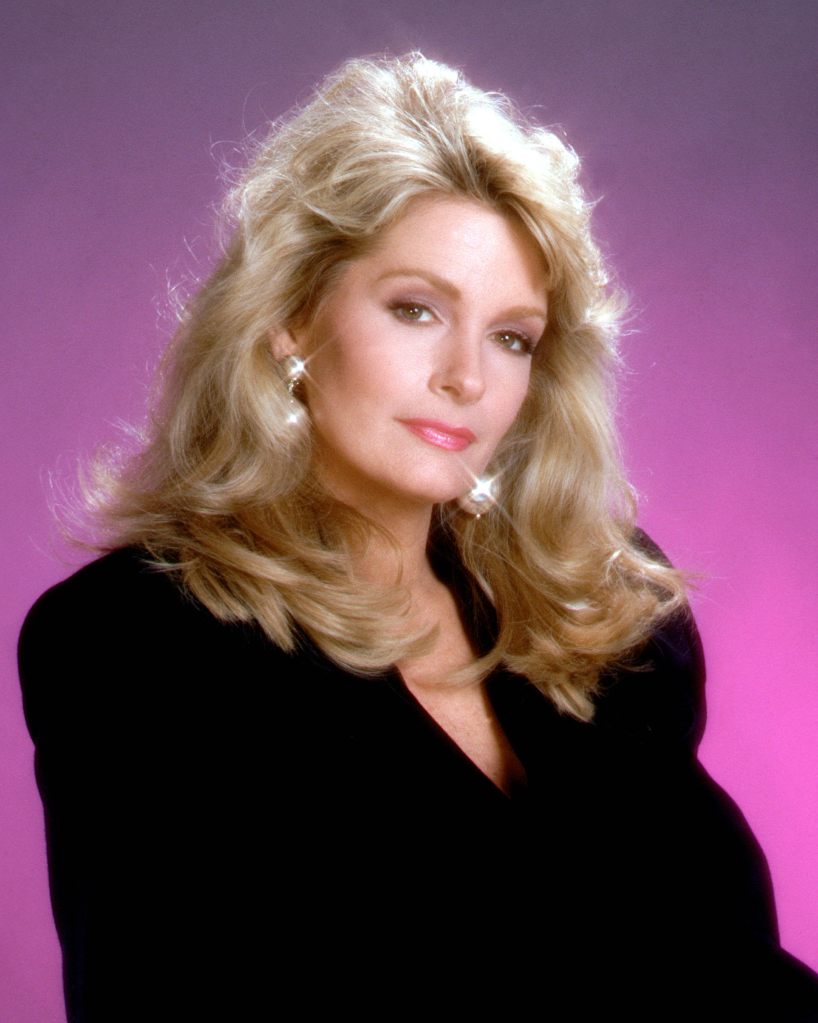
- Marlena Evans from Days of Our Lives (played by Deidre Hall from 1976 to present)
- Katherine Chancellor from The Young and the Restless (played by Jeanne Cooper from 1974 to her death in 2013)
- Erica Kane from All My Children (played by Susan Lucci from 1970 until the show’s cancellation in 2011)
- Lisa Miller from As the World Turns (played by Eileen Fulton from 1960 until the show’s cancellation in 2010)
- Reva Shayne from Guiding Light (played by Kim Zimmer from 1983 to 1990 and 1995 until the show’s cancellation in 2009)
- Victoria Lord from One Life to Live (played by Erika Slezak from 1971 until the show’s cancellation in 2012)
“A lot of women grew up on their shows, but not all of them,” Levinsky says. “Erica Kane was a teenager when we first met her, but when Marlena Evans was introduced in 1976, she was already a practicing psychologist. With all these women, over the years, the audience has gotten to see the same character, most often played by the same person, in so many different stages of life that it does feel to many members of the audience like they grew up alongside them.”
“These female characters are supporting characters to no one,” Levinsky says emphatically. “They’re complicated and messy and have dealt with things that viewers can potentially relate to, from motherhood to widowhood to addiction, and also things that hopefully no one in the audience can relate to, like devil possession, multiple presumed deaths and other outlandish happenings that are the signature of the genre.”
Innovation behind the camera: ‘Women really were the creative pioneers of soaps’
The women behind the cameras in soap operas are just as powerful as the ones in front of them. “When you look at the creation of the genre and the many decades of its evolution, you’d be hard-pressed to find the same number of female luminaries behind the scenes as creative forces in other parts of television. Women really were the creative pioneers of soaps. Agnes Nixon, for example, created All My Children and One Life to Live and was the head writer of Guiding Light and other shows,” Levinsky says. More recently, talented soap actresses like Ellen Wheeler, Francesca James, Kimberly McCullough, Heather Tom, Alison Sweeney and Kate Mansi have added directing to their impressive résumés.

“These shows have also broken ground in exploring so many different social issues over the years, many of which are of particular relevance to women,” says Levinsky. “The first time the word ‘cancer’ was said on a scripted program was in a cancer storyline involving a woman on Guiding Light in 1962, and All My Children had the first legal abortion storyline in 1973. Viewers of soaps know that what they are often reduced to is only part of what they are.”
A surprising benefit of soap stardom: ‘It’s such an amazing job for moms’

“I’ve interviewed thousands of women in soaps, and what you’ll hear a lot of women say is that it is such an amazing job for moms,” Levinsky says. “In today’s entertainment world, a lot is shot on location or in different cities, but this is more like having a regular nine-to-five than almost any other type of television show. Soap actor contracts also work in such a way that they are guaranteed a certain number of days per week. Sometimes it’s more, sometimes it’s less, as the storyline dictates, but it’s very rare that they’re working five days a week, 52 weeks a year. The way that most shows tape now, you tape all of your scenes on a particular set in a block, so you might only be at the studio for a certain number of hours a day. It’s a steady gig that also enables you to have a life outside of work.”

“In the ’80s, they shot very differently. They would shoot the script in order, so you were there from morning until the show wrapped. The hours could be punishing, but that’s a thing of the past. From a ‘time is money’ perspective, the shows have figured out how to do everything in a more efficient way,” Levinsky says.
While the shooting schedules of soaps may allow for work-life balance, the average workday can still be intense. “For the most part, with almost zero rehearsal, you’re putting on an hour-long episode of television a day. It forces you not only to develop the muscle of memorization, but also to come prepared with choices, because you’re not going to get a lot of rehearsal time to figure out how you’re going to say a line or what reaction you’re going to summon from your costar in the scene,” Levinsky observes.
“Fans of soaps know that the talent level is really insane in daytime TV. Sometimes actors who’ve been successful in prime time come to a soap to do a short-term gig, and they can’t hack it because the schedule is so different—they’re shooting a full hour-long television script in a day, sometimes more, whereas in prime time, they’re maybe shooting seven pages a day. The amount of material that these actors are handling and the degree of difficulty makes these great performances on daytime particularly impressive,” Levinsky says, and these impressive performances have made for many unforgettable female characters.
Conversation
All comments are subject to our Community Guidelines. Woman's World does not endorse the opinions and views shared by our readers in our comment sections. Our comments section is a place where readers can engage in healthy, productive, lively, and respectful discussions. Offensive language, hate speech, personal attacks, and/or defamatory statements are not permitted. Advertising or spam is also prohibited.