Cataract Surgery Costs With Medicare: How to Cut Your Bill from $880 to $250 per Eye
An expert breaks down what Medicare pays for—and smart ways to slash your bill

Key Takeaways
- Medicare Advantage plans can cut your cataract surgery costs down.
- Choosing an ambulatory surgical center over a hospital can significantly lower your expenses
- A Chronic Special Needs Plan can reduce cataract surgery costs to an average of $250 per eye.
According to HealthinAging.org, 20 percent of people 65 and older and 50 percent of 75-year-olds have a cataract. And most of that 50 percent are enrolled in Medicare. But what does the government-funded healthcare cover in terms of cataracts? And will Medicare cover the cost of special cataract glasses? We recently spoke to an expert who broke it all down for us. Read on for the must-know info for people with vision issues and discover ways you can save.
What are cataracts?
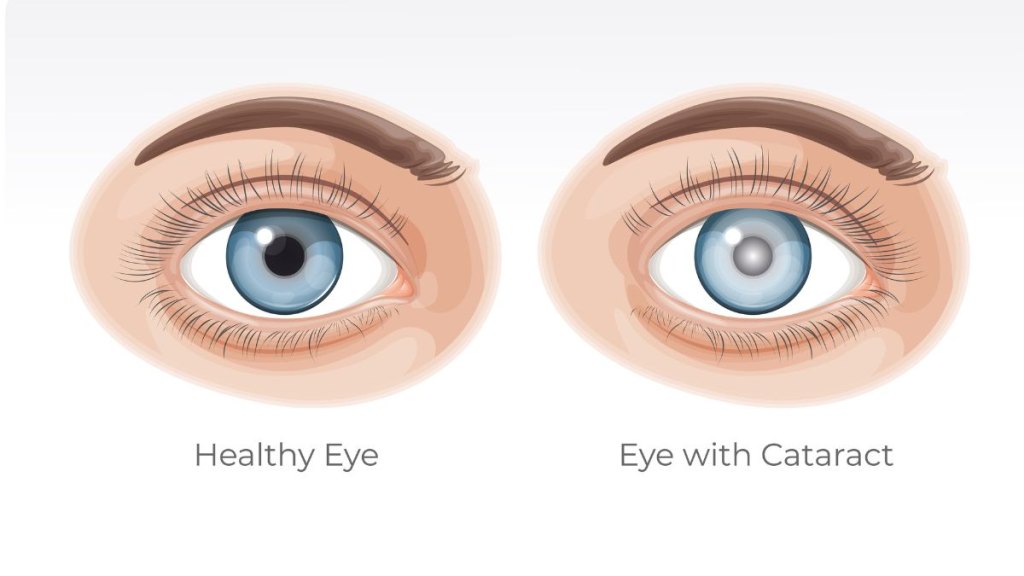
A cataract is a clouding of the eye’s natural lens. It’s typically caused by aging, protein buildup in the eyes and sun exposure. Symptoms of cataracts include blurry vision, seeing halos around lights, foggy vision and poor night vision.
For those diagnosed with cataracts, treatment options include surgery to replace the cloudy lens with an artificial one. This often results in improved vision and better eye health overall.
“Up to 4 million cataract surgeries are performed in the United States each year, and many of these are for people enrolled in Medicare,” says Whitney Stidom, vice president of consumer enablement at eHealth, an online health insurance marketplace. “If you or a loved one is diagnosed with cataracts and surgery is recommended, it is important to understand what Medicare covers both before and after the procedure.”

Average cost of cataract surgery with Medicare
When it comes to getting cataract surgery on Medicare, Stidom says, “Like most medically necessary surgeries, Original Medicare Part B generally covers cataract surgery, which includes the removal of the cataract and the placement of a traditional intraocular lens.”
“After the annual Medicare Part B deductible is met, people with Original Medicare will typically need to cover about 20 percent of the remaining costs,” she continues.” That means someone with Original Medicare undergoing cataract surgery will owe between $635 and $880 per eye—20 percent coinsurance plus $283 to meet the Part B deductible for 2026.”
For Americans on Medicare Advantage and Medicare Supplement plans, that number may be different.
“People with a Medicare Advantage plan will usually pay less out of pocket for cataract surgery compared to beneficiaries with Original Medicare,” Stidom says. “Under Medicare Advantage, the average copay for cataract surgery is $350 per eye. People enrolled in Medicare Supplement plans may also have much lower out-of-pocket costs than those enrolled only in Original Medicare.”
Does Medicare pay for cataract surgery with astigmatism?
When it comes to getting cataract surgery, Medicare will pay to remove the cataract, but it might not pay to fix the astigmatism—mainly because getting rid of an astigmatism is considered a cosmetic service rather than a medical necessity.

“Medicare will not pay for special intraocular lenses, such as toric lenses, which are designed to correct astigmatism. People with astigmatism can still qualify for coverage of cataract surgery under Medicare, but they will not qualify for coverage of toric lenses,” explains Stidom. “In that case, the beneficiary will typically require glasses to address the astigmatism after the surgery. Beneficiaries who opt for toric lenses to correct astigmatism can expect to pay at least an additional $1,000 per eye, oftentimes more.”
What type of lens does Medicare cover for cataract surgery?
According to Medicare.Gov, it only covers standard monofocal intraocular lenses (IOLs) for people in certain states.
To learn whether your state qualifies for this coverage, click here.
Does medicare cover glasses or contact lenses after cataract surgery?
After the surgery, many people need a new prescription for glasses or contact lenses. When it comes to getting those covered by Medicare, Stidom says, “Original Medicare Part B doesn’t typically provide coverage for glasses or contacts, though many Medicare Advantage plans do.”
“However, there’s an exception following cataract surgery for people enrolled in Original Medicare. In this scenario, Medicare Part B will cover one pair of eyeglasses with standard frames and lenses or one set of contacts,” she continues. “That same coverage applies to people enrolled in Medicare Advantage and a Chronic Special Needs Plan (C-SNP).”

How to save on cataract surgery while on Medicare
If you need cataract surgery, there are several ways you can save money on out-of-pocket costs.

“Cataract surgery performed in an ambulatory surgical center can be less costly than the same procedure performed in a hospital setting,” says Stidom. “It’s also important to make sure that the facility and surgeon accept Medicare. If the beneficiary is enrolled in a Medicare Advantage plan, it will be necessary to make sure the facility and surgeon are in the insurance company’s network of care providers. “

“Out-of-pocket costs can be even lower for people enrolled in C-SNP, which are specialized Medicare Advantage plans for people with certain chronic conditions such as diabetes,” Stidom continues. “Under a C-SNP, cataract surgery has an average copay of $250 per eye. Given people with diabetes are more likely to need cataract surgery, enrolling in a C-SNP may be an effective way to reduce out-of-pocket costs for this procedure.”
Ready for more? Subscribe to our YouTube channel for video podcasts, health tips and uplifting stories designed for women 40, 50, 60 and beyond.
Conversation
All comments are subject to our Community Guidelines. Woman's World does not endorse the opinions and views shared by our readers in our comment sections. Our comments section is a place where readers can engage in healthy, productive, lively, and respectful discussions. Offensive language, hate speech, personal attacks, and/or defamatory statements are not permitted. Advertising or spam is also prohibited.