93 Percent of Seniors Now Qualify for Statins, But Does Medicare Cover Them? Here’s What to Know
Plus, other ways to get the cholesterol lowering drug for cheaper

Key Takeaways
- A new study finds 93 percent of adults 70 to 79 now qualify for statins.
- Medicare Advantage and Part D plans typically cover statin medications.
- Original Medicare doesn't cover prescriptions, including statins, on its own.
A new study published in the Journal of the American Medical Association (JAMA) revealed that 93 percent of adults aged 70 to 79 qualify for cholesterol-lowering statins. This study came after the American College of Cardiology and American Heart Association released new 2026 cholesterol guidelines earlier this year. The new guidelines have many seniors asking if they should be taking the medications, and wondering, if they do qualify for statins, will the drugs be covered by Medicare? And if not, are there any other ways to get statins for less? We share everything you need to know below.

First, what are statins?
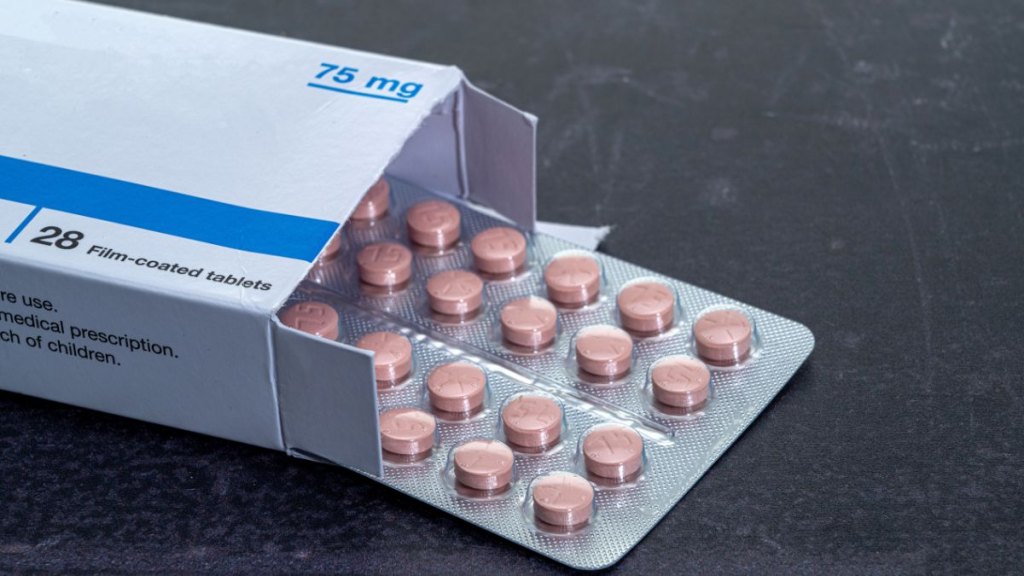
Statins are a prescription medication used to lower LDL or bad cholesterol, which can help reduce the risk of a heart attack or stroke. The medication does have side effects, including muscle aches, liver issues, cognitive changes and an increased risk of type 2 diabetes, but it’s considered safe by most medical professionals.


Does Medicare cover statins?
Medicare does cover statins for people whose prescriptions are covered by Medicare Advantage plans or by a standalone Part D prescription drug plan.
“Medicare beneficiaries diagnosed with high cholesterol and heart disease will find that Medicare prescription drug plans cover the most common statin medications, usually with a reasonable copay,” Whitney Stidom, vice president of consumer enablement at eHealth, an online health insurance marketplace, explains. “That coverage typically includes generic statin drugs such as atorvastatin, rosuvastatin and simvastatin, and copays can be as low as $0 when using the insurance carrier’s mail-order pharmacy for 90-day home deliveries. It’s worth noting, however, that brand-name statins may require prior authorization or step therapy [which is when insurance companies make patients try lower-cost medications before approving the originally prescribed one], depending on the rules of the beneficiary’s plan.”
She also notes that for people on Medicare Advantage plans, other programs can help them manage their cholesterol without medication, including a Chronic Condition Special Needs Plan, which is an insurance plan that can be tailored to people with severe heart disease.
“For Medicare beneficiaries diagnosed with heart disease, it may be helpful to opt for a specialized Medicare Advantage plan known as a Chronic Condition Special Needs Plan (C-SNP),” she says. “These plans are designed for beneficiaries with certain chronic conditions, offering coordinated care, specialized provider networks and more affordable access to prescription drugs to help people better manage cardiovascular disorders or chronic heart failure.”
What to do if your Medicare plan doesn’t cover statins
If your Medicare plan doesn’t cover statins, there are a few things you can do. The first is to pay full price for the medication, but that choice will most likely cost you quite a bit. GoodRX reports that 30 10-mg tablets can cost $47.60 on average.
The second is to see if your medication is included in any direct-to-consumer pharmacies like TrumpRx, Amazon Pharmacy, GoodRX, Hims & Hers, and Honeybee Health. Sometimes those companies offer medication at a lower price without insurance or give you a coupon that you can use to get them for less at your local pharmacy.

“For people enrolled solely in Original Medicare, which does not include prescription drug coverage, beneficiaries would be responsible for the full cost of statins. This is important to recognize, even for people who rarely visit a pharmacy,” Stidom says. “Prescription needs can change unexpectedly, and the risk of developing chronic conditions increases by age. In fact, 88 percent of Americans 65 and older take at least one prescription medication, so it is important for Medicare beneficiaries to understand their current drug coverage and confirm it meets their needs now and in the future.”
Ready for more? Subscribe to our YouTube channel for video podcasts, health tips and uplifting stories designed for women 40, 50, 60 and beyond.
Conversation
All comments are subject to our Community Guidelines. Woman's World does not endorse the opinions and views shared by our readers in our comment sections. Our comments section is a place where readers can engage in healthy, productive, lively, and respectful discussions. Offensive language, hate speech, personal attacks, and/or defamatory statements are not permitted. Advertising or spam is also prohibited.