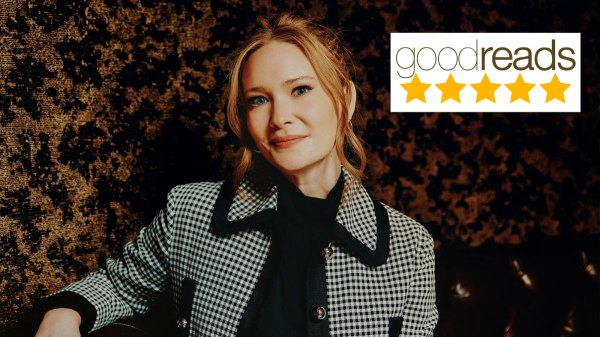
Journalist Natalie Morales Opens up About Her Mother-In-Law’s ‘Obvious’ Alzheimer’s Signs (Exclusive)
The CBS News correspondent reveals her mother-in-law's early symptoms of memory problems

Key Takeaways
- Natalie Morales teamed up with Eli Lilly to bring awareness to Alzheimer's disease.
- The news anchor's mother-in-law was diagnosed with the disease several years ago.
- Early detection of the disease is key when it comes to an Alzheimer's diagnosis.
As a nationally-renowned broadcast journalist, Natalie Morales, 52, is no stranger to asking the hard questions. But when it came to her mother-in-law’s Alzheimer diagnosis, it proved to be a bit more difficult. When Morales’ mother-in-law, Kay Rhodes, was diagnosed with the disease, there weren’t therapies and treatment options available like there is today. The stigma surrounding Alzheimer’s was also heightened, with fear ruling people’s lives as opposed to knowledge.
Woman’s World recently sat down with Morales to discuss her family’s experience with the disease, as well as her partnership with Eli Lilly and Kinsula, an Amyloid-targeting therapy.
“The reason I’m doing this work is to have these conversations to help others recognize the importance of acting early and understanding that there are options available today that there weren’t years ago,” Morales shared exclusively with Woman’s World.
Woman’s World: Can you share a bit about your partnership with Eli Lilly and why it’s so important to you?
Natalie Morales: As a reporter and a journalist who has reported on Alzheimer’s disease many times in my career, it’s important, but it also personally affected my family. My mother-in-law was diagnosed with early-onset Alzheimer’s when she was 53, my age. I think about that a lot, especially now as I’m getting older, what that looks like to receive that type of diagnosis. Back then, over 25 years ago, there were not a lot of disease-modifying therapies or treatments that existed. In my job as a reporter, I’m always asking questions. There wasn’t a lot out there, and that’s why this partnership with Eli Lilly and Kisunla is so important to me. I’m passionate about it because Lilly has been doing the research in this space for over 30 years, and they’ve really been at the forefront of a lot of treatment options.
Now with Kisunla, there are amyloid-targeting therapies that are available for early stage diagnoses. This was something that was not available to us, and I want people to be aware of the options and have those conversations with their doctors if they or a loved one are dealing with memory or thinking issues.
WW: This is such a prevalent topic. So many people have their own experience with Alzheimer’s, whether personally or within their circle.
Natalie Morales: Yes, and more so as baby boomers age. My parents are in their early- to mid-80s right now, so I’m very cognizant of if they start repeating themselves in conversations or if they are searching for words. I’m always asking my sisters, who live a little bit closer to them, to make sure mom and dad seem okay. These are all things that we need to be talking about because, as you said, everyone most likely, if not directly then indirectly, will have a connection to Alzheimer’s disease, as we do have an aging population.

WW: Why is it so important to act early if you notice signs of Alzheimer’s in a family member?
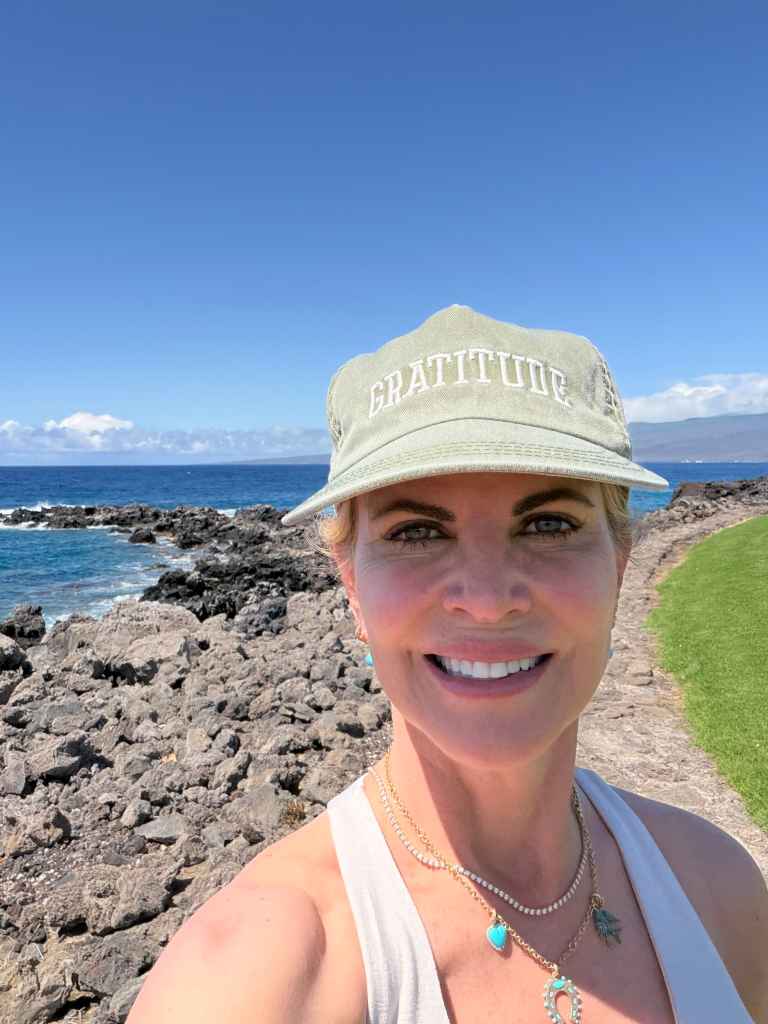
Natalie Morales: Because there are options now. There are amyloid-targeting therapies that can help if it’s the right treatment for you. There are risks, as with all drugs, and it’s important to talk to your physician and to assess if it’s right for you or your loved one. But there are options now that didn’t exist. I mean, now there are ways to diagnose the disease much sooner with blood tests and genetic testing, so there are things you can do to empower yourself or your loved ones so that you can plan for the future, whatever it looks like.
You don’t want to be surprised with a diagnosis like Alzheimer’s disease. It takes a huge toll on a family, and it did on our family. My father-in-law was her primary caregiver, and it took a toll on his health for the 10 years that he took care of her. He had a lot of ailing symptoms, and then he developed Parkinson’s disease. There were a lot of things that really hit him. But beyond that, financially it took a huge toll on him. He drained what they thought was going to be their golden years fund. They were going to travel the world and do a lot of fun things. He never did any of that because he had to become her primary caregiver while she was still so young and she lived for 17 years with this disease. Especially when it’s early onset, her body was still healthy but her brain and her mind were not, and it took a huge toll on our family.
WW: Your mother-in-law experienced symptoms that could’ve been easily misconstrued as signs of normal aging. What were some of those sneaky symptoms that now, looking back, you can see they were actually signs of Alzheimer’s?
Natalie Morales: With my mother-in-law, the signs were more obvious. She was having anxiety, a lot of not being able to think of the words or dropping off mid sentence, repeating herself in conversations. She had difficulty completing pretty familiar tasks, even walking around the neighborhood. She would get lost, and a neighbor would have to bring her home. And then it became even more apparent as the day progressed and the years progressed. She would start to have sundowners and be really confused in the early evening, and so emotionally and mentally drained. She would go to bed early, like 6 pm every night. So, there were a lot of things that were obvious in hindsight, but we didn’t live as close to her as we would have liked, and my father-in-law was taking care of her. So there was a lot more that we wish we could have done to help out. I think that’s why I feel it’s important to talk about. We wish our father-in-law had talked to us more openly and didn’t try to take it all on himself as well.
WW: What do you think families and caregivers facing the disease should know and why should they reach out for support?
Natalie Morales: The reason I’m doing this work is to have these conversations to help others recognize the importance of acting early and understanding that there are options available today that there weren’t years ago. If someone you love is experiencing any kind of memory or thinking issue, it’s really important to have these conversations as much as you can and to not be afraid to reach out to their doctors. Or for yourself not to be afraid to acknowledge if you’re having memory issues, and to talk to your family about it. Alzheimer’s disease is something that impacts many people in that family, and it’s important that everybody understands your wishes.
WW: Like you said, fear is such a big factor in this as well. You don’t often think about that part of it, but it affects everyone.

Natalie Morales: It does and also, their world becomes smaller. We saw that with Kay [her mother-in-law]. She self-isolated and she built a shell around herself. This was a woman who was always very engaged in her community. She was at a book club and she was very involved with her neighbors, and for her to then withdraw was very hard to see. She was just afraid to ask. She knew what was happening to her, but she didn’t want to ask for help. My father in law was also in that same vein. I think he didn’t feel like he could ask for help as much as he should have. There’s so many resources. The Alzheimer’s Association was wonderful with my mother-in-law and father-in-law. They sent volunteers to help my father-in-law to give him a couple of hours a week to himself, where he could hang out with his buddies and play golf. Those are just some simple things, but if you’re a caregiver, it’s important to understand that you can’t do it alone.
WW: How has this journey impacted your own personal health? Are there any habits you’ve picked up on to protect your own brain health and reduce your risk of dementia?
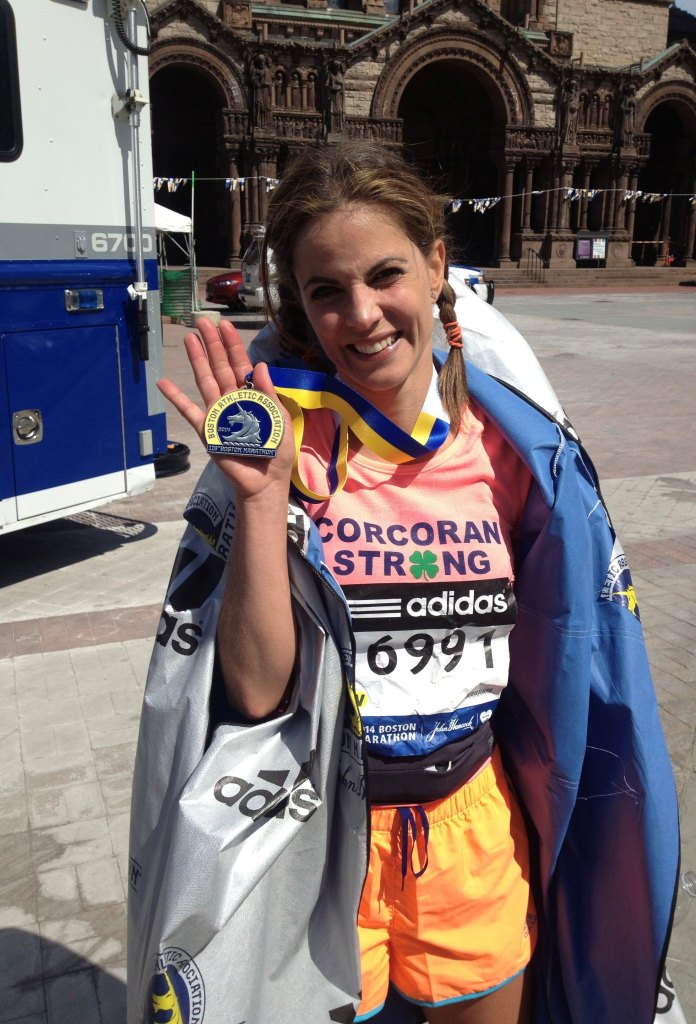
Natalie Morales: Oh, yes, absolutely. My husband [Joe Rhodes] and I are exercise nuts. We work out pretty much every day, even if it’s just walking the dogs, we walk fast with them every day. I try to challenge my brain. Brain health is so key. It is the most important muscle in our body. If I’m not working out, I am challenging myself and finding new passions and tasks or working on new projects. Whether you brush your teeth with your left hand if you’re right handed or drive your route a different way. Those are the little things you can do, but there are other things. Finding a passion that is new to you. I got back into horseback riding. I did it as a kid, but I’ve been doing that more now, and challenging myself in horse competition.
Also, talking to my kids and modeling that behavior for them. They exercise every day and they eat right and we have these conversations with them too. We’re not afraid to talk about this because, having dealt with it, we know how important it is for them to understand the genetic risks with Alzheimer’s disease.
Conversation
All comments are subject to our Community Guidelines. Woman's World does not endorse the opinions and views shared by our readers in our comment sections. Our comments section is a place where readers can engage in healthy, productive, lively, and respectful discussions. Offensive language, hate speech, personal attacks, and/or defamatory statements are not permitted. Advertising or spam is also prohibited.