Medicare Scammers Are Targeting Open Enrollment—How to Stay Safe This Season
Learn how to spot red flags, avoid fraud and keep your health benefits safe

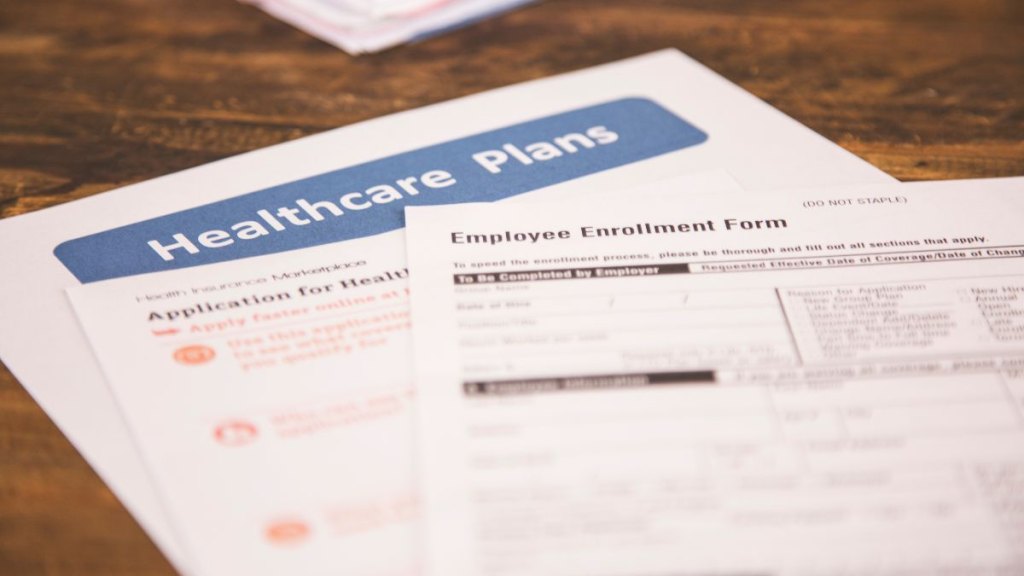
As millions of Americans are choosing their health benefits via open enrollment for the Affordable Care Act (ACA) Marketplace and Medicare, experts are warning about open enrollment scams that are costing people time and money and might even cause them to miss out on healthcare benefits for 2026. To learn more about these scams, including how to protect yourself, keep scrolling!

What to know about open enrollment scams
The new open enrollment scam occurs when a scammer contacts a potential victim—usually by phone—and pretends to be an expert in health insurance and/or Medicare during open enrollment season. During the call, the scammer reportedly promises they can get the victim a better health insurance or Medicare plan. The catch? They say they need documents like a Medicare ID number, Social Security number and/or bank account number. The scammer will also offer up services such as a free healthcare checkup or a free gift during the exchange to try and entice the person into offering up personal information.
One person told the Better Business Bureau (BBB) they got a call from someone pretending to be a finance expert. The caller asked “if I got a new updated Medicare card in the mail. He then verified my name and mailing address. Then he wanted me to get my old card and read off info to him, such as the date on the lower right side of the card. When he asked me to read my card number, I told him I cannot.”
Another person told the BBB they received a text saying that their health benefits were about to expire. When given a phone number to call and renew, the savvy would-be victim says, “Then, the representative told me I had to pay and my bank had to verify with them…That’s when I knew it was a scam.”

How to protect yourself from open enrollment scams
The top tip from experts at the BBB? Don’t answer calls from people you don’t know. They also recommend you safeguard personal information and only share it on official healthcare sites. “No matter how good the deal sounds and how convincing the caller seems, don’t do it!” the BBB warns. “Sharing personal information will expose you to identity theft.”
The simplest way to stay safe is to make sure you are signing up for Medicare on medicare.gov and signing up for all other insurance through your employer or at Healthcare.gov.


”Scammers today try to attach their scams to trending events and happenings, making them more believable and increasing their chances of success,” Pennsylvania Attorney General Dave Sunday Jr. said in a statement. “If you are using the marketplace to shop for a new health insurance plan this year, be sure you are practicing due diligence. Do not let scammers prevent you from accessing necessary medical care.”
Conversation
All comments are subject to our Community Guidelines. Woman's World does not endorse the opinions and views shared by our readers in our comment sections. Our comments section is a place where readers can engage in healthy, productive, lively, and respectful discussions. Offensive language, hate speech, personal attacks, and/or defamatory statements are not permitted. Advertising or spam is also prohibited.