A New Jersey Family Found a Mother Bear and Her Cubs Living Underneath Their House
“The initial reaction we saw them was, Wow, this is so cool. And they’re adorable.”

When Veronica O’Brien-Lim and Vincent Lim heard scratching beneath their Bergen County, New Jersey, home, they never imagined what was causing it. A mother black bear and her four cubs had moved in right under the house — turning a quiet neighborhood into a front-row seat for one of nature’s most surprising shows.
The discovery came down to one architectural detail that made the space irresistible to a mama bear looking for shelter. A gap in the foundation — left behind by previous owners during a home addition — had created the perfect den.
“So they were living under here because the previous owners when they built this addition, they dug a foundation under half of it,” said O’Brien-Lim, per WABC.
What happened after home owners discovered bears beneath their house
The bears weren’t just sleeping down there, either. They were foraging through neighbors’ trash, dragging it back under the house and treating the home’s infrastructure like a playground. Lim described how the young bears had taken a particular liking to one piece of equipment.
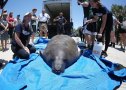
“The cubs are very intrigued by our central air unit, and so they’re using that as a climbing gym, and they’re chewing at the hoses and wires and things like that,” Lim told Optimum News 12.
Fascination turns to concern over the bear cubs
The Lim family’s first reaction wasn’t panic — it was pure wonder. As the bear family slowly revealed itself, Vincent Lim watched the head count grow.
“The initial reaction we saw them was, Wow, this is so cool. And they’re adorable,” Lim said. “We saw that there were actually three cubs and then eventually four cubs, and then I think we have the final count now as one adult bear and four cubs.”
But as the bears ventured out more, worry replaced wonder—especially with young children nearby. “People around here are concerned … because there are a lot of kids in the neighborhood,” he added.
O’Brien-Lim called NJDEP Fish & Wildlife for help, but the options weren’t simple. “It seems like any intervention is really a last course of action,” she said. “If they haze the mother out, she would possibly run and abandon the cubs, and then they would have to find another sow to basically put them with. Or if they tranquilized her and caught the cubs, they would have to create a new den for them nearby.”
Officials told her the bears would move on after a couple of days. Two more weeks passed.
Neighbor describes the bear spectacle that drew crowds
The extended bear residency turned the street into an unlikely attraction. Neighbor Donna VanRy described the scene as anything but peaceful.
“The first week after she posted that they were under there before they started coming out really, it was like paparazzi here, cars driving by, people walking by, where are the bears? It’s not a zoo,” VanRy said.
O’Brien-Lim said the bears created increased traffic in the neighborhood due to the spectacle.
How wildlife officials rescued a stuck bear cub
In April 2026, the bear family finally emerged from the den — but one little cub ran into trouble trying to scale a neighbor’s fence. “Then I went down and looked at a little cub trying to get over fence couldn’t make it,” neighbor Ray Miller said.

A Fish and Wildlife crew rescued the cub and returned it to its mother. Officials believe the bears were searching for food due to unusually warm weather but said they might return later or again in the fall when it’s time to hibernate.
The Lim family has been advised to seal off the area beneath their house. NJDEP Fish & Wildlife reminds the public about “the importance of securing trash and other possible sources of food that can attract bears to properties.”
As natural habitats shrink or become fragmented, black bears are pushed closer to neighborhoods where food sources such as garbage, pet food and crops are easy to access. Bears quickly learn to return to places where they’ve found reliable meals — a reminder that coexisting with wildlife starts with small steps right at home.
Conversation
All comments are subject to our Community Guidelines. Woman's World does not endorse the opinions and views shared by our readers in our comment sections. Our comments section is a place where readers can engage in healthy, productive, lively, and respectful discussions. Offensive language, hate speech, personal attacks, and/or defamatory statements are not permitted. Advertising or spam is also prohibited.