FTC Scams Are Costing Americans Thousands—These Warning Signs Will Keep You Safe
Arm yourself with the knowledge to recognize and stop these fraudsters before they strike

It can be terrifying to learn your data or finances are at risk. Naturally, if a Federal Trade Commission (FTC) agent offers to help keep you safe, it would seem foolish not to agree. But you may want to think twice—this is often the start of a sophisticated scam that could cost you thousands of dollars. Countless Americans have been caught up in these FTC scams, which scare victims into giving away money and personal information, but you can avoid the trap! Keep reading to learn more about how to protect yourself from these concerning schemes.
What are FTC impersonation scams and why are they so convincing?
The Federal Trade Commission (FTC) was created to protect consumers and shut down deceptive and unfair business practices. The agency also deals with issues related to fraud and scams—in fact, people are usually encouraged to report scams to the FTC so they can try and track down these criminals.
The bad news? Because Americans trust the FTC to help them, scammers see it as the perfect cover. By posing as FTC representatives, they exploit that trust to steal money and personal information. That was the case for one couple who lost more than $1.3 million in one of these scams, and their story isn’t unique.
Here’s how these criminals operate: They convince their targets to hand over cash or cryptocurrency as part of an alleged investigation that’s supposed to protect their finances and identity. But the truth is that money is just going right into the pockets of the scammers.

How FTC scams work: The tactics fraudsters use
FTC scams come in many forms, with con artists tailoring their approach based on each target. However, the end goal is usually the same: money.
In the case of the Maine couple, Business Insider reports that the pair was first contacted by people posing as bank and Amazon representatives who told them some of their sensitive data had been on the dark web. After months of struggling to place orders on Amazon, these calls were actually a relief for the couple—and that was especially true when an alleged FTC agent followed up with them.
Things quickly took a dark turn, however. This “agent” said the couple would be threatened with court action if they didn’t help catch the criminals, and the scammers even sent a fake yet convincing letter that said the investigation must remain a secret or the couple’s assets would be taken away.
Eventually, the “FTC agent” instructed them via WhatsApp voice messages to create a bitcoin account. The reason? It would “protect” their savings from being stolen by the cybercriminals who already had their Social Security number. Believing they were doing the right thing, the couple emptied their savings (including 401(k) plans) into this account, which the real scammers then used for their own financial gain.
In another FTC scam posted on Reddit, the poster’s mom (who has early-onset dementia) was targeted by scammers pretending to be FTC agents. They received remote access to her computer and convinced her it had been hacked—but they were doing an investigation to figure out who was responsible.
Using the same playbook, the scammers convinced the victim to withdraw and send cash needed for the investigation, though she was told the U.S. Treasury Department would repay her. Fraudulent documents were also used to make the scam seem more official and to convince the woman to keep quiet about the situation. She ended up handing over $30,000 to the criminals until a family member discovered what was going on.
Unfortunately, it can take months for victims to realize they’ve been scammed, and by then the money is often long gone.
Warning signs: How to spot an FTC scam before it’s too late
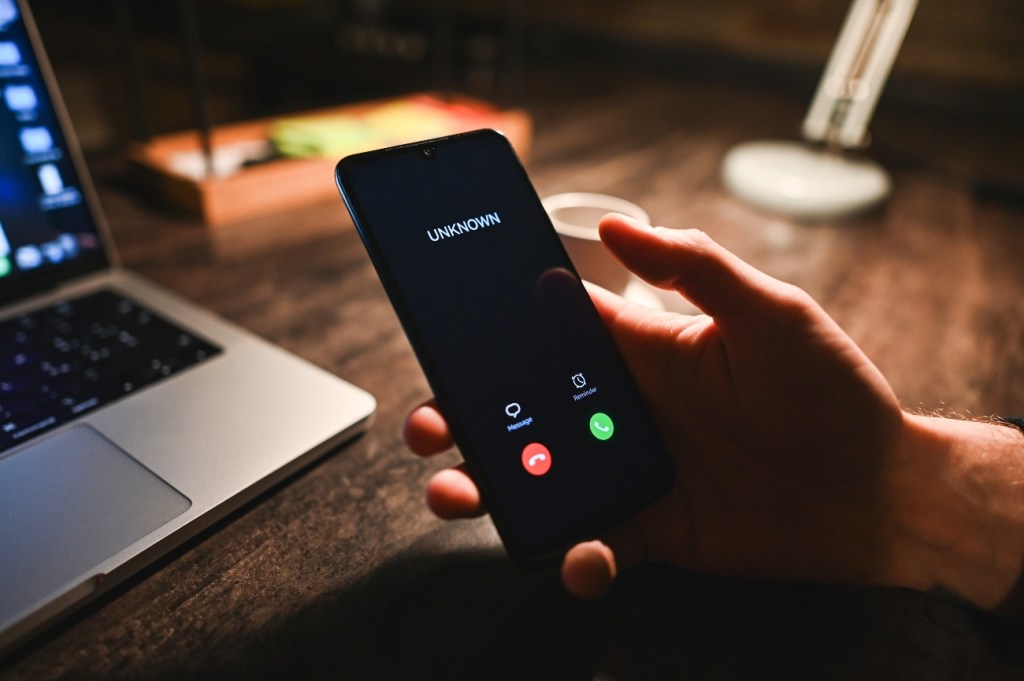
Though no two FTC scams are alike, they all share some similarities that can help you determine if you are being targeted by fraudsters. Here are the most common warning signs you should know about:
Red flag #1: You receive unexpected contact about fraud
These scams often start with a phone call from a company like Amazon, and a representative will tell you there have been issues with fraudulent accounts. After this, they say they will either connect you with an agent at the FTC or one will reach out separately. This is designed to instill trust and create a believable yet worrying scenario that makes you want to engage.
Red flag #2: They demand you act immediately
Bad actors instill fear in their victims to get them to act as quickly as possible before they report the scam or think twice before complying.
“He told me my home was being watched, my laptop had been hacked and we were in imminent danger,” recalled a writer for The Cut who was victimized in an FTC scam. The scammer also said he would help her, but only if she cooperated.
Red flag #3: They threaten you with arrest or legal action
In order to keep victims quiet, these alleged agents will insist that you must not speak out about the investigation until they “solve” it. The scammers may say you’ll be hit with fees, legal action or other serious consequences if you break this promise.
Red flag #4: They ask for payment
Fraudsters will provide you with an explanation as to why you need to give money to the FTC, which is commonly sent via wire transfer, gift cards, cryptocurrency and cash or pre-paid debit cards. The truth: The real agency will never ask for payments, and especially not through these methods that are hard to track!

What to do if you’re targeted: Your action plan for staying safe
Should you receive an email, text or phone call that seems like it could be the start of an FTC scam, your best plan is to not respond and avoid clicking on any links or attachments provided in the message. Instead, report the incident at reportfraud.ftc.gov.

If you’ve already sent money to an alleged FTC agent, contact your bank or financial institution right away. Significant financial losses should also be reported to your local police department.
Finally, if you recall giving away personal information or suspect that the scammers have somehow managed to obtain it, visit identitytheft.gov and share what happened. Someone will work with you to learn more about the situation and help you develop a plan.
Though it can be difficult to accept you’ve been victimized in a scam, know that you’re not alone. The sooner you speak up, the faster you can get the help you need to recover.
Conversation
All comments are subject to our Community Guidelines. Woman's World does not endorse the opinions and views shared by our readers in our comment sections. Our comments section is a place where readers can engage in healthy, productive, lively, and respectful discussions. Offensive language, hate speech, personal attacks, and/or defamatory statements are not permitted. Advertising or spam is also prohibited.