This Sneaky ‘Out of Stock’ Scam Is Targeting Online Shoppers—Here’s What You Need to Know
Learn the warning signs that could save your wallet and what to do if you've been victimized
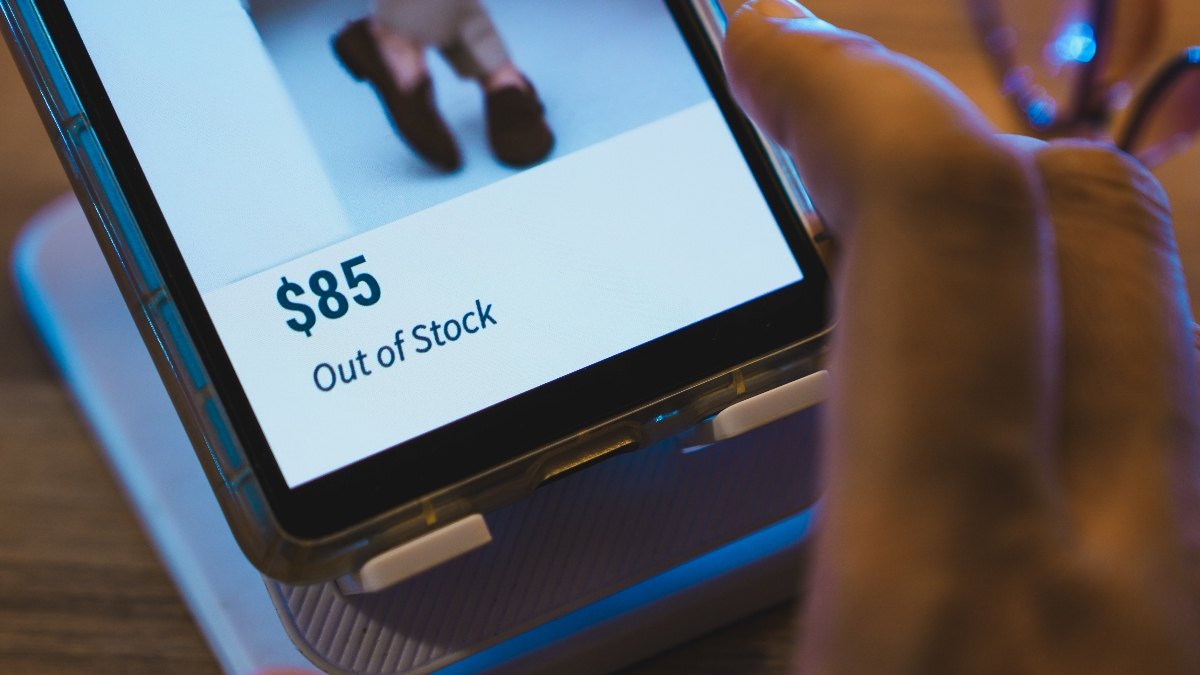
It can be disappointing to discover that a product you were hoping to buy online is no longer available. But what if you find out the item is out of stock after you’ve paid for it—and customer service is nowhere to be found? This nightmare scenario is becoming increasingly common as fraudsters target online shoppers with sneaky “out of stock” scams. If you’re curious about the red flags or wondering what to do if you’ve been victimized, we have the answers! Keep reading to learn more about this scam and how to keep your money safe.
What is the ‘out of stock’ scam?
While online shopping makes it easy to find fantastic new items to buy, it also creates an opportunity for fraudsters to dupe potential customers. In the case of the “out of stock” scam, these criminals often attract attention via a product ad on social media.
The price or the uniqueness of the item catches your eye, so you eagerly click through to the company website and add the product to your online shopping cart. But after checking out, you’re told that the item is out of stock. Even worse news: You’ve already been charged for the item—and that money is now in the hands of the scammers.

How scammers pull off the ‘out of stock’ trick
As you’re scrolling Facebook or Instagram, you may see a post about a must-have item for a steal. While it may not be something you’d normally buy, the price is something you can’t pass up! This could be advertised as a seasonal sale, a going-out-of-business event or a limited-time discount.
The company website will appear to be legitimate, so you’ll feel comfortable ordering. Plus, since everything with the checkout process goes smoothly, you won’t even suspect you’ve been scammed.
Unfortunately, the excitement about getting your new item quickly starts to fade. In some cases, you may immediately get an email telling you the item is no longer available—but that’s not always the case.
“The order went through and money was taken out of my account. After more than a week of [a] long wait for my order to ship, the order got canceled (saying the size ordered was out of stock),” one consumer shared on the Better Business Bureau Scam Tracker.
You may find yourself waiting even longer before receiving a status update—or you may never hear from the company at all. One customer managed to get in contact with the customer service team for a company, but never received the purchased product.
“After waiting for two months with poor contact from the team, they said ‘they were out of stock,’ Finally they sent it and the package was lost,” the reviewer wrote to the Better Business Bureau. “They sent me a second as replacement and it was not the t-shirt I ordered. I contacted them and they haven’t responded [to] my email nor social media post. Scam!”
While these criminals all operate differently, the scam always ends in the same unfortunate way for the victim: Your money is gone and there is no refund in sight.
What to do if you’ve been scammed
If you suspect you’ve been caught in an ‘out of stock’ scam, don’t panic—there are steps you can take to protect yourself and potentially recover your money. Start by contacting your bank or credit card company immediately.
They might ask for documentation, so it’s a good idea to collect receipts, order-confirmation numbers and any communication you’ve had with the fraudulent company.
Also smart: Report the company to the Better Business Bureau, Federal Trade Commission and the sales platform (like Amazon or eBay) if applicable. Taking time to complete this step will help keep the scammers from doing more harm and protect others from falling for their trap.

What to know when shopping online

The next time you’re online shopping, taking some extra steps can ensure you aren’t swindled out of money in one of these criminal schemes. Here’s what the Better Business Bureau advises for consumers:
Research the company
Though a website may appear to be for a legitimate company, that doesn’t guarantee it’s not a shady front for a scam. Your first step, check the website’s URL and make sure it begins with “https” (not http)—that ensures it has a secure connection. Next, try doing an online search on Google for the business and add the word “scam” to see what other customers have to say.
Use a credit card for purchases

It’s a lot easier to contest a charge via this type of payment method than it is a debit card. Plus, since credit cards aren’t linked directly to your bank account, you don’t have to worry about scammers stealing all of your hard-earned cash.
Keep records of your purchases
Hold onto all receipts and emails when you buy a product. Then, if the company does not deliver the product or provide a refund, you’ll be able to use this documentation when you try and get your money back for the purchase.
Above all: Trust your gut! If a deal or product you see online seems too good to be true, it likely is!
Conversation
All comments are subject to our Community Guidelines. Woman's World does not endorse the opinions and views shared by our readers in our comment sections. Our comments section is a place where readers can engage in healthy, productive, lively, and respectful discussions. Offensive language, hate speech, personal attacks, and/or defamatory statements are not permitted. Advertising or spam is also prohibited.