‘Please Give Me My Mom’s Pain’: How a Botched Surgery Turned an 11-Year-Old Into Her Mother’s Caregiver
A childhood spent caring for her mom inspired Feylyn Lewis to give young caregivers hope and support

Key Takeaways
- At age 11, Feylyn Lewis became a full-time caregiver after her mother's surgery was botched.
- She turned her childhood hardship into a mission, earning a PhD to help youth in crisis.
- Today, Dr. Lewis leads Tennessee's first-ever support group for young caregivers.
When Feylyn Lewis’s mother ended up unable to walk after a botched surgery, she found herself a caregiver at only 11 years old. The experience impacted her so much that she dedicated her life to helping other children with caring responsibilities find strength and hope. Here, she shares her story with Woman’s World.
Drawing a deep breath, 11-year-old Feylyn Lewis folded her hands in the darkness as she did every night, praying for the one thing her heart ached for.
“God, please give my mom’s pain to me so she doesn’t have to go through this anymore,” she said.
But the next morning, her mother still couldn’t walk, winced with each move and needed Feylyn’s help bathing, dressing and taking her medications.

How a botched surgery turned an 11-year-old into a caregiver
The little girl’s spirit deflated, seeing nothing had changed. For whatever reason, her prayer went unanswered. This new, terrifying and unfathomable life of theirs was apparently here to stay.
Twenty-seven years ago, the world shattered for the Hendersonville, Tennessee, family. Feylyn’s single mother, Darline Lewis, was diagnosed with degenerative disc disease and underwent a routine spinal surgery. The procedure was botched, leaving her disabled.
With her mother unable to walk, drive or return to her career as a labor and delivery nurse, Feylyn’s 18-year-old brother, Ferrell, dropped out of college, moved home and worked to pay the mortgage.
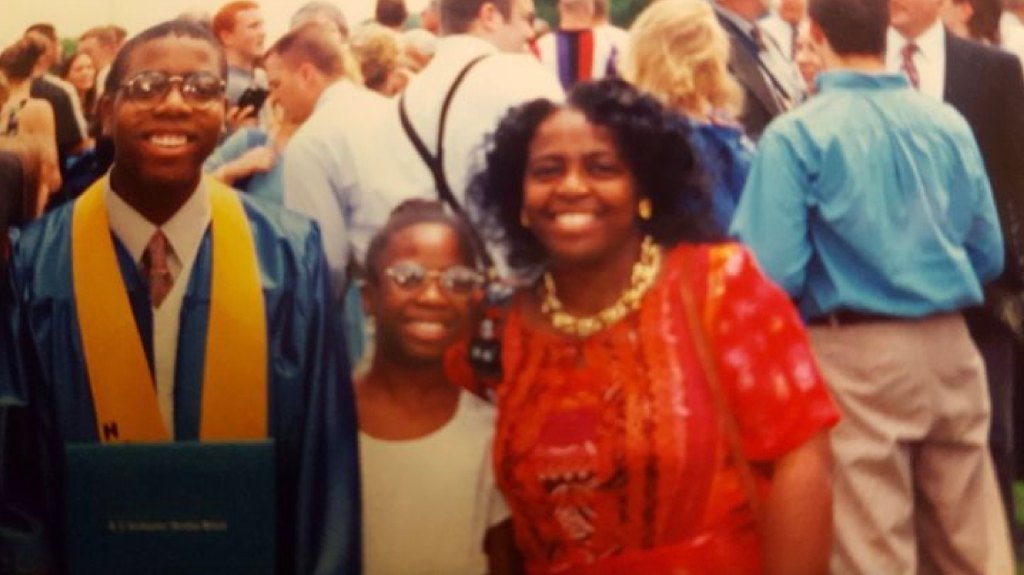
Feylyn was then thrust into being the one in charge of her mother’s intimate care when she wasn’t at school.
As the years went by, Darline slowly regained the ability to walk, drive and tend to her basic needs again, but she still couldn’t return to work and had to live with Ferrell.
Seeing how it affected her and her brother, a passion stirred in Feylyn’s heart. Young caregivers need more support and hope, she realized. I need to find a way to help them!
From young caregiver to champion for children in crisis
In 2013, Feylyn moved from the United States to the United Kingdom to study under world-renowned young caregiver researcher Saul Becker, Ph.D.
She continued her mission, and eventually she graduated and moved back to Tennessee to care for her mother again, who had since suffered a stroke.
Today, Feylyn has a Master’s degree in clinical mental health counseling and a Ph.D. in social work. She specializes in supporting the mental health of young caregivers, while serving as assistant dean of student affairs at Vanderbilt University School of Nursing.
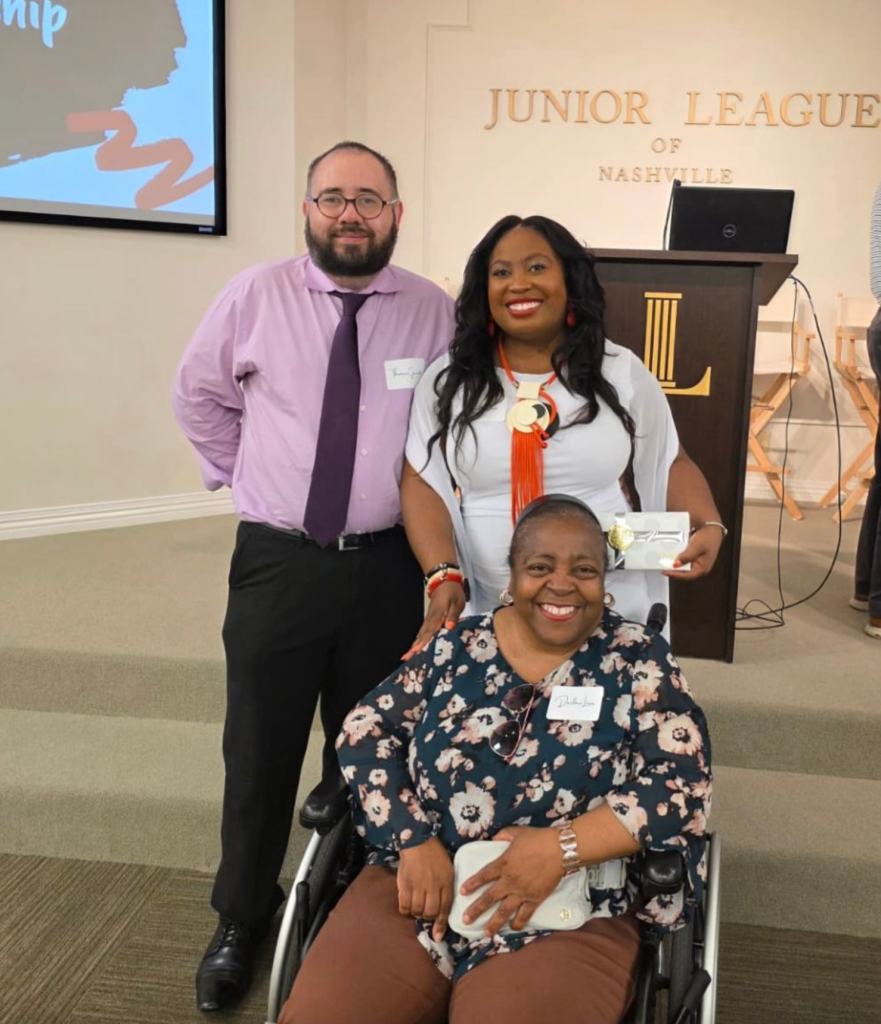

Leading Tennessee’s First Support Group for Young Caregivers
She leads the first-ever support group in Tennessee for youth caregivers. She shares resources and information on her website, DrFeylynLewis.com, and impacts hundreds of young caregivers around the world.
“I never felt seen growing up, so it’s nice to see more resources for the child caregiver community,” one student wrote to her.

“I took care of my ailing grandparents when I was a teenager, and I also felt alone for so long. Thank you for your efforts!” wrote another.
As for Feylyn, she feels called to offer the help that she wished she had.
“We need to ensure that young caregivers have the support they need,” she says. “As for the young carers, speak up about the amazing contributions that you do. God has the power to transform any challenge into tremendous good!”
Conversation
All comments are subject to our Community Guidelines. Woman's World does not endorse the opinions and views shared by our readers in our comment sections. Our comments section is a place where readers can engage in healthy, productive, lively, and respectful discussions. Offensive language, hate speech, personal attacks, and/or defamatory statements are not permitted. Advertising or spam is also prohibited.