Tom Selleck Westerns: How the ‘Blue Bloods’ Actor Found a Home in the West
How 'The Sacketts,' 'Quigley Down Under' and ranch life changed Tom Selleck forever

Key Takeaways
- Tom Selleck says 'The Sacketts' didn't just launch his career—it changed his life.
- A Western role inspired Selleck's dream of owning a ranch, horses and land.
- From 'Quigley' to 'Monte Walsh,' Westerns shaped Selleck's outlook for decades.
For most television viewers, the career of Tom Selleck begins with Thomas Magnum’s Ferrari. For others, it starts around the Reagan family dinner table on Blue Bloods. Yet if you listen to Selleck talk about the experiences that truly shaped him, he almost invariably finds his way back to a very different place: the American frontier. More specifically, he returns to a 1979 television miniseries based on the novels of Louis L’Amour, a project that not only altered the course of his career but, as he has frequently claimed, changed the course of his life.
Looking back in his memoir You Never Know, Selleck made it pretty clear. “The Sacketts was a high-profile miniseries, and I was a key part of the cast,” he wrote. “It’s no exaggeration to say that The Sacketts changed me. I had done a solid piece of work, and people would actually see it. I had found a genre where I was sure I belonged. I had been exposed to a lifestyle that I had never really considered but I wouldn’t soon forget. That job changed my professional opportunities and my whole outlook on what my appetites might be—and not only as an actor. In all of my life. This life should be a part of my life.”
It’s a pretty amazing statement, particularly because Selleck wasn’t talking about fame, ratings, awards or career momentum. He was instead talking about the basic idea of simply belonging. Somewhere between the horses, the landscape and the people surrounding him, he discovered something that resonated deeply.
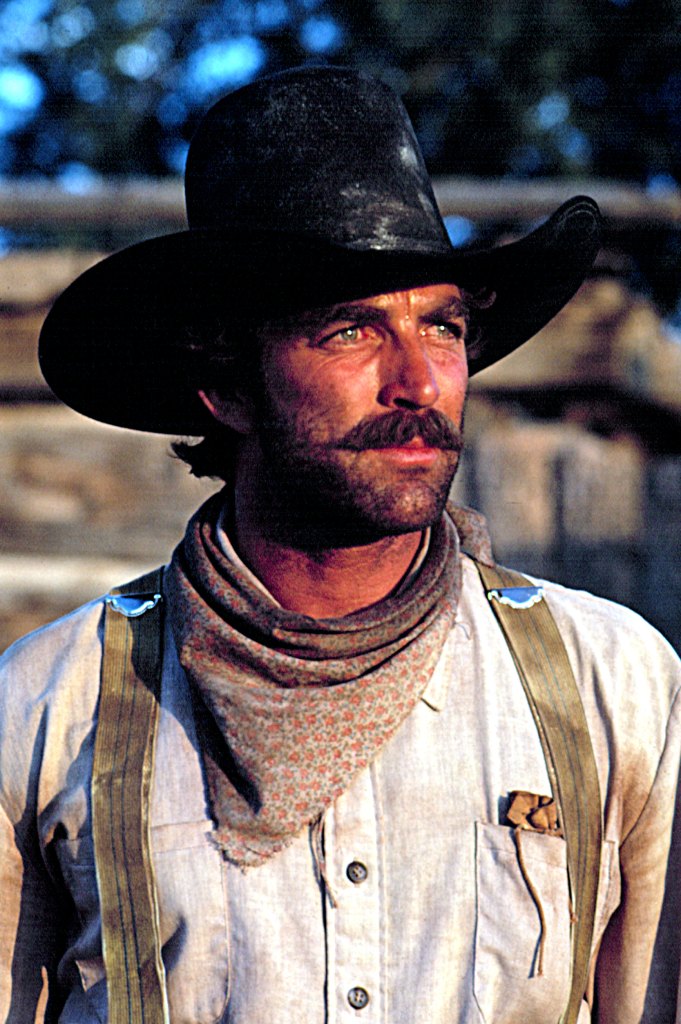
That realization might have surprised the young actor who arrived on the production. A newspaper profile published during that period described Selleck as Detroit-born and Los Angeles-raised, hardly someone whose background suggested he was destined to become one of the most recognizable Western stars of his generation. In fact, acting itself had not been the carefully mapped-out ambition many fans might assume. Reflecting on those early years, Selleck admitted, “I got into the business by accident.”
His path to the West
Before acting took hold, he had attended college on a basketball scholarship and was still trying to figure out what direction his life would take. Westerns weren’t part of some grand master plan, nor was the notion of him becoming a television icon. Like so many turning points in life, the opportunity simply appeared. And what The Sacketts offered was more than a starring role. It offered an education.
Years later, while preparing to enter the National Cowboy & Western Heritage Museum’s Hall of Great Western Performers, Selleck reflected on the company he found himself keeping during that production. “When I started doing Westerns, it was my friend Ben Johnson,” he recalled. “And what a way to start a Western with him next to you most of the time in The Sacketts. And Slim Pickens was in that movie. Jack Elam was in that movie. Buck Taylor was in that movie. I could just watch people and learn.”
That cast list reads like a Western Hall of Fame. Ben Johnson had worked as a rodeo cowboy before becoming an Academy Award-winning actor. Slim Pickens came directly from the rodeo circuit. Jack Elam and Buck Taylor were already beloved figures within the genre. For a younger actor still finding his voice, simply observing these men at work became a master class.
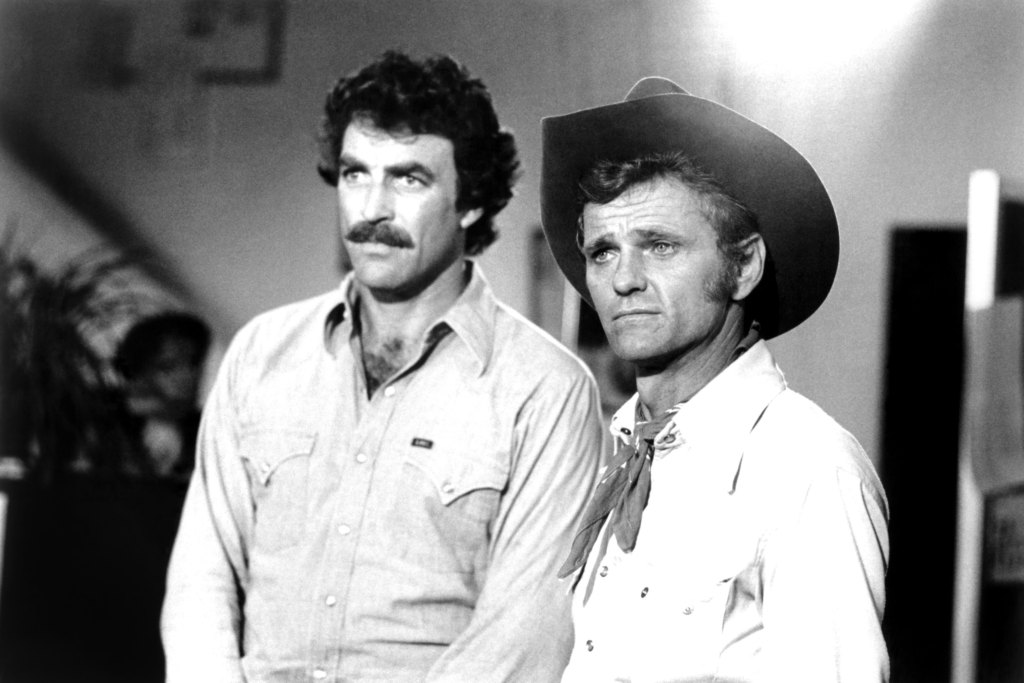
Author Louis L’Amour’s presence added another dimension. While Selleck was not initially a devoted reader of his novels, he quickly developed a deep appreciation for both the material and the man behind it. More importantly, they had introduced him to a genre that suddenly felt like home.
“I’ve always enjoyed the Western genre,” Selleck later explained, “but I got hooked on Westerns with The Sacketts.”
That word—hooked—appears repeatedly whenever he discusses the project. It wasn’t simply another acting job or a stepping stone toward future opportunities. Something fundamental had happened, and the more Selleck reflected on that period, the clearer it became that The Sacketts affected him on multiple levels at once.
One of those influences involved authenticity, a concept that would become increasingly important throughout his career. Even in 1979, Selleck appreciated the production’s effort to avoid a polished Hollywood version of the Old West. Discussing the filming experience, he remembered, “It’s an old-fashioned Western, but it is also realistic. We don’t sell slick and processed up, because I was in a section dealing with a cattle drive. I wore the same outfit—and so did the others in the scenes—for six weeks. If I didn’t, it wouldn’t have had the same feel.”
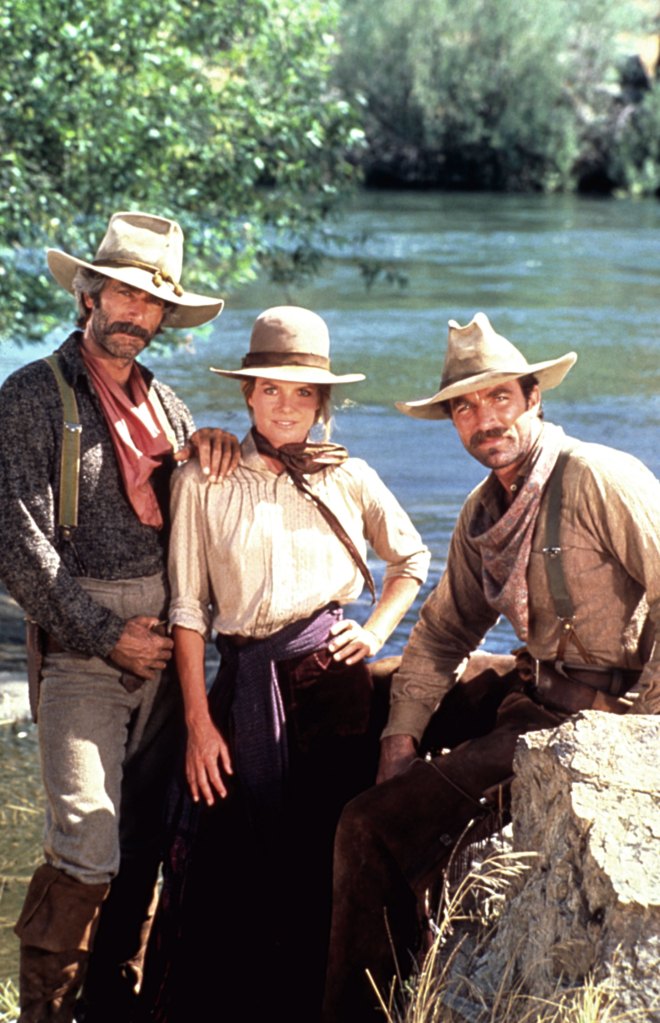
The comment may sound minor, but it hints at something that would become a recurring theme throughout his life. Selleck cared about the details, wanting things to feel genuine. As the years passed, that commitment would extend to saddles, firearms, hats, horses and virtually every other aspect of Western filmmaking.
Yet perhaps the most profound impact of The Sacketts occurred away from the cameras altogether. Years later, speaking to Country Living, Selleck revealed that the production planted an idea that never left him. “When I got The Sacketts,” he said, “it’s where I realized that, if I ever could afford it, I’d like to have a ranch and some land and horses.”
It’s one of the most revealing comments he has ever made about the project because it moves beyond acting and proves that the production was influencing the life he wanted to build. Long before he owned a ranch, and long before he spent his days caring for horses and working the land, the seed had already been planted.
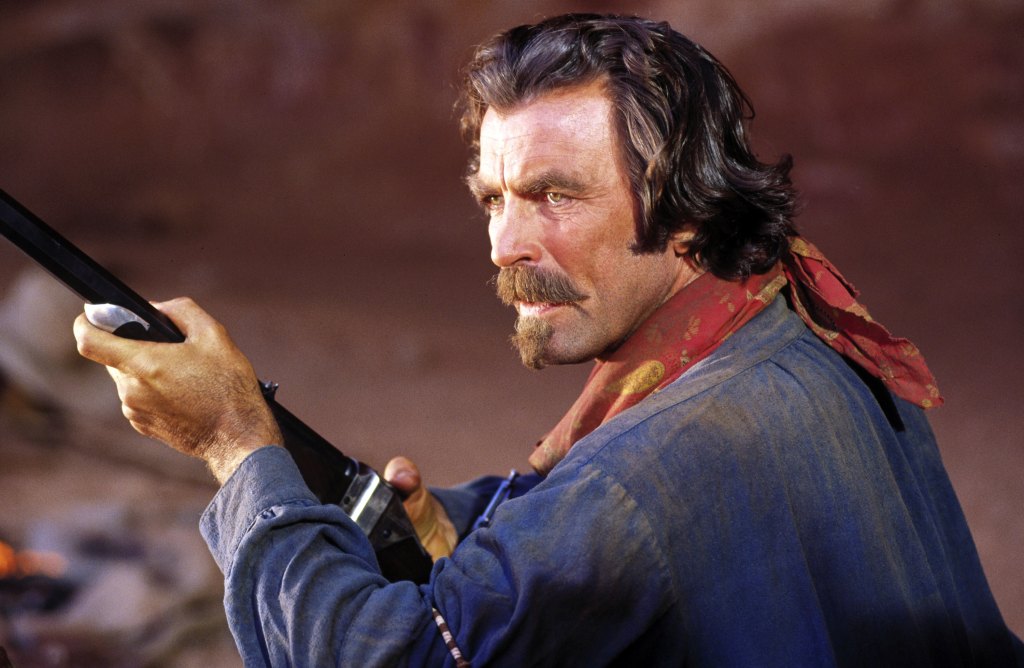
At the same time, the professional benefits were impossible to ignore. The Sacketts demonstrated that Selleck looked comfortable in the saddle and believable in the Western world, which is something that producers noticed. One profile from the era observed that after seeing him in The Sacketts, producer Ernie Frankel knew he had found the right actor for another Western project, Concrete Cowboys. Opportunities began arriving with increasing frequency.
And even more importantly, the friendships continued. Among them was a friendship with Louis L’Amour that would soon lead to another memorable Western adventure, one built around a promise made by a group of actors and a novelist who hoped they might someday ride together again.
Louis L’Amour, ‘The Shadow Riders’ and learning the craft
If The Sacketts opened the door to the Western genre for Selleck, it also introduced him to relationships that would last for decades. Chief among them was Louis L’Amour, whose novels had inspired the miniseries and whose friendship would leave a lasting impression on the actor.
The bond that developed among the cast and creative team during The Sacketts was strong enough that they made an unusual promise to one another. Looking back in You Never Know, Selleck recalled, “During The Sacketts, Ben Johnson, Jeff Osterhage, Louis L’Amour, Sam Elliott and I had made a pact that if we got another chance to work together in a Western, we would all show up.”
At the time, nobody knew whether that opportunity would ever come. But Louis L’Amour had other ideas. While the Sackett family stories became tied up in legal complications, preventing immediate follow-up adaptations, L’Amour simply created a new family and a new adventure. “With Louis’ Sacketts tied up in some kind of litigation,” Selleck wrote, “he created a new family, the Travens, in his next book, The Shadow Riders. CBS jumped at the chance to make it a movie.”
Just like that, the old gang was back together. “So our band of brothers,” Selleck remembered, “and, oh yes, a new sister, Katharine Ross, were all in Sonora.”
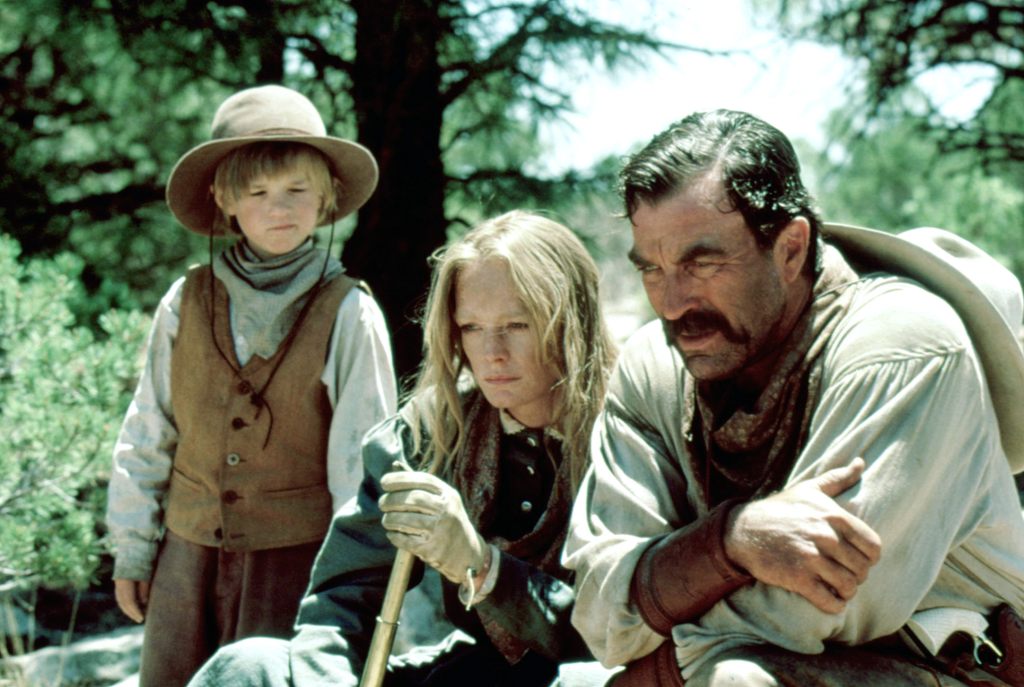
The phrase “band of brothers” is telling. When Selleck discusses Westerns, he often talks about the trappings as well as the people. The friendships formed during these productions clearly mattered to him. In Sam Elliott he found a lifelong friend, n Ben Johnson he found a mentor and in Louis L’Amour he found someone whose respect meant a great deal.
After The Shadow Riders wrapped, L’Amour presented Selleck with a gift that remains one of the most meaningful acknowledgments of his career. “After we finished,” Selleck wrote, “Louis L’Amour gave me a leather bound edition of The Shadow Riders. He signed it: ‘To Tom Selleck. You make my people live. What more can I say? Louis.'”
For an actor portraying characters created by one of the most successful Western novelists in history, there was probably no higher compliment. L’Amour wasn’t simply praising a performance, but rather he was telling Selleck that he had successfully brought his fictional world to life.
That validation came at a time when Selleck was becoming increasingly invested in Western storytelling. The genre had stopped being something he occasionally visited and was becoming something he actively studied. Years later, he would describe how his understanding evolved. “The more I’ve learned,” he said, “the more particular I’ve become.”
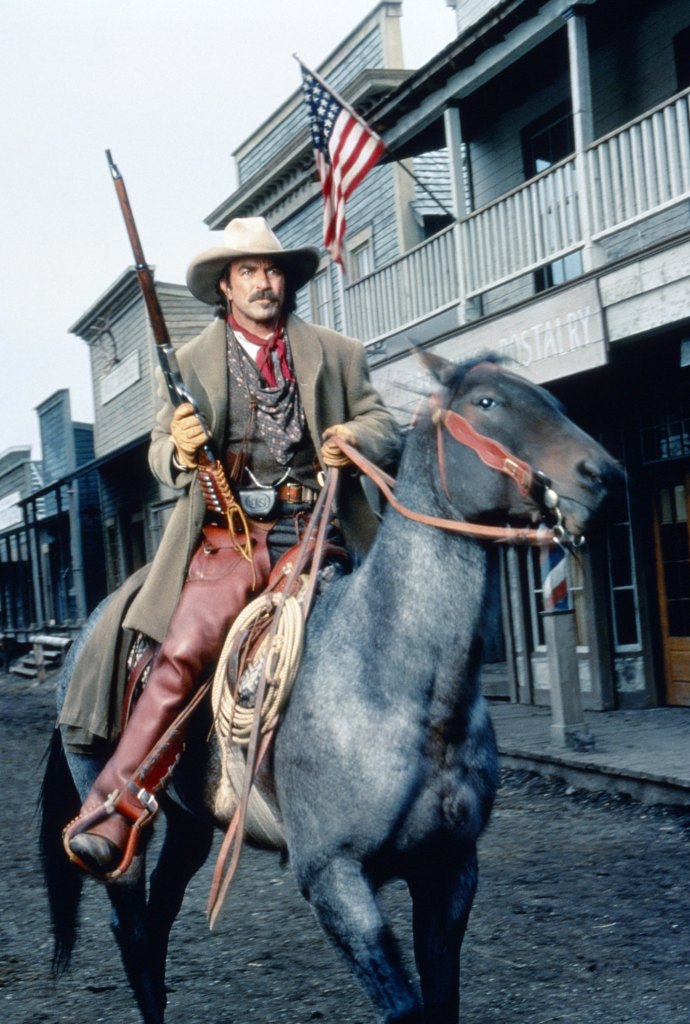
As his Western career continued, Selleck developed a reputation for paying extraordinary attention to details that many viewers would never consciously notice. He cared about hats, saddles, firearms, wardrobe, horse tack and period accuracy. The more he learned about the history of the American West, the harder it became to ignore mistakes that Hollywood routinely accepted. “I’ve gone for accuracy,” he explained.
That commitment became a philosophy. Speaking during his Hall of Great Western Performers induction weekend, Selleck explained how he approached creating characters. “I’ve always found the accuracy of that stuff really important,” he said. “The way I learned my craft as an actor, props and wardrobe are extremely important. If you’re cast right and then your wardrobe furthers who the character is and your props do, you’re about 90 percent there. Then you only screw it up by acting.”
It’s a funny line, but it reveals something significant about how he works. Selleck doesn’t treat costumes and props as decoration, but instead as extensions of character. The right hat tells you something about a man while the right saddle adds to that story. The right revolver, rifle or pair of spurs helps create someone who feels real rather than manufactured.
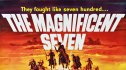
Over time, he became deeply involved in those choices. During the same interview, he enthusiastically discussed custom-built saddles, historically accurate spurs, period firearms and the painstaking research that went into productions like Monte Walsh and Last Stand at Saber River. What emerges from those comments isn’t the portrait of an actor casually passing through the genre. It sounds more like a collector, historian and preservationist rolled into one.
And others noticed. Director Simon Wincer, who would eventually collaborate with Selleck on several Westerns, understood just how much the actor enjoyed that side of the process. “Tom’s fantastic with that sort of stuff because he loves it all,” Wincer observed.
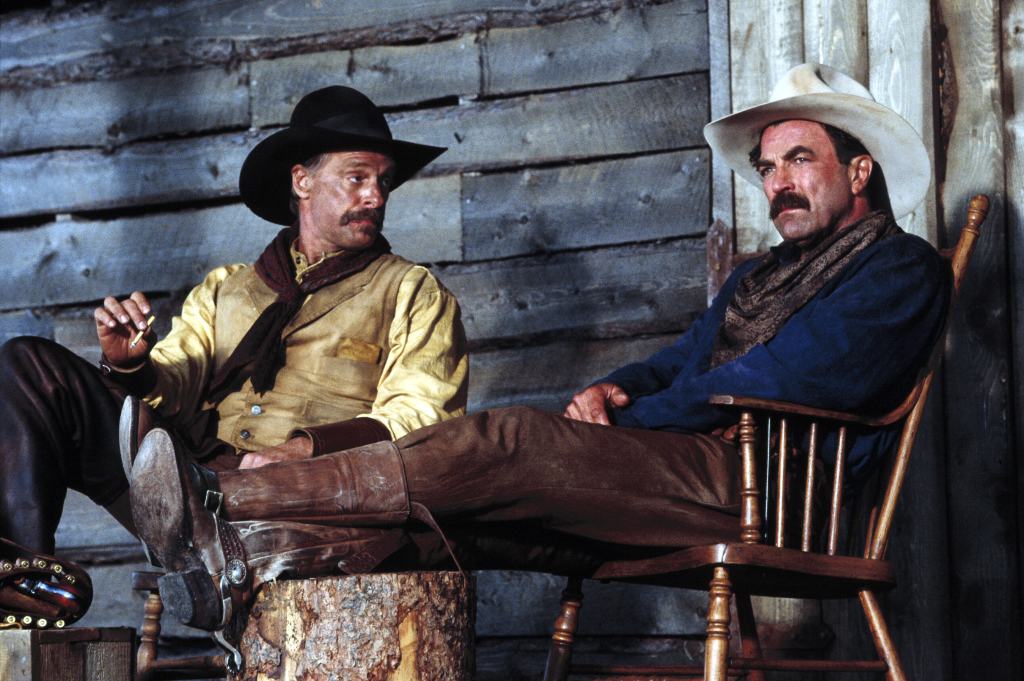
Actress Laura San Giacomo came away with a similar impression. “The detail was so amazing,” she recalled. “I remember Tom being so proud of the detail that was in all the props and the guns and the period stuff.”
What’s fascinating is how naturally all of this seems to have grown out of The Sacketts. The young actor who arrived on that production hoping to do good work gradually became someone who wanted to know why a particular saddle was used, whether a rifle was historically correct or how a horseman of a certain era would have dressed.
And that curiosity never left him. As a matter of fact, it appears to have deepened with every Western he made. Looking back, Selleck often returned to the same thought.
“I was very lucky to get cast in The Sacketts,” he said. Then, almost as if he were summing up the entire experience in a single sentence, he added: “I got hooked on the genre.”
By the end of the 1980s, that passion would lead him to perhaps the most iconic Western role of his career—a sharpshooter named Matthew Quigley, a sprawling adventure set in Australia and a film that would give him both a signature role and a horse that would remain part of his life long after the cameras stopped rolling.
‘Quigley Down Under,’ Spike and bringing the West home
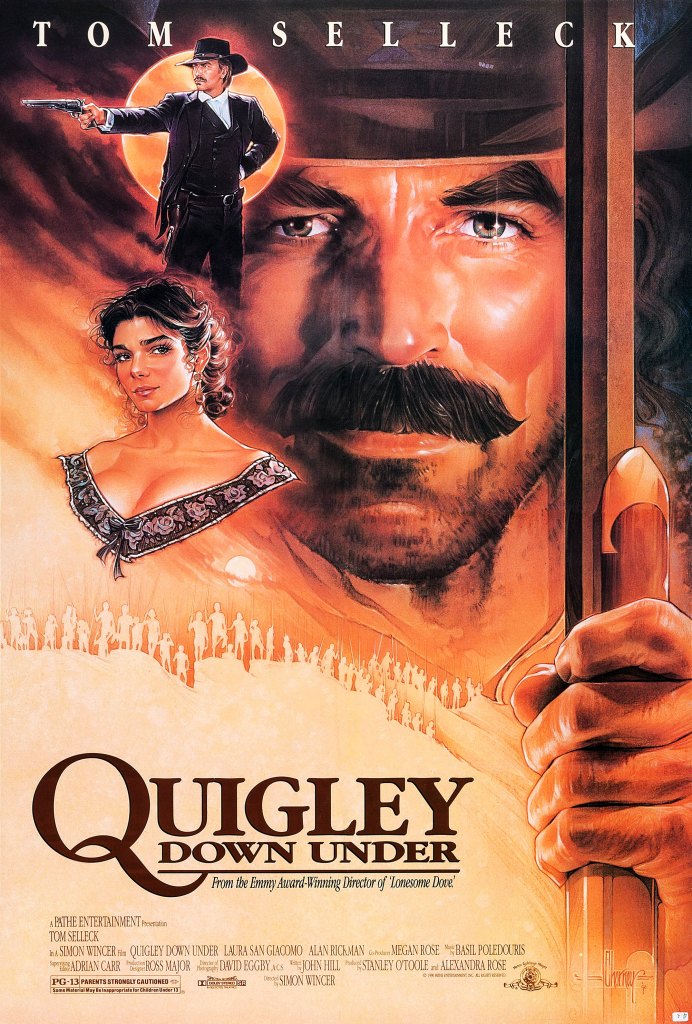
By the time Quigley Down Under arrived in 1990, Selleck had already achieved something many actors spend entire careers pursuing. Magnum, P.I. had turned him into one of television’s biggest stars, his face was instantly recognizable around the world and he had successfully moved between television and feature films. Yet despite all that success, Quigley Down Under represented something special. Looking back years later, Selleck admitted that he had long carried a particular ambition. “I was thinking the other day that I probably had two fantasies as an actor,” he recalled. “And one is to do a Western, which I just did, and the other would be to do a baseball movie before I get too old and have to play a manager.”
The comment might seem surprising considering that he had already appeared in The Sacketts, Concrete Cowboys and The Shadow Riders. But Quigley was different. This was a large-scale theatrical Western built around a larger-than-life hero, the kind of role usually associated with the giants of the genre.
“When I found the script, it had already been through a lot of hands, one of them being Sean Connery’s, but I just absolutely loved it,” he reflected. “It was this bigger-than-life, iconic character, the kind of role you would want to cast John Wayne in.” The appeal was undeniable, but so was the pressure. Years later, Selleck admitted that stepping into the role wasn’t entirely comfortable. “I found it a little intimidating starring in Quigley because I said, ‘I think I would have cast John Wayne in this.’ And he would have done better, but I had to get over that.”
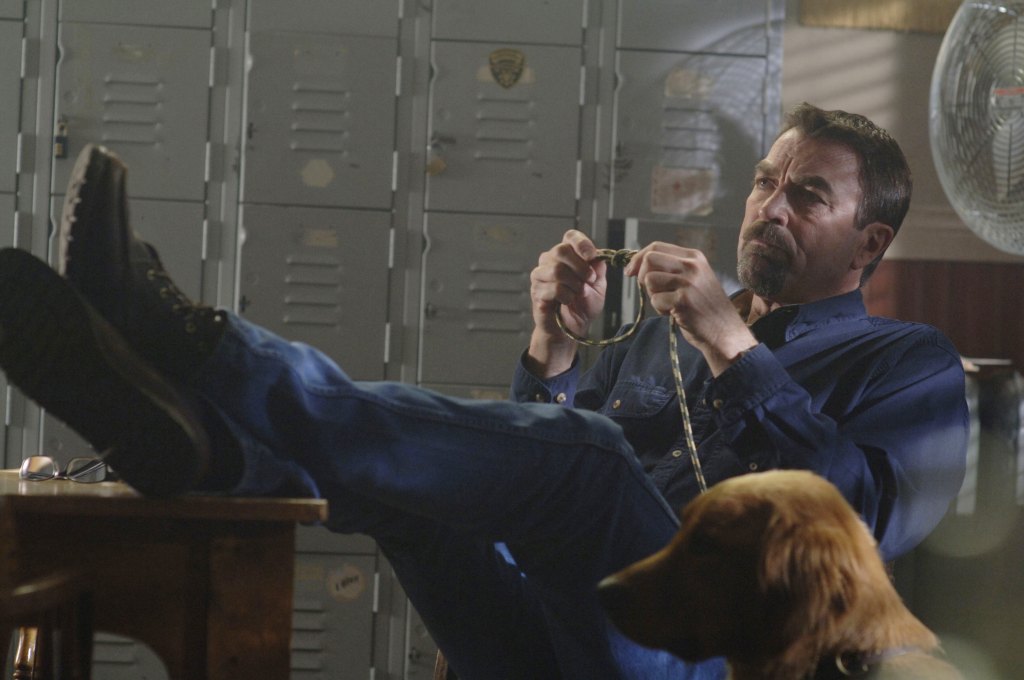
When he accepted a Western role, more than taking a job, he was stepping into a tradition that he respected deeply and wanted to honor. And helping him achieve that was director Simon Wincer, who would become one of Selleck’s most important collaborators. Reflecting on the production years later, Selleck praised Wincer’s instincts and understanding of the material. “I think Simon really got that picture,” he said. “He’s Australian, but he also understands horses.” The Australian setting gave the film an added dimension as well. Rather than simply retelling familiar frontier stories, Quigley Down Under placed a classic American Western hero in an unfamiliar landscape. Selleck thought that contrast was part of the film’s enduring appeal. “I think the idea of a fish out of water, particularly a cowboy, going somewhere else has a great allure.”
The film would ultimately become one of the most beloved Westerns of Selleck’s career, and he remains proud of it decades later. “It’s passed the test of time and is still very, very popular,” he said. The affection audiences continue to have for the film is undoubtedly connected to the care that Selleck and Wincer invested in every aspect of the production. When promoting the film in 1990, he was asked about Matthew Quigley’s famous Sharps rifle. Rather than offering a brief answer, he immediately launched into a discussion of its history and technical specifications.
Years later, he was still discussing that rifle with obvious enthusiasm. “Simon and I worked very hard to make this Sharps rifle a character in the script,” he said. In Selleck’s view, the weapon was part of the story itself, something audiences needed to understand in order to appreciate who Matthew Quigley was. “The Sharps rifle was literally the instrument of this Avenging Angel,” he explained. The effort paid off. Fans still quote dialogue from the film and still associate him with the character. “It’s tied to me,” Selleck said. “I’m proud of that.”
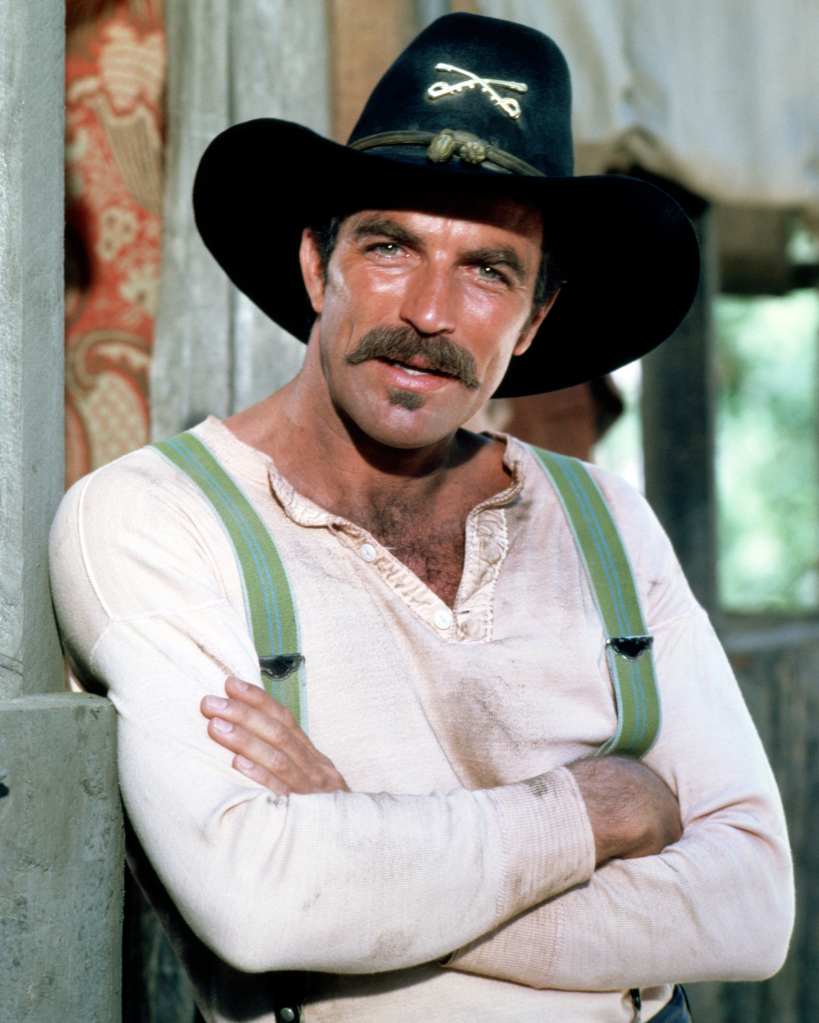
Part of what attracted him to projects like Quigley was the opportunity to learn. “I enjoy learning or acquiring or just doing the kind of special skills that different characters have in a movie,” he explained. Westerns offered those opportunities in abundance. They required horsemanship, marksmanship, physical confidence and an understanding of environments far removed from sound stages and studio lots. For Selleck, it was all an ideal fit.
The production also introduced him to one of the most enduring companions of his career. The horse Selleck rode in Quigley Down Under was named Spike, and long after filming ended, Spike remained part of his life. “Spike is still in my barn,” Selleck would share. The horse eventually made the trip from Australia to California and even appeared in another film. “Spikey’s been in two movies,” Selleck joked. “He’s a big time movie star.” The story is amusing, but it also illustrates how completely Westerns had become woven into his life. The productions didn’t simply end when filming wrapped. In some cases, they literally followed him home.
The Selleck ranch
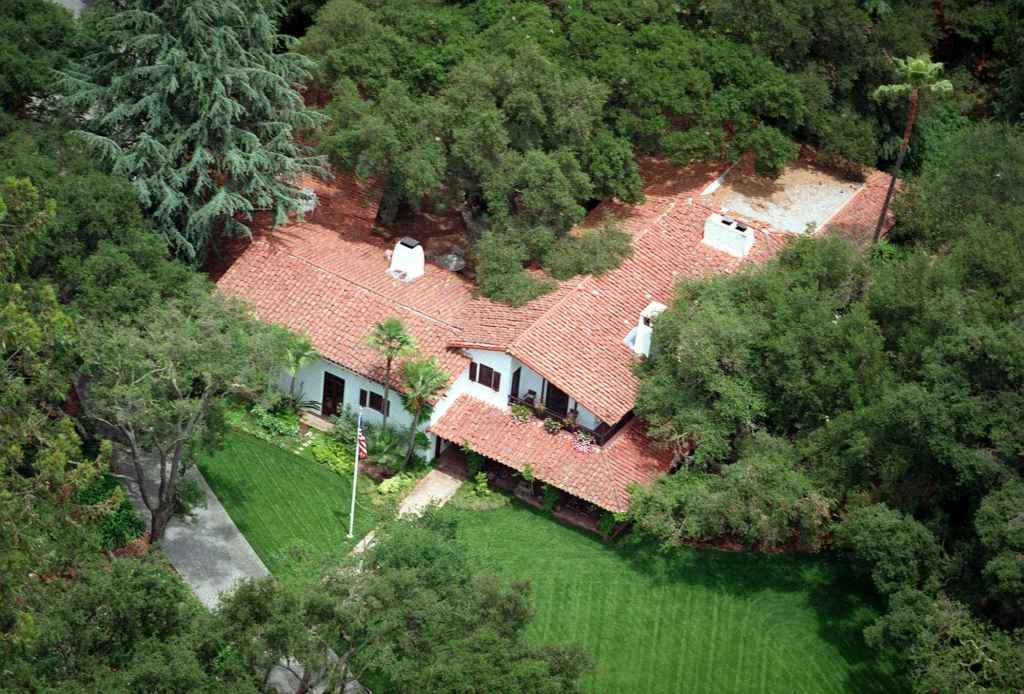
In fact, that process had begun years earlier while filming The Sacketts. Reflecting on that experience, Selleck recalled, “When I got The Sacketts, I was just hooked. It’s where I realized that, if I ever could afford it, I’d like to have a ranch and some land and horses.” Amazingly, what began as a passing realization eventually became reality. Selleck purchased a ranch in Ventura County and embraced a lifestyle that would have seemed unlikely to the young man who grew up in suburban Southern California. More importantly, he never described the property as merely a refuge from Hollywood. When discussing the ranch, he usually talked about the work involved. “I do most of the grunt work around the ranch, and 65 acres is a pretty big piece of property for around here.”
The connection between the ranch and the Westerns wasn’t something biographers invented after the fact. Selleck made the connection himself as the Westerns introduced him to horses, ranches and landscapes he had never experienced growing up in Sherman Oaks. Most importantly, they introduced him to a way of life that clearly resonated with him. The dream that first surfaced while filming The Sacketts eventually became part of his everyday reality. By the time Spike was standing in a barn on his California ranch, the line between the Westerns he made and the life he lived had become remarkably difficult to separate.
As the years passed, another realization began to emerge the power of “place” and how landscapes, open space and the connection between people and the land meant something. And that realization would shape some of the most meaningful work of his career, including a project that many fans consider his finest Western performance.
‘Monte Walsh’ and Why He Never Stopped Wanting to Ride
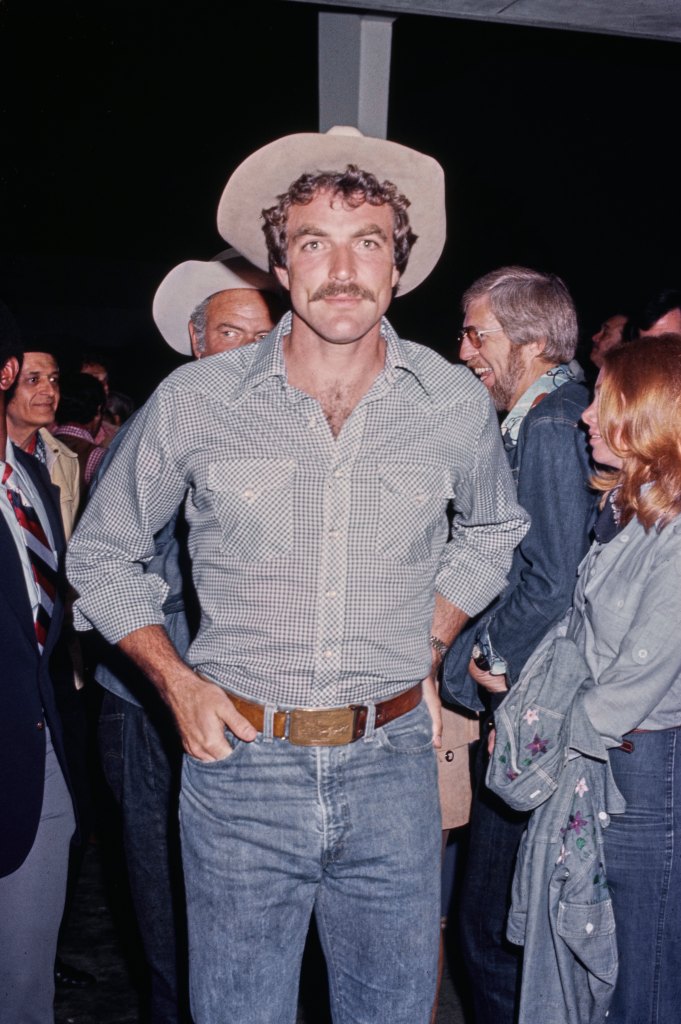
If there is one idea that surfaces repeatedly whenever Tom Selleck talks about Westerns, it’s the importance of landscape and the role it plays in shaping both stories and the people who inhabit them.
Looking back on his years making Westerns, Selleck once reflected, “This sense of place has become very important and was instilled in me when I started doing Westerns.” It wasn’t an isolated comment. In another interview, he expanded on the thought and explained what attracted him to certain Westerns over others. “The kind of movies Westerns I prefer doing are not really towny Westerns,” he said. “They’re movies where the land is a central character. Vast open spaces, I think audiences really respond to that, particularly nowadays.”
He made a similar observation while discussing the appeal of the genre more broadly. “In the kind of Westerns I like, the land is usually a central character in the movie. It’s like one of the actors.”
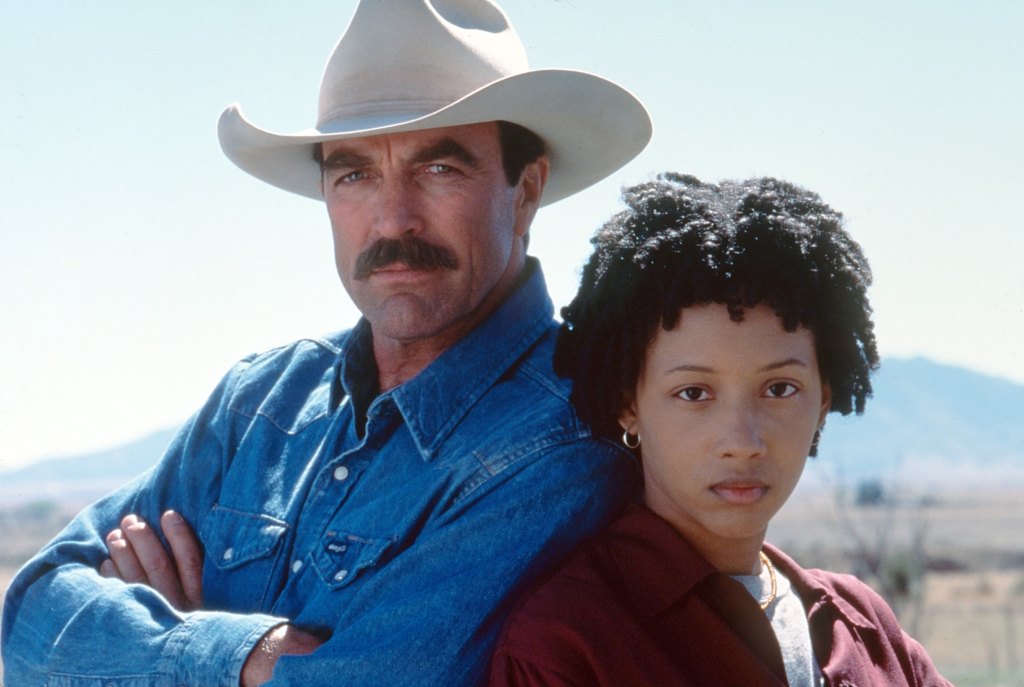
That perspective helps explain many of the projects he chose throughout his career. Whether it was the frontier settings of The Sacketts, the Australian Outback of Quigley Down Under or the sweeping vistas of later Western productions, the locations themselves were often as memorable as the characters riding through them. Selleck wasn’t drawn exclusively to action-oriented Westerns. He was drawn to stories that immersed viewers in a world and allowed them to experience it alongside the people on screen.
As Western production slowed in Hollywood, he became increasingly vocal about missing the genre. “I hope I’m not done doing westerns, though, as they are now very hard to get off the ground. I so miss it,” he admitted. Then he explained why those projects continued to matter so much to him. “More than any other experience I’ve had in film, these movies create a sense of place.” And there’s that word again.
That appreciation found perhaps its purest expression in Monte Walsh, the 2003 television adaptation of Jack Schaefer’s celebrated novel. The story follows aging cowboys confronting a rapidly changing world, watching as the life they love slowly disappears around them. It isn’t a Western built around shootouts or spectacular action sequences. Instead, it’s a story about change, loyalty, friendship and identity.
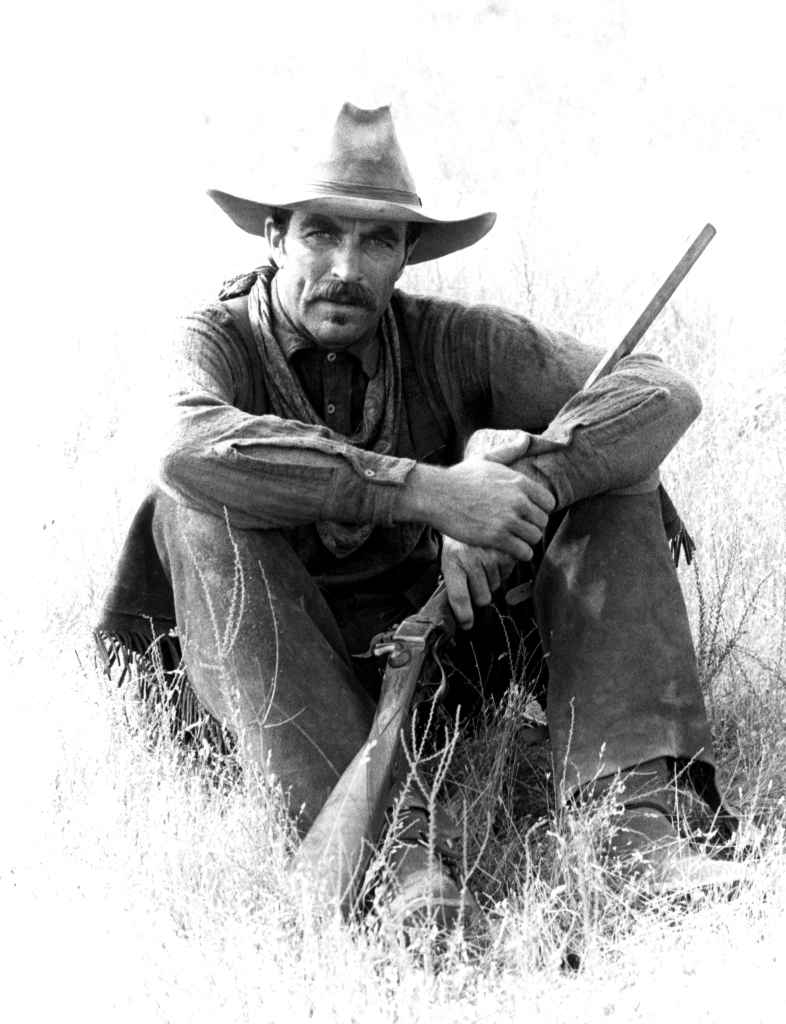
Not surprisingly, Selleck connected with it immediately. Discussing the film, he offered a simple explanation for its appeal. “Monte Walsh is a simple morality story, as most great westerns are.” The statement is revealing because it cuts directly to what he consistently admired about the genre. Westerns, at least the ones he valued most, weren’t primarily about violence or adventure. They were about choices, responsibility and the people trying to live according to a code even when circumstances made that difficult.
Those themes appear repeatedly throughout Selleck’s comments over the years. During a discussion of his involvement with the Josephson Institute of Ethics and the Character Counts program, he highlighted six values the organization sought to promote: trustworthiness, respect, responsibility, fairness, caring and citizenship. He spoke passionately about the importance of character and personal accountability, observing that “people who do the right thing tend to be self-governing and they need less laws…”
It’s difficult not to hear echoes of the Western heroes he admired in those comments. The values he described were often the same values embodied by characters such as Matthew Quigley, Conn Conagher, Rafe Covington and Monte Walsh. They weren’t perfect men; in fact, in many cases they were deeply flawed, but what mattered was that they kept trying to do the right thing.
Selleck found something especially relatable in Monte Walsh himself. Reflecting on the character years later, he offered one of the most personal observations in any of his interviews. “Because he was so dedicated and in love with the life, as I wished I could be, maybe I was born in the wrong era.”
Selleck wasn’t simply praising the character, he was expressing affection for the values Monte represented and for a way of life that had fascinated him ever since The Sacketts first introduced him to it. Even when he stepped away from traditional Westerns, those influences continued to surface in his work. Discussing the Jesse Stone films, he repeatedly emphasized character over plot.
“Jesse is a labor of love,” he said, describing the series as “completely character driven.” He praised stories that focused on people rather than spectacle and noted that “character driven stuff is hard to find in feature films.” At another point, he suggested that Jesse Stone could easily exist in a Western setting. The clothes might change, the vehicles might replace horses and the setting might move from the frontier to modern-day New England, but the essential character remained familiar.
The same could be said for Frank Reagan on Blue Bloods. Although separated from the Old West by more than a century, Reagan’s concerns often revolved around duty, responsibility, integrity and family. The setting changed, but many of the values that attracted Selleck to Western heroes remained present. And yet, despite decades of success in other genres, Westerns never loosened their grip on him.
By 2024, Blue Bloods was ending and Selleck had spent nearly half a century building one of television’s most durable careers. He had become a household name, earned countless accolades and created a gallery of memorable characters. Still, when asked what kind of project remained on his wish list, the answer came easily.
“A good Western’s always on my list,” he said. “I miss that; I want to sit on a horse again.”

In some ways, that simple statement feels like the perfect ending to the story. The young actor who stumbled into The Sacketts in 1979 couldn’t have known where the experience would lead. He couldn’t have known he would become friends with Louis L’Amour, learn from Ben Johnson and Slim Pickens, star in beloved Westerns, develop an abiding fascination with authenticity or eventually own a ranch filled with horses. He certainly couldn’t have known that one day he would be inducted into the Hall of Great Western Performers.
Yet when he accepted that honor, Selleck acknowledged the journey in a way that felt characteristically humble. Speaking about the recognition, he reflected on his unlikely path from suburban Southern California to one of the highest honors in Western entertainment. “For a kid who grew up in a housing tract in Sherman Oaks, California, it’s kind of nice to be accepted in this way.”
As he wrote in You Never Know, “It’s no exaggeration to say that The Sacketts changed me.” After listening to Tom Selleck tell the story in his own words for nearly 50 years, it’s difficult to reach any other conclusion.
Conversation
All comments are subject to our Community Guidelines. Woman's World does not endorse the opinions and views shared by our readers in our comment sections. Our comments section is a place where readers can engage in healthy, productive, lively, and respectful discussions. Offensive language, hate speech, personal attacks, and/or defamatory statements are not permitted. Advertising or spam is also prohibited.