GLP-1 Drugs May Raise Osteoporosis and Gout Risk—Here’s How To Protect Yourself
Find out why doctors say you shouldn't panic over the latest research
If you’re one of the millions of women who’ve found success with GLP-1 medications—whether you’ve lost a significant amount of weight or finally gotten your blood sugar under control—you’re probably feeling pretty good about your health journey. And you should! But like any medication, these drugs are still being studied, and new research is giving us important information about how to use them safely. Case in point: A recent study suggests GLP-1 medications may be linked to slightly higher risks of osteoporosis and gout.
But before you start to worry, know this: There are simple, effective steps you can take right now to protect your bone and joint health while continuing to benefit from the medication. We asked top doctors to break down what this research really means for you and share their best tips for staying healthy.
What is osteoporosis?
First, let’s break down what these conditions actually are—because understanding them is the first step to protecting yourself, especially if you’re taking weight-loss drugs like a GLP-1.
“Osteoporosis is a condition where bones lose density and become more fragile, which increases the risk of fractures,” explains Gina Maccarone, MD, FACS, a triple board-certified cosmetic surgeon and founder of The Surgeonista. “Bone is constantly being broken down and rebuilt. But as we age, that rebuilding process slows, and if bone loss outpaces bone formation, the skeleton gradually becomes weaker. Hormonal changes, especially after menopause, along with genetics, low calcium or vitamin D intake, certain medications and lack of weight-bearing exercise can all contribute to the development of osteoporosis over time.”

What is gout?
“Gout is a form of inflammatory arthritis caused by a buildup of uric acid in the bloodstream,” says Dr. Maccarone. “When uric acid [bodily waste] levels get too high, it can form tiny crystals that deposit in the joints and trigger sudden, painful inflammation, often in the big toe but sometimes in the ankle, knee or other joints. Genetics, kidney function, diet, alcohol, certain medications and metabolic conditions all play a role. For most people, it’s not just one trigger, but a combination of factors that pushes uric acid levels high enough to cause a flare.”
How GLP-1s can affect osteoporosis and gout risk
According to NBC News, at the American Academy of Orthopaedic Surgeons’ 2026 meeting, researchers presented findings from a new unpublished study that analyzed medical records from over 146,000 adults living with type 2 diabetes and obesity, comparing those who used GLP-1 medications with those who did not over a five-year period. The researchers found that nearly four percent of GLP-1 users developed osteoporosis, putting them at nearly a 30 percent higher risk compared to people who did not take the drugs. Gout rates were also slightly higher, with 7 percent of GLP-1 users developing the condition, putting them at nearly a 12 percent higher risk than those who did not use the medications.
“Readers should see this research as early observational data, not an ironclad proof that GLP-1 medicines directly contribute to osteoporosis or gout,” reassures Timur Alptunaer, MD, a board-certified emergency medicine physician in Washington, D.C. “That said, studies such as this one help researchers spot trends that need further examination.”

“What this research really reinforces is that weight-loss medications should be used with medical guidance so clinicians can monitor nutrition, muscle mass and overall metabolic health along the way,” adds Dr. Maccarone. “The goal isn’t simply losing weight quickly, it’s losing weight in a way that supports long-term health.”
4 ways to lower gout and osteoporosis risk
If this new research has you feeling concerned, take a deep breath. Both Dr. Maccarone and Dr. Alptunaer emphasize that you should not stop taking your GLP-1 without talking to your doctor first, as abruptly stopping medication could have adverse risks on your health. If your doctor advises that you continue taking your GLP-1 drugs, here’s how to protect your bones and joints in the process:
- Prioritize protein: Dr. Maccarone says getting enough protein is important while losing weight because it supports your overall metabolism and helps you preserve muscle mass.
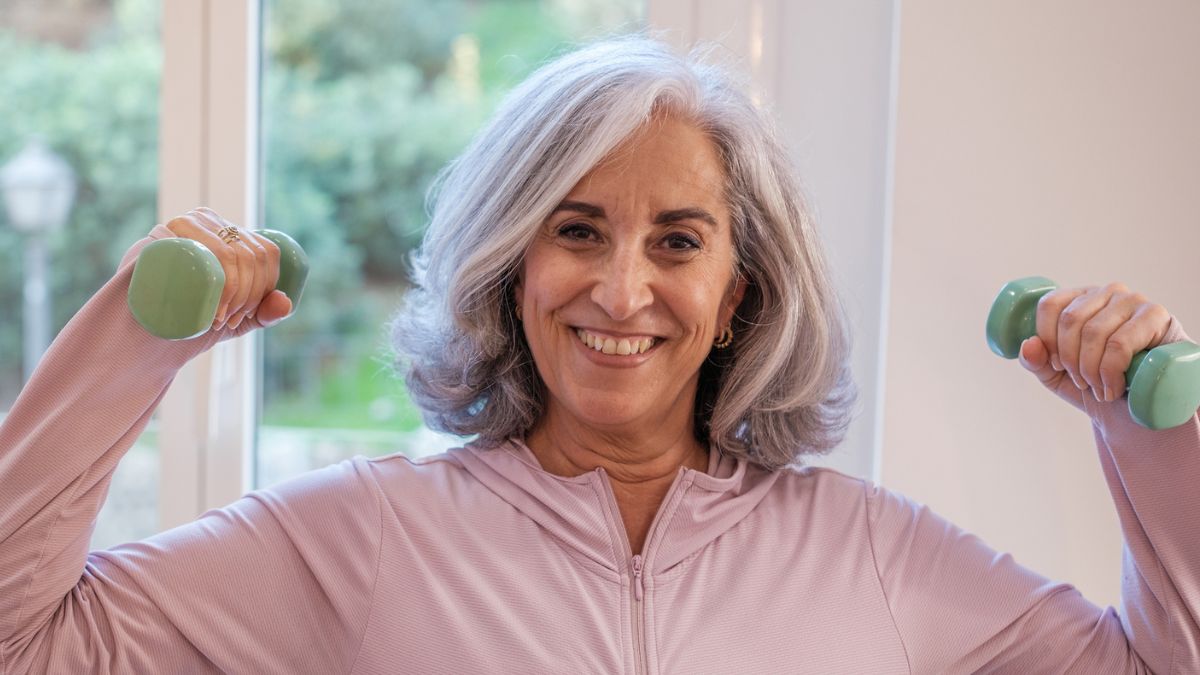
- Get active: “Strength training and weight-bearing exercise are also key because bones respond to load and movement, which helps maintain bone density,” says Dr. Maccarone.
- Take these vitamins: Both Dr. Maccarone and Dr. Alptunaer recommend adding vitamin D and calcium to your routine to support bone health.
- Stay hydrated: As for gout, Dr. Maccarone adds that staying hydrated can help keep uric acid levels in a healthy range, which may lower the risk of this condition.

The bottom line
If you’re taking a GLP-1 medication, you’re already taking an important step toward better health. This new research simply gives you more information to work with—and more ways to protect yourself. By staying informed, working closely with your doctor and following these simple bone- and joint-health strategies, you can continue to benefit from your medication while supporting your body.
Conversation
All comments are subject to our Community Guidelines. Woman's World does not endorse the opinions and views shared by our readers in our comment sections. Our comments section is a place where readers can engage in healthy, productive, lively, and respectful discussions. Offensive language, hate speech, personal attacks, and/or defamatory statements are not permitted. Advertising or spam is also prohibited.