How an Iron Deficiency Can Result in Hair Loss, Plus the Easy Ways to Fix It
A certain blood test can also give you insight into low iron

Suffering from hair loss can truly be so defeating, frustrating and an instant confidence sapper. You’re not alone if you relate to this; Hair loss affects millions of women, mostly over the age of 30. Many things can attribute to hair loss, from menopause to using too harsh of products to poor nutrition. Another common cause? Vitamin deficiencies, and in this case, an iron deficiency. Iron deficiency and hair loss can go hand-in-hand, but thankfully, there are easy, natural ways to up your levels of the vitamin.
The CDC estimates that up to 20% of premenopausal women suffer from iron deficiency, a plight that puts hair in jeopardy. In a 2009 study that compared healthy women of childbearing age with and without hair loss, iron status was the only underlying difference researchers could find: Women with a full head of hair had blood levels of ferritin (the body’s stored form of iron) around 60.3 ng/ml — in women with thinning hair, ferritin hovered down around 16.3 ng/ml. Further research is needed to determine the exact role iron plays in hair growth, but experts have theories. “It may be that iron acts as a co-enzyme in the building of the hair protein,” says trichologist David H. Kingsley, PhD, a hair loss specialist in New York City.
One of the top reasons women tend to run low on iron: heavy periods. And because the body absorbs plant forms of iron inefficiently, women who seldom eat meat are at a heightened risk of a deficiency. Fatigue and headaches, along with hair loss, are early signs that your iron stores are falling short.

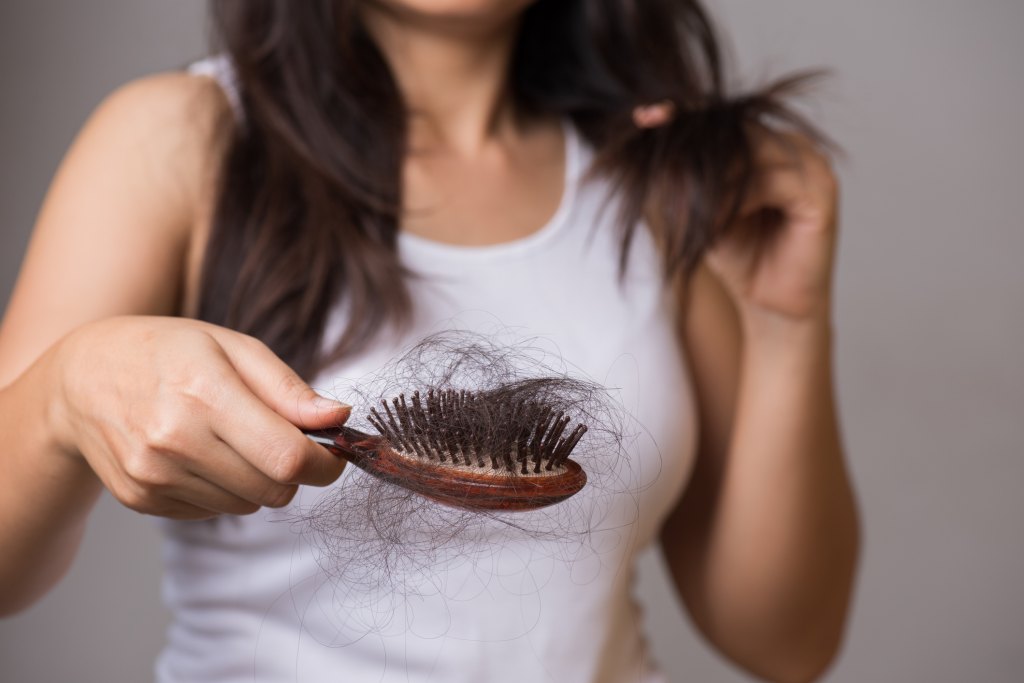
You’re likely dealing with low iron if you’re losing hair and you…
- Are under 50
- Experience heavy periods
- Have been feeling unusually tired and headachy
These easy strategies can help with iron deficiency
1. Get bloodwork done
Start by seeing your doctor for a blood test. “It’s easy to overdose on iron, so you need to know your baseline and take any supplements under medical supervision,” Dr. Kingsley says. And request a ferritin test specifically, adds physician nutrition specialist Melina Jampolis, MD, author of The Calendar Diet. “The standard blood test looks at hemoglobin only. Ferritin seems to be a better indicator for hair — it’s a more sensitive reflection of how much iron your body really has and can bring attention to borderline cases of deficiency that a hemoglobin test might miss.” As for the ferritin level hair requires, Dr. Jampolis cites a study in which 27.5 ng/ml was the minimum for avoiding hair loss. Kingsley aims to nudge patients up to 70 ng/ml.

2. Eating certain foods
Once you hit the level that’s right for you, you likely can maintain iron levels through foods, aiming for the recommended 18 mg. a day (8 mg. if you’re postmenopausal). Iron-rich foods: dark-meat turkey (2 mg. per 3-oz. serving) and canned tuna (1.3 mg. per 3-oz. serving). To double the iron absorption from plant foods such as lentils (6.6 mg. per cup, cooked) and spinach (3.2 mg. per 1⁄2 cup, cooked), pair them with a source of vitamin C, like orange juice or diced bell peppers, as in the delicious recipe below!
Andouille sausage & lentil stew
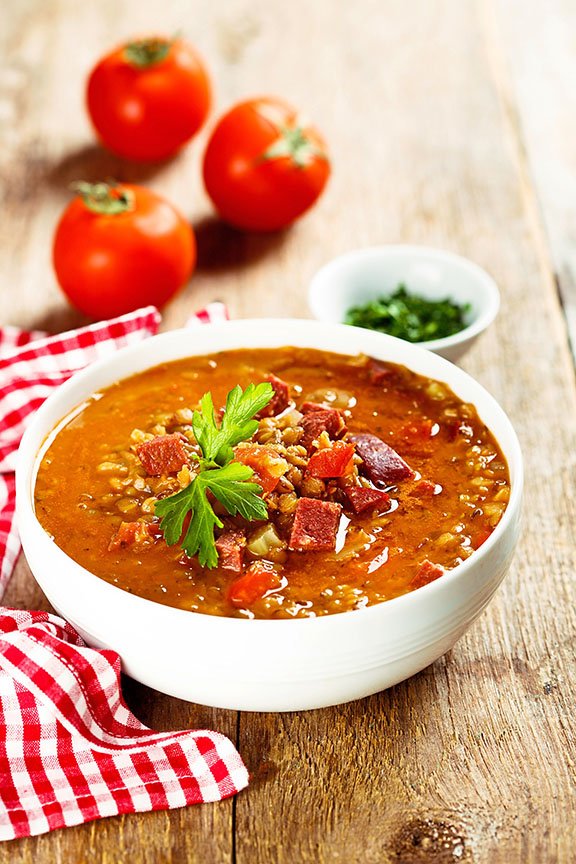
Ingredients:
- 1 small onion, diced
- 4 cloves garlic, minced
- 4 celery stalks, thinly sliced
- 1 red bell pepper, diced
- 2 Tbs. olive oil
- 1 (28 oz.) can crushed tomatoes
- 2 cups low-sodium chicken stock
- 1 cup dried green or brown lentils
- 1 lb. andouille sausage, chopped
- 1 Tbs. smoked paprika
- 1⁄4 cup fresh parsley, minced
Steps:
- In pan over medium-high heat, cook onion, garlic, celery and red bell pepper in olive oil for about 5 minutes.
- Transfer to pot of slow cooker; add crushed tomatoes, chicken stock, lentils, andouille sausage and paprika. Cook on high 4–5 hours or on low 8–10 hours. If desired, mix in fresh parsley, and garnish with more parsley.

Even more reasons to boost iron levels
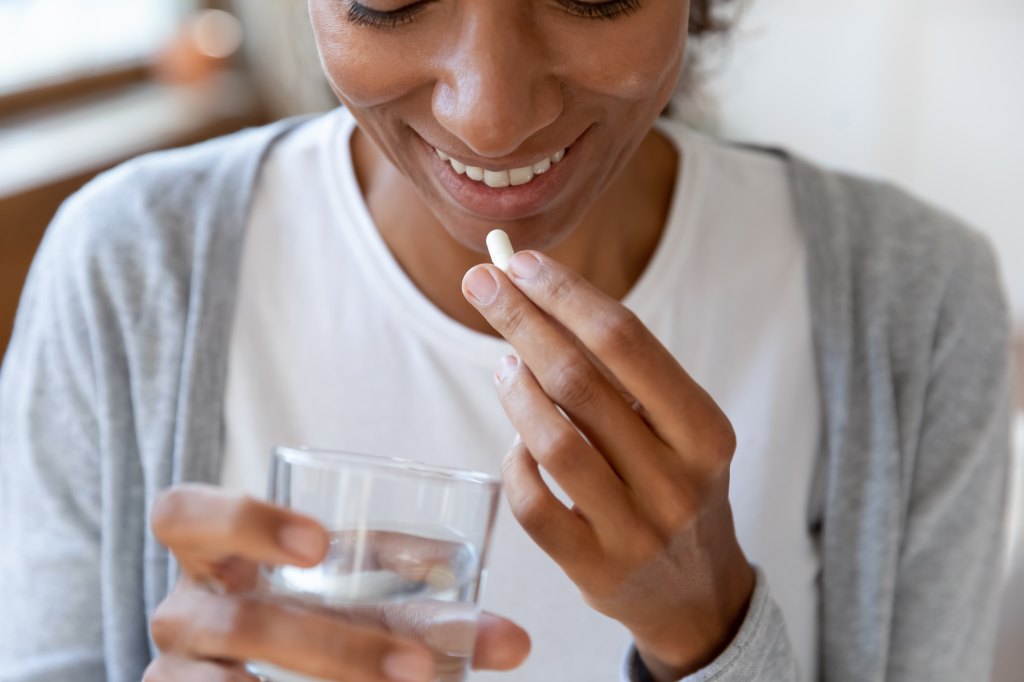
Below, even more reasons to consider upping your iron intake aside from hair growth.
It protects brainpower
A study found that subjects with normal levels of hemoglobin, a protein in red blood cells created from having normal iron levels in the body, were 36% less likely to develop Alzheimer’s over 12 years than those with the lowest levels, and 22% less likely than those with the highest levels. Hemoglobin carries oxygen to the brain, but irregular amounts can interact with beta-amyloid protein, a risk factor for Alzheimer’s.
It enhances alertness
Increasing iron levels has been shown to spur energy in as little as two weeks. Reap the rewards by eating two eggs (they’re packed with iron) daily.
It eases sore muscles
Upping stores of iron in the body helps rapidly repair and strengthen damaged muscle tissues to alleviate aches and pains. Get the benefits by supplementing with 8 mg. of iron a day.

For more tips on hair loss, click through these stories:
Trichologist Reveals the Top Hair Myths and What to Do Instead for a Thick, Healthy Head of Hair
Is Zinc Deficiency Causing My Hair Loss? Doctors Weigh in and Share How to Reverse It
Does Dandruff Cause Hair Loss? Dermatologists Weigh In + Share 4 Tricks To Stop Flaking
Conversation
All comments are subject to our Community Guidelines. Woman's World does not endorse the opinions and views shared by our readers in our comment sections. Our comments section is a place where readers can engage in healthy, productive, lively, and respectful discussions. Offensive language, hate speech, personal attacks, and/or defamatory statements are not permitted. Advertising or spam is also prohibited.