Going ‘Sober Curious’ for 30 Days Can Drop Blood Pressure 9 Points—With Brain Benefits!
Cutting back on alcohol isn't just a trend—it's a 4-week total body reset for your heart and head. Here's how to start

More of us are rethinking our relationship with alcohol—not because we have to quit, but because we want to feel better. And emerging research shows that cutting back (or abstaining altogether) can have significant health benefits, including:
Healthier blood pressure
Four weeks off alcohol, nine points down. That’s how much your blood pressure can improve when you stop drinking, suggests a study in BMJ Open. Researchers found that when moderate-to-heavy drinkers skipped alcohol for a month, systolic (top number) blood pressure dropped about nine points, and diastolic (bottom number) dropped five to six points. These results are on par with many hypertension medicines. Alcohol keeps your blood vessels tense, so when you stop drinking, they’re able to relax.

A sharper brain
A recent Oxford University–led study of more than 500,000 people in their 50s to early 70s suggests that drinking less could keep your brain healthier. Researchers found that dementia risk rose by about 15% when weekly drinking tripled (for example, going from one drink a week to a few), challenging the old idea that a little alcohol might be good for the brain. In related research, British findings explain that alcohol disrupts iron balance in the body, allowing the mineral to settle in the brain, where it hampers memory and thinking.

Sounder sleep
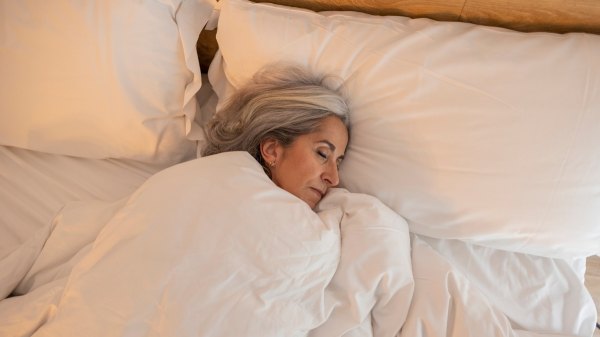
While a nightcap can make you feel sleepy at first, alcohol later disrupts rest by blocking your body from reaching the deepest stages of slumber. In a Finnish study, just one drink reduced the body’s ability to shift into restorative sleep mode by 9%. Around three drinks cut it by 24%, and heavier drinking reduced it by nearly 40 percent.
How to start your 30-day ‘Sober Curious’ reset
To try a sober curious lifestyle for a month, start by defining your personal “why”—whether it’s seeking better sleep, lower blood pressure or a sharper brain—to keep you motivated when cravings strike.
Preparation is key: stock your home with elevated alcohol-free alternatives like botanical mocktails or sparkling water to replace the ritual of a nightly drink, and plan social activities that don’t revolve around bars, such as morning coffee meetups, hikes or fitness classes.

Experts suggest journaling to track your triggers and the immediate physical gains you notice, such as a brighter complexion or increased morning energy.
Remember that being sober curious is an experiment in mindfulness rather than a strict rule of abstinence; if you do have a drink, don’t beat yourself up: simply use it as ‘data’ to understand your habits better and return to your plan the following day.
This article originally appeared in the January 26, 2026 print issue of Woman’s World.
Conversation
All comments are subject to our Community Guidelines. Woman's World does not endorse the opinions and views shared by our readers in our comment sections. Our comments section is a place where readers can engage in healthy, productive, lively, and respectful discussions. Offensive language, hate speech, personal attacks, and/or defamatory statements are not permitted. Advertising or spam is also prohibited.