The Loneliness Epidemic Can Impact Your Health—Here’s How To Build Connections
From 'junk friends' to strategic vulnerability, experts share surprising ways to feel less alone
Key Takeaways
- Therapist Nedra Tawwab shares how boundaries may be backfiring, leading to isolation
- The loneliness epidemic is surging among younger generations of Americans
- Connections expert Allison Gilbert shares easy ways to foster stronger connections
When you hear the word “epidemic,” the flu or maybe even the proliferation of TikTok videos may leap to mind. Invisible as it is, the growing loneliness epidemic may not be on your radar. But we’re becoming more and more isolated, and the health ramifications stemming from this connection deficit are equal parts shocking and research-proven, increasing the likelihood of everything from cardiovascular disease to Alzheimer’s.
In fact, the U.S. Surgeon General declared loneliness an epidemic and public health concern in 2023. The numbers back up this diagnosis: 870,000 premature deaths annually are attributed to lack of connection, according to the World Health Organization (WHO).
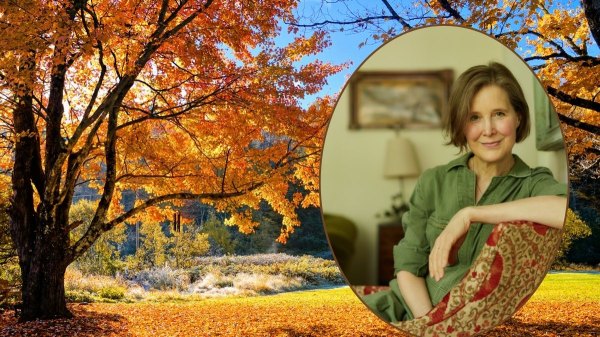
Enter Nedra Glover Tawwab. The licensed therapist and New York Times bestselling author recently sat down with What Matters With Liz podcast host and Woman’s World editor-in-chief Liz Vaccariello to discuss everything from how loneliness is transcending generations to how efforts to protect ourselves from vulnerability may be backfiring.
Keep reading for Tawwab’s surprising observations on why so many of us feel so alone, as well as a top connections expert’s insights into the simple, empowering ways we can foster the kinds of bonds that nourish both our emotional and physical health.

The loneliness epidemic is increasingly affecting younger generations
While we might assume the burden of loneliness grows as we age, it’s actually the people you might least expect who are struggling the most, Tawwab noted.
“I started to notice that younger people are coming into therapy reporting loneliness, which is a newer phenomenon, because [it] used to be something that we saw in the elderly population,” she said. “But now we’re saying people in their 20s say ‘I don’t know how to make friends. I don’t know how to go out and socialize. I have trouble with dating.’ I’m seeing all of these issues that I haven’t seen before in 20- to 30-year-olds.”
Tawwab’s experiences on the frontlines of therapy are backed up by sobering research: A recent report from the Harvard Graduate School of Education shows that nearly 60 percent of 18- to 25-year-olds say that they have low or no sense of purpose or meaning in life, reveals Allison Gilbert, coauthor of The Joy of Connections.
She’s quick to point out that while we can’t attribute those feelings of loneliness solely to not having a purpose, there are numerous lived experiences that may contribute to feelings of social isolation, a lack of purpose and loneliness. “There’s good news when it comes to loneliness: It’s curable. We all have the capacity to lean in instead of opting out. We all have a choice to make—to stay home, stream a show, scroll on our phones—or we can find the motivation outside our front door and find activities that are worthwhile and people we want to spend time with.”
Boundaries are a double-edged sword
Few concepts have grabbed the cultural conversation by its lapels and refused to let go quite like “boundaries.” And that makes sense because giving yourself permission to stand up for your needs and clarify what you will—and will not—tolerate is key to emotional health no matter how old you are.
Even so, Tawwab has found that young people might be a little too good at setting boundaries. “I’ve come to realize that they understand what boundaries are, but they’re still not using them well,” she said. “They’re overusing them. In some instances, they have these rule books around themselves where there’s no flexibility to invite people into relationships.”
Though it’s easy to see where such self-protective impulses come from, they may backfire. “In my practice, I’ve seen a shift in the way that we socialize, the way that we connect or don’t connect, and it’s really because of this desire to protect ourselves, to not be hurt, to not let people get the best of us,” said Tawwab. “But we can’t assume that everybody has the intention to harm us. It’s a balancing act.”
In other words, black-and-white thinking can quickly turn boundaries into bullies, leading to loneliness and social isolation that prevents us from taking the kinds of risks that can lead to meaningful connections—be it inviting a colleague out to coffee or sharing something personal with an acquaintance that might transform them into a friend. After all, it’s these small moments of strategic vulnerability that often foster the most surprising bonds.
The bad (and good!) roles technology plays in the loneliness epidemic
Of course one of the key players in the loneliness epidemic is technology, specifically social media. “When I think about our connection to digital technology, you have a lot of people now using AI and digital products for connection,” Tawwab pointed out. “You think of the term ‘social media’ and it gives the impression that you can get your connection from there. But as we know, we’re in a loneliness epidemic.”
“People aren’t more connected, even though we have social media, because we still need human connection,” she continued. “We’re in this dependency crisis because we have way more means of connecting, and yet we’re not doing it well. We have cell phones, and people can call us all day, but people aren’t calling. People don’t want to talk on the phone anymore. People aren’t being with each other in ways that would cure loneliness.”
While we may sometimes fantasize about throwing our phone into the ocean and letting it sleep with the fishes, the truth is we need our devices. Rather than demonize them, we can use them to help us connect, Gilbert assures.
“You might text one or two people every day that you care about, and choose different friends or family members the next day and the next day after that,” she encourages. “You might say something simple like, ‘I was just thinking about you,’ or ‘I was walking down the street and I saw something in a window that reminded me of when we did X, Y and Z.’ These little touch points deepen connection.”

Why online social connections can feel hollow
As for the faux friendships and surface ties that social media reinforces? It may help to think of them like a bag of chips. “We’ve all come to understand that not all calories are the same,” says Gilbert. “Just as we can get full from eating pizza and donuts, we can get similarly ‘fake full,’ with online friends.”
There’s a term for this, she notes—one she’s quick to point out she didn’t coin: junk friends. “Like junk food, these interactions feel rich. They fill you up in the moment, but leave you feeling empty.”
The antidote to such empty calories, err, connections? Curiosity. Simply asking people what they’re most looking forward to this year or what they can’t get enough of lately, be it a book, TV show or podcast, is an easy way to strengthen social connectedness.
Even easier: Put it on autopilot. “Sometimes getting together with friends feels incredibly daunting because you have to go through your calendar, go through your friend’s calendar, see what lines up, find a place to meet,” says Gilbert. “There are all these hurdles that feel high enough that maybe you don’t want to deal with it. So just as you might schedule your annual doctor’s appointment or eye exam in advance, one easy workaround is for friends to set a recurring date on their calendars for times to get together.”
That removes some of the headwind of constantly having to start from scratch socially, she adds. “For example, if you meet a friend the first Friday of every month for dinner, you don’t have to constantly say, ‘When are you free?’ It’s already set.”
How acts of service reduce levels of loneliness
“We know that when we are of service, we not only feel less lonely, we also reduce hypertension, depression and the risk of stroke,” Gilbert reveals. “It can also improve our cognitive functioning and help us grow more connected to other people. But what’s also fueling this loneliness epidemic is that the rate of formal volunteering is very low in the United States. It hasn’t risen above 30 percent since the government started collecting data in 2002.”
That’s a staggering statistic, but we all have the power to move the needle on it simply by following our passions pitching in within our community.
The flipside of feeling lonely: intentional pruning in midlife

Of course, having fewer ties isn’t always a bad thing, and understanding when to let go is just as important as knowing when to reach out. Especially as we grow older. “Midlife is a very interesting space,” Tawwab observed. “Some things have happened for so long that this is now a time where people are saying, ‘I don’t want to do this for 10 more years. I don’t want this friend for 15 more years. I’ve already had her for eight—she can’t go into year nine doing this. I can’t take it anymore.’ I think our capacity just diminishes.”
Indeed, as our capacity to tolerate what doesn’t serve us diminishes, our capacity to know ourselves and who will nourish us grows in proportion. As Gilbert said, loneliness is curable—but we just need the courage and agency to cure it.
Ready for more inspiration? Subscribe to our YouTube channel for video podcasts, health tips and uplifting stories designed for women 40, 50, 60 and beyond.
Conversation
All comments are subject to our Community Guidelines. Woman's World does not endorse the opinions and views shared by our readers in our comment sections. Our comments section is a place where readers can engage in healthy, productive, lively, and respectful discussions. Offensive language, hate speech, personal attacks, and/or defamatory statements are not permitted. Advertising or spam is also prohibited.