How To Stop Snoring Tonight With 7 Simple Tricks That Actually Work
Plus learn what sleeping position blocks overnight sawing — and which makes it worse

If you’re often awoken by your bed partner’s buzzsaw-like noises—or if you’ve been told you’re the bedroom buzzsaw—you’re likely wondering how to stop snoring. First, some good news: While snoring is annoying, it isn’t always harmful. “Light or inconsistent snoring can be benign and occur in healthy people who don’t have any underlying health issues,” says Chelsie Rohrscheib, PhD, head sleep expert and neuroscientist at Wesper. On the other hand, “chronic or labored snoring may be a symptom of a serious issue such as [obstructive] sleep apnea,” she adds.
In either case, at-home methods to halt the honking are a good place to start. Here are five easy remedies that can help stop mild snoring, plus what to do if DIY strategies aren’t cutting it.
What causes snoring?
Snoring happens when a person’s airway becomes partially blocked during sleep. “That causes vibration of the soft tissues in the throat, which results in the sound of snoring,” explains Lauri Leadley, CSSH, a clinical sleep educator and the founder and president of Valley Sleep Center in Phoenix, AZ.
That can happen for a number of different reasons. Common culprits include:
- Aging. Age-related muscle loss can cause your airways to shrink. This increases the odds of a blockage that leads to snoring. In fact, nearly 40 percent of adults over 60 snore, research shows.
- Your sleep position. Sleeping on your back allows the soft tissues in your upper airway, like your tongue, to block your throat, explains Dr. Rohrscheib.
- Alcohol use. Drinking in the hours leading up to bedtime “relaxes the muscles in the upper airways and makes us sleep deeper than usual, placing us at higher risk for snoring,” Dr. Rohrscheib says.
- Nasal congestion. Nasal passage blockages from a stuffy nose can contribute to snoring.
- Weight. Being overweight or obese increases the amount of soft tissue in your airways. This can increase the chance for blockages. Indeed, up to 70 percent of people with snoring disorders like sleep apnea are obese, a study in Hypertension shows.
- Underlying health conditions. The most common is sleep apnea, a sleep disorder where breathing starts and stops throughout the night. This can cause a person to snore loudly and wake up frequently, often without even knowing it. (Learn how to tell if you have sleep apnea.) Things like hypothyroidism, enlarged adenoid glands or a deviated septum can also be to blame.
How do I know if I snore?
You can hear your partner snoring loud and clear, of course. (And if they don’t believe you, you can record the snoring on your phone and play it back for them in the morning.) But if you suspect that you might be the one making the nighttime noises, paying attention to daytime symptoms can clue you in, say Leadley and Dr. Rohrscheib.
According to them, snorers are more likely to wake up with:
- Dry mouth
- Intense thirst
- Sore throat
- Headaches
- Daytime fatigue or trouble concentrating, especially in the case of sleep apnea

How to stop snoring fast
These easy tricks help reduce or prevent mild airway blockages that can lead to snoring. That makes them a great first step to silencing (or at least lowering the volume of) an unwelcome midnight symphony. Still, you should let your doctor know if home measures aren’t cutting it.
“It’s important to understand why the snoring occurs, and then diagnose and treat it from there,” Leadley says. Not addressing the obstruction can cause bigger health problems like daytime fatigue. Or in the case of untreated sleep apnea, it can increase your risk of diabetes, heart attack or stroke, Leadley explains. To stop snoring, try one (or more!) of these easy fixes:
Sip chamomile tea
Consider swapping your nightcap out for a booze-free beverage. “Avoiding excessive alcohol intake and avoiding alcohol for at least three hours before sleep reduces the risk for snoring,” Dr. Rohrscheib confirms. A better evening sipper? Chamomile tea. The relaxation-promoting effects can help you doze off up to 16 minutes faster, found a study in BMC Complementary Medicine and Therapies. One to try: Celestial Seasonings Caffeine-Free Sleepytime Extra Tea.
Mist with a sea spray
If indoor allergens are narrowing your nasal passages, mist your nose with a saline spray before bed. Australian research found saltwater mists, which clear and calm nasal tissues, can be just as effective as medicated steroid sprays at stopping snoring.
Try a nasal strip
If you suspect snoring is happening from congestion caused by a cold or allergies (like if the snoring flares up on bad allergy days or when you’re sick), wearing an over-the-counter nasal strip or nasal dilator while you sleep can make a difference, suggests an Allergy, Asthma, & Clinical Immunology study. “It may reduce snoring by improving airflow,” Dr. Rohrscheib explains.
Take allergy meds at night
Pollen counts making your allergy symptoms flare? Get into the habit of taking your allergy meds before bed to help you stop snoring. Or if you don’t usually take allergy meds, consider adding one to your nighttime routine, recommends sleep medicine expert and clinical psychologist Michael Breus, PhD.
“Even if you don’t need them during the day, they can make a difference at night when our breathing is more impacted,” he explains. One good option: an over-the-counter antihistamine like Zyrtec. It kicks in faster than other allergy meds. Plus it’s the most likely to cause drowsiness, so you might doze off a little easier.
Nasal sprays are another option to help you stop snoring, Dr. Rohrscheib says. Some have antihistamines that reduce allergies and congestion, which can also help curb allergy-related snoring when used before bed. Try AstePro Allergy. It can start easing congestion in as little as 30 minutes.
Sing as you suds
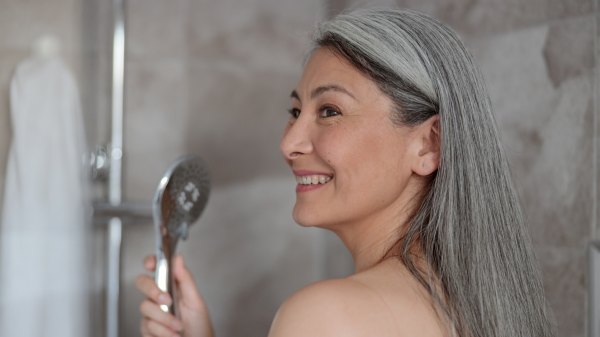
Ask Alexa for a playlist of “shower songs” you can sing along to as you lather up before bed. British researchers found that people who sang for 20 minutes daily for three months reduced snoring frequency and felt up to 25 percent more alert during the day. The findings support an earlier U.K. study that showed singing tones muscles of the soft palate and throat, reducing airway vibrations that are at the root of snoring.

Tip: Spritz a product like Bath & Body Works Eucalyptus Essential Oil Mist in the steamy air while you shower. The herbal scent helps clear congestion that can worsen snoring.

Sleep on your side
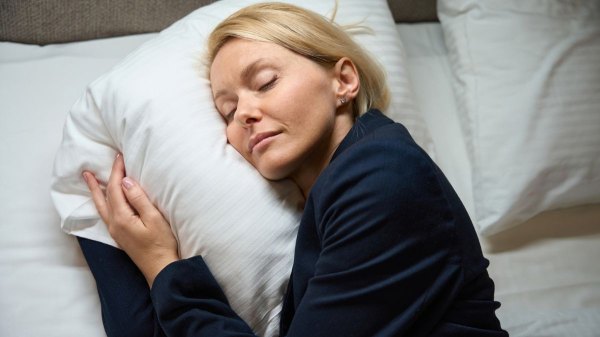
If you’re a back sleeper, simply rolling onto your side can help you stop snoring, found a trial in Sleep. Tony Nalda, DC, founder of the Scoliosis Reduction Center in Kissimmee, FL, suggests tucking a pillow in between your knees when side-sleeping. The extra support tilts your head and neck slightly forward and keeps your tongue from falling back. Plus it prevents your chest from compressing, keeping air passages open. In fact, a separate review in Sleep and Breathing found that when snorers slept on their side rather than their back, they reduced the chances they’d snore by 63 percent. One side-sleeping pillow try: Body by Honeydew Ultimate Luxury Body Pillow.
Use a wedge pillow
While you’re adjusting your sleeping position, consider swapping out your usual head pillow for a memory foam wedge pillow. This keeps your head elevated to reduce airway blockages. At the same time, it supports your head and shoulders as you lay on your side, Dr. Rohrscheib notes. She recommends thick, medium-firm wedge pillows, which will maintain their shape throughout the night. One to try: Touchutopia Bed Wedge Pillow.
Conversation
All comments are subject to our Community Guidelines. Woman's World does not endorse the opinions and views shared by our readers in our comment sections. Our comments section is a place where readers can engage in healthy, productive, lively, and respectful discussions. Offensive language, hate speech, personal attacks, and/or defamatory statements are not permitted. Advertising or spam is also prohibited.