Natural Remedies for Sleep Apnea That Reduce Snoring and Daytime Fatigue
While a CPAP is still the gold standard, these easy lifestyle tweaks help manage symptoms

You probably already know that continuous positive airway pressure (CPAP therapy) is the go-to treatment for sleep apnea. But for some, it can be uncomfortable at best and cause a few side effects at worst. Even if that’s not the case for you, it’s always a great idea to learn about simple, natural remedies shown to ease sleep apnea. Here, top doctors share a few everyday lifestyle tweaks to curb the snoring, gasping and fatigue of the condition—and make using CPAP easier and more manageable.
What natural remedies can—and can’t do—to ease sleep apnea
“Although research is limited, there is some evidence alternative treatments may reduce the severity of sleep apnea,” says neurologist and sleep physician Brandon R. Peters, MD, author of The Sleep Apnea Hypothesis. Remedies such as tweaking your sleep position or avoiding certain foods can help, but it’s important to note they’re not a cure.
“For most people, natural remedies mean improvement, not resolution,” Dr. Peters says. “If you pursue an alternative therapy, it’s important to consider repeated sleep testing to ensure resolution of the condition.” That said, he adds that there are a few options that may be worth exploring.
The best natural remedies for sleep apnea
Here, a few strategies that may improve your sleep quality and ease symptoms naturally:
Ease into the right sleep position
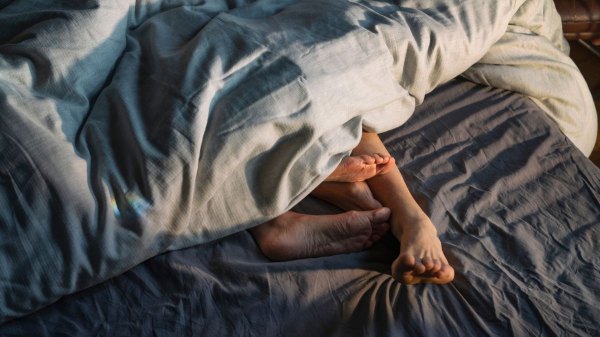
Sleep medicine physician Valerie Cacho, MD, gets straight to the point when it comes to the importance of your sleep position in easing sleep apnea. “Positional therapy is huge,” she says. “Up to 77 percent of sleep apnea can be positionally dependent. That means when you’re on your back, gravity is stronger, pulling your tongue backward and worsening symptoms. Using a wedge pillow or another support to keep you on your side and off your back, sleeping in a recliner or using an adjustable bed can really help.”
Pro pillow tip: “If you have a pregnancy pillow, get it out of the closet,” urges Dr. Cacho. “It’s one of my favorite ways to get comfortable and ease sleep apnea.”
Hit a few high notes
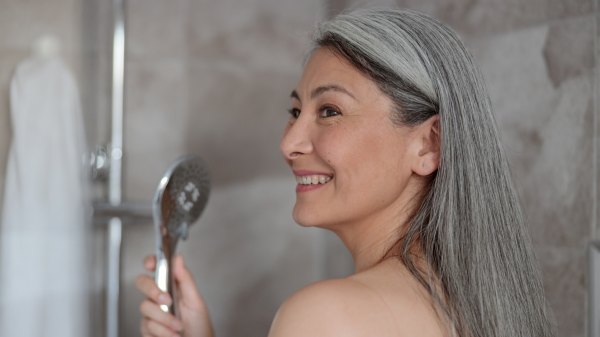
Whether you head out to karaoke night, belt out a few tunes in the shower or join your place of worship’s choral group, singing is one of the best (and most fun) natural remedies for sleep apnea, notes Dr. Cacho. “Singing strengthens the muscles of the upper airway. That’s key because with sleep apnea, it’s the back of the throat that collapses. When you belt out your favorite melody, you’re exercising these muscles and helping prevent symptoms.”
And if you’ve always wanted to learn an instrument but just needed a little nudge, consider this: “There have been studies showing playing the didgeridoo [an ancient Australian Aboriginal wind instrument] as well as other double-reeded woodwind instruments can help increase the muscle tone of the upper airway, alleviating sleep apnea symptoms,” adds Dr. Peters.

Try myofunctional therapy
Think of this like physical therapy for the tongue, which may improve breathing during sleep. “A dental hygienist or speech pathologist can teach you exercises to strengthen your tongue and mouth,” says Dr. Cacho. “While there is more research into this for kids than adults, it has been shown to help.” (Check out this video to learn a few simple oral exercises.)
Exercise regularly
You get to pick your “prescription”: “It doesn’t matter if it’s walking, lifting weights or hiking. Just moving your body makes every part of it stronger, including the muscles in your airway,” says Dr. Cacho.
Not only does exercise keep our bodies strong, it also helps us shed excess weight. That’s especially important because “weight is the single most important modifiable risk factor for many people with sleep apnea,” notes Dr. Peters.
In fact, researchers found that a 10 percent weight loss led to a 26 percent reduction in the apnea–hypopnea index (AHI), a key measure of sleep apnea severity, according to a study in the American Journal of Respiratory and Critical Care Medicine.
Dial down inflammation
“Though not well-studied, it makes sense that inflammatory substances may increase swelling, mucus production and drainage that can affect breathing,” reveals Dr. Peters. “Avoid alcohol near bedtime and abstain from smoking. Alcohol is a muscle relaxant and red wine, for example, contains histamine that can cause [breathing] problems.”
He adds that for some people, dairy, gluten and sugar may also be pro-inflammatory. “A change in diet could yield benefits in the days or weeks that follow.”
Practice breathing exercises
Healthy nasal breathing can help lower your risk of snoring and sleep apnea, explains Dr. Peters. “This might mean treating allergies or surgery for a deviated septum.”

Though there is little evidence that specific breathing exercises can help tame sleep apnea symptoms, they may offer an indirect benefit by promoting relaxation, adds Dr. Cacho. “I have some patients who do box breathing or counting exercises to help them wind down before bed, and that relaxation can make it easier for them to get comfortable using their CPAP.”

The bottom line on natural remedies for sleep apnea
The gold standard treatment to improve sleep apnea is still CPAP, confirms Dr. Cacho. “But lifestyle changes, like adjusting your sleep position, are great helpers.” Indeed, she notes that the easy strategies above work well in concert with CPAP while making it more comfortable and easier to use.
Ready for more inspiration? Subscribe to our YouTube channel for video podcasts, health tips and uplifting stories designed for women 40, 50, 60 and beyond
Conversation
All comments are subject to our Community Guidelines. Woman's World does not endorse the opinions and views shared by our readers in our comment sections. Our comments section is a place where readers can engage in healthy, productive, lively, and respectful discussions. Offensive language, hate speech, personal attacks, and/or defamatory statements are not permitted. Advertising or spam is also prohibited.