Why Am I Peeing So Much All of a Sudden? Doctor-Approved Tips to Curb Frequent Urination
Find out how keeping a ‘bladder diary’ can help
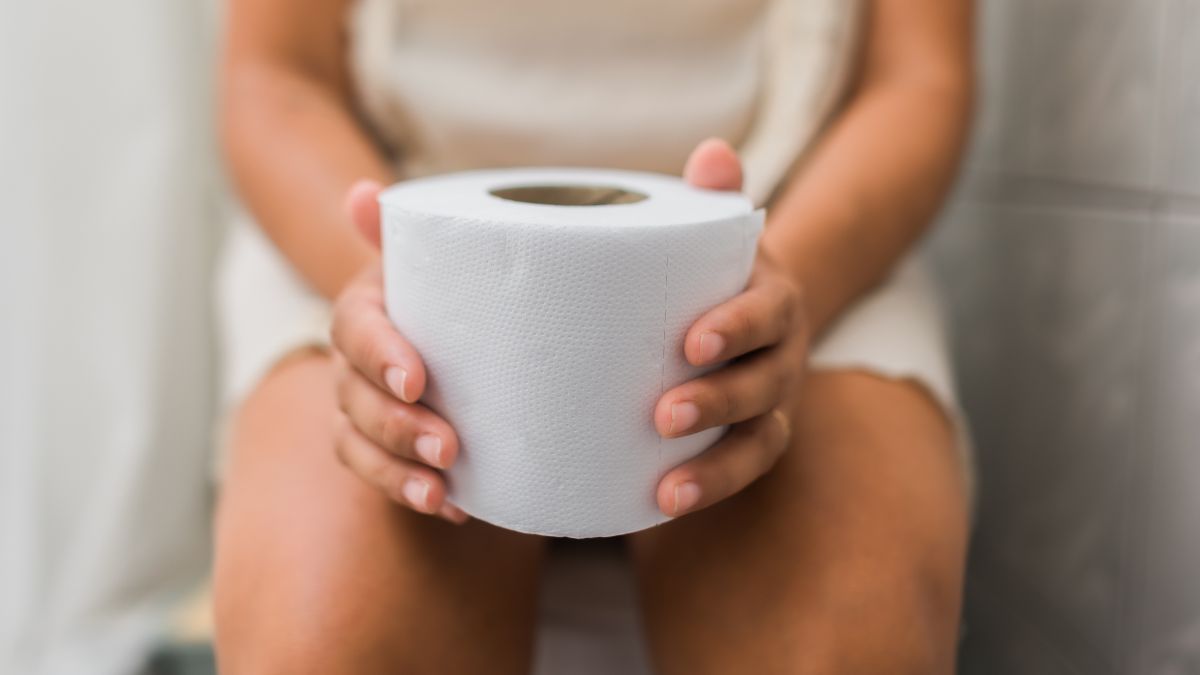
For years, you’ve been able to go hours without needing a bathroom break. But lately, it feels like your bladder is running the show. Whether you’re cutting conversations short, planning your errands around bathroom stops or waking up overnight with that “gotta go” urge, it’s enough to make you wonder Why am I peeing so much all of a sudden?
Frequent urination is a common concern among women over 50, says Vanita Rahman, MD, DipABLM, Clinical Director at the Physicians Committee for Responsible Medicine. “There are many reasons this can happen, from something as simple as drinking more fluids than usual to underlying conditions like a urinary tract infection (UTI) or diabetes,” she says. “The key is figuring out what’s causing it so we can treat it effectively.”
How many times should you pee a day?
On average, women urinate six to eight times a day, or about every three waking hours. “But urinary frequency varies depending on how much fluid you consume, your diet, and even your bladder size,” says Dr. Rahman.
If you’re going more often—or waking up at night with the urge to pee—it’s worth taking a closer look at your daily habits. “Keeping a bladder diary can help pinpoint triggers,” she suggests. “Log your bathroom visits, what you’re drinking and any other symptoms. This information is very useful for identifying patterns and causes.”

Why am I peeing so much all of a sudden?
If you suddenly find that you’re peeing a lot more often than you used to, everything from your diet to an underlying medical condition may be to blame. Here are some of the most common causes of frequent urination, plus how to treat them:
1. You could have a UTI
One of the most frequent causes of increased urination is a UTI, she says. “Women with a UTI may feel a constant urgency to go, but when they try, they often pass very little urine,” says Dr. Rahman. Other signs of a UTI include burning or discomfort when peeing, cloudy or strong-smelling urine and in some cases, fever or mid-back pain.
What to do: If you suspect a UTI, see your doctor. “Testing is simple,” Dr. Rahman assures.“We check a urine sample for signs of infection, and if it’s positive, antibiotics typically clear it up in three to five days.”
2. It could be an overactive bladder
As estrogen levels decline during menopause, the tissues of the bladder and urethra lose elasticity. This can lead to increased urination, urgency and even mild urinary incontinence, says Dr. Rahman. “Some women also develop vaginal or urinary tract changes due to the changes and lack of estrogen,” she adds.
These hormonal shifts can contribute to overactive bladder (OAB), a condition where the bladder muscles contract too often, causing the urge to pee even when your bladder isn’t full.

What to do: “Overactive bladder is frustrating, but it’s treatable,” says Dr. Rahman. Behavioral strategies like the ones below often provide relief:
- Bladder training: “Gradually increase the time between bathroom trips. If you’re going every hour, start by waiting an extra 15 minutes and work your way up to two or three hours,” Dr. Rahman suggests.
- Pelvic floor exercises: Strengthen your pelvic floor muscles with daily Kegel exercises, doing 10 to 15 reps three times a day. Learn how to do them and other pelvic floor physical therapy exercises here.
- Cut back on irritants: Alcohol, caffeine and artificial sweeteners can irritate the bladder, so experiment with limiting or avoiding them.
If lifestyle changes don’t bring relief, medications such as vaginal estrogen to improve the elasticity of the bladder and urethra tissues may help, Dr. Rahman notes.
3. It’s possible you’re overhydrating
Sometimes, increased urination has less to do with your bladder and more to do with what you’re consuming. “Caffeinated drinks like coffee or soda, as well as alcohol, act as diuretics, making your kidneys excrete more water,” says Dr. Rahman. Even non-caffeinated drinks or foods like fruits, soups or smoothies can contribute.
“I see many patients who unintentionally overhydrate,” she notes. “If you’re sipping water all day long, even when you’re not thirsty, your bladder may be working overtime.”


What to do: Be mindful of your hydration habits. “If you’re waking up at night to pee, stop drinking liquids a few hours before bedtime,” advises Dr. Rahman. Also smart? Not forcing fluids. “Our bodies are designed to signal thirst when hydration is needed. If you’re not thirsty, you likely don’t need to drink more,” she explains.
4. You might want to ask your doctor about diabetes
Frequent urination can be a side effect of having high blood sugar. “When sugar levels are too high, the kidneys try to flush the excess sugar through urine,” says Dr. Rahman. This often leads to increased thirst, creating a cycle of drinking and peeing more. You can discover more early signs of diabetes here.
What to do: If you’re always thirsty and urinating frequently—especially with unexplained weight changes or fatigue—see your doctor. “A simple blood test can determine if diabetes is the cause,” she says. Early detection can make a big difference in managing the condition. And if you do have diabetes, these self-care tips can make it easier to keep your blood sugar levels in check.
Conversation
All comments are subject to our Community Guidelines. Woman's World does not endorse the opinions and views shared by our readers in our comment sections. Our comments section is a place where readers can engage in healthy, productive, lively, and respectful discussions. Offensive language, hate speech, personal attacks, and/or defamatory statements are not permitted. Advertising or spam is also prohibited.