Aldi Issues Cheese Recall After Stainless Steel Contamination Scare
The store pulled thousands of cheese products after potential contamination with metal fragments

Whether you enjoy snacking on fresh mozzarella or cooking with various cheddars, cheese is probably a staple in your kitchen. But if you shop at Aldi, you might want to check your fridge. On February 15, the U.S. Food and Drug Administration (FDA) announced a recall of Happy Farms shredded cheese due to potential contamination, leading to the removal of 400 cases. Read on to discover which products are affected and how to stay safe amid product recalls.
Details on the Aldi cheese recall
Ohio-based Great Lakes Cheese Company and the FDA issued a voluntary recall of Happy Farms’ Colby Jack cheese on Feb. 15. The recall is ongoing, and on March 19, the FDA declared a class II classification because the cheese may contain stainless steel fragments.
The FDA defines a class II recall as one where exposure to the product may cause temporary or medically reversible health issues.
About 5,000 bags of shredded cheese were pulled from Aldi stores in Connecticut, Michigan, Ohio and Pennsylvania.

What to do if you purchased the recalled Aldi cheese
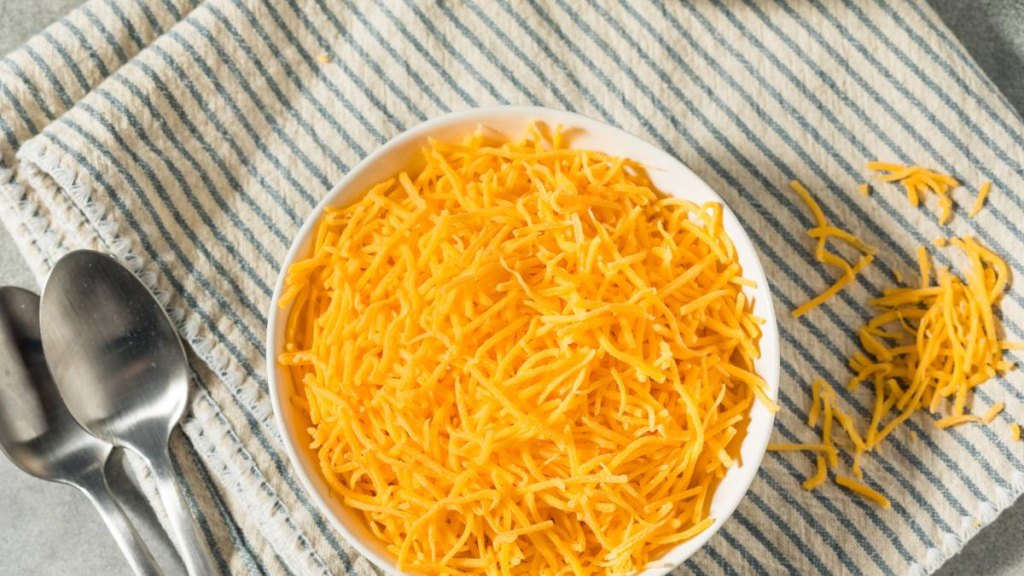
Each Happy Farms’ Colby Jack Cheese case contained 12 flexible 12-oz. pouches—400 cases were recalled. The best-by dates are July 13 and 14, 2025, and the UPC is 4061463330840.
The bags are blue and purple with a cow’s head and say, “Colby Jack, a blend of Monterey Jack finely shredded cheeses.”
No other Happy Farms products have been affected at this time. If you bought the recalled cheese, the FDA advises throwing it away or returning it to Aldi for a refund.
While Aldi has not directly addressed the cheese recall, the brand hopes to keep its shoppers safe when unexpected recalls occur.
“From time to time in the retail world, questions regarding a product’s quality or safety—or errors in its packaging or shipment—may arise. On those rare occasions, ALDI has a plan to swiftly and effectively remove such products from the store,” the brand shared in a statement on its website. “A ‘pull-from-sale’ alert from either the manufacturer of the suspect product or our own Corporate Buying Department will trigger a rapid response plan for handling recalls. Products that do not meet ALDI or government standards in any of these areas will be efficiently and effectively removed from sale.”

Contamination is one of the main reasons for recalls
Food recalls are often caused by allergens, bacteria or foreign objects, like plastic or metal, according to TraceOne, a regulatory compliance company.

Per a recent report from TraceOne, “Foreign object contamination accounts for 11.4 percent of recalls and includes materials such as rocks, insects, plastic or metal. These contaminants can cause physical harm, such as choking, dental damage or internal injuries if ingested.”
Food recalls have also increased recently
Food recalls increased by 15 percent between 2020 and 2024, according to TraceOne.
The report also details which states have the most recalls, and Texas and California are leading with 31 and 28, respectively. It’s important to stay up to date with the FDA when it comes to recalls, as they’ll share all the information to keep you safe.
Conversation
All comments are subject to our Community Guidelines. Woman's World does not endorse the opinions and views shared by our readers in our comment sections. Our comments section is a place where readers can engage in healthy, productive, lively, and respectful discussions. Offensive language, hate speech, personal attacks, and/or defamatory statements are not permitted. Advertising or spam is also prohibited.