Christal Schanes on the Emotional Reality of Hair Loss, Access to Care, and the Need for Better Education

Hair loss is often discussed through the lens of appearance, yet for many people the experience reaches far beyond aesthetics. It can influence confidence, identity, emotional well-being and the way individuals move through daily life. While women are frequently central to these conversations, men also experience emotional distress connected to hair loss, even though those struggles are often less openly discussed.
Research continues to reflect the broader psychological weight tied to hair loss. 78% of women experiencing hair loss reported feelings linked to shame, anxiety or depression, while 85% reported reduced self-esteem.
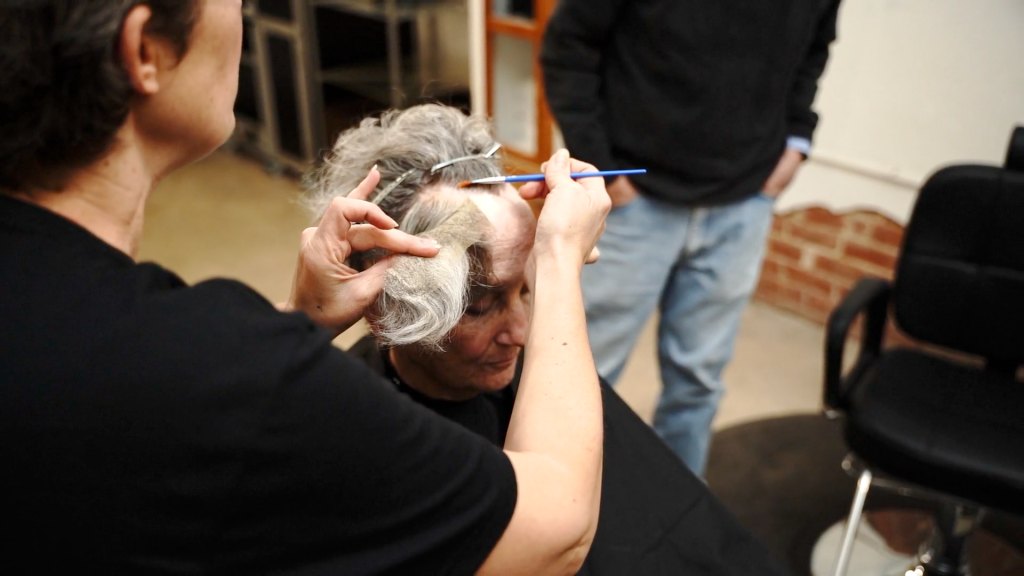
For Christal Schanes, founder of CHRISTALine Studios, the conversation surrounding hair loss deserves greater emotional understanding and broader access to care. Based in the luxury custom wig and scalp wellness space, CHRISTALine Studios provides hyper-realistic wigs, scalp treatments, trichology consultations and education focused on medical hair loss and long-term scalp health.
Schanes explains that many people still underestimate how emotionally disruptive hair loss can become. From her perspective, there is often a tendency to dismiss it as temporary or cosmetic, even though the experience can deeply affect how individuals see themselves. She also notes that access remains a major issue, particularly for people navigating medical treatments while also facing limited insurance coverage for cranial prosthetics and related hair loss support.
That concern helped inspire the WIGwell, an initiative Schanes is developing to create broader financial access to hyper-realistic wigs for people experiencing medical hair loss. According to Schanes, many clients cannot reasonably absorb the cost of a full custom wig while simultaneously managing expensive treatments and healthcare expenses. Her long-term goal involves building funding pathways through grants, sponsorships and community support so clients can access realistic solutions without overwhelming financial pressure.
Schanes also believes wigs carry emotional significance that is frequently misunderstood. Rather than viewing them purely as beauty products, she frames them as tools that can help individuals regain familiarity, comfort, and confidence during difficult periods of life.
Schanes explains that many clients begin approaching the experience differently once they see a realistic version of themselves reflected back through a customized wig that aligns with their personal style and appearance. From her perspective, that sense of familiarity can help restore confidence and emotional comfort during periods that often feel uncertain or overwhelming.
“When someone feels like themselves again, there is often a visible shift in how they carry themselves,” Schanes says. “That feeling of having ownership over how they present themselves to the world can be deeply empowering during a vulnerable time.”
Education also remains central to her broader philosophy for both clients and artists. Schanes notes that conversations around hair loss are often clouded by misinformation, inconsistent guidance, and unregulated practices across online platforms. While she acknowledges that social media has introduced creativity and visibility into the wig space, she also believes many consumers struggle to identify trustworthy information regarding scalp health, maintenance and safe wig application.
According to Schanes, hair loss itself is highly multifaceted. She explains that stress, illness, nutrition, hydration, hormonal shifts and broader wellness factors can all contribute to scalp and follicle health.
That perspective shaped her decision to expand the scope of support available through CHRISTALine Studios, with services that include trichology consultations, scalp wellness treatments and broader conversations around nutrition, hydration and overall well-being as part of the hair loss journey.
Her background in the entertainment industry also informs the studio’s emphasis on realism and customization. Schanes previously worked on high-level entertainment productions where hyper-realistic wigs required detailed craftsmanship and secure application systems. Over time, she developed a custom ‘Silicone Gripping System’ designed to help wigs remain comfortable and secure for clients with little or no hair, while also aiming to reduce irritation and friction against the scalp.
According to CHRISTALine Studios, the WIGwell mission and its “Sponsor a Wig” initiative are intended to help expand access to custom wigs through community support and emerging funding opportunities while also providing clients with wig education, styling flexibility, maintenance guidance, and application support throughout their hair loss journey. Schanes further reflects, “having had the opportunity to have taught students who are now worldwide allows me the confidence to offer hair restoration services globally.”
For Schanes, the emotional experience surrounding hair loss ultimately comes back to care, trust and dignity. She believes clients often respond differently when they feel genuinely supported throughout the process rather than left to navigate it alone.
“When people feel cared for, they carry themselves differently,” Schanes says. “Hair loss may be part of their story, but it does not have to define how they see themselves moving forward.”


