Game ChangeHer: The Business of Belonging, Built One Court at a Time

Game ChangeHER Events positions itself as a premium pickleball experience for women, but the enterprise operates on a far more expansive premise: creating a dedicated social infrastructure where connection, identity, and play are restored with intention. With a primary focus on grassroots and the recreational player, their premise is rooted in lifting women. “Designed by women, powered by women,” the company delivers curated clinics, camps and destination retreats that emphasize both skill development and human connection.
The business enters a market shaped by a growing social deficit. Sociological research has long defined the “third space” as the setting where individuals gather outside of work and home, a space historically essential for community cohesion.
Over time, that layer has thinned. Remote work, digital interaction and compressed schedules have reduced opportunities for in-person engagement, particularly for women navigating midlife. Social circles often narrow into functional relationships, colleagues, school networks or proximity-based acquaintances, leaving little room for depth.
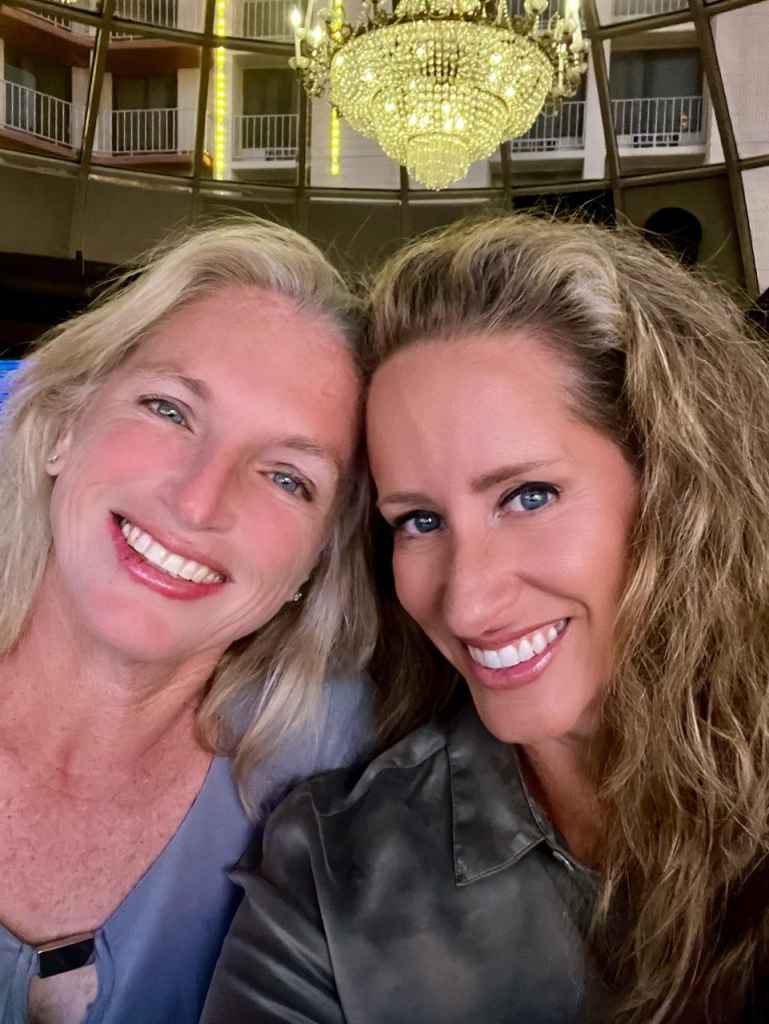
Angela Farmer and Lee Whitwell built Game ChangeHER Events in response to that erosion. Farmer, an activist for the LGBTQ+ community, is also a highly respected conservation photographer, using her work to give a voice to places and species that would otherwise go unheard. Farmer brings operational clarity and lived experience into the business, while Whitwell, recognized as the number one female senior professional pickleball player in the world, anchors its philosophy and global credibility in the sport. Their partnership reflects a deliberate structure: execution paired with narrative, logistics paired with meaning.
“We’re not just a company that executes camps, clinics, and retreats,” Farmer explains. “We’re known for the experience and what you actually take away when you join us.”
Whitwell frames the model with equal precision: “Pickleball is the vehicle. The connection is the outcome.”
That distinction defines the company’s commercial strategy. Programs, Farmer notes, are structured around high-quality instruction, small group clinics, professional coaching and real-match play, but the design extends beyond athletic improvement. Events are intentionally engineered environments where participants interact in multiple contexts: on court, between sessions, over shared meals and throughout multi-day retreats.
“We want people to show up as strangers and leave as friends, and not just for the weekend,” Farmer says. “For life.”
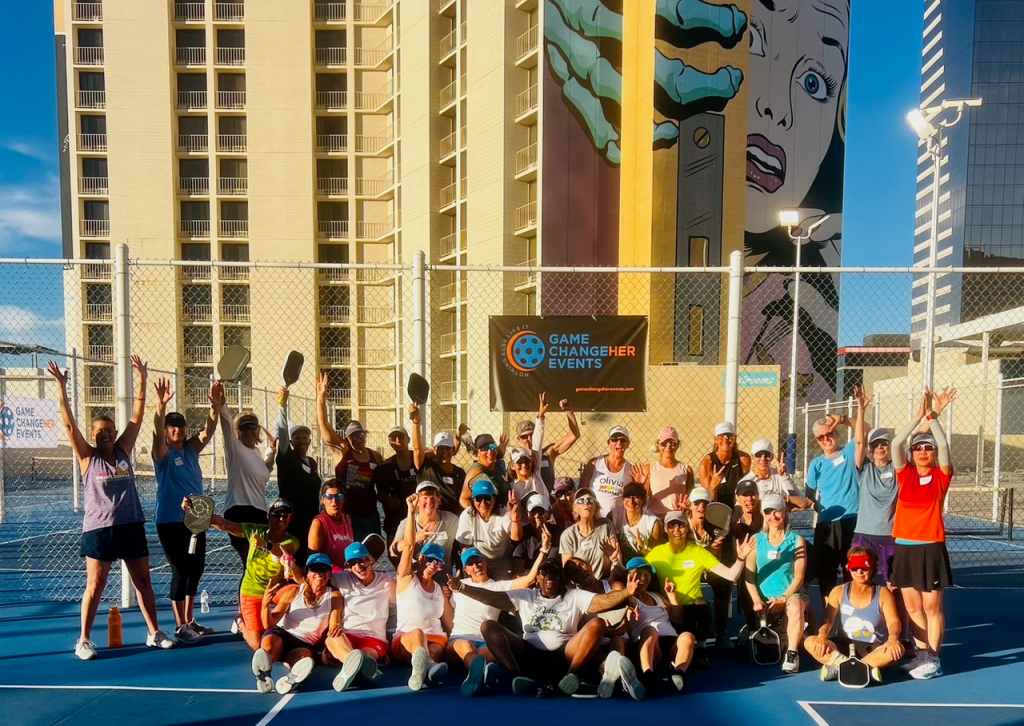
Offerings range from “Learn to Play” sessions, which build confidence for newcomers, to international retreats that combine sport with travel and lifestyle experiences. The company’s “Sunday Serve” newsletter reaches active women across the United States, Canada, and Europe. It functions as an editorial extension of the brand, focusing on personal stories, reflection and community dialogue rather than transactional updates. “People tell us it’s the best thing they read all week,” Farmer notes.
Participation frequently evolves into something more layered than a typical sports program. Whitwell notes how conversations unfold organically: “Whether it’s on the court, on the sidelines or later over dinner, people start talking in ways they haven’t been able to elsewhere. It gives them permission to be human with each other.”
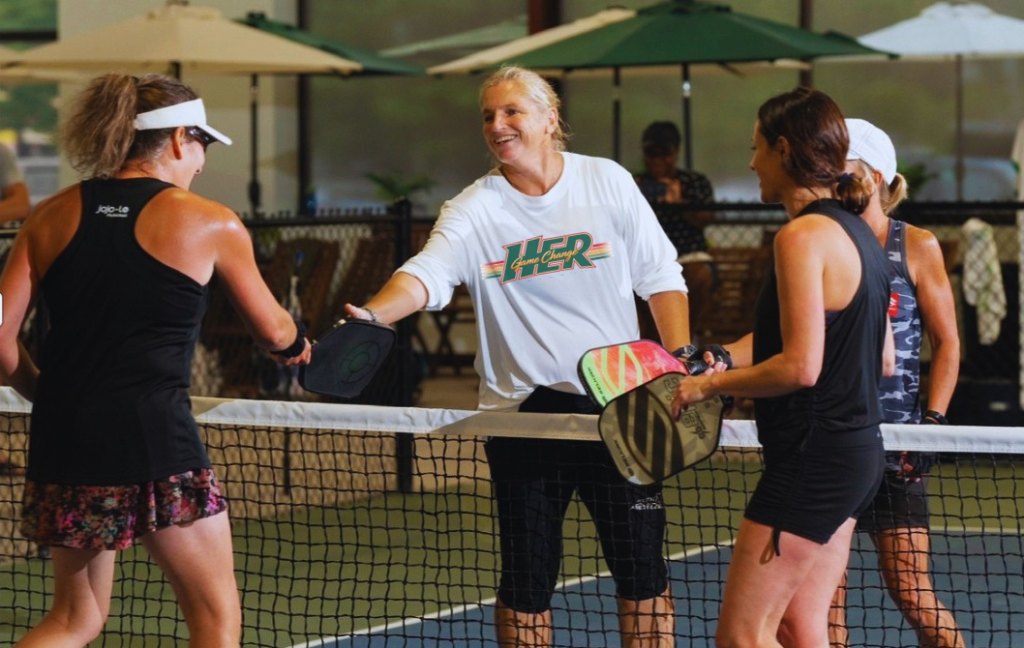
That openness is central to retention. Attendees arrive with varied personal circumstances, health challenges, loss and major life transitions, and find an environment where those experiences can be shared without hesitation. Farmer underscores the unpredictability of each participant’s story: “You never know what someone is carrying when they walk in. What we create is a space where they don’t have to carry it alone.”
Whitwell shares her story of living with bilateral trigeminal neuralgia (TN): “Early in my career, I hid my TN. I didn’t want to be judged or seen as less capable. But hiding it was costing me more than sharing it ever could. So I started talking about it. And instead of judgment, I got connection. People opened up. Shared their own struggles. It gave them permission to stop hiding, too. That moment changed everything. And it’s one of the reasons Game ChangeHER exists today. Because this was never just about pickleball. It’s about creating spaces where you don’t have to pretend to belong.”
Farmer believes that intention alone has catalyzed into a business model rooted in emotional durability. Repeat participation, long-term relationships and word-of-mouth advocacy emerge from the depth of experience rather than promotional strategy.


