How Home Cooking Is Becoming More Creative, Functional, and Personal in 2026

Every year brings a fresh wave of flavors, ingredients, and kitchen habits that shape how Americans cook and eat. Experts say the biggest shifts in 2026 are happening where wellness, indulgence and convenience intersect.
Across kitchens, home cooks are rethinking how they use what they already have. Ingredients once limited to a single purpose are now being used in multiple ways, from boosting nutrition to creating new recipes and even enhancing daily routines. Research from Mintel’s 2026 Food and Drink Predictions highlights how consumers are embracing diverse ingredients, sensory experiences and modern takes on traditional foods as part of a broader cultural shift toward intentional eating.
Tea and Matcha Are Moving Beyond the Cup
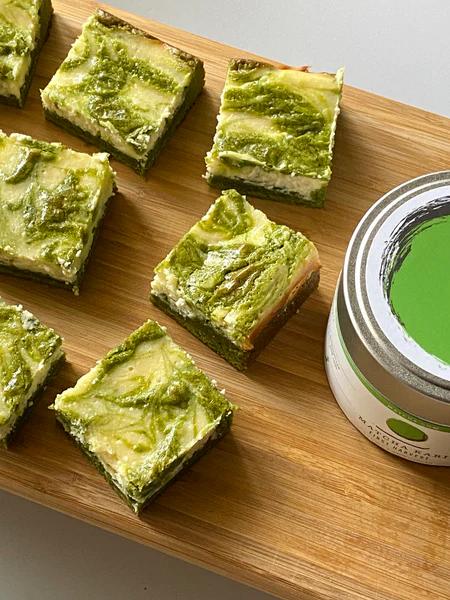
One of the most visible changes is how beverages are being reimagined in the kitchen. Tea, once reserved primarily for drinking, is now being used as a versatile ingredient across recipes and routines.
Brands like Fresh Roasted Coffee have expanded beyond traditional beverages to include both teas and botanicals, opening the door to more creative everyday uses. Beyond drinks, certain botanicals are now being incorporated into practical solutions like DIY bug sprays featured on their site, showing how ingredients typically associated with the kitchen can extend into broader household solutions.
Matcha is undergoing a similar transformation. While traditionally associated with tea rituals, it is now being incorporated into a wide range of recipes. Through education and recipe development, Matcha.com has helped home cooks explore matcha as a versatile ingredient that adds both flavor and visual appeal across a range of dishes.
Together, these shifts reflect a broader mindset in home kitchens: familiar ingredients are being reimagined in ways that feel creative, approachable and adaptable.
Everyday Recipes Are Doing More With Protein

Analysis of global food trends by Innova Market Insights shows that protein-forward products, functional beverages and experiential desserts continue to drive innovation across the food and beverage industry. At home, that trend is taking shape as more people look for ways to incorporate protein into the foods they already enjoy.
Protein is at the center of this shift. Once associated primarily with shakes, it is now being integrated into everyday recipes in ways that feel natural and accessible.
Brands like Levels reflect this evolution, as consumers experiment with incorporating protein powder into their daily routines. Many customers share how they use it in practice, adding it to coffee, smoothies and oatmeal. A key part of that appeal is simplicity. With whey protein sourced from grass-fed dairy and minimal ingredients, it’s a cleaner option that can be incorporated into a wide range of foods without added fillers or artificial sweeteners. Flavor options like chocolate peanut butter also make it easier to blend protein into familiar, comfort-driven recipes.
Some brands are taking this idea even further by building recipes directly into the product experience. Ascent Protein, for example, offers a wide range of recipes that incorporate protein into dishes ranging from baked goods like cookies and brownies to savory options such as vegetable quiche or protein biscuits used in breakfast sandwiches. Their collection also includes beverages, such as protein-packed piña coladas and fruit-based mocktails.
By showcasing this variety, the brand positions protein not as a single-use supplement, but as a flexible ingredient that can fit into nearly any part of a meal or routine.
This breadth of recipe development also creates a feedback loop between how people cook and how products evolve. As certain flavor combinations gain popularity in recipes, they can influence new product directions. In some cases, that creativity shows up directly in the product line, with flavors like key lime pie reflecting how protein is already being used in real home baking.
Food Is Becoming an Experience, Not Just a Meal
While many of these shifts are happening in home kitchens, there is also a growing interest in food that delivers something beyond taste.
Consumers are increasingly drawn to experiences where food becomes part of a larger moment. According to insights from Mintel, this reflects a broader desire for sensory engagement, where storytelling, interaction, and presentation all play a role in how food is enjoyed.
Brands like Cold Case Ice Cream reflect this movement by pairing premium ice cream with interactive, true-crime-inspired games. Rather than simply choosing a flavor, consumers engage with a narrative experience, turning dessert into something immersive and memorable.
For home cooks, this shift offers inspiration beyond the product itself. It suggests that meals and treats can be more than just something to eat; they can become part of an activity, a gathering or even a game. From themed dinner nights to interactive desserts, the idea of creating an experience around food is becoming a natural extension of home cooking.
A More Flexible Way of Cooking at Home
Across all of these shifts, one theme stands out: flexibility. Home cooking in 2026 is less about following strict rules and more about adapting ingredients and ideas to fit lifestyles.
Whether it’s adding protein to a favorite recipe, experimenting with matcha in new ways or creating a more interactive experience around dessert, the modern home kitchen is becoming a space for both function and creativity.


