How a New Flavor Earns Its Place at the Holiday Table
A familiar recipe gives cooks something to return to, with small changes in spice offering a chance to make it their own.

The most persuasive review a holiday dish receives is a request to make it again. By then, a small seasoning decision has become part of someone’s idea of how the food should taste. A little pepper in gingerbread or freshly grated nutmeg can start as an experiment and return the following year as an expectation.
Jagatjoti S. Khalsa, chief revenue and innovation officer at Starwest Botanicals, sees room for that curiosity among seasonal spices. His suggestions begin close to the recipes people know, giving a cook something to change and taste.
A small amount can make the case
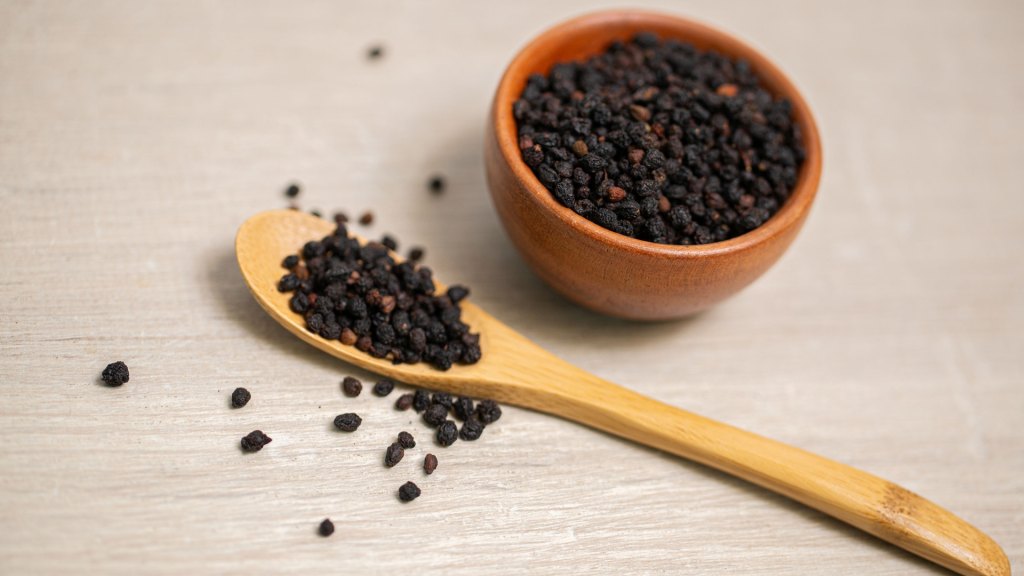
Cranberry sauce is already on the menu before star anise enters the conversation. Khalsa suggests a hint of it as a variation on the dish. Black pepper offers another option for gingerbread, adding warmth to the combination.
Both suggestions depend on proportion. Cloves can overwhelm other ingredients, and nutmeg deserves a measured hand for the same reason. A successful addition leaves enough room for the rest of the recipe to come through.
There’s also an appeal to experimenting with spices that can be used in a number of dishes. A spiced sugar can combine cinnamon, ginger, nutmeg and finely ground dehydrated orange peel. Sprinkled over cookies or used around a hot chocolate mug’s rim, it gives those ingredients a different place in the holiday menu.
The ingredient list is just one part of a recipe
“Cinnamon” on a recipe card leaves the variety up to the cook. Ceylon has a delicate, subtly sweet character. Cassia varieties tend toward a bolder flavor, making the choice a matter of what the dish calls for and what the household enjoys.
Nutmeg introduces a decision about preparation. “Nutmeg is one spice I almost always prefer to start whole,” Khalsa says. “Freshly grated nutmeg has a warmth and complexity that’s really quite extraordinary.”
A microplane makes that possible during cooking, with the amount grated to suit the recipe. Preparing spices at home can mean a few turns of a grinder or some work with a pestle. Cardamom is another one of Khalsa’s suggestions for grinding in the quantity needed. Certain whole spices also respond to gentle dry-pan toasting before grinding.
Once prepared, the spice needs to suit the food. Ground cinnamon and ginger often work best in cookies and cakes. For horchata, whole cinnamon sticks and lightly crushed cardamom pods can flavor the liquid and be caught in the strainer afterward.
Taking stock by scent
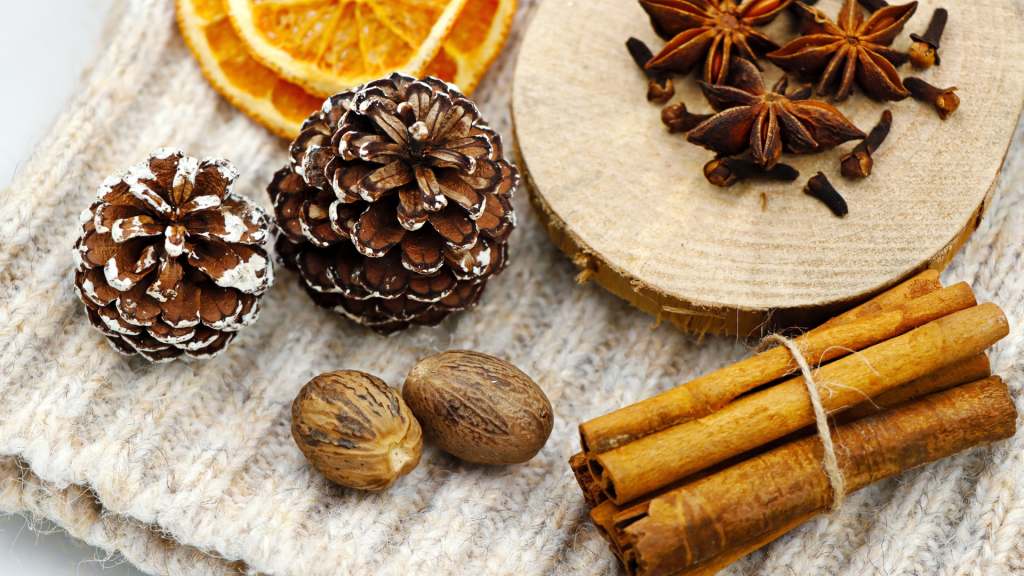
Khalsa’s advice for checking spices begins with aroma. A cook looking through the cabinet can smell for cinnamon’s sweet warmth and ginger’s bright pepperiness. Cloves should have a rich, intense scent. That small check gives the shopping list a starting point based on what you already have.
When that delicious smell fades, you may need to replace the jar. Whole spices generally retain their character longer because grinding exposes aromatic compounds to air.
From there, the recipe becomes a matter of preference again. A different cinnamon may suit the household, or a finishing sugar could earn a second appearance. Over time, new spice variations may become as familiar as the dish that first brought them to the table.
Khalsa’s suggestions leave room for that process to happen a little at a time. A different spice or a grating gives the cook a chance to assess within something familiar. Whether it returns the next season depends on the people eating it and their response.


