How to Clean Baby Bottles With A Small Kitchen
Small kitchens can easily become cluttered with baby bottles. Here’s how to wash, dry and store everything safely without giving up all of your counter space.

A baby bottle doesn’t take up much space, but the sheer number of bottles, nipples, rings and other pieces can start to cause problems. It gets worse when you are washing them several times a day. Soon you have a drying rack next to the sink, clean bottles waiting to be put away and no place left to make a sandwich.
How to clean bottles without taking over the sink
You really don’t need a special wash station or a bunch of organizers. Most of the work can be done in a small basin with a bottle brush and some dish soap. Just make sure to keep that basin separate from the rest of your regular dishes.
The Centers for Disease Control and Prevention (CDC) has guidance on how to clean baby bottles properly, including why bottles should be washed in a separate basin instead of directly in the kitchen sink. Germs from food and dirty dishes can collect there.
Before you begin, simply take the bottle apart. The nipple, ring, cap and removable valves must be taken off. Milk can get into those smaller pieces, especially around the threads and the parts inside that are hard to see. Rinse everything under running water and scrub with a brush designated for the baby’s feeding gear, using hot soapy water.
The CDC recommends washing the nipple opening and any valves by pushing soapy water through the holes in the nipples. Once that is done, rinse the pieces with clean water and let them air dry in a clean area.
A quick rinse after feeding is fine if you are going to wash the bottle later, but be sure to not use it again without a proper cleaning. Bottle washing should be done after each feed, even if the bottle doesn’t look dirty.
If you are unsure about a certain bottle or its smaller components, the manufacturer’s instructions should have directions on how to clean those. Some valves need special attention, and some pieces may not be dishwasher safe.
Usually the bigger problem is the drying rack
After they are washed, you need a place for those bottles. That’s when a small kitchen can begin to feel tight. Even a rack for a few bottles can take up a lot of space beside the sink, and the smaller pieces may get spread around.
There is no need to have a classic bottle rack. The CDC recommends that washed feeding supplies be air-dried on a clean dish towel that hasn’t been previously used or a paper towel. Just make sure that the area is protected from dirt and dust. So, technically, you don’t need to buy another piece of equipment if you already have a place to put the supplies.
If you want a rack, however, a slim one might be a better fit than a big countertop unit. It is important to remember that racks need to be cleaned as well. Water can collect around and under the supports, and the CDC recommends that drying racks be washed and sanitized regularly, especially when a baby is very young or has certain health concerns.
Don’t wipe the inside of the bottles to dry them. That can transfer germs to the surfaces that you’ve just cleaned.
Do you have to sanitize them all the time?
Washing takes away the milk and other feeding residue. Sanitizing is an additional step to help reduce germs. For babies younger than two months, those born prematurely and those with weakened immune systems should have their feeding supplies sanitized daily. Older, healthy babies may be fine with a good washing after each use, with no daily sanitizing required.
If you are not sure which recommendations apply to your baby, you can ask your pediatrician for help.
You have a couple of options for sanitizing. You can boil heat-safe bottles and accessories for five minutes or use a steam sanitizer. Always check the manufacturer’s instructions before exposing any part to high temperatures.
A dishwasher might be able to both clean and sanitize. The CDC says if you wash dishwasher-safe feeding items in hot water and run a heated drying cycle or sanitizing setting, you don’t need to do a separate sanitizing step. Just be sure to put small bottle parts in a basket with a lid so they won’t fall through the dishwasher racks. And if anything comes out wet, let it air dry completely in a clean area before storing.
You don’t need a special dish soap for washing baby bottles. You can use your regular dish soap as long as you scrub the pieces well and rinse well. If you are unsure about certain materials, always look at the bottle manufacturer’s care instructions.
If there is no room for another appliance
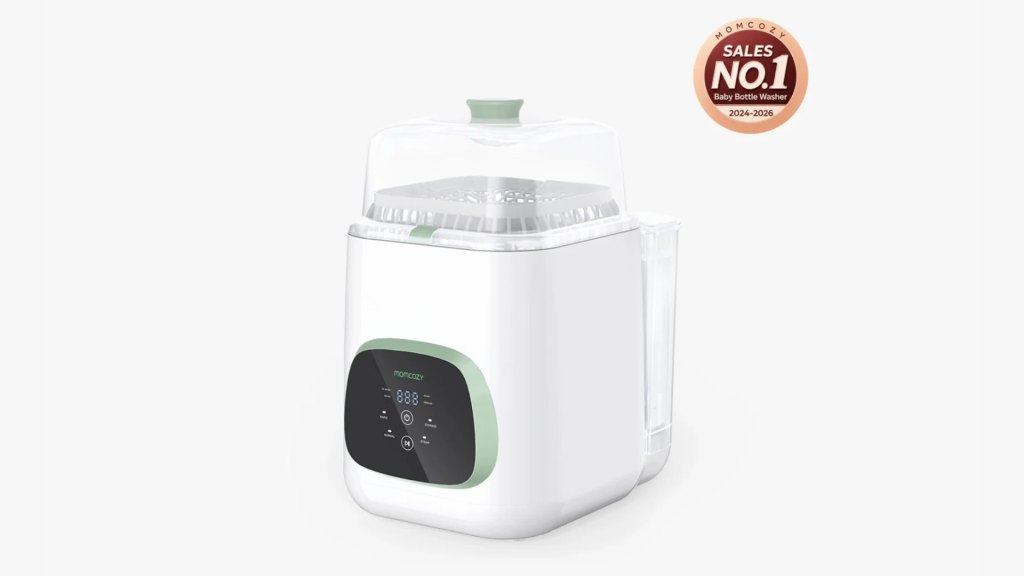
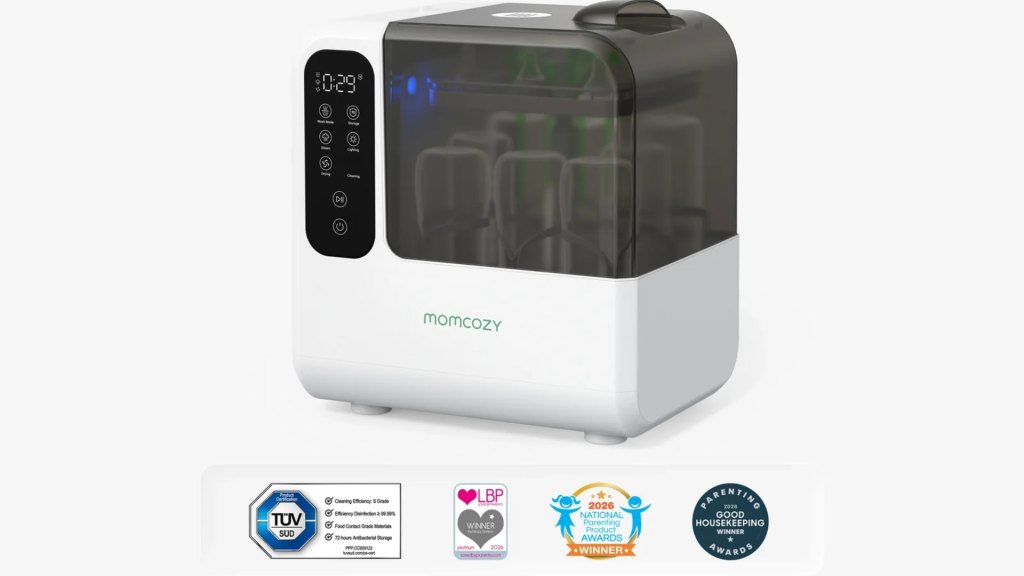
For parents washing multiple bottles and breast pump parts by hand every day, an auto feeding bottle washer is another option. Depending on the model, these machines can wash, sanitize and dry feeding equipment all in one place. This can help if you are using different steps to complete the job.
For example, the MomCozy DeepClean Lite Baby Bottle Washer and Sterilizer combines those tasks into a countertop appliance. According to its description, it measures 9 inches wide and can hold compatible bottles and breast pump parts.
Measure the counter where you would keep it to make sure it would work for you. Check how the door opens, if it needs clearance around it and how you would fill or empty the water tank. Also check to make sure your bottles and pump parts are compatible, since the machine may not work for every brand or accessory.
A bottle washer will do a lot of the work for you, but it still needs regular cleaning and maintenance. Use the detergent the manufacturer recommends.
What to do with all of the clean bottles
A drying rack isn’t a place to store things forever. When the bottles are completely dry, put them together with clean hands and store them in a closed cabinet or another clean, safe space.
If cabinet space is limited, try grouping the bottles you use most frequently, and move any extras to another shelf. If the smaller pieces are completely dry but haven’t been assembled, you can put them in a clean container.
It is also a good idea to check the nipples and valves while putting everything away. If you see a tear, crack or other damage, look up the manufacturer’s advice on how to replace that part. Sometimes the silicone pieces can go bad before the bottles do.
Organization can help when someone else is feeding your baby. If grandparents or another caregiver regularly prepares bottles, tell them where the clean bottles are stored and how to take apart the bottles with extra pieces. That way, no one has to guess which places need to be washed or if the bottle sitting on the counter is clean.
Washing bottles outside of the home
Cleaning bottles at someone else’s house can be awkward when you don’t know where anything is, especially if their kitchen is smaller than yours. If you are only visiting for a short time, taking enough clean bottles may save you from doing any washing while you are there.
With a longer visit where you’ll need to wash bottles, bring a dedicated brush and a small wash basin. You will also need somewhere to let everything dry. A clean bag or container can protect the bottles during the trip, but make sure every piece is completely dry before packing it away.
Easy enough to do every day
There will be days when you’ll have a clean kitchen and the bottles put away before breakfast. Some days there will be bottles by the sink when it’s time to cook dinner. When you have a baby, you may not have a lot of time for a perfect schedule and you don’t need one to keep the feeding supplies clean.
It’s helpful to have enough bottles to last through your regular feedings, so you don’t have to constantly stop and wash another one. Always wash each bottle after use and do not leave formula sitting around waiting for the next feed. The CDC recommends using prepared formula within two hours of making or within one hour after feeding begins, whichever comes first. Throw away any formula left in the bottle after feeding.
You might eventually find a bottle washer that makes life simpler, or you may find that a simple basin and brush are fine. Either way, you can keep your baby bottles clean without leaving them all over the counter in a small kitchen.
This article is for informational purposes only and does not substitute for professional medical advice. If you are seeking medical advice, diagnosis or treatment, please consult a medical professional or healthcare provider.


