Are Young Children Being Asked to Sit Still Before Giving Them Enough Time to Develop?
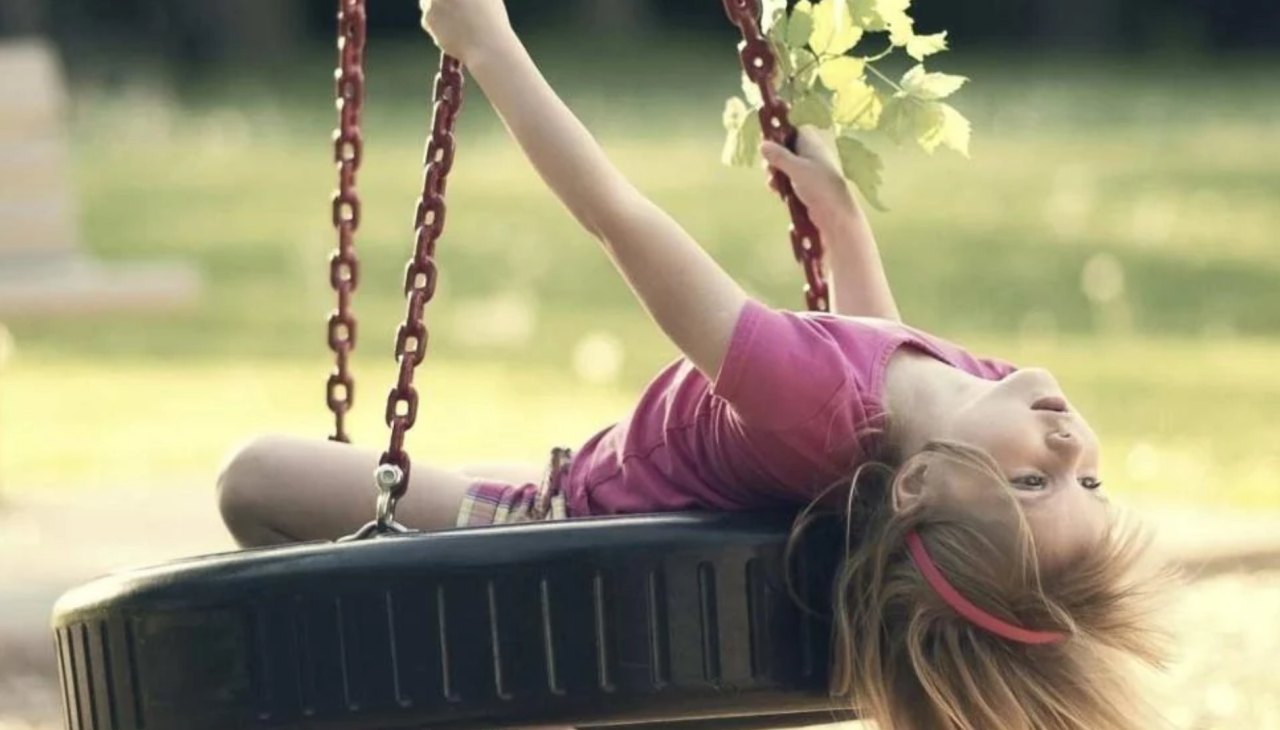
When a preschooler leaves circle time to move around, the first question is often how to get that child back on the rug. Another question deserves equal attention. How much of the morning has the child had a chance to move? A 2026 review in Frontiers in Psychology looked at 10 studies involving 2,039 preschoolers. Across those studies, programs that taught basic movement skills were linked to gains in skills such as managing impulses and shifting attention. Parents and schools that want children to be ready to learn can help by giving them more time to move, explore and make decisions of their own, or, in other words, give them time to develop.
The programs in the review gave children structured practice in skills such as running, jumping and throwing. The resulting average gains showed noticeable impact on emotional and social skills, but the gains were even larger for skills involving attention and behavior. The research gives preschools a reason to make room for movement alongside lessons that call for sitting and listening. The kind of movement the researchers studied was taught deliberately, while a child’s time to explore can serve a different purpose.
The American Academy of Pediatrics describes both free play and guided play. In guided play, a teacher might set out blocks and let the children decide what to build. When a tower falls, they get to decide which piece to move or whether to start over. If two children want the same block, they have a reason to explain what they are building and hear what the other child has in mind. Free play, on the other hand, involves multiple choices, while introducing risk and unknown adventures.
Adults’ habits can also shape the time they spend with children. A 2026 JAMA Pediatrics study followed children in Norway from ages five to seven. More smartphone use by the primary parent was associated with slower growth in the vocabulary children could understand. This gives families a reason to consider their own phone habits alongside the rules they set for children.
Athena Oden, a pediatric physical therapist with Ready Bodies Learning Minds, sees room for both more independence and more attention from adults. “At a preschool program I worked with in San Antonio, the outdoor area had hoses, tires, mud and shovels,” Oden says. “The fence gave the children a clear boundary, and inside it they could decide where to dig, what to build, what to move and what to try when the water took a different path than they expected.” For her, that kind of space gives adults a practical way to supervise while leaving some decisions to the children.
The same idea can fit into a crowded family schedule. Oden suggests starting with something a parent or caregiver already does. “A child helping with laundry can decide how to sort the socks,” Oden says. “On a walk, a child can pick something to stop and look at, and the adult can put the phone away long enough to hear why it caught their attention.” As a child, Oden spent time with her grandfather and the dogs he raised. What stayed with her was the feeling of being included with the adult and in something that mattered to him.
For preschool teachers, Oden’s perspective raises a question about the schedule. A preschool classroom that implements a simple momentary movement exercise has made an effort, but the schedule does not allow the time to support options for the child.
Where in the day can children practice balancing, carrying, throwing or engaging in risk and adventure? Where can they choose what to do with the world in front of them?
“Educators may not have the power to dictate this time, but parents can make a huge difference,” Oden says.
She asks adults to start with their own childhoods. “What are those memories that are important to you?” she adds. A parent might remember making mud pies or the freedom to play alone in the backyard. A teacher might remember the wonderful struggle of building a cardboard fort during their own childhood. The next step is to build a stretch of play into the school day or leave part of an afternoon open at home. She notes, “This does not mean we are ignoring math and science; it means we are building the foundations to comprehend them.”
This article is for informational purposes only and does not substitute for professional medical advice. If you are seeking medical advice, diagnosis or treatment, please consult a medical professional or healthcare provider.


