Hair Transplant Costs in Turkey: How Per-Graft Pricing Compares With Package Quotes

When weighing the choice of whether to get a hair transplant in Turkey or the United States, the final price of the procedure is often the largest determining factor. The estimated total cost for the graft count, the technique being utilized, as well as the clinical team, and other components that may not be included in the initial quote can make determining the final cost difficult.
Neither per-graft pricing nor packaged quotes are automatically cheaper, so understanding what they offer can be helpful in determining which you prefer. A per-graft rate may appear inexpensive at a glance, but once a realistic graft estimate is provided, as well as the costs for medication, blood work, or extra sessions, that final cost can look much different than it first appeared. As for fixed packaging, it can look generous at first, but it may have a graft cap, a surcharge that isn’t obvious right away, or exclusions that may require you to pay for separate components that you expected to be in the package. The best way to determine which method is better is to compare the total documented cost for the same clinical procedure.
Scope, market and currency
This guide covers elective hair transplant surgery performed in Turkey and marketed to international patients, including procedures commonly described as FUE (follicular unit extraction) and DHI (direct hair implantation). Those method names appear here only where they affect how a clinic prices the work, not as a clinical recommendation.
Two important boundaries:
- The clinic fee is not a trip cost. The surgical quote is one line item. Airfare, extra hotel nights, meals, insurance and card fees sit outside most quotes.
- Currency and timing matter. Turkish clinics may quote in Turkish lira, U.S. dollars or euros. Exchange rates move, and advertised offers change. Any figure you compare should carry a date and a stated currency.
The two pricing models, defined
Per-graft pricing sets a unit rate and multiplies it by the number of grafts harvested or implanted. The total then depends on the graft estimate, which is a clinical judgment, not a fixed quantity. Ask whether the rate applies to grafts extracted or grafts implanted, and whether the stated price covers anesthesia, consumables and post-operative medication.
Package pricing sets one fixed figure covering a defined bundle: the procedure plus, commonly, hotel nights, airport and clinic transfers, interpreter support, medications and a first follow-up. The questions here are what the ceiling is, what happens above it, and which of the advertised inclusions are actually contractual.
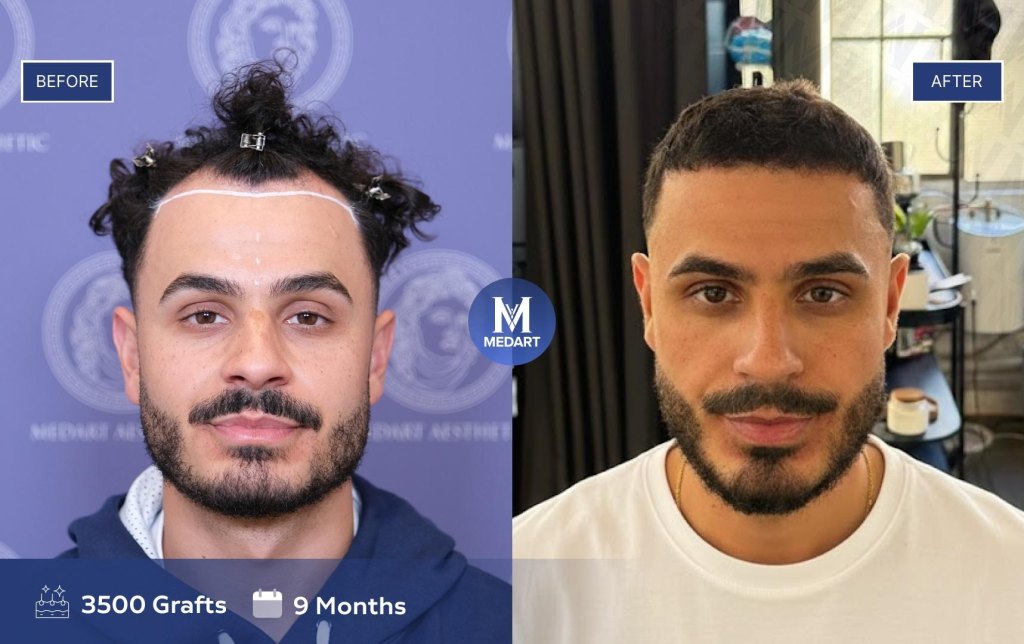
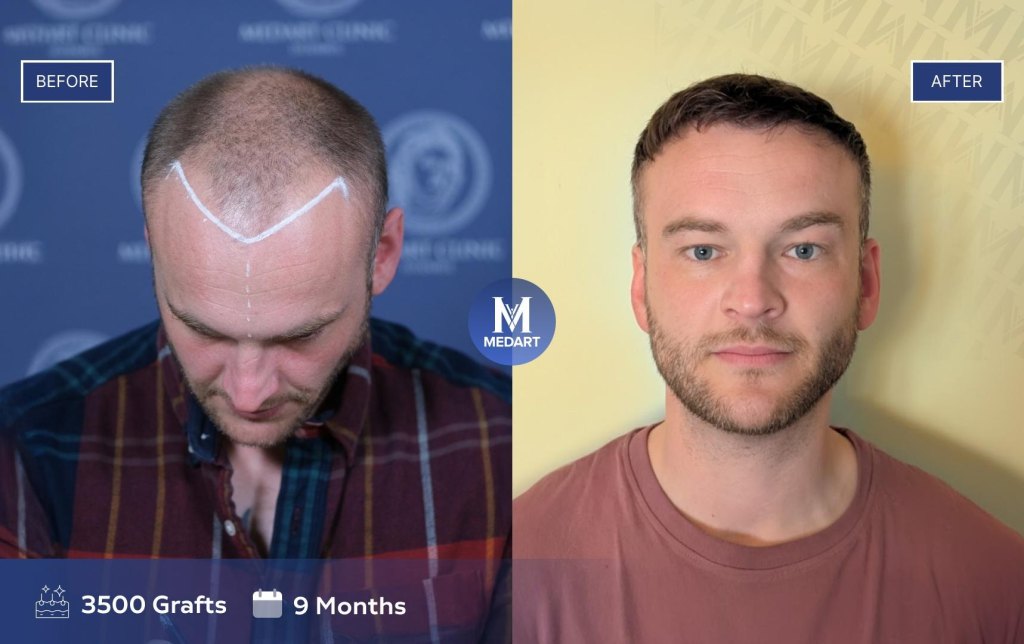
Some clinics use one model exclusively. According to Medart, the clinic does not price per graft and instead offers packages with a stated base starting from $2,800. While the baseline price varies clinic to clinic, it’s important to know that the figures provided are starting figures, not individual quotes. Starting prices are typically used to describe the lowest-specification option, rather than a particular plan. Comparison material on different hair transplant costs can help you choose which method is best, as can information about the differences of package pricing and graft-based pricing.
Build your own comparison table
Rather than trusting a published range, collect written quotes for the same scenario and record them. Using the same graft estimate, the same technique, and the same month for both pricing options is important for the final comparison.
| Column | What to record |
| Quote date | Day the written quote was issued |
| Validity period | Date the price expires |
| Pricing model | Per graft or fixed package |
| Currency | TRY, USD or EUR, as quoted |
| Graft allowance | Estimate, range or package cap |
| Over-cap terms | Price per additional graft, if any |
| Technique | FUE, DHI or other named method |
| Clinical services included | Consultation, blood tests, anesthesia, sessions |
| Who performs each stage | Named physician vs. technician steps |
| Travel items included | Hotel nights, transfers, interpreter |
| Medications and aftercare | Products, washes, follow-up appointments |
| Major exclusions | Anything explicitly not covered |
| Deposit and refund terms | Amount, conditions, cancellation rules |
| Tax treatment | Whether VAT or other taxes are included |
Two quotes are more equal to compare when every row is filled.
What actually changes the final bill
Evaluate these in roughly the order a patient encounters them.
- Graft count and donor-area limits. The clinically recommended number of grafts, and what your donor area can safely supply, drive cost more than any headline rate. More grafts are not automatically better; over-harvesting can thin the donor region permanently.
- Technique and sessions. FUE, DHI or other named methods are often priced differently, and some plans require more than one session or a second trip.
- Who does the work. Ask which licensed physician is responsible for the medical assessment, the incision design and each surgical stage, and which steps are delegated to technicians. This is a cost factor and a safety factor at once.
- Clinical extras. Preoperative assessment, blood tests, anesthesia, pathology or imaging where relevant.
- Medications, aftercare and follow-up. Post-operative products, prescriptions and how many follow-ups are included — and whether remote follow-up from the U.S. is available.
- Package caps and surcharges. A common gap between advertised and final price.
- Travel and stay. Hotel nights beyond the package, transfers, interpreter support, companion fees.
- Items almost never included. Airfare, meals, travel insurance, passport or visa-related expenses, and currency-conversion or foreign-transaction card fees.
- Contract terms. Deposits, rescheduling fees and cancellation rules.
- Contingencies. Extended stays, management of complications, and the possibility of later corrective or additional procedures — which are real, recurring costs rather than one-off ones.
One-off versus recurring costs
The surgery itself is a one-off payment. Several related costs are not. Medical therapies that some clinicians prescribe to slow ongoing hair loss, periodic follow-up, replacement aftercare products and any future session for continued thinning all recur. A transplant redistributes existing hair; it does not stop the underlying condition. Budgeting only for the procedure can leave you short later.
What to consider before you pay a deposit
Before paying a deposit, there is information you should gather to be able to make the best decision. Asking for written and dated quotes for the different payment methods, as well as the information that those quotes explicitly exclude, can give a well-rounded understanding of what is being paid for. A clinic should give you a graft estimate, and knowing if it is a firm estimate or a range can also factor into the final cost. It’s also helpful to know what happens if more grafts are needed than a package offers; will you need to pay more?
As for information beyond the procedure, knowing who your care team is can be important if there are any complications, or if a revision is needed; aftercare protocols, especially if you’re an international patient, is also good to know about before a deposit is paid. Asking about clinic-specific information, such as refund and cancellation policies, and whether taxes are included in the quoted price or not, is often helpful in determining the final price.
If documentation is missing, or if package language is vague regarding the cap on grafts or the roles of clinicians, it’s worthwhile to slow down and consider if they are the right choice. The same is true if you are pressured to pay quickly, in order to secure a final price. Be sure to verify clinic licensing and physician authorization with relevant Turkish health regulators. It may also be helpful to confirm how any dispute would be handled across borders, should complications arise upon the return home.
Before you decide
Before deciding whether a hair transplant is the right option for you, you need to know the risks. A hair transplant is an elective procedure, with varying results and limited resources once you fly home from an international procedure. Price is an important element of choosing a procedure, but it shouldn’t be the element given the most importance. In the case that an outcome is uncertain, or suitability and diagnosis aren’t what you expected, getting an independent opinion can help. Particularly, seeking a second opinion from a dermatologist or surgeon who wouldn’t be operating, nor focused on selling you the procedure. Committing money and travel is the last step.

This article is for informational purposes only and does not substitute for professional medical advice. If you are seeking medical advice, diagnosis or treatment, please consult a medical professional or healthcare provider.


