What Every Woman Should Know About Breast Implant Illness

The hidden health challenge affecting thousands—and why listening to your body matters
For decades, breast implants have been chosen by many women as a way to enhance body confidence and self-image. For some, however, the decision can lead to unexpected and often debilitating health challenges. Breast Implant Illness (BII) is a condition increasingly reported by patients across the country—many of whom are unaware that their ongoing symptoms could be linked to their implants.
BII remains a complex and evolving area of discussion within the medical community. It is not yet officially recognized as a formal diagnosis, and symptoms can vary widely. Some women experience persistent fatigue, joint and muscle pain, cognitive difficulties such as brain fog, skin rashes, headaches, difficulty concentrating, hair loss, mood changes, or gastrointestinal issues. These symptoms may appear soon after surgery or develop years later, sometimes so gradually that patients do not immediately connect them to their implants.
Because there is no universally accepted diagnostic test for BII, women often face significant hurdles in having their concerns taken seriously. Misdiagnoses—ranging from autoimmune disorders to chronic fatigue syndrome or stress—are common. Many patients undergo extensive and costly testing, only to be told their results are “normal.” This lack of medical consensus can leave individuals feeling unheard, dismissed, and increasingly isolated.
Some medical practices are working to address this gap in understanding and treatment. At PryorHealth’s Breast Implant Illness (BII) Centers of Excellence in Illinois and Florida, the focus is on caring for women who believe their implants may be contributing to chronic health issues. Founded by Dr. Landon Pryor, a board-certified plastic surgeon with more than two decades of experience, the centers no longer perform breast augmentations, instead concentrating on explant procedures—specifically total capsulectomy, in which both the implant and surrounding scar tissue are removed. This approach is designed to address concerns that residual silicone, biofilm, or other materials within the capsule may contribute to ongoing symptoms.
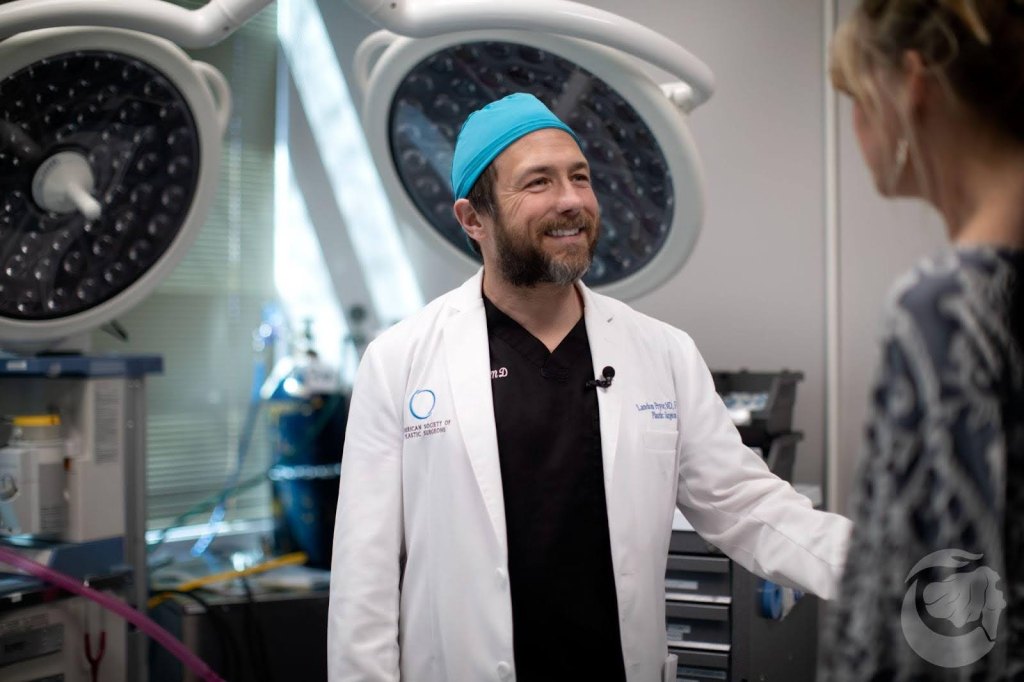
Treatment at these centers extends beyond the operating room. Recovery plans often include holistic measures such as IV therapy and Platelet-Rich Plasma (PRP) therapy, aimed at supporting detoxification and reducing inflammation. Care is personalized to each patient’s health history, needs, and goals, with the aim of promoting whole-body recovery rather than simply alleviating symptoms.
Patient advocacy is also a formal part of the care model. The centers work with individuals who have personal experience with BII, offering education, emotional support, and practical guidance throughout the explant journey. This combination of medical expertise and lived experience can create an environment where patients feel their concerns are validated and their choices respected.
While research into BII continues, patient-reported outcomes following explant surgery are increasingly shaping the conversation. Many women describe notable improvements in energy, cognition, and overall quality of life after undergoing total capsulectomy and associated therapies. Although such reports are anecdotal and more scientific study is needed, they illustrate the potential benefits of comprehensive care that addresses both physical and emotional well-being.
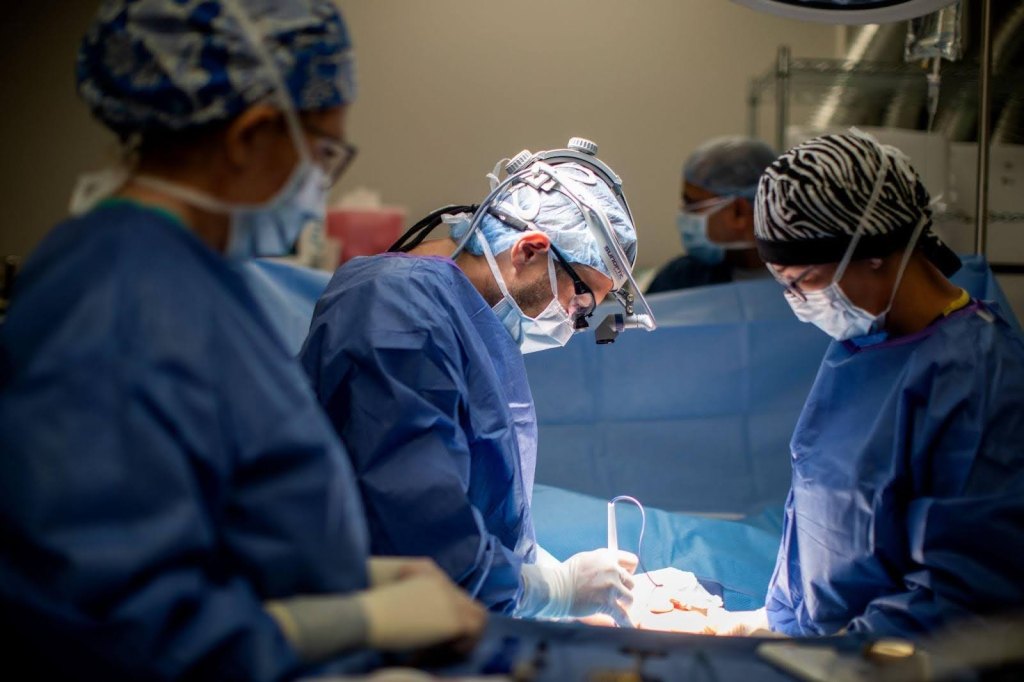
PryorHealth’s work in this area also includes contributing to broader awareness and education efforts. Through its BII Initiative, the organization combines clinical treatment with outreach and research, with the aim of better understanding the condition and supporting affected women. The philosophy guiding this work—summarized by Dr. Pryor as “Listen first. Heal second.”—reflects an emphasis on hearing patients’ experiences before determining the best course of care.
For women living with breast implants and unexplained health issues, recognizing that these symptoms may have an underlying cause is an important step. While there is no single pathway that suits every patient, centers dedicated to BII care—like those operated by PryorHealth—offer one potential option for those seeking answers, safe explant surgery, and holistic recovery support.
More information about Breast Implant Illness and available treatment approaches can be found at www.biicentersofexcellence.com.
Woman's World partners with external contributors. All contributor content is reviewed by the Woman's World editorial staff.


