How Tricia Poulos Leonard Turned a Lifetime in Art Education and Psychology into a Mission to Help Professionals Thrive

Summary: Artist, author, educator and mentor Tricia Poulos Leonard has built a career dedicated to helping creative people develop confidence, practical skills and lasting success.
For Tricia Poulos Leonard, creativity has never existed in isolation. Throughout a career spanning fine art, education, counseling, writing and mentoring, she has approached each discipline with the same purpose of helping others grow. Leonard explains that her work has always been driven by a desire to create meaningful support for people as they navigate their own personal and professional journeys.
Leonard’s creative path began early. She recalls drawing from childhood before earning scholarships to study art and later completing her degree in fine arts. After graduation, she devoted herself to exhibiting her work. Although she continued developing as an artist, generating a sustainable income proved challenging, leading her to pursue a teaching credential and begin a career as an art educator. According to Leonard, that decision ultimately shaped the direction of everything that followed.
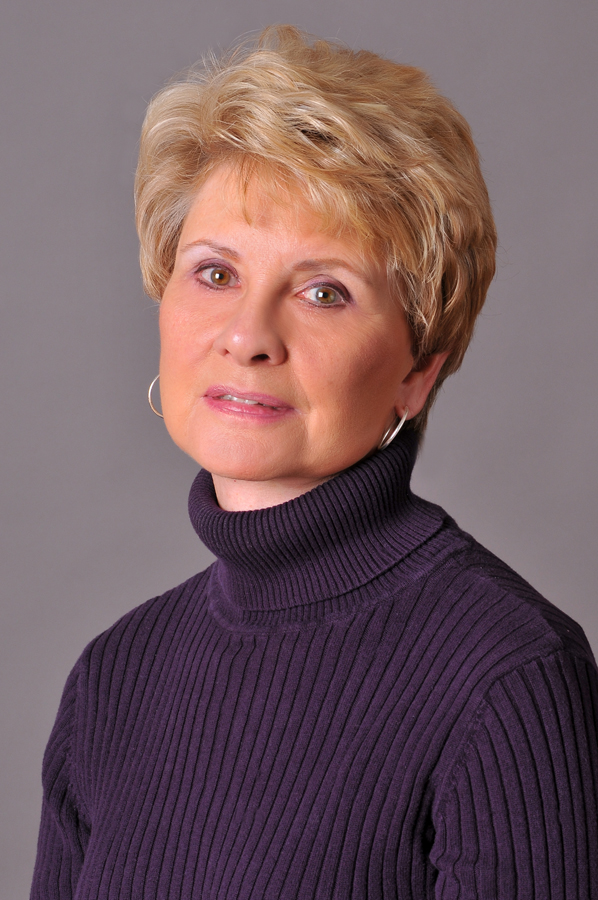
Teaching introduced Leonard to another dimension of education. As she worked with high school students, she found that many conversations extended well beyond artistic techniques. Students frequently shared personal challenges, prompting her to earn a master’s degree in counseling before serving as a high school counselor for nearly two decades. Leonard explains that those experiences strengthened her ability to listen, understand individual obstacles and recognize how confidence and mindset often influence achievement as much as technical ability.
While counseling became her profession, Leonard remained committed to her own artistic practice. She explains that she makes a conscious decision to dedicate time to painting every morning before work. That routine gradually led to exhibitions, artwork sales and a deeper understanding of the business realities surrounding professional art. According to Leonard, creating compelling work represented only one part of sustaining a creative career. Artists also needed to communicate their value, market their work and approach their practice as a business.
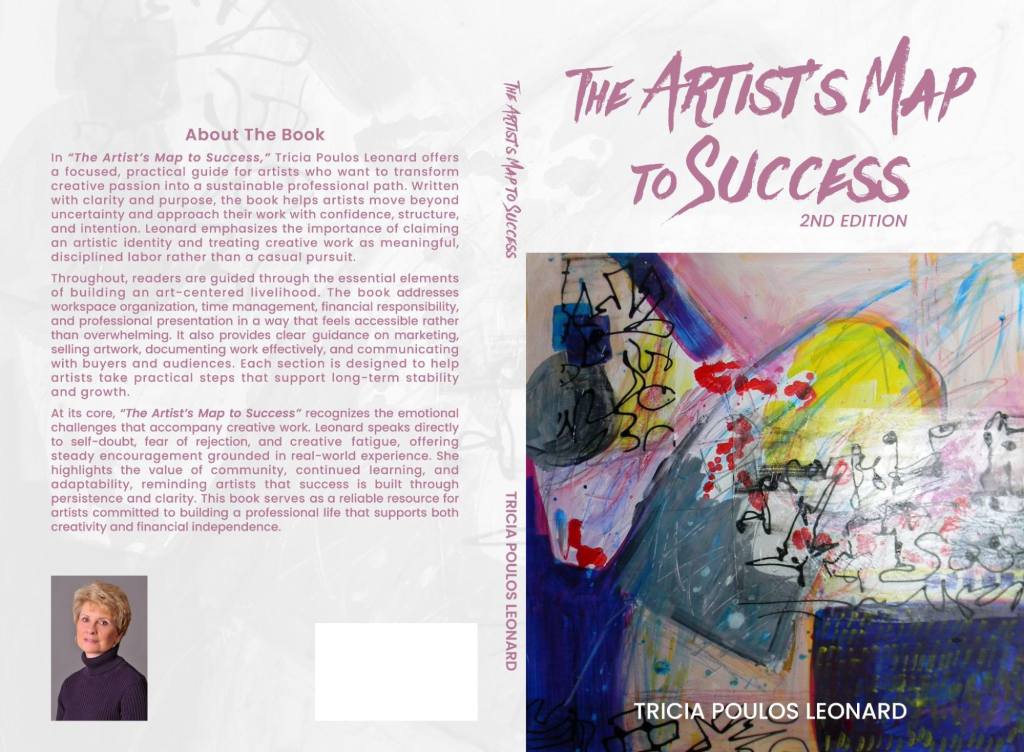
Those experiences inspired The Artist’s Map to Success, a practical guide that helps artists develop the professional skills often absent from traditional arts education. Published in an expanded second edition during 2024, the book builds upon years of additional research, mentoring and experience while offering guidance on marketing, communication, business development and professional confidence. Through Tricia Studio, Leonard creates original paintings while also providing educational resources and individual mentoring that help artists strengthen both their creative and professional development.
“The first thing artists have to do is identify themselves as artists,” Leonard says. “When someone asks what you do, you have to be comfortable saying, ‘I am an artist.’ Once you accept that identity, you can begin communicating your work with confidence because your art deserves to be seen.”
Leonard believes that a seemingly simple shift often becomes one of the most significant psychological barriers creative professionals face. Drawing upon both her counseling background and personal experience, she explains that many artists hesitate to present themselves professionally, even while producing exceptional work. Her mentoring aims to encourage artists to develop concise introductions, speak confidently about their work and recognize that creative practice can also represent a legitimate business.
Her commitment to education extends beyond artists. Through Tricia Writes Books, Leonard has authored additional titles that aim to address social development for children and teenagers, particularly following the educational disruptions experienced during the COVID-19 pandemic. She explains that those books were developed to help parents, educators and young people strengthen communication, workplace readiness and interpersonal skills.
“What matters most to me is helping people move forward,” Leonard says. “Whether I’m working with an artist, writing for parents, or creating something that improves everyday life, I hope people leave feeling more confident than when they started.”
Her career may include art, psychology, education, writing and mentoring, yet each chapter reflects the same enduring purpose. According to Leonard, every lesson learned throughout her own journey has become an opportunity to guide someone else. That consistent focus on supporting others continues to shape both her creative work and the resources she develops, illustrating that lasting impact often comes from helping people discover possibilities they may not yet see in themselves.


