John Mark Comer Says ‘Quiet’ Self-Care Isn’t Selfish—It Unlocks Deeper Love
No fancy retreat required: the bestselling author shares how these small daily pauses can bring more peace, focus and love
Key Takeaways
- Overcoming chronic noise lets us build love, joy and lasting peace.
- Try a 'micro retreat' by turning a daily tea ritual or walk into digital-free moments of calm.
- Mind-wandering is normal, and a gentle refocusing builds focus over time.
Pastor and bestselling author John Mark Comer has spent years encouraging readers to slow down, including in his bestselling book, The Ruthless Elimination of Hurry.
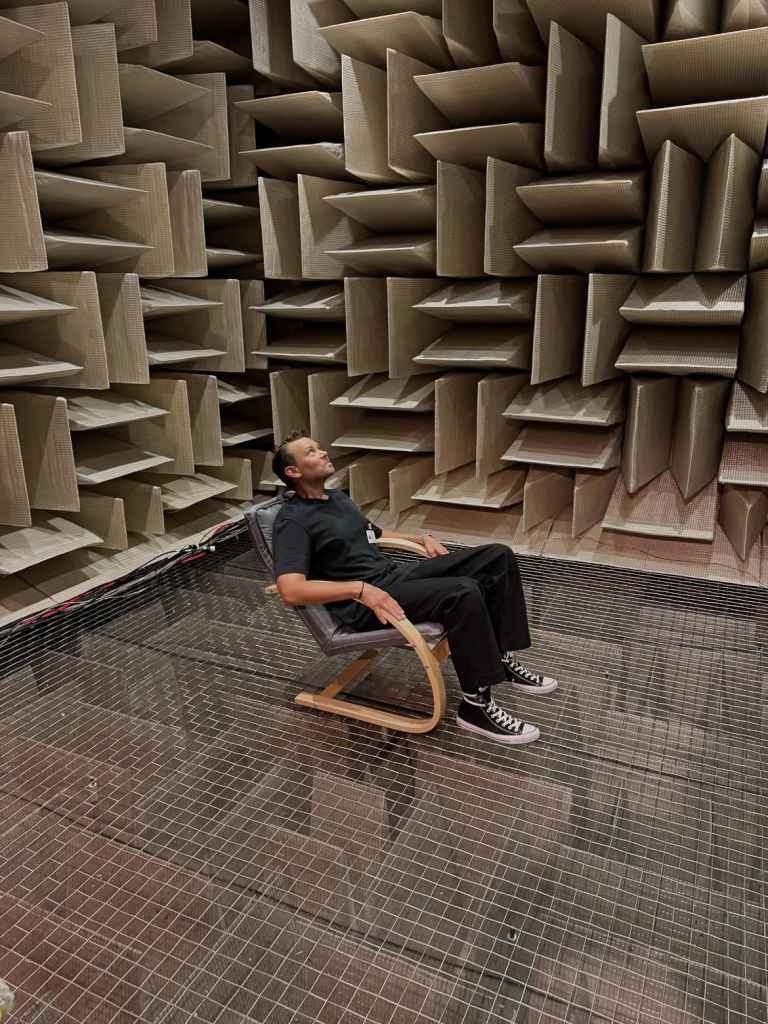
Now, with his new book, Into the Quiet: Following Jesus in a World of Noise, he takes that invitation a step further, encouraging readers to step away from the chronic noise and constant motion of modern life and into the still, silent present moment.
For Comer, quiet isn’t simply about getting a break from a busy schedule. It’s about making space to become the people we’re meant to be. “The moment that level of noise, both literal and metaphorical, tips over a certain line, where it begins to hinder or hamper your ability to exude love and joy and peace,” he says, “At that point, it’s actually suppressing your ability to become who God is inviting you to become.”
Here, he shares wisdom with Woman’s World about how quiet self-care can help us love better, ways to train our brains for our benefit and what you can start doing today to quiet the noise and live more peacefully.

How to take a ‘micro retreat’ without going anywhere
If the idea of solitude sounds great in theory, but feels impossible to fit into an already packed schedule, Comer says we don’t necessarily need to plan a retreat or escape somewhere to begin. Instead, he suggests turning ordinary moments we already have into what he calls “micro retreats.”
“I think the best place to start is just to repurpose daily rituals that you already have as kind of micro retreats,” he explains. That might mean enjoying your morning coffee without your phone or laptop, sitting outside and simply being present to the moment. It could mean making a cup of tea and watching the sunset instead of turning on a show, or taking the dog for a walk without simultaneously listening to a podcast, calling someone or checking email. “So a lot of it is stuff that takes no more time at all,” Comer says. “We just have to remove the kind of nonstop digital distraction that kind of encroaches on all these beautiful little micro retreats that are waiting for us every day in the daily routines of our life.”

How to train a busy brain to find quiet
If your inner monologue immediately starts running through your to-do list, worries, and self-criticism the moment you sit down, Comer wants you to know that you’re not doing anything wrong. “That just makes you normal, right? That is what a brain does,” he says, “An untrained brain just goes wild. But our brain can be trained.”
He recommends practices such as taking slow breaths, praying through the Psalms and intentionally naming things you’re grateful for. And when your mind inevitably wanders, he says not to beat yourself up over it. “Just gently bring your mind back to God and to the Psalm you’re reading, or the gratitude you’re naming, or the breath that you’re breathing.”
In fact, Comer says the moment you realize you’ve become distracted is part of the practice itself. “That act of returning your attention is actually what creates new neural synapses that begin to increase your brain’s capacity to focus and still your brain more and more.”
Why quiet self-care helps you love your family better
For people, especially women who are constantly caring for others, it can feel difficult to find time to refill our own cup. Comer offers a new perspective on the self-care conversation. He says the difference comes down to the ultimate goal.

Taking time to ourselves can ultimately make us more loving toward the people around us. “Self-care is important for the mom or for the grandmother. Not so they can be happy and have healthy boundaries, but so that they can be more loving when they’re with their grandkids or kids or neighbors.”
“Christ did not define love as being always available for everybody all the time,” Comer says. And sometimes, he says, stepping away from others is precisely what allows us to love them better.
Comer says even Jesus practiced what he calls the “retreat and return” pattern by regularly stepping away so He could return ready to love and serve others. “For Jesus, it wasn’t time with people doing good and meaningful work and contribution, or becoming a hermit and being alone all the time in prayer,” Comer says. “It was this both/and of retreat and return. This pattern of retreating from the world in order to come back and better love and serve the world.”
Conversation
All comments are subject to our Community Guidelines. Woman's World does not endorse the opinions and views shared by our readers in our comment sections. Our comments section is a place where readers can engage in healthy, productive, lively, and respectful discussions. Offensive language, hate speech, personal attacks, and/or defamatory statements are not permitted. Advertising or spam is also prohibited.