Julie Andrews Made Mary Poppins Magical—The Books Were Much Darker
Forget the spoonful of sugar: P.L. Travers’ original Mary Poppins is coming to TV and she's stranger, sharper and more surreal

Key Takeaways
- A Mary Poppins TV series is being developed from P.L. Travers' books.
- P.L. Travers wrote eight Mary Poppins books published from 1934 to 1988.
- The books reveal adventures, characters and a Mary the movies never fully explored.
The lovable and magical Mary Poppins, nanny to the Banks children and brought to life so endearingly by Julie Andrews in 1964 and again by Emily Blunt in 2018, is not the character envisioned by writer P. L. Travers. Born Helen Lyndon Goff in Australia, Travers drew on her own complicated life, love of mythology and interest in mysticism when shaping Mary’s mysterious world. Introduced in 1934 in what would become the first of eight Mary Poppins books, Travers’ Ms. Poppins was considerably darker, her adventures more surreal—and those are the tales serving as the basis for a new live-action television series currently in development.
Being shepherded by producer Tom Winchester through Pure Fiction Television, the show has been optioned from the Travers estate rather than Disney, with the intent of creating the series from elements of the books, which were published between 1934 and 1988.
Here’s what the eight books have to offer.

‘Mary Poppins’ (1934)
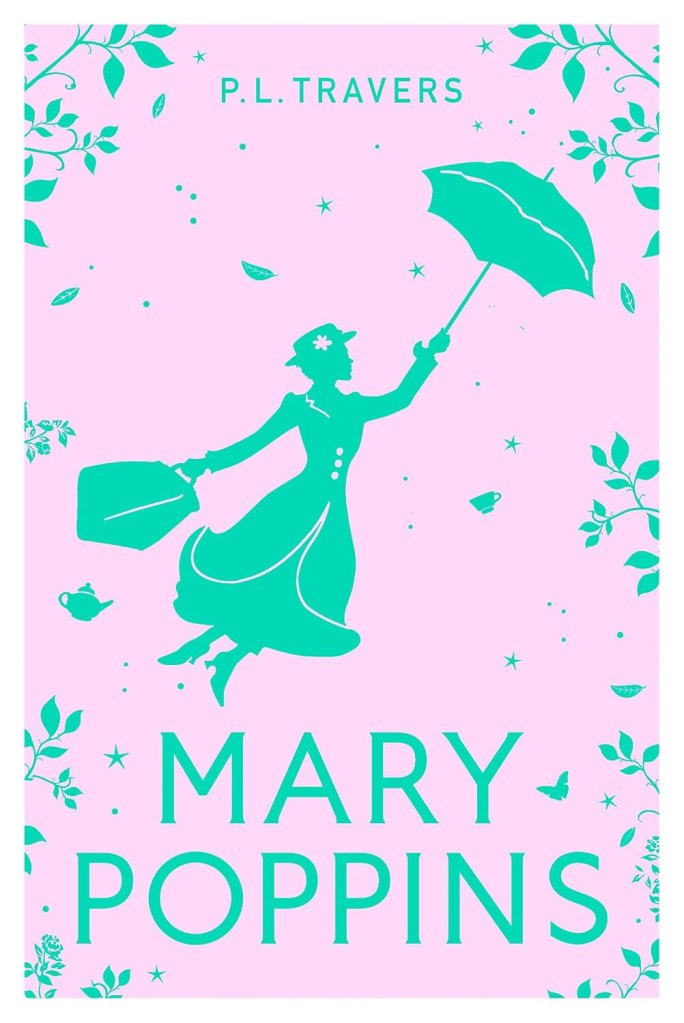
What’s it about? This is where the East Wind blows Mary Poppins, complete with carpetbag and parrot-headed umbrella, into the home of Mr. and Mrs. Banks at Number 17 Cherry Tree Lane. Jane and Michael Banks soon discover that there’s something extremely unusual about their new nanny, although Mary herself isn’t particularly interested in confirming their suspicions.
Travers structures the book as a series of adventures rather than one long narrative. Mary and the children encounter the Bird Woman, visit Mary’s Uncle Albert, whose uncontrollable laughter causes him to float toward the ceiling; meet the ancient Mrs. Corry and experience a world in which extraordinary events can erupt into everyday London life without warning. The original book also introduces the younger Banks children, twins John and Barbara.
Some of this will immediately sound familiar to anyone who has seen the 1964 movie, but Disney selected, combined and substantially reshaped Travers’ material rather than simply filming the book.
What could the TV series use? The first novel essentially provides the series with its pilot and its basic format: Mary arrives, takes control of the Banks household and leads the children into adventures that the adults generally never see or understand. More importantly, it establishes the literary Mary, who’s vain, stern and often exasperating. Magical things happen around her constantly, but the challenge lies in trying to get her to admit it. So, rather than trying to compete with Julie Andrews, a television adaptation could benefit from embracing that difference.

‘Mary Poppins Comes Back’ (1935)
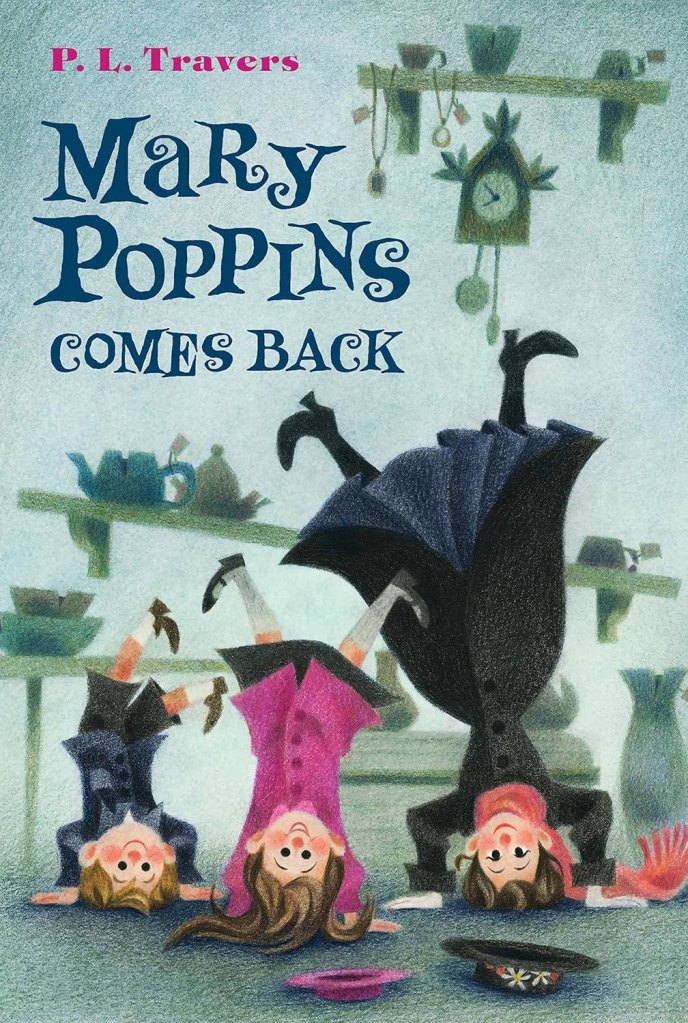
What’s it about? Following Mary’s departure in the first book, the Banks household again descends into chaos. This time Mary returns from the sky at the end of a kite string, with things getting considerably stranger from there.
Jane and Michael encounter the King of the Castle and the Dirty Rascal, experience the topsy-turvy world of Mr. Turvy and Miss Topsy and find themselves floating above the park while hanging onto balloons. The book also expands the Banks family with the arrival of baby Annabel, eventually giving the household five children: Jane, Michael, twins John and Barbara, and Annabel.
What could the TV series use? This is where a series could begin establishing that Mary’s world has its own mythology. Characters return, relationships expand, strange figures move in and out of Cherry Tree Lane, and Mary’s connection to the fantastic increasingly seems to extend far beyond the Banks household. This is probably an important element for television in that instead of simply possessing a bag of magical tricks, she appears to belong to another world that exists alongside ours—and she seems to know everyone in it.
‘Mary Poppins Opens the Door’ (1943)
What’s it about? Eight years after Mary Poppins Comes Back, Travers brought the character back again in spectacular fashion. The story begins on Guy Fawkes Night (an annual event in Britain taking place on November 5), with Mary arriving amid the evening’s fireworks. Once she’s settled back at Number 17, Jane and Michael are introduced to still more inhabitants of her impossible universe.
There’s Mr. Twigley and his music boxes, a statue known as the Marble Boy, Miss Calico and her magical peppermint horses and “The Cat That Looked at a King.” Travers also gives this third book something resembling an ending to Mary’s cycle of arrivals and departures so that while the later books would continue her adventures, they wouldn’t simply repeat the same pattern of Mary leaving and returning again.
What could the TV series use? Some extraordinary standalone episodes, the Marble Boy alone illustrating how far the books can move beyond the recognizable Disney approach. Travers’ fantasy can be whimsical one moment and melancholy or eerie the next, so instead of attempting to reproduce the tone of the movie, it can allow different episodes to be funny, mysterious, surreal or even unsettling.
‘Mary Poppins in the Park’ (1952)
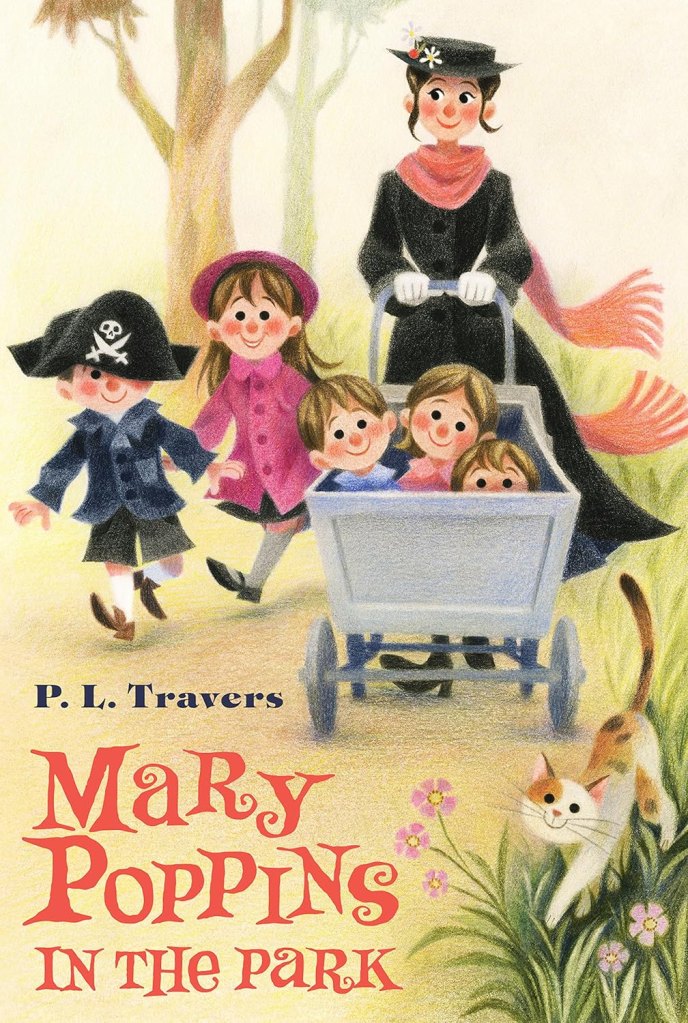
What’s it about? Here’s where the chronology becomes unusual. Mary Poppins in the Park doesn’t pick up years after the third book. Instead, it’s six adventures taking place during Mary’s previous stays with the Banks family. As a result, Travers has gone back and provided adventures we hadn’t previously seen, including stories featuring encounters with people who live beneath dandelions, cats on another planet and a Halloween celebration involving people’s shadows. Jane and Michael themselves are sometimes left wondering whether what they’ve experienced was real and Mary, for her part, isn’t about to clear things up for them.
What could the TV series use? This book may demonstrate better than any other why Mary Poppins could work as episodic television. An episode can begin with Mary and the children walking through the park and suddenly lead somewhere completely unexpected. A television series wouldn’t necessarily need to adapt Travers’ stories in publication order, instead pulling adventures from throughout the books and weaving them into its own chronology. And if the producers really want to distinguish the show from the movies, cats on another planet would certainly do it.
‘Mary Poppins From A to Z’ (1962)
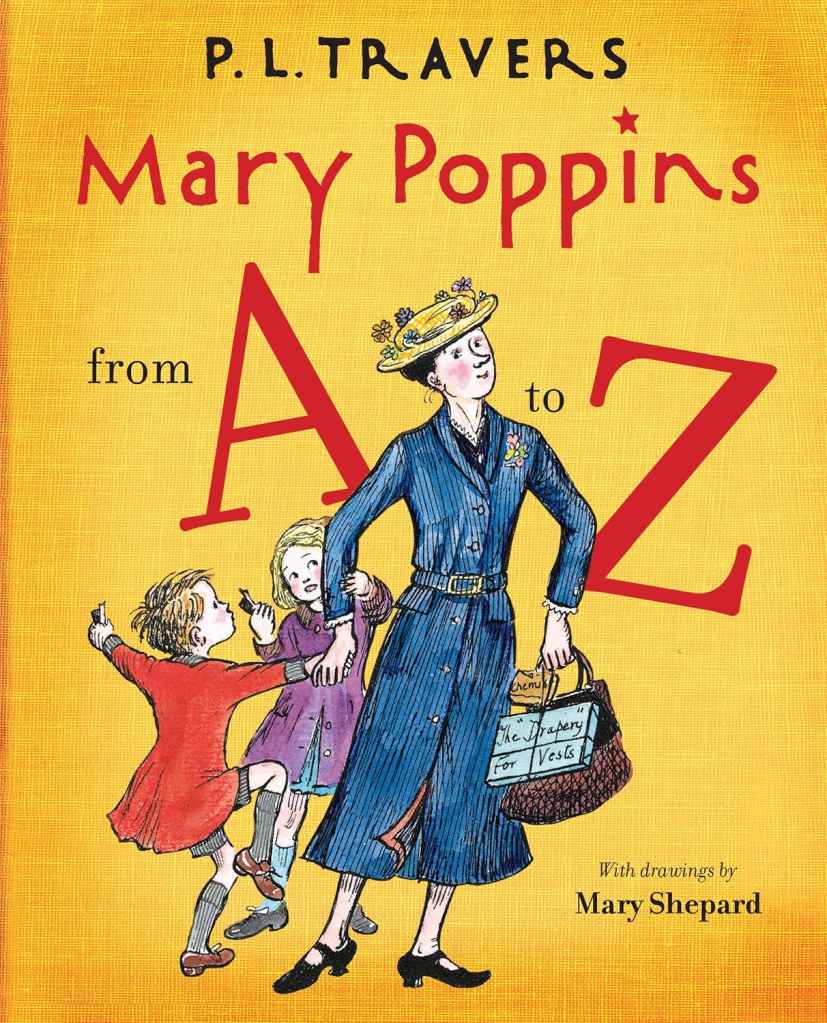
What’s it about? Calling all eight entries “novels” is a little misleading, and Mary Poppins From A to Z makes that especially clear. This is a collection of 26 brief vignettes, one corresponding to each letter of the alphabet. Each vignette features Mary, the Banks children or other familiar characters, while emphasizing words beginning with its particular letter. As such, it’s a more playful literary exercise than a conventional Mary Poppins adventure.
What could the TV series use? Those 26 vignettes provide additional glimpses of characters and life around Cherry Tree Lane. A television writer could take incidents, personalities and details from them and incorporate those elements into larger stories adapted from elsewhere, which is one of the advantages of having eight books available: not everything needs to be adapted literally.
‘Mary Poppins in the Kitchen’ (1975)
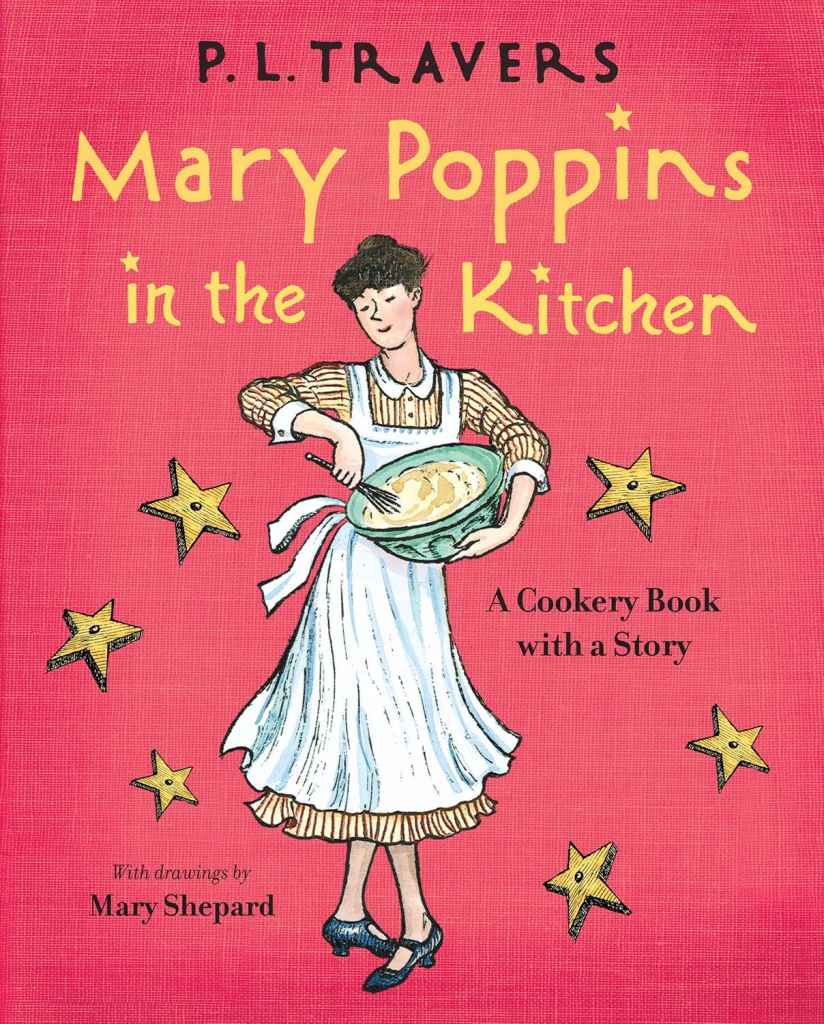
What’s it about? Yes, Mary Poppins wrote a cookbook. Or, more accurately, Travers created a Mary Poppins story that doubles as one.
When the Banks household is temporarily without its usual culinary support, Mary and the children take over the kitchen for a week. Familiar characters including the Bird Woman, Admiral Boom and Mr. and Mrs. Turvy become involved, and the book eventually supplies 30 recipes that allow readers to prepare the meals themselves. Needless to say, this is the most unconventional entry in the series.
What could the TV series use? Strip away the recipes and there’s an appealing television premise underneath: Mary Poppins and five children attempting to run the Banks kitchen for a week while various eccentric residents of their world wander through. It also demonstrates something important about Travers’ concept: Magic doesn’t always require transporting the children somewhere fantastic. Under Mary’s supervision, even making dinner can become an adventure.
‘Mary Poppins in Cherry Tree Lane’ (1982)
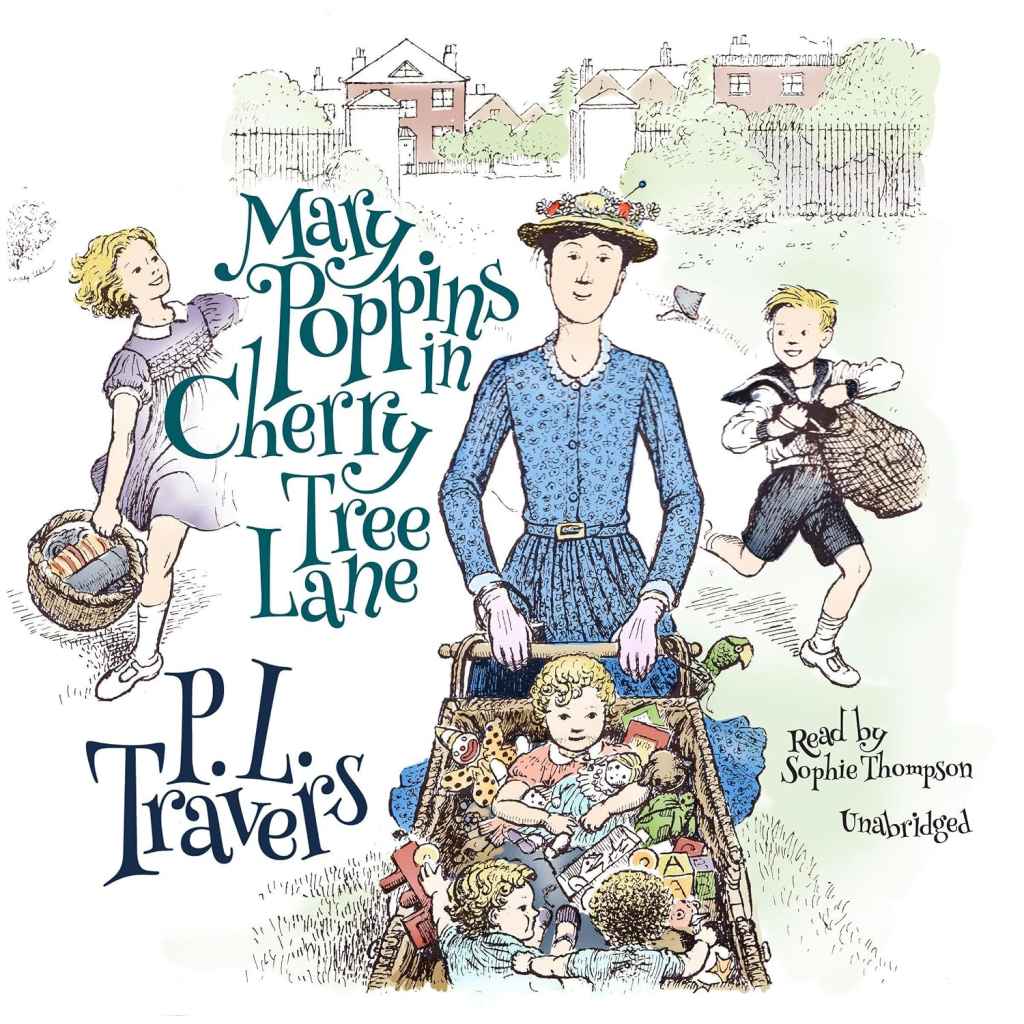
What’s it about? Nearly half a century after introducing Mary Poppins, Travers returned to Cherry Tree Lane for another magical outing. Set on Midsummer’s Eve, the story takes Mary and the Banks children to the Herb Garden, where an ordinary evening transforms into something considerably more fantastic. It’s a much shorter work than the early novels, but its existence says something remarkable about Travers’ relationship with the character: 48 years after Mary Poppins appeared in 1934, the author was still finding unexplored corners of her world to explore.
What could the TV series use? A Midsummer’s Eve episode would allow a television adaptation to lean heavily into the folkloric side of Travers’ imagination—something that could help separate this Mary Poppins visually and tonally from the bright musical world audiences associate with Disney. It also reinforces an idea running throughout the books: nature, animals, stars, seasons and myth all seem to operate according to rules Mary understands and everyone else has forgotten.
‘Mary Poppins and the House Next Door’ (1988)
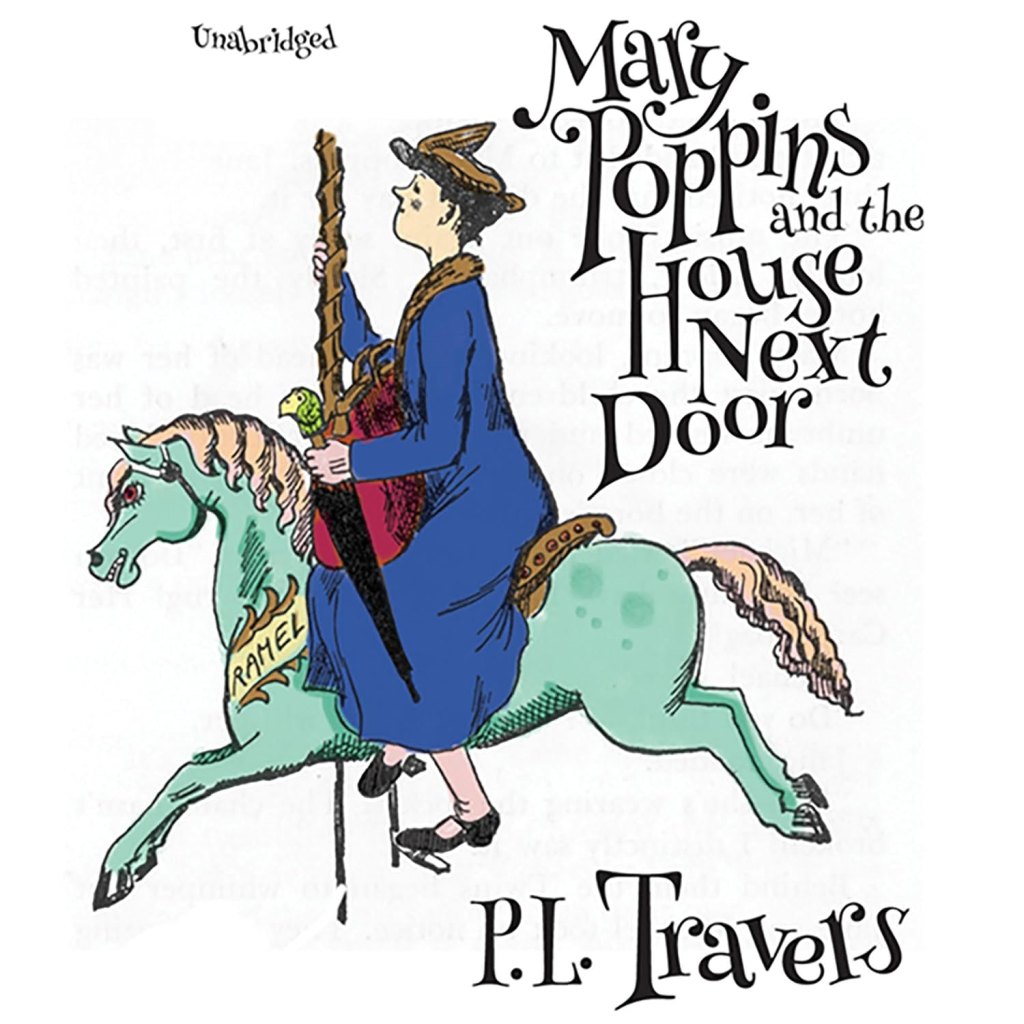

What’s it about? Travers published her final Mary Poppins book 54 years after the first. For years, Number 18 Cherry Tree Lane has remained empty, allowing the neighborhood residents to imagine their ideal occupants. Then someone actually moves in. Unfortunately, it’s Miss Andrew—Mr. Banks’ terrifying former governess.
She arrives with a boy named Luti, who desperately misses his home and family. Mary ultimately becomes involved in helping him, in a story that eventually reaches all the way to the Man in the Moon.
What could the TV series use? Anyone familiar only with the films may not realize how many strong supporting characters exist in Travers’ books, and Miss Andrew is one of the most memorable. There’s also something beautifully appropriate about the final Mary Poppins book being centered on the house next door. Travers had spent more than half a century showing readers that extraordinary things were hiding behind ordinary London doors and all she had to do was open one more, which is what happens here.
Conversation
All comments are subject to our Community Guidelines. Woman's World does not endorse the opinions and views shared by our readers in our comment sections. Our comments section is a place where readers can engage in healthy, productive, lively, and respectful discussions. Offensive language, hate speech, personal attacks, and/or defamatory statements are not permitted. Advertising or spam is also prohibited.