Barbara Bel Geddes Went From Hitchcock Muse to ‘Dallas’ Icon—Inside Her Truly One-of-a-Kind Career
The star impressed Alfred Hitchcock and originated roles played by Elizabeth Taylor and Marilyn Monroe

In the decades after Hollywood’s Golden Age ended, many movie stars of the era found a surprising second act in TV, from Citizen Kane’s Agnes Moorehead in Bewitched to Double Indemnity’s Barbara Stanwyck in The Big Valley. One of the most fascinating tales of this kind of actress reinvention came from Barbara Bel Geddes, who went from an unforgettable role in Alfred Hitchcock’s legendary 1958 thriller Vertigo to starring in the ’80s prime-time soap Dallas.
Dallas, which ran for 357 episodes from 1978 to 1991, followed the trials and tribulations of the Ewings, a wealthy Texas oil family, and was known for its juicy drama and intense cliffhangers. Presiding over all the chaos was Miss Ellie Ewing, the strong-willed matriarch of the powerful clan. Miss Ellie was played by Barbara Bel Geddes for nearly 300 episodes (save for the show’s eighth season, where she temporarily stepped out due to health issues and was replaced by another veteran movie star, Donna Reed), and the award-winning part became her best-known work.
Read on to see how Bel Geddes, who died of lung cancer at 82 in 2005, went from ’50s Hollywood ingenue to ’80s TV queen.

Barbara Bel Geddes’ Broadway beginnings
Barbara Bel Geddes came from an artistic background as her father, Norman Bel Geddes, was an acclaimed theatrical designer who worked with Broadway shows, the Metropolitan Opera and the World’s Fair. Bel Geddes began acting onstage in the ’40s and first received notice for her role in the 1946 Broadway play Deep Are the Roots.
In 1955, Bel Geddes starred in the original Broadway production of Cat on a Hot Tin Roof, playing the role that would go to Elizabeth Taylor in the 1958 film version. She also starred in the 1956 play The Sleeping Prince, playing the role that would go to Marilyn Monroe in the 1957 film adaptation, which was retitled The Prince and the Showgirl. Over the course of her career, she appeared in 15 different Broadway plays.
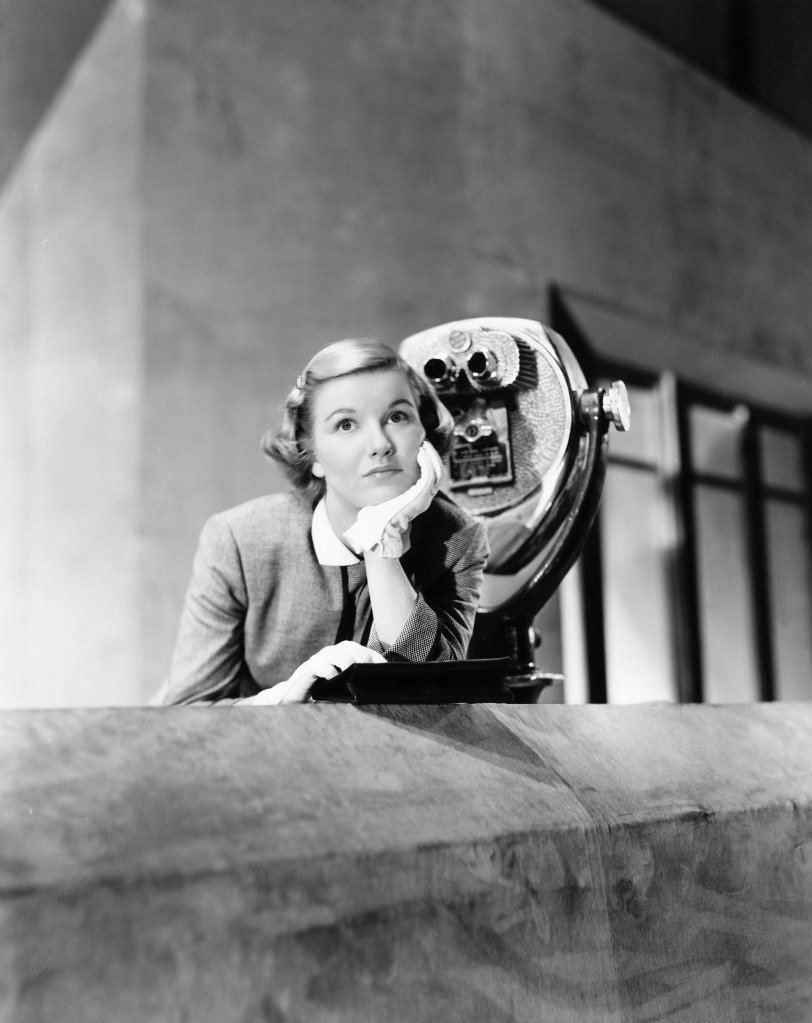
Her rise as a 1950s film star
Bel Geddes made her film debut in the 1947 noir The Long Night. Her next film, I Remember Mama (1948), earned her an Academy Award nomination for Best Supporting Actress. Roles in Blood on the Moon (1948), Caught (1949) and Panic in the Streets (1950) followed, and she appeared in a variety of TV episodes throughout the ’50s.
In 1958, Bel Geddes had her most famous film role as James Stewart’s put-upon ex-fiancée in Alfred Hitchcock’s psychosexual thriller Vertigo. While Bel Geddes wasn’t the leading lady (that honor went to Kim Novak in a dual role that would inspire many a femme fatale in its wake), her supporting part as an artsy, bespectacled young woman with a stylish apartment stands out, and though Stewart falls under Novak’s sultry spell, you can’t help but feel for Bel Geddes’ lonely sidekick.
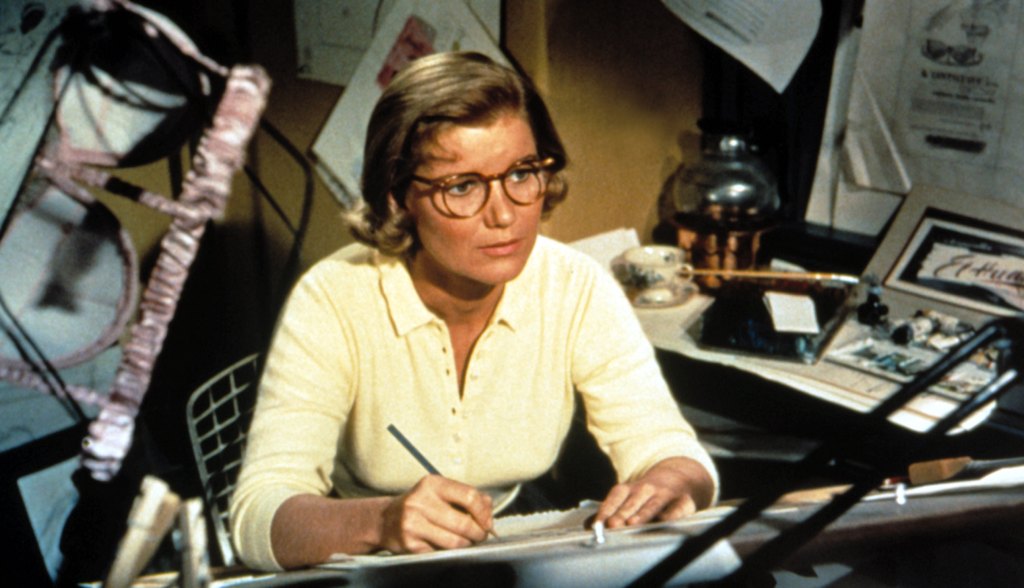
Bel Geddes clearly impressed Hitchcock, as she was cast her in four episodes of Alfred Hitchcock Presents between 1958 and 1960, including one of the most famous episodes, “Lamb to the Slaughter,” which was directed by the Master of Suspense himself and featured her as a woman who murders her husband using a leg of lamb and then serves it to the police.
Bel Geddes then appeared in the musical The Five Pennies (1959) and the war drama Five Branded Women (1960). In the ’60s and ’70s, she could be seen in episodes of Dr. Kildare, Journey to the Unknown, Daniel Boone and Spencer’s Pilots and played mothers in Summertree (1971), The Todd Killings (1971) and the TV movie adaptation of Our Town (1977).
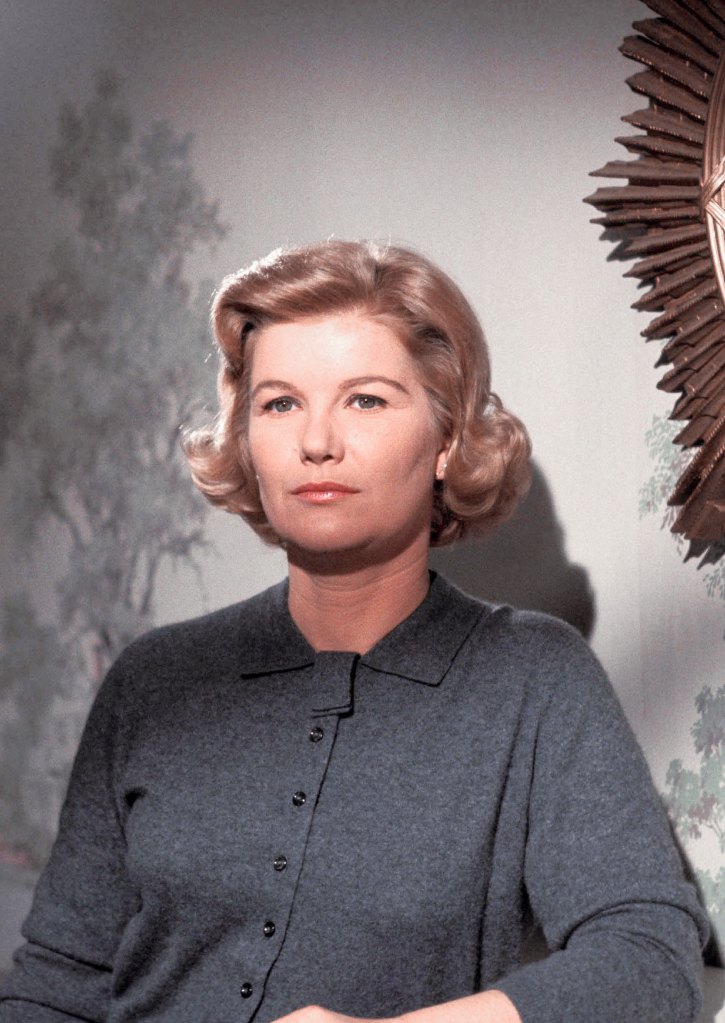
Playing Miss Ellie on ‘Dallas’: ‘They’re always making me play well-bred ladies’
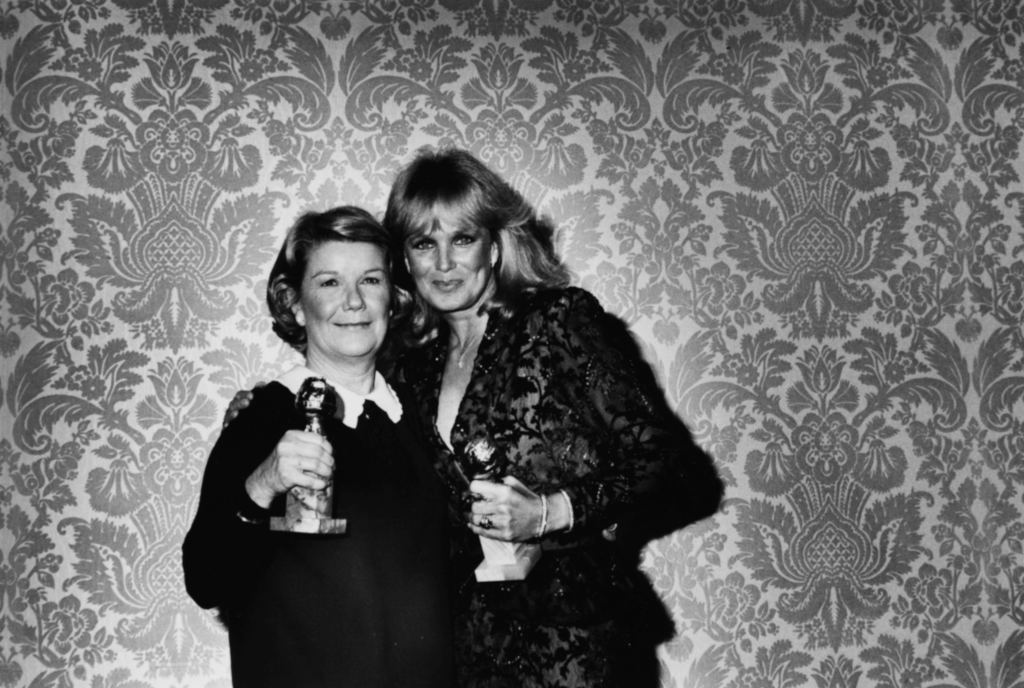
After three decades onscreen, Bel Geddes’ career had slowed down somewhat by the late ’70s, but when she was cast in Dallas in 1978, she came back in a big way. She was the first actor to be cast on the show and the only one to win an Emmy for her work, though she said she initially took the role because she was broke after years of caring for her late husband.
Dallas was appointment viewing, and remains one of the longest-running prime-time dramas of all time. The show introduced Bel Geddes to a new generation of viewers, and it kept her busy for a full decade. In 1983, she had to leave the show to get emergency heart surgery, and was replaced by It’s a Wonderful Life star Donna Reed, and while Reed expected to stay on the show, Bel Geddes was brought back once she recovered, staying on the show until its penultimate season in 1990, and leading Reed to sue for breach of contract (the case was settled out of court).

While Bel Geddes didn’t come from Texas, she drew from her own life experience for her Dallas role. In the early ’70s, the actress had undergone a mastectomy, an experience her character also went through in the show’s second season, and was widely praised for helping to raise awareness of breast cancer and speaking openly about the issue.
Dallas had plenty of dark and dramatic moments, but Bel Geddes said being on the soapy series was “great fun” and quipped, “They’re always making me play well-bred ladies. I’m not very well-bred, and I’m not much of a lady.”
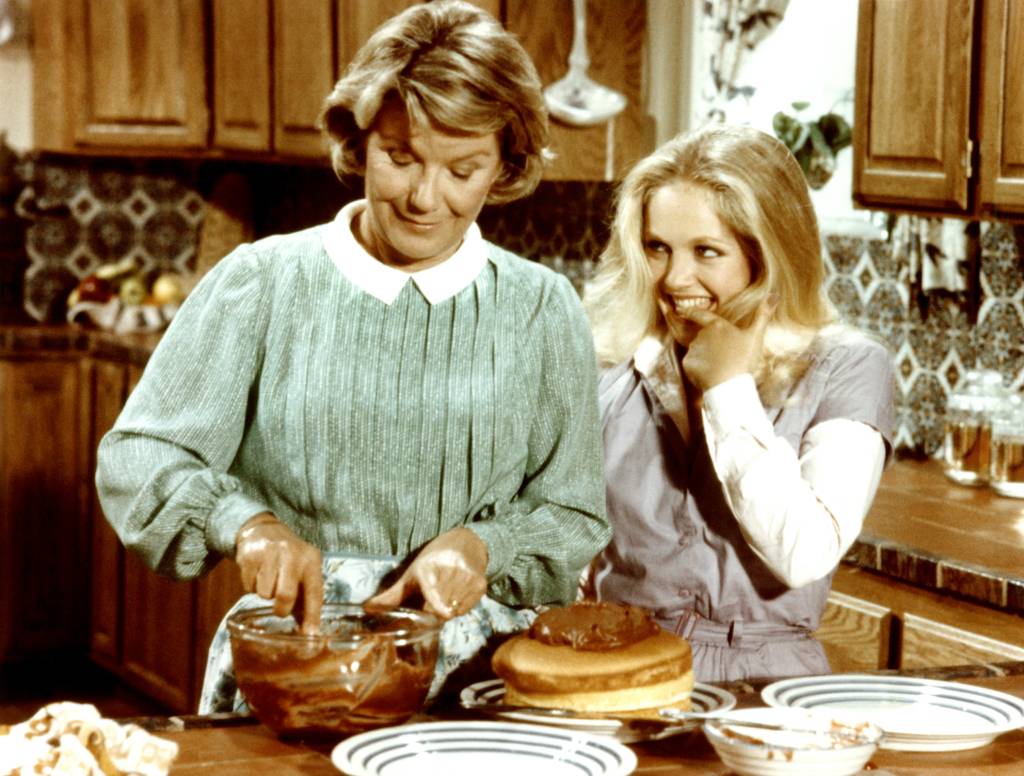

Larry Hagman, who played Bel Geddes’ son, the devious J.R. Ewing (though he was only nine years younger than his onscreen mom), called her “the glue that held the ship together,” and “a wonderful woman—great to work with, great to direct.”
The show may have captured the over-the-top spirit of the ’80s, but Bel Geddes brought a touch of old Hollywood class to the proceedings.
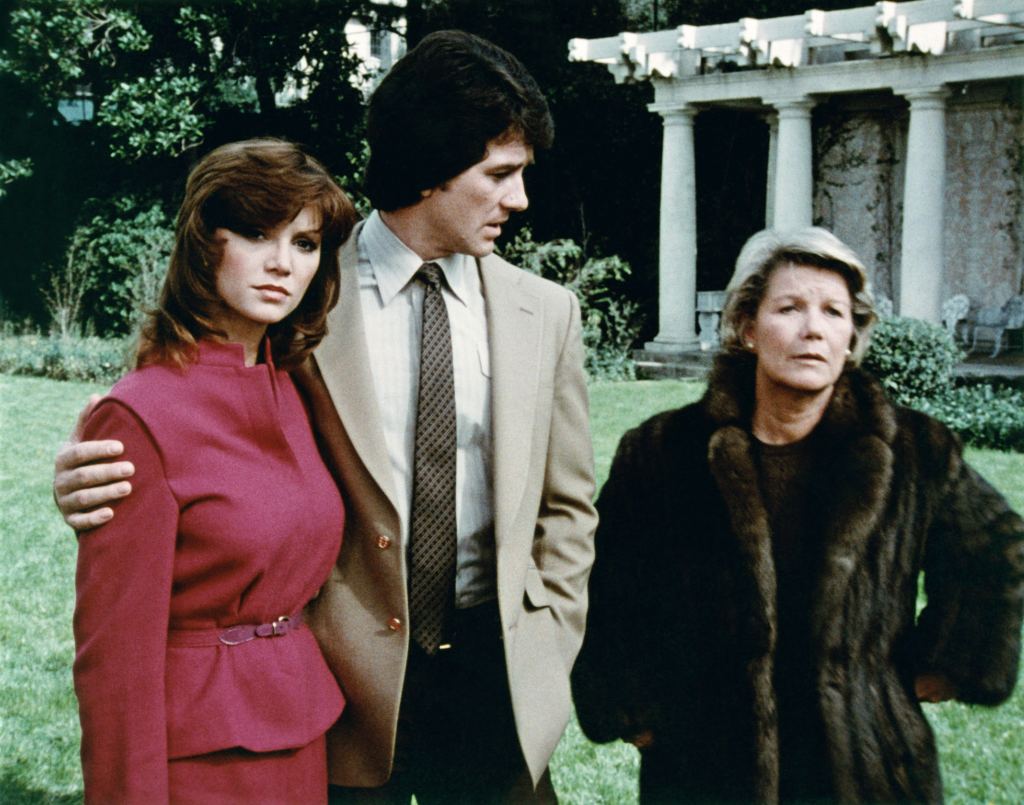
Her life and work after ‘Dallas’
Miss Ellie would be Bel Geddes’ final role, and after leaving the show she retired to Maine. In the ’60s and ’70s, she wrote two children’s books and started a line of greeting cards, and upon her retirement, she dedicated herself to visual art.
In her later years, the actress lived a quiet existence, and was out of the spotlight until her passing in 2005, but her singular trajectory, from originating roles later played by Elizabeth Taylor and Marilyn Monroe to working with Alfred Hitchcock to having a comeback as an ’80s TV star, will always be remembered.
Conversation
All comments are subject to our Community Guidelines. Woman's World does not endorse the opinions and views shared by our readers in our comment sections. Our comments section is a place where readers can engage in healthy, productive, lively, and respectful discussions. Offensive language, hate speech, personal attacks, and/or defamatory statements are not permitted. Advertising or spam is also prohibited.