Lucille Ball’s Private Admission: Why She Thought Judy Garland Was the Real Comedy Genius
A rare 1977 car ride revealed Lucy's secret: 'Judy Garland made me look like a mortician'

Hollywood has always been a town where everyone knew everyone else—at least by reputation. Even when stars didn’t socialize or work together, they watched one another closely, especially when it came to talent. Who had real timing. Who could think on their feet. Who could be funny without trying? And for all the laughter she brought to television, Lucille Ball was surprisingly clear-eyed about where she fit in that equation.
She understood structure, writing and performance. What she never claimed—at least privately—was that comedy came naturally to her in the way people assumed it did, thanks to the legendary success of I Love Lucy. That distinction mattered to her, particularly when she talked about Judy Garland.
In the years following her passing in 1969, Garland’s reputation was firmly established, not just as a singer or dramatic actress, but as someone with lightning-fast instincts and an effortless sense of humor. People who worked with her talked about it constantly. She could read a room, land a line or puncture a moment with a remark that felt completely off-the-cuff—and devastatingly funny.
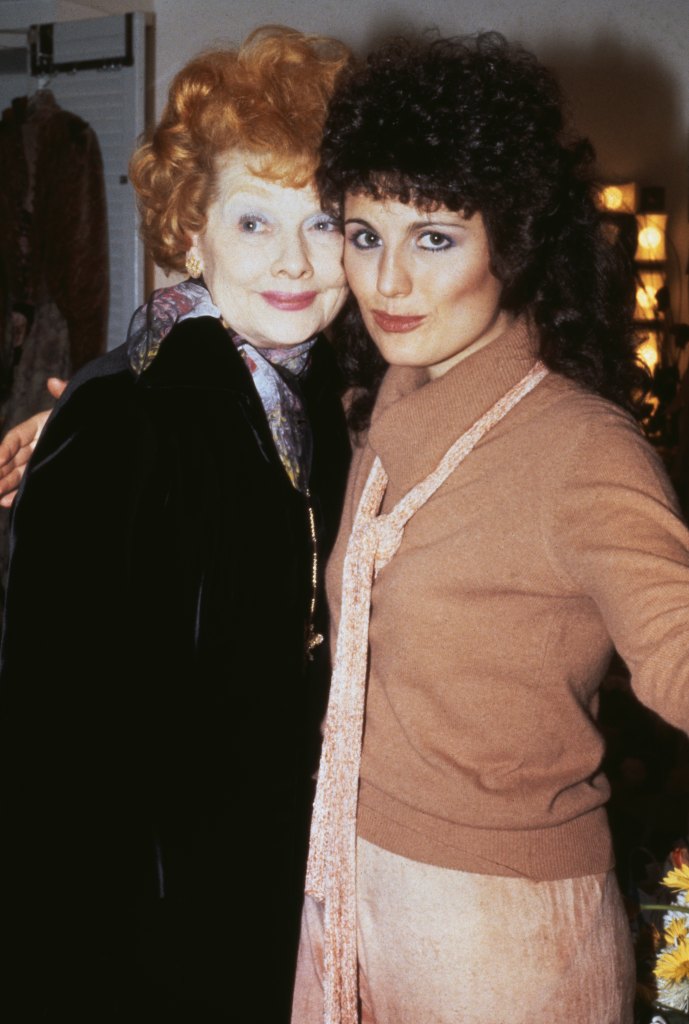
What makes Lucille Ball’s perspective especially revealing is that it didn’t surface in an interview, a memoir, or a carefully framed recollection. It came out casually, during a car ride in 1977, when Ball had no reason to be “on” and no idea that what she was saying would be remembered at all.
That year, author and Judy Garland/Wizard of Oz historian John Fricke was working as a theater publicist in Milwaukee. Part of his job involved coordinating appearances and logistics for touring performers and visiting guests connected to productions playing in town. When Lucille Ball arrived to see her daughter, Lucie Arnaz, who was starring locally in Bye Bye Birdie, Fricke found himself assigned a task few would forget: picking Ball up at the airport and driving her to the theater. It was not, it should be emphasized, a press event. There were no handlers, no formal conversation and no expectation that Ball would be offering personal reflections. She did not know Fricke, nor did she have any reason to filter her thoughts for posterity. The two simply shared a drive, during which Ball spoke openly about how she was perceived—and how she perceived herself.
JOHN FRICKE: “Now, she didn’t know me or anything about me, and it was just the two of us in the car, but at one point she was talking about how people always expected her to be funny. She said that her daughter, Lucie, was funny on stage and off, but Lucille Ball herself felt she was only funny because the writers gave her funny things to do.”
What Ball was really doing was drawing a line between how people saw her and how she saw herself. Yes, she had built a career that changed television comedy forever—but in her mind, that didn’t come from being naturally funny. It came from timing, from discipline, from trusting good writers and knowing exactly how to play what was on the page. That was her craft. And she talked about it matter-of-factly, not as a complaint or a false bit of modesty, just as the way she understood her own work. And then she said something that Fricke has never forgotten.
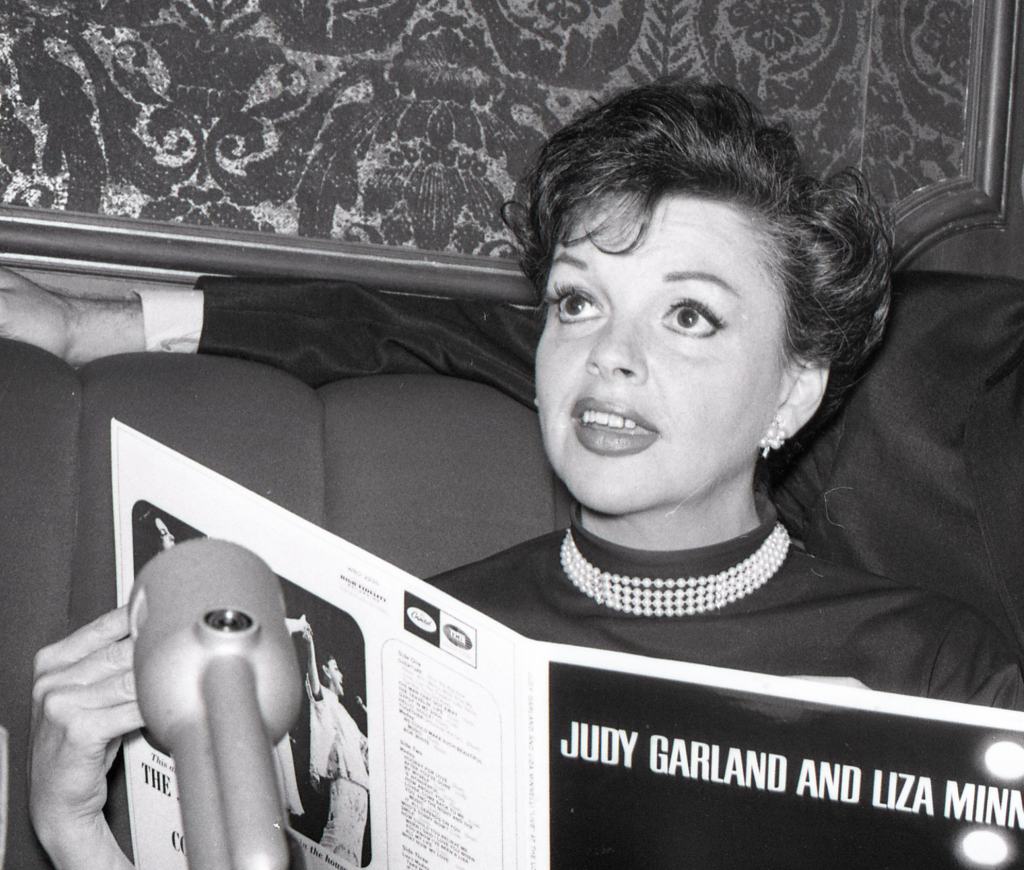
JOHN FRICKE: “I almost drove off the road when she told me, ‘You know who was really funny?’ I said, ‘No, who?’ and she said, ‘Judy Garland.’ I knew this, of course, but I responded, ‘Really?’ — while I desperately wanted to write whatever she was saying down on the steering wheel, I controlled myself. Then she said, ‘Judy Garland was the most naturally funny woman in Hollywood. In fact, Judy Garland made me look like a mortician.’ And that’s from Lucille Ball.”
What made the comment land so hard wasn’t just how blunt it was, but who it came from. Lucille Ball had built an entire persona around comic chaos that looked effortless, yet here she was pointing to something she felt she didn’t have. In her mind, Judy Garland’s humor wasn’t something you constructed or rehearsed—it just happened. It came out naturally, without the kind of planning and structure Lucy believed her own comedy depended on.
Pop culture historian Geoffrey Mark, author of The Lucy Book: A Complete Guide to Her Five Decades on Television, places Ball’s comment squarely within the way Garland was regarded by her peers.
GEOFFREY MARK: “There wasn’t an actor in Hollywood who wasn’t aware of the wit of Judy Garland. She had the ability to look at a situation, size it up and immediately find a bon mot or witticism. Miss Ball was a genius of acting, comedy or drama. It wasn’t that she had no sense of humor or didn’t know how to crack a joke, but she did not have the sharp personal wit that Judy possessed. And Miss Ball made no bones about it.”

You could see that quality most clearly when Garland was performing live, where there were no second takes and no place to hide. Her concerts often felt like conversations more than performances, changing shape depending on the audience and the moment. Television only reinforced that impression. One minute she could be disarmingly vulnerable, the next she’d toss off a line that cut straight to the heart of a situation, all without breaking stride.
JOHN FRICKE: “What Lucille Ball said is a great quote, but at the same time, you can see that it’s true. You can see in Judy’s concerts, in her TV appearances and in her movies, too, there was just a wonderful way that she could read a line, whether it was dry or something broader. She worked a lot with Bing Crosby on radio and he said she was unquestionably the most talented person with whom he ever worked, and he loved her comedy since she could do anything: baggy pants, hillbilly dialects, sophisticated — she could do it all.”
Conversation
All comments are subject to our Community Guidelines. Woman's World does not endorse the opinions and views shared by our readers in our comment sections. Our comments section is a place where readers can engage in healthy, productive, lively, and respectful discussions. Offensive language, hate speech, personal attacks, and/or defamatory statements are not permitted. Advertising or spam is also prohibited.