Sonia Manzano Talks Her Legendary 44-Year Run as Maria on ‘Sesame Street’ and Her Touching New Documentary (EXCLUSIVE)
The multitalented actress didn't just star on 'Sesame Street,' she also won 15 Emmy Awards for writing for the show!

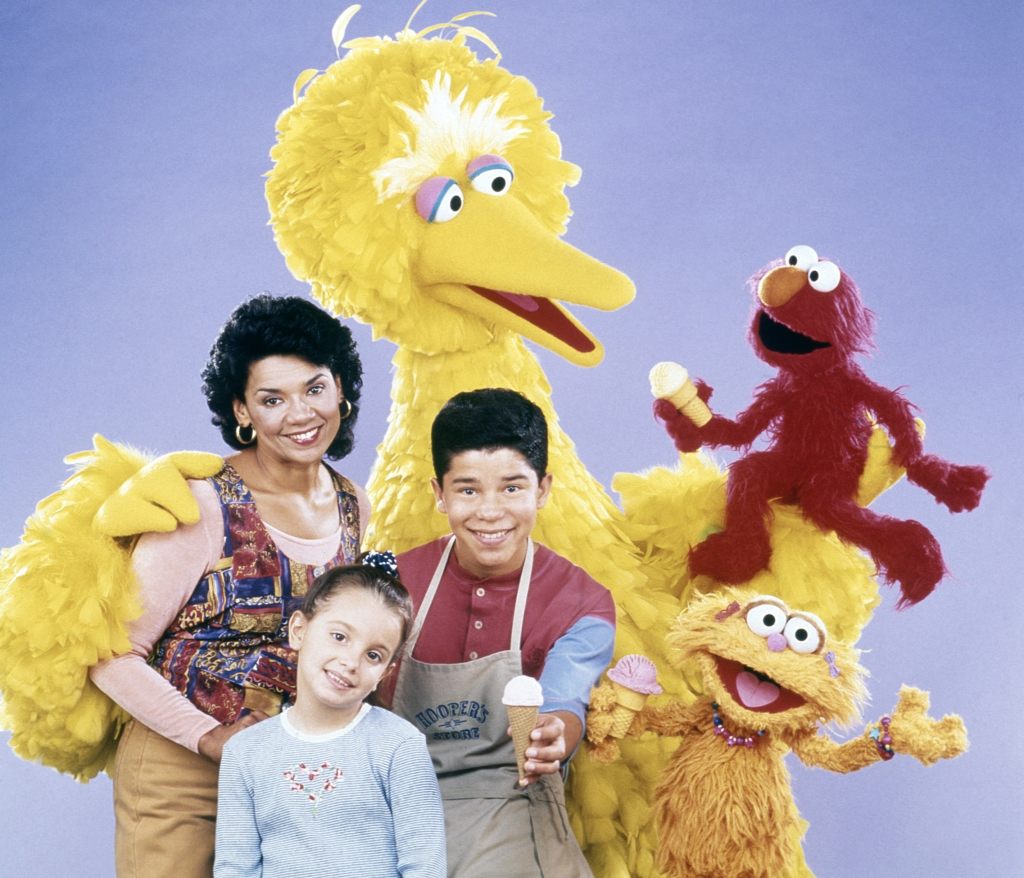
It’s no exaggeration to say that Sonia Manzano has been a source of inspiration to millions of children. The actress began playing Maria, one of the human residents of Sesame Street, in 1971, when she was just 21 and the show was still in its early days, and remained part of the cast for 44 years, retiring in 2015.
Over her four decades on Sesame Street, Manzano also became a writer for the series, and won 15 Emmy Awards in the process. Outside of the iconic show, she’s written a number of children’s books and created Alma’s Way, an animated PBS series inspired by her experience growing up Puerto Rican in the Bronx.
As one of the few Latina women on TV when she joined Sesame Street, Manzano, now 75, was a genuine trailblazer, and Maria served as a beacon of humor and kindness with multigenerational impact. Now, Manzano is the subject of a fascinating new documentary, STREET SMART: Lessons from a TV Icon, premiering on November 16 as part of the DOC NYC film festival.
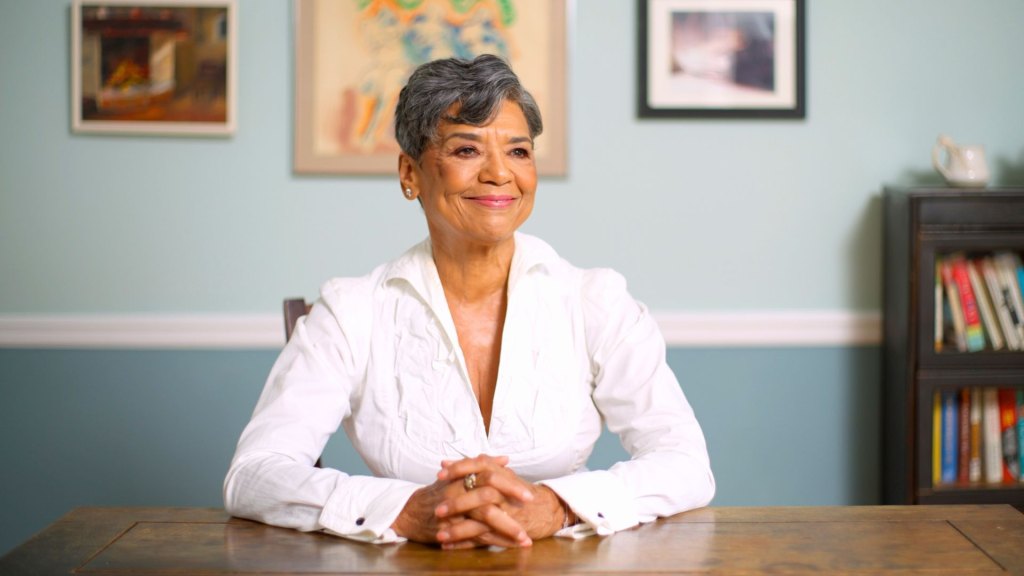
In advance of her documentary’s debut, Sonia Manzano sat down with Woman’s World to discuss her long journey with Sesame Street and what she’s learned from being an integral part of the beloved series.
Woman’s World: How did this documentary come to be?
Sonia Manzano: All the credit goes to the writer and director, Ernie Bustamante. Years ago, he approached me. He was very interested in my memoir, Becoming Maria: Love and Chaos in the South Bronx, and he wanted to bring some images to it, whether it would be as a movie or a sitcom or something else inspired by the book. Nobody was interested in doing that with us, but then he came up with the idea of making a documentary. He did all the work. All I did was show up and happily talk about myself.
These projects take a very long time. You shoot a little bit, you show it, you get more funding, you shoot a little bit more. I was very interested in how people saw me. I know how I see myself. I’m not being falsely modest, and I know that I’ve made an impact on people, but it was interesting for me to experience how other people perceive me.
WW: In addition to being part of the ‘Sesame Street’ cast for over 40 years, you also wrote nearly 150 episodes of the show. How did you make this transition?
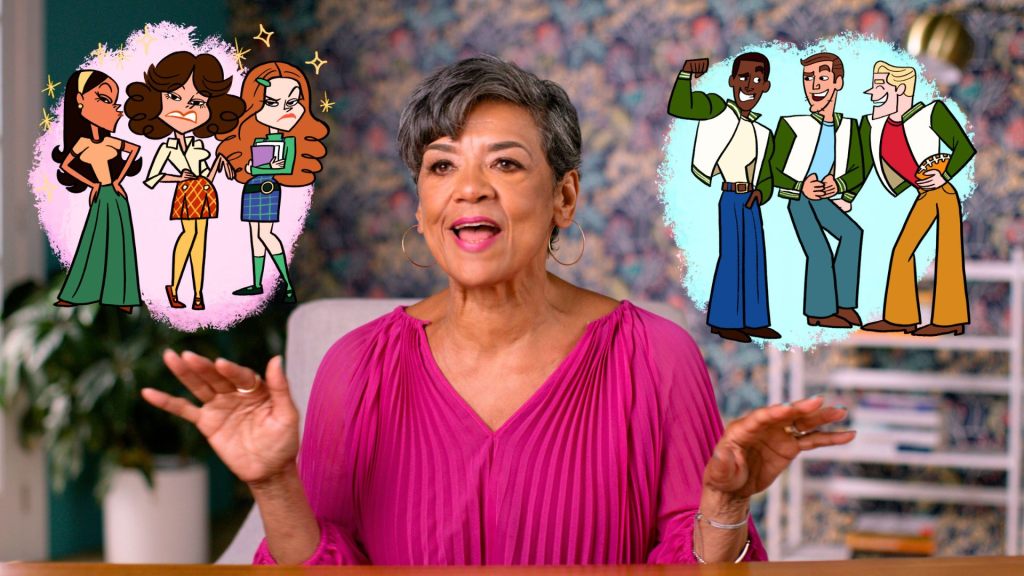
SM: All the power on television is behind the camera, for the most part. After being in front of the camera on Sesame Street for about eight years, I still felt like I wanted to contribute more, and I questioned some of the Latino content. If there’s one scene where Cookie Monster eats a table and another where I talk about Spanish words, what’s going to be more interesting for kids? Cookie Monster eating the table! The cultural bit could seem more academic, so I wanted to change that.
I went to the producer, Dulcy Singer, and expressed my feelings. She gave me their curriculum book, which was so thick, and I realized what they were up against. They had very specific curriculum goals that they had to address. She said, “Why don’t you try writing some stuff yourself?” I was stunned. Before that, we used to have meetings with the writers and actors, and they would ask us what we thought and what we wanted to perform. I always wanted to perform as Charlie Chaplin, because I was obsessed with him, and when I saw that they acted on my ideas, that showed me that those ideas were valid. I thought that if my ideas had validity, maybe if I wrote them myself, they’d be even stronger.
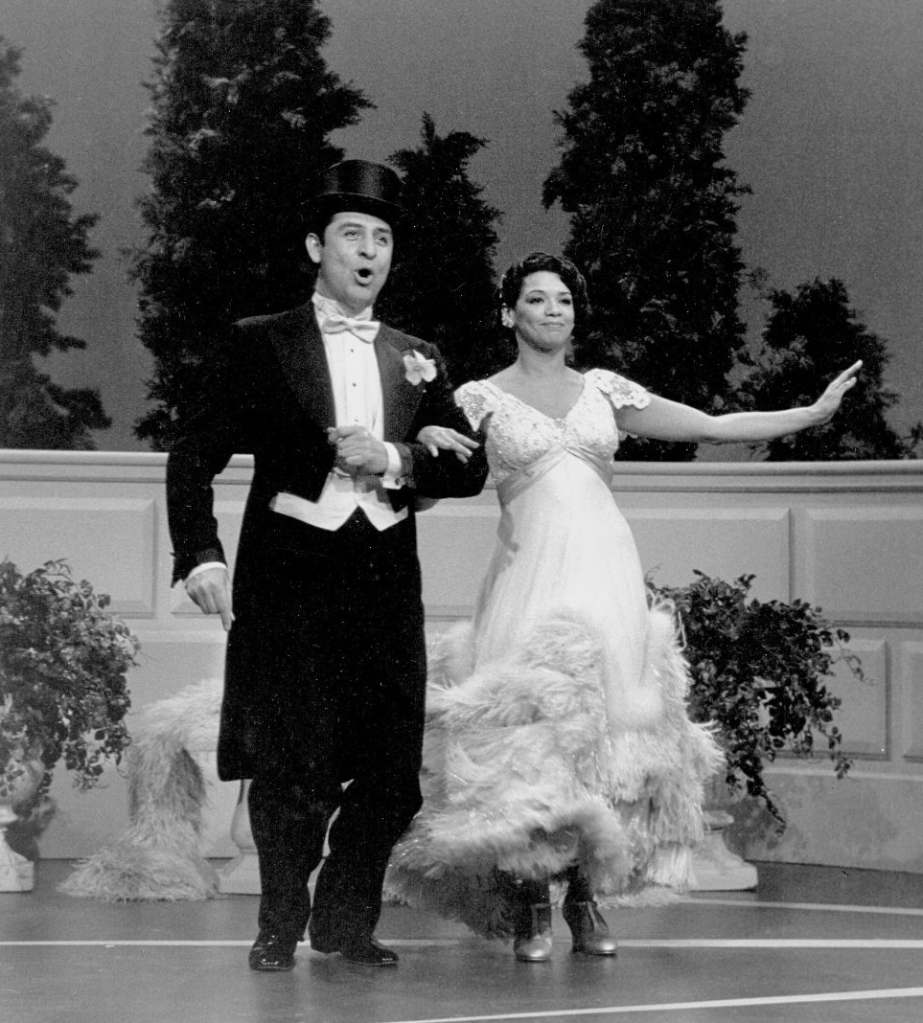
I never wanted to write for any other kids show. I only wanted to write for Sesame Street, and I knew the characters very well. I was already in love with Oscar the Grouch, and I already knew how important the humans were, but the first thing I wrote actually had no Muppets in it, and I didn’t even think about that consciously until the director pointed it out. I loved black-and-white movies and Fred Astaire and Ginger Rogers, so the first thing I wrote was a take on their film Top Hat where I’m wearing a feathered dress and singing that “Hola” is how you say “Hello” in Spanish.
WW: Being part of ‘Sesame Street’ for so long, what change did you see in the show over the years?
SM: For a long time, Sesame Street was the only game in town, and everybody was watching it. Then cable happened, and we thought that new programming was the most important aspect of a show, but we realized that kids were perfectly happy watching the same Disney movie a thousand times on their VCRs. You didn’t have to have new programming, so that changed how we approached things. Also, kids were getting information in smaller doses, and Sesame Street was this grand hour-long show with films and animation and all kinds of stuff.
Joan Cooney, who was a major force in the creation of the Children’s Television Workshop, now known as Sesame Workshop, said that we always had to pay attention to the landscape of television and the show should reflect what all television was doing. In the early days, the format was inspired by variety shows like Carol Burnett, Flip Wilson and Laugh-In. It still has that format, but it became more narrative, and we had to reflect that in a way that children would recognize it. She always stressed the point that we all live in the same world. You don’t create a different world for kids, because they’re in the same world that we are. It wasn’t about offering an opinion as to how the world should be and expecting kids to live up to the expectations of how an adult perceives the perfect world.
Another tenet of Sesame Street was that we should age. In a lot of television, once the ingenue became older, they would hire another ingenue to replace her. I was never replaced. I just got older. Maria got a job, and she married and had a baby. Dulcy Singer and the other producers felt that people age in life, so Sesame Street should show that. The Muppets don’t age, but the humans certainly do.

WW: You’ve brought joy to so many children over the years. Where do you find joy in your daily life?
SM: Being around my grandson brings me joy. He makes me see everything in a new way, and I use more Sesame Street lessons with him than I did with my daughter, because it feels more relaxed. My real daughter played my daughter on the show in the beginning, but she wasn’t thrilled with it. She actually expressed to me at one point that she didn’t like people telling her what to wear or what to say, and that’s the whole job description of being an actress on television. I didn’t want to force her to be on the show, obviously, so I took her off.
I also find joy in seeing all the Puerto Rican artistry that’s going on in New York. I like to hang around with younger people, and there’s a lot of activity going on in the Bronx that Puerto Ricans are participating in, and that wasn’t around when I was coming up.
WW: You turned 75 this year. What is your philosophy on aging?
SM: I make every moment count, and I just don’t worry about how I look anymore. I try not to do anything that I don’t want to do anymore and not be with people that I don’t really want to be with. I think time is more precious, and having a grandson gives me that permission. He’s become the most important thing, and I love looking at him and cheering him on. I have a friend who’s really making the most of her time. She’s my age, and she’s taking care of her 95-year-old mother. That, to me, is time well-spent.
WW: What advice would you give to your younger self?

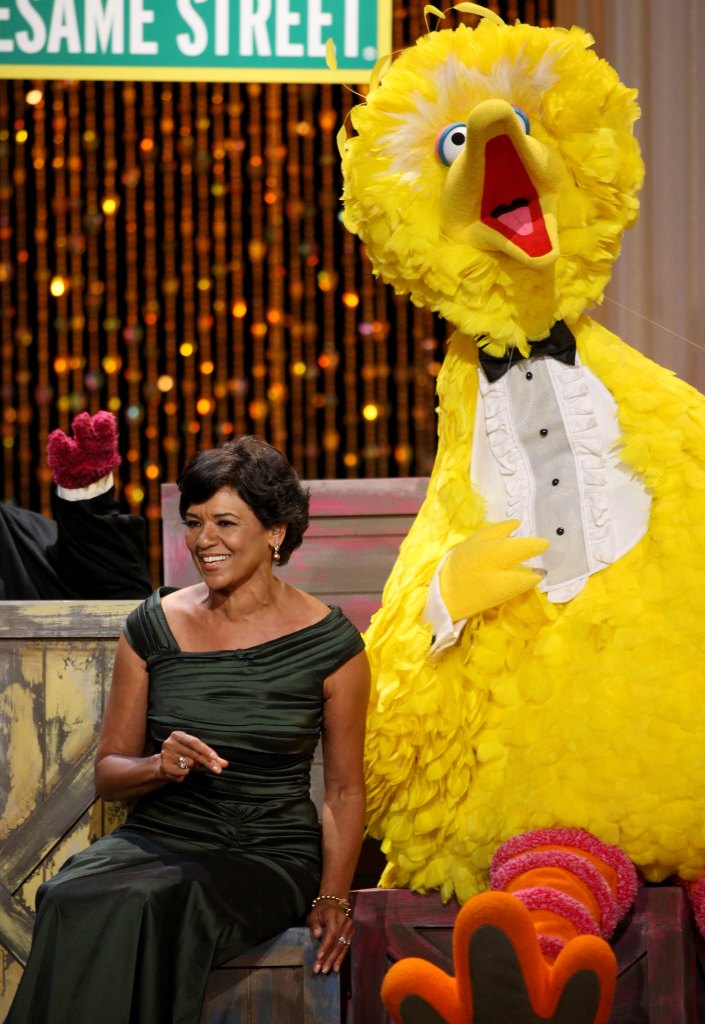
SM: I would say, “Stop being so impatient.” I still tell myself that every morning. One thing I’ve learned from watching this documentary is that I was impatient, and that could be off-putting. I had this sensibility that if I understood something, everybody should understand it. If I understood something, and people didn’t see it my way, I thought they were blind. But they weren’t blind, they just saw things differently.
WW: Which Muppet was your favorite? And who was your favorite celebrity guest on ‘Sesame Street’?
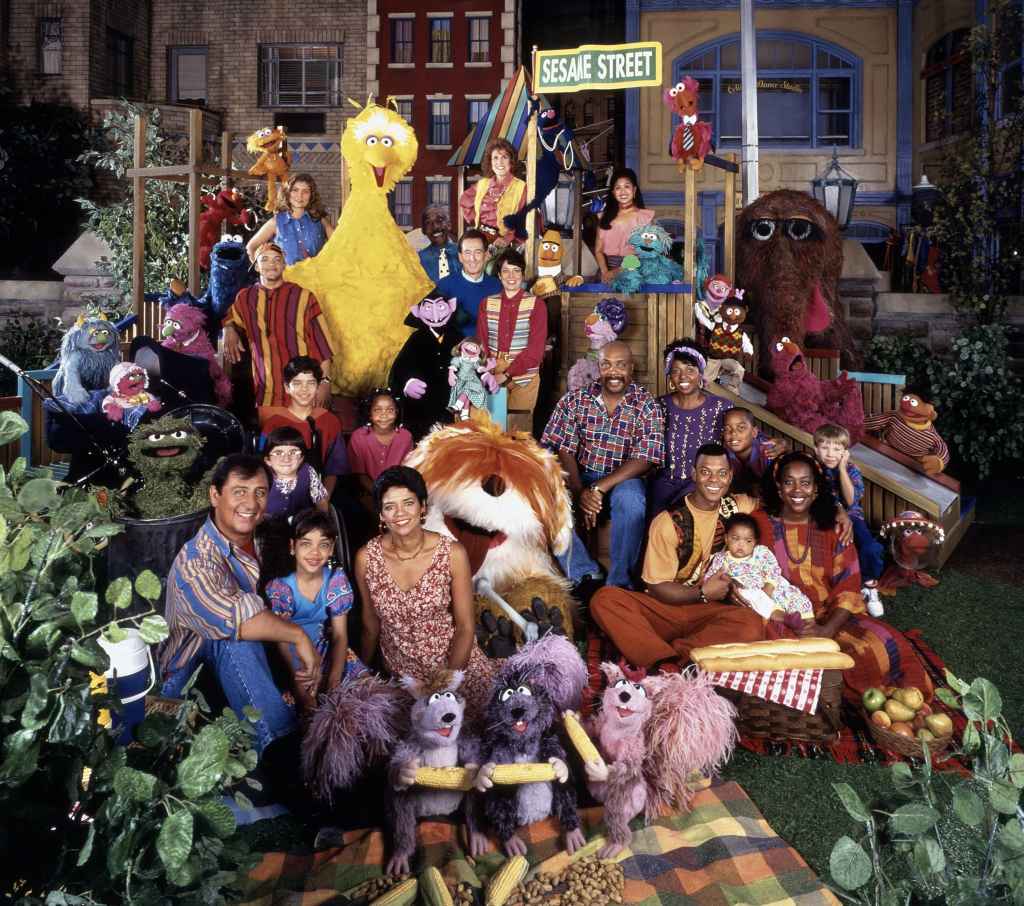
SM: Oscar the Grouch is my favorite Muppet. Caroll Spinney played both Oscar and Big Bird. He was so much like Big Bird, and it seemed like Oscar gave him a release and opened up another part of his personality. As a puppeteer, he’d be stunned by what Oscar would say to him, and that was exciting to watch.
When people who were famous when I was born and who were still impacting the artistic scene came on the show, like Ray Charles and Tony Bennett, it was a real high point, and I loved when Stevie Wonder was on the show.
WW: How do you feel that Maria inspired girls who grew up watching ‘Sesame Street’?
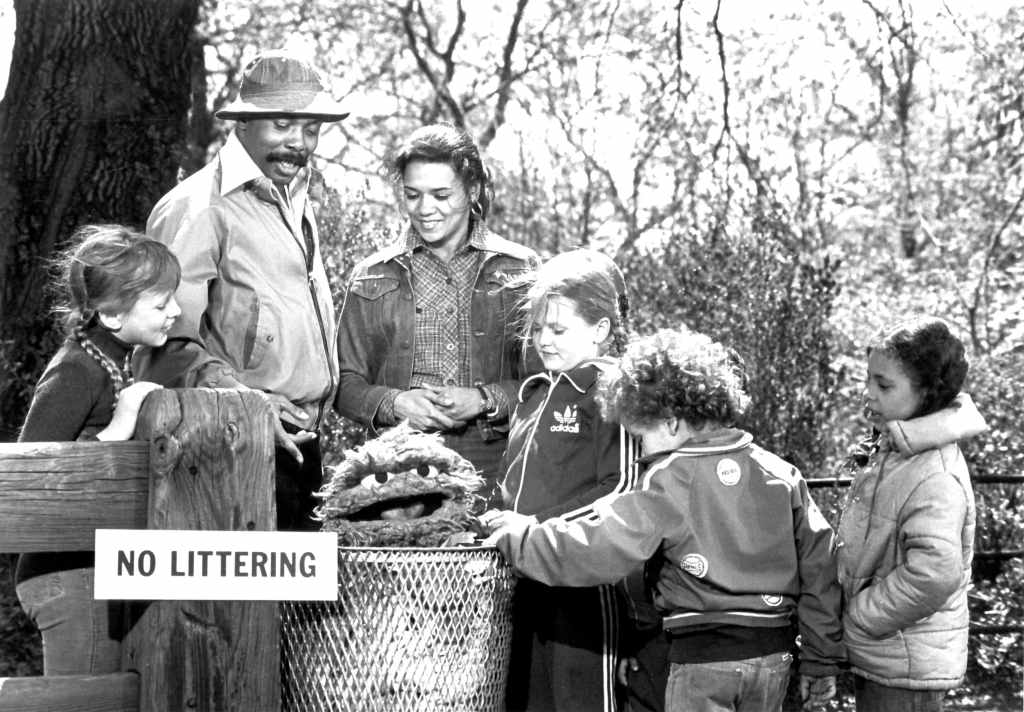
SM: The journey of Maria being a feminist was a lot of fun. I would take umbrage when Oscar the Grouch would call me “Little lady.” We spoke about how women could do anything that a man could do, and we illustrated that by having Maria get a job as a construction worker, so we were setting those little seeds in little girls’ minds that they were equal citizens.
Conversation
All comments are subject to our Community Guidelines. Woman's World does not endorse the opinions and views shared by our readers in our comment sections. Our comments section is a place where readers can engage in healthy, productive, lively, and respectful discussions. Offensive language, hate speech, personal attacks, and/or defamatory statements are not permitted. Advertising or spam is also prohibited.