‘What Matters With Liz’ Episode 2: Allyson Felix on Fear, Failure and Resilience—‘Use Your Voice, Even if It Shakes’ (Exclusive)
The Olympic champion opens up about her pregnancy complications, her battle with Nike and advocating for maternal health for Black women and everyone

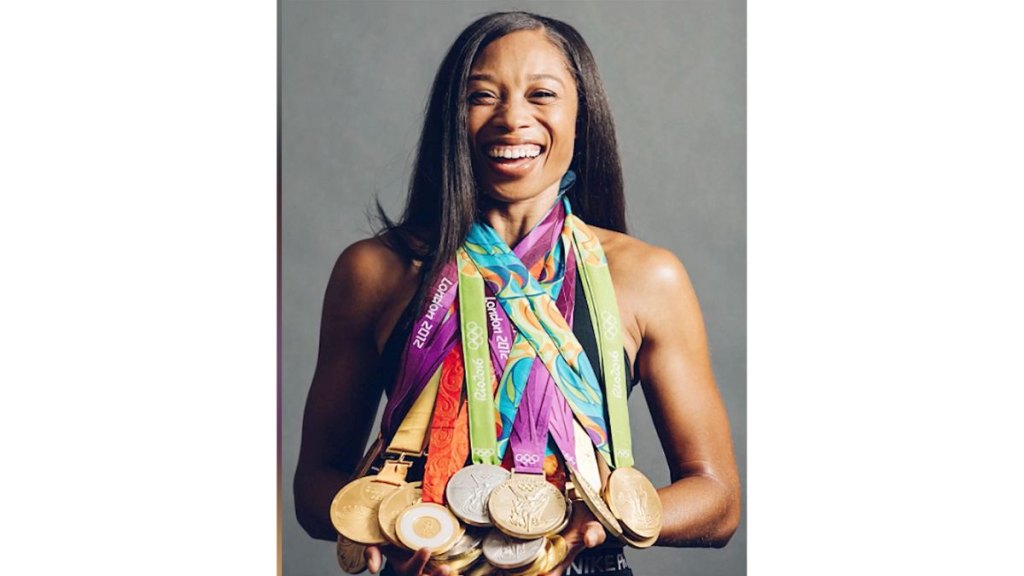
Olympic Champion Allyson Felix is the most decorated track-and-field athlete in history, winning 20 World Championship medals and 11 Olympic medals. She also broke Usain Bolt’s record for the most World Championship medals just 10 months after life-threatening pregnancy complications and an emergency C-section. Yet she says failure and fear have shaped her more than victory. Her story is one of resilience, perseverance and courage on and off the track.
In this episode of What Matters with Liz, Felix shares her journey from Olympic Sprinter to mother to maternal health advocate, learning from failure and her advice on how you can use your voice, even if it shakes. Read on for more.
Watch What Matters With Liz Episode 2 here or listen on Spotify,Amazon Music and Apple Podcasts.
Watch the trailer for Episode 2 right here! ‘What Matters with Allyson Felix: Failure, Resilience and The Power of Your Voice’
Allyson Felix opens up about her life-threatening pregnancy complications
Back in 2018, Felix experienced severe preeclampsia—a potentially fatal high blood pressure disorder that affects pregnant women. She was 32 weeks along and had to have an emergency C-section. As a result, her daughter Camryn was born eight weeks early and spent the first month of her life in the hospital’s neonatal intensive care unit (NICU).
“I had a very traumatic pregnancy, or very traumatic birth experience, and I made the decision to speak out a little bit after my daughter came home from the NICU,” Felix reveals in Episode 2 of What Matters with Liz. “When I was in the NICU, I started to learn the complications that women of color face. I had heard some statistics, but I didn’t fully grasp it. And being there in that situation, it changed everything for me. I remember walking out of the NICU as a family, but I also understood that does not always happen. And so when I learned what was happening and that Black women were dying in childbirth, it just… It broke my heart. And what really broke my heart was that I think the stats are like 80 percent of the complications and deaths that happen to women of color while giving birth are preventable.”

“That was the turning point. I didn’t have a plan. I was just like, I want to be involved, whether it’s just telling stories, raising awareness, whatever it is, sign me up. I have to be a part of some type of better outcomes,” she continues. “And so that’s where I’m really focused right now.”

Allyson Felix on what really happened between her and Nike
A year after giving birth, Felix decided to end her partnership with Nike because the company refused contractual guarantees for maternity protection. Nike was also going to cut her pay by 70 percent. At the time, Felix published an Op-Ed in The New York Times and has since continued to speak out about what really happened between her and the athletic wear company.
“The original offer that they gave me was an offer that was 70 percent less than what I was previously making. This was before I was pregnant. There was a new crop of younger athletes coming up and I think they felt like I was older,” Felix tells Liz. “That was really scary, because I already had this fear of what could happen. Once I became pregnant and I was still going through this really bad renegotiation, I hid my pregnancy and I started to train in the dark. When I did have to go out, I wore baggy clothes. I was doing this also because I didn’t have anything on paper, and knew that if I disclosed my pregnancy at that time, that even that 70 percent cut would most likely go away for no reason.”
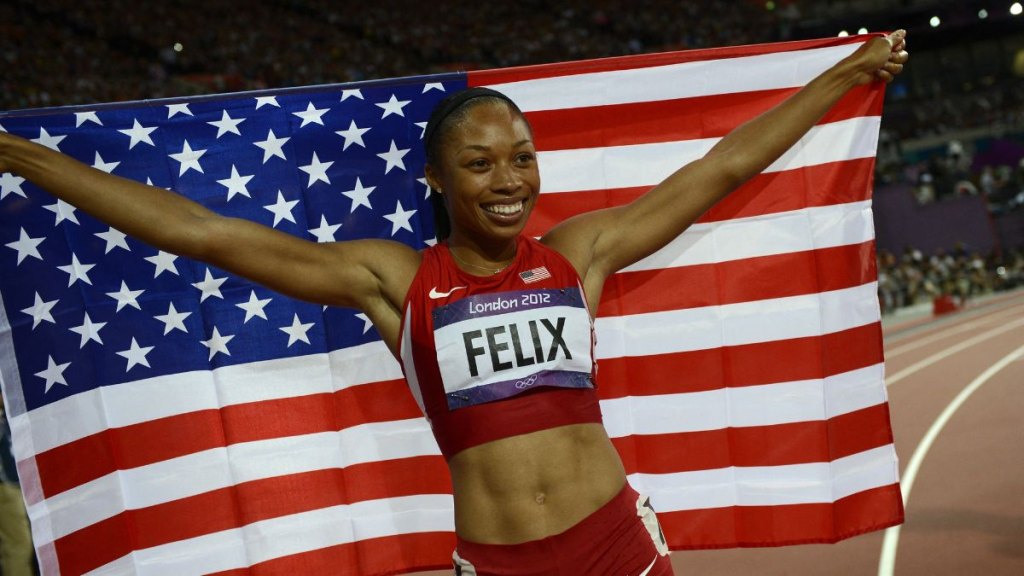
“I continued on, and over the course of these negotiations, I shifted my focus from the salary to asking for maternal protections. Basically, what that means in track and field, our contracts are performance-based. So you go to the Olympics, you go to a World Championships, you get a bonus, but if you don’t go, you get a reduction,” she continues. “And so what was happening in the sport is women would have children, and then they would be pushed out, because they wouldn’t be ready fast enough and their salaries would be reduced. So I was asking for time to be able to recover, and initially I was told that I can have the time. And I was like, okay, great. The salary is still just disrespectful, but at least this could change things. But when I received the contract back, I was shocked that there was no mention of maternity. And so I realized that they were not willing to do that. And that really was a turning point for me, and I had to decide that I was going to take it or do something. And that’s when I decided to speak out.”

Allyson Felix on finding her voice
But it wasn’t easy for Felix. “It was terrifying. Because I am a person who is an introvert by nature, a people pleaser, I hate to rock the boat. So this was going against everything I’ve ever known. And so I went back and forth, is this right, you know, is this right for me, and what are the consequences of doing something like this?” That’s when she turned to her brother, Wes Felix, with whom she is very close. His advice to her? “You can use your voice, even if it shakes.”
“I just held on to that,” says Felix. “I was like: that’s where I’m at. I’m scared. I don’t want to do this, but I think it’s necessary, and you can do it scared. And I think for me, that was the push I needed to go forward.”
Allyson Felix on learning—and growing—from failure
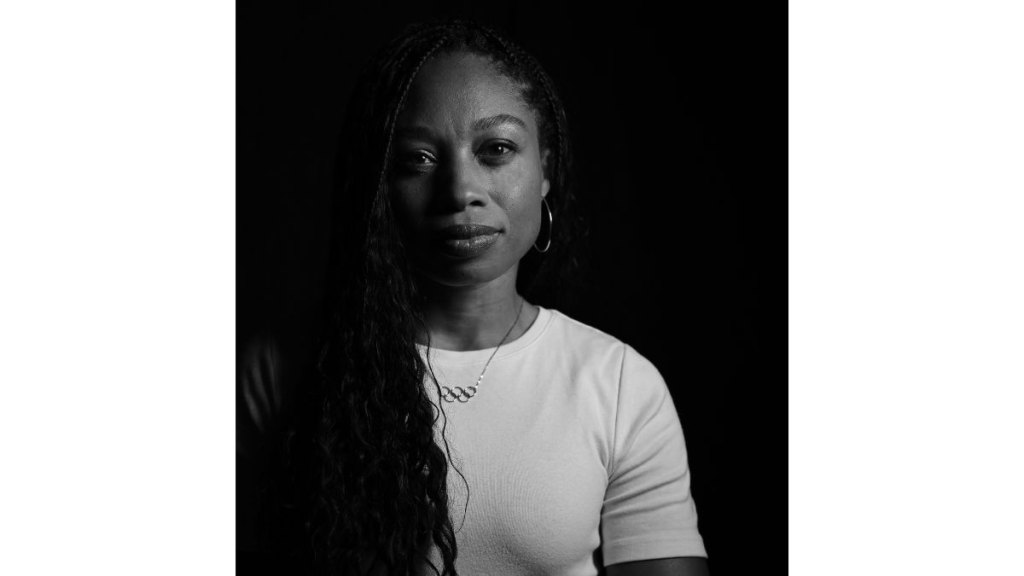
When asked what Allyson wishes she knew at 18, she says, “Be open and ready for failure. Embrace the moments that aren’t perfect. Embrace the moments where you know you miss the mark, because that is so valuable. It has the ability to teach you far more than having an early win. So I would tell myself, ‘Fail fast. Do it. And then, you know, take the learnings and keep going.’”
Allyson Felix talks about her advocacy work
Now 40 years old and a mom of two, Felix spends her time advocating for maternal rights for women.
“Until women stop dying in childbirth, we won’t stop,” Felix says. “It’s not about health. It’s not your access to medical care. Serena Williams had complications and so did Beyoncé. These are women who have had privilege. And so it was just very clear that a lot needed to be done and still needs to be done.”
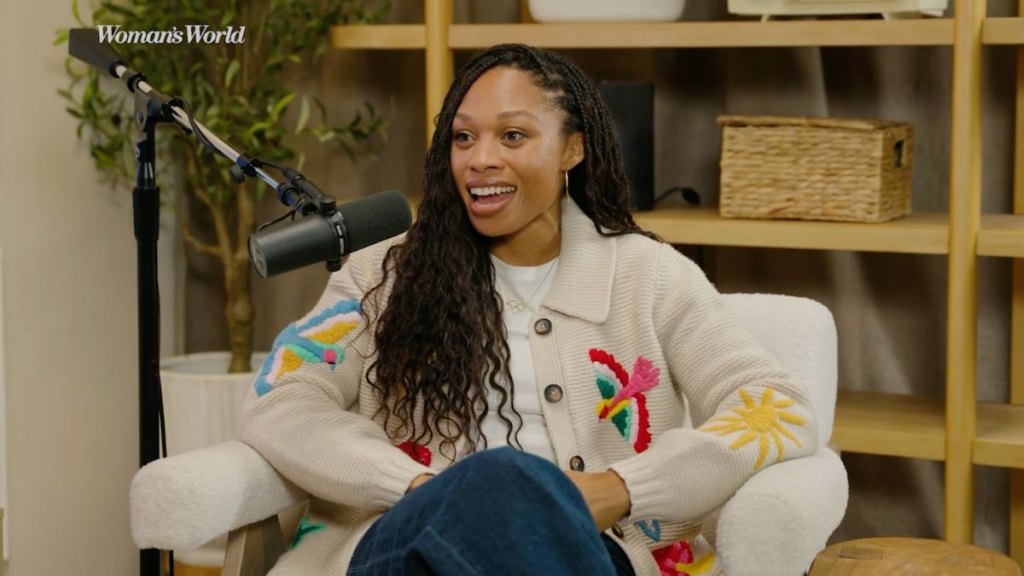

“I think my message is that we deserve better. For a long time, we’ve had to deal with a lot of challenges and now we need to be at the forefront,” she continues. “We need to have a seat at the table. It’s our time and we can’t put limits on ourselves. And once we do achieve whatever that success is in our lives, let’s not leave it there. Let’s open that door. Let’s help the next person up. Let’s mentor and let’s just keep it going. Because the days of there only being one person who makes it are over. When there’s a win for my sister, that’s a win for me as well. And there really is power in this collective.”
What Matters With Liz airs every Wednesday on YouTube, Spotify, Amazon Music and Apple Podcasts, with highlights and behind-the-scenes clips shared on Instagram and Facebook.
Be sure to subscribe to the What Matters With Liz free newsletter from Woman’s World Editor-in-Chief Liz Vaccariello. Every week, you’ll get real talk about health, money and entertainment, plus uplifting stories, practical tips and exclusive updates on Vaccariello’s new video podcast.
Conversation
All comments are subject to our Community Guidelines. Woman's World does not endorse the opinions and views shared by our readers in our comment sections. Our comments section is a place where readers can engage in healthy, productive, lively, and respectful discussions. Offensive language, hate speech, personal attacks, and/or defamatory statements are not permitted. Advertising or spam is also prohibited.