Cheryl Ladd, 74, Reflects on Joining ‘Charlie’s Angels’: ‘The Press Was Intimidated by the Power of Female Friendship’
The star opens up about replacing Farrah Fawcett, 'jiggle TV' critics and her South Dakota roots

Fifty years ago, Charlie’s Angels exploded onto television screens and into the cultural bloodstream. Premiering in 1976, the series became an instant phenomenon—glamorous, glossy, action-packed and, depending on who you asked, either groundbreaking or frivolous. Critics at the time were quick to dismiss it as “jiggle TV,” a label that stuck in headlines far longer than it deserved.
Now, as the series marks its 50th anniversary, Cheryl Ladd will reunite with Kate Jackson and Jaclyn Smith at PaleyFest in Los Angeles on April 6—a milestone moment that underscores just how enduring the Angels’ legacy remains.
To mark the occasion, we gathered the people who lived it: Ladd herself, alongside fans, authors and TV historians who watched it all unfold, to tell the story of Charlie’s Angels in their own words.
Fifty years. Three Angels. One legacy that’s still making waves. Here’s what you need to know:
• Charlie’s Angels celebrates its 50th anniversary in 2026
• Cheryl Ladd will reunite with Kate Jackson and Jaclyn Smith at PaleyFest on April 6
• Ladd reflects on replacing Farrah Fawcett and defining Kris Munroe
• She says critics missed the show’s real impact: empowering women
• Five decades later, fans still credit the Angels with inspiring their careers

In an exclusive interview conducted in 2019, Cheryl Ladd, who joined Charlie’s Angels in its second season, remembered the “jiggle TV” reaction clearly—and has long felt it said more about the critics than about the show itself.
CHERYL LADD: “Isn’t it interesting how intimidated men in the press and in general were by the show? They had to put it down in some way. I mean, okay, we were young women who wore bathing suits and that was part of the draw, but they missed the whole other part. The part of empowered and highly intelligent women. Women who had to act on their feet and make quick decisions and look after each other. I always say we were like three grown up girl scouts, but that was a good, powerful image for young women. Of course, I didn’t realize how powerful it was for women to kind of break out and be the person they wanted to be, and that it was inspirational to so many young women.”
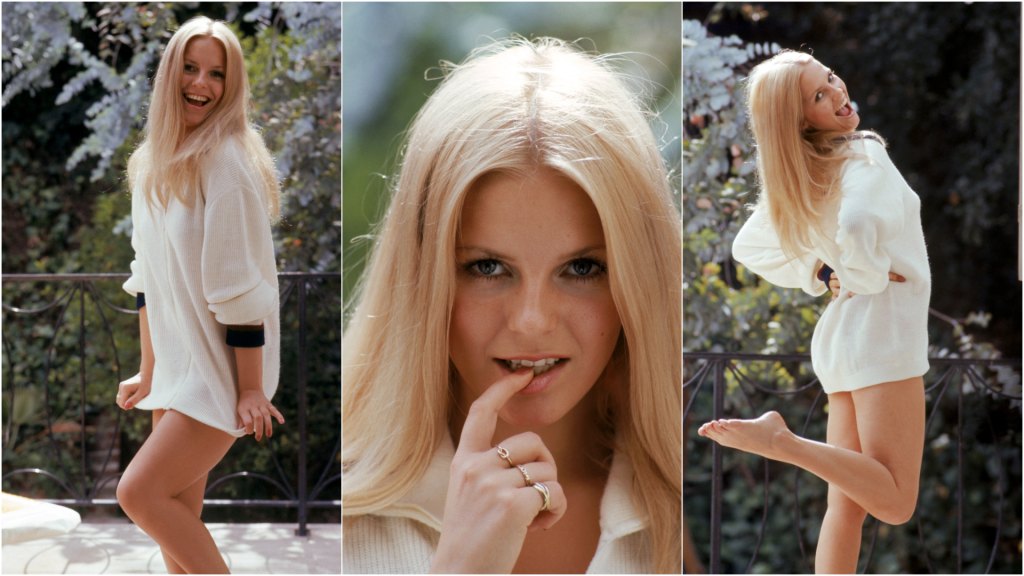
That empowerment was rooted in who Cheryl was long before Hollywood ever called. Born Cheryl Jean Stoppelmoor on July 12, 1951, in Huron, South Dakota, she was the second daughter of Dolores and Marion Stoppelmoor. Her father worked as a railroad engineer; her mother as a waitress. It was a modest upbringing in a small town — supportive, steady, and grounded. After high school, she sang with a band called The Music Shop, performing across the Midwest before realizing that if she wanted a larger canvas, she would have to leave it behind.
CHERYL LADD: “I need to give my parents credit, because the only thing they asked of us was that we behave ourselves and don’t get in trouble, take our school work seriously and just be ourselves. Just be who you are.’ They never told me what I could or could not be. To get that advice from your parents was a wonderful gift. And for me, I was a really creative person in a tiny town in South Dakota. I was going to have very limited opportunities there. When my sister, who’s a couple of years older than I am, graduated high school, our mother asked what she wanted and she said a hope chest. She was going to marry her high school sweetheart and they’re still married. That’s who she was. She wanted a hope chest and said, ‘I’m going to have a family and I want to have a beautiful home and nice things,’ and my mother said, ‘Great.’ When I was graduating from high school and my mother asked me what I wanted for graduation, I said, ‘Luggage. I’m leaving. I can’t be me here. There’s no work for me here in South Dakota.’ I had to go either to New York or California, and I was singing with a band, so we ended up in California and the rest is history.”
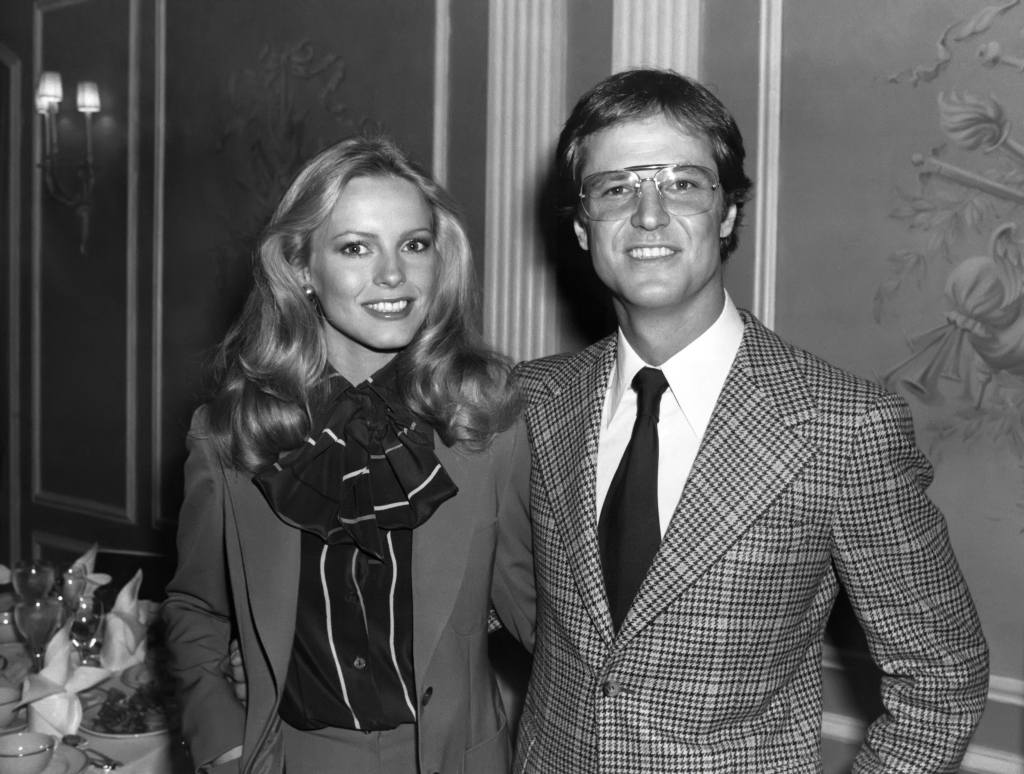
Part of that history is the fact that her first stab at stardom—which actually did tie in to her desire to follow a path into the world of music—was as a part of the 1969 Saturday morning animated series Josie and the Pussycats.
CHERYL LADD: “[laughs] Yes, I was the singing voice of Melody. I was 19 when I arrived in Los Angeles and it was my first job, which I got on one of my first auditions. So it was a wonderful time for me. Within six months of arriving in L.A., I had a used Mustang car, an apartment with some girlfriends, $3,000 in the bank and I’m driving down Sunset Boulevard, wondering, ‘Wow. Does it get any better than this?’”
Well, in a word: yes. It definitely got better. Music didn’t remain the focus for long, despite the fact that Cheryl recorded the Josie and the Pussycats album (1970), a self-titled disc (1978), Dance Forever (1979), Take a Chance (1981) and You Make It Beautiful (1982), along with a number of singles. In 1971, she starred in the film Chrome and Hot Leather, followed three years later by The Treasure of Jamaica Reef. Prior to 1977, she began scoring numerous television guest starring roles on such shows as The Rookies, Harry O, Ironside, The Partridge Family, Happy Days, Police Woman and The Fantastic Journey. In 1973, she married David Ladd, with whom she had their daughter, Jordan Ladd, in 1975. The marriage ended in divorce in 1980.
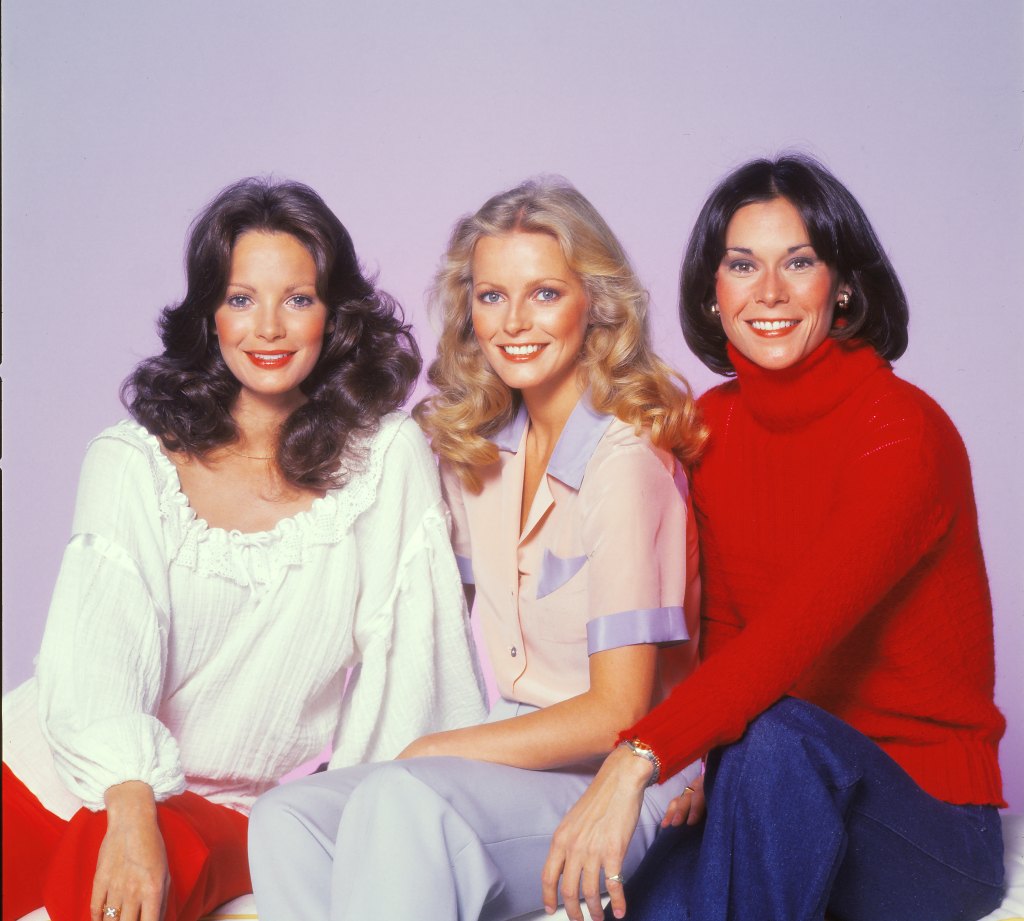
By 1977, however, none of those career moments compared to the opportunity that was about to present itself. Charlie’s Angels had become a pop-culture juggernaut in its first season, turning Farrah Fawcett, Jaclyn Smith and Kate Jackson into international stars. When Farrah chose to leave after the inaugural year, producer Aaron Spelling faced a nearly impossible task: replacing the most talked-about woman on television. His first call was to Cheryl Ladd—and she said no.
CHERYL LADD: “I had worked for Aaron Spelling on a couple of things, so when Farrah was leaving, he called me and said, ‘Cheryl, I want you to replace Farrah. I want you to come in and be on the show. And I said, ‘Oh, thank you, but no thank you. I appreciate it, but no.’ I’m sure he was quite upset with me, because he had given me work before and just didn’t understand. So he went off and looked at hundreds of girls and finally called me back and said, ‘I can’t find the girl I want. I want you, Cheryl. Just come in and talk to me?’ So I did. I sat across the desk from him in his office and I said, ‘Aaron, what would I play? Nobody can go in there and try to be Farrah Fawcett or try to be the new Farrah Fawcett. What would I play?’”
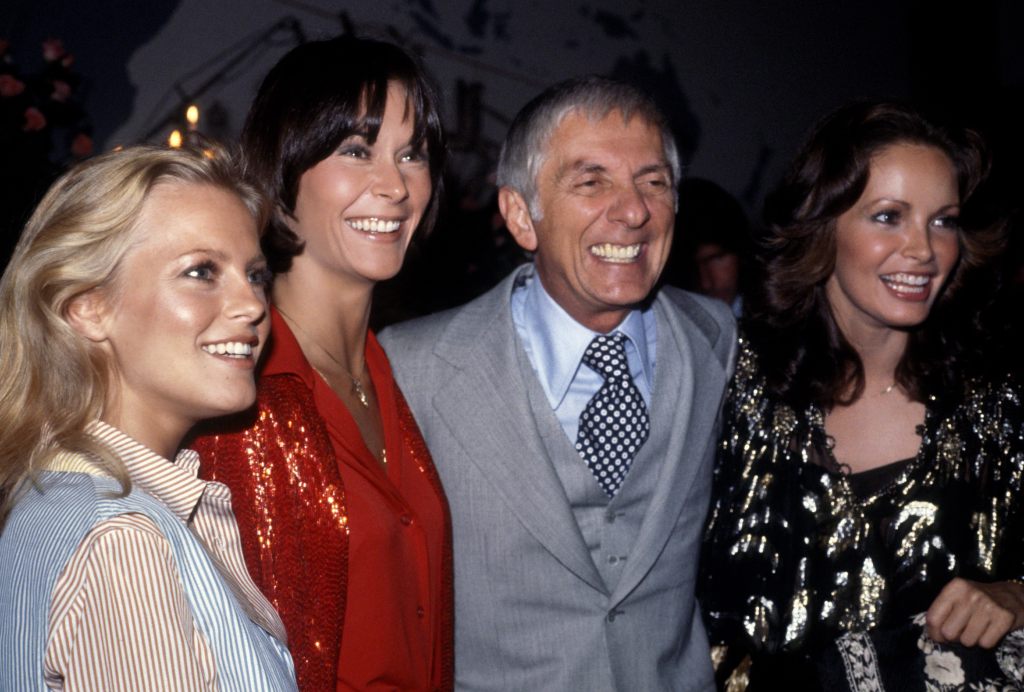
“He said, ‘What do you mean?’ and I said, ‘I don’t know. Could I be funny?’ And he said, ‘Why couldn’t you be funny?’ That was interesting. Then I said, ‘If I was a rookie, I could make mistakes.’ And he said, ‘I love that.’ And this is Aaron’s absolute genius; he said, ‘What if you’re Jill’s little sister, so you’re already part of the family?’ And then I said, ‘You have an actress.’ Now I knew who Kris Munroe was going to be and how to play something that wasn’t trying to be Farrah, other than the fact that Kris looked up to her big sister and thought she was wonderful and I got to love her with everyone else.”
Sounds relatively simple, but one has to remember just how big a phenomenon Charlie’s Angels—about a trio of beautiful women carrying out assignments for a mysterious benefactor that they never met, only heard on a speakerphone—was at the time. With its launch in 1976, it projected Farrah, Jaclyn Smith and Kate Jackson into the stratosphere, turning them into superstars and keeping the media spotlight shining brightly on them. That was the world that Cheryl was stepping into.
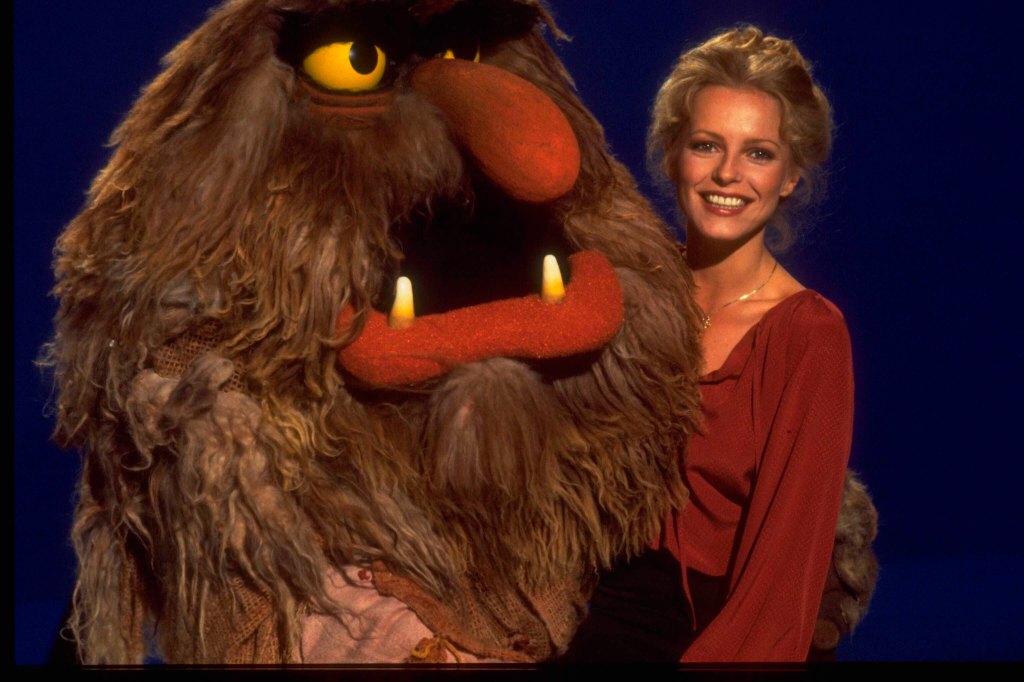
MIKE PINGEL (author of Angelic Heaven: A Fan’s Guide to Charlie’s Angels and Channel Surfing: Charlie’s Angels, and webmaster at Charliesangels.com): “Charlie’s Angels was the No. 1 show almost everywhere, and here you have its breakout star, the phenomenon, Farrah Fawcett leaving the series, and who were you going to get to replace her?. Aaron asked Cheryl Ladd to audition for it and she refused; she didn’t want to fill the shoes of Farrah. She’d been up for a number of roles, including the lead role in Family as the sister that Meredith Baxter ended up getting. Aaron and Leonard eventually talked her into coming in and when they sat down, she asked, ‘Could I be funny?’ and Aaron said, ‘Yes, you can be funny.’ She just didn’t want to play the seasoned detective and, at that moment, Kris Munroe, Jill’s sister, was created and it made sense to the audience.”
JACK CONDON (co-author of The Charlie’s Angels Casebook with David Hofstede): “They came up with the idea of having her come in as the rookie angel who might make a few mistakes. Aaron Spelling thought if she starts off that way, she would be considered the underdog and maybe the audience would like her. And, of course, Cheryl had great hair at the time and a big smile so she could play the part of Farrah’s sister Kris, which is how she was introduced on the show.”
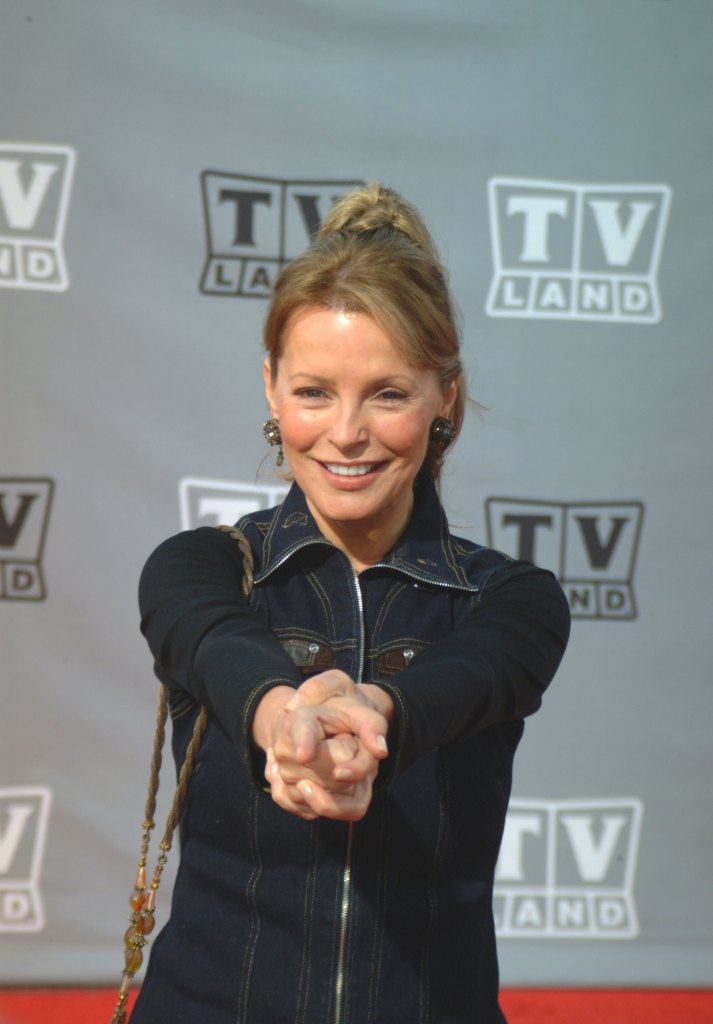
ED ROBERTSON (host of the TV Confidential podcast): “Cheryl Ladd was like the person who takes over as coach of a Super Bowl-winning team the year after they won the Super Bowl. In that sort of situation, you’re always going to be thought of as the person who preceded you versus where you are. And Cheryl Ladd was another actress who had earned her stripes before. She had a similar background to Jaclyn Smith in that regard, because she did a lot of episodic stuff, some movies of the week. And when she joined the series, she worked as hard, if not harder, than anybody else. She didn’t try to replace Farrah; she just tried to be herself. And allowing her to be more humorous worked, because that way you’re not just playing the blonde, but a different character. And she was allowed to make mistakes, which gave her a chance to show humor.”
CHERYL LADD: “It was really interesting. Nobody cares much about you one day, and the next day they want to know what you eat, what you wash your hair with—just everything about you becomes so interesting overnight. But I was still the same girl I was the day before, when nobody cared. It was just an interesting transition and it became a little overwhelming, but I knew that the show couldn’t last forever, so I just embraced it with two hands and did the best job I knew how to do.”
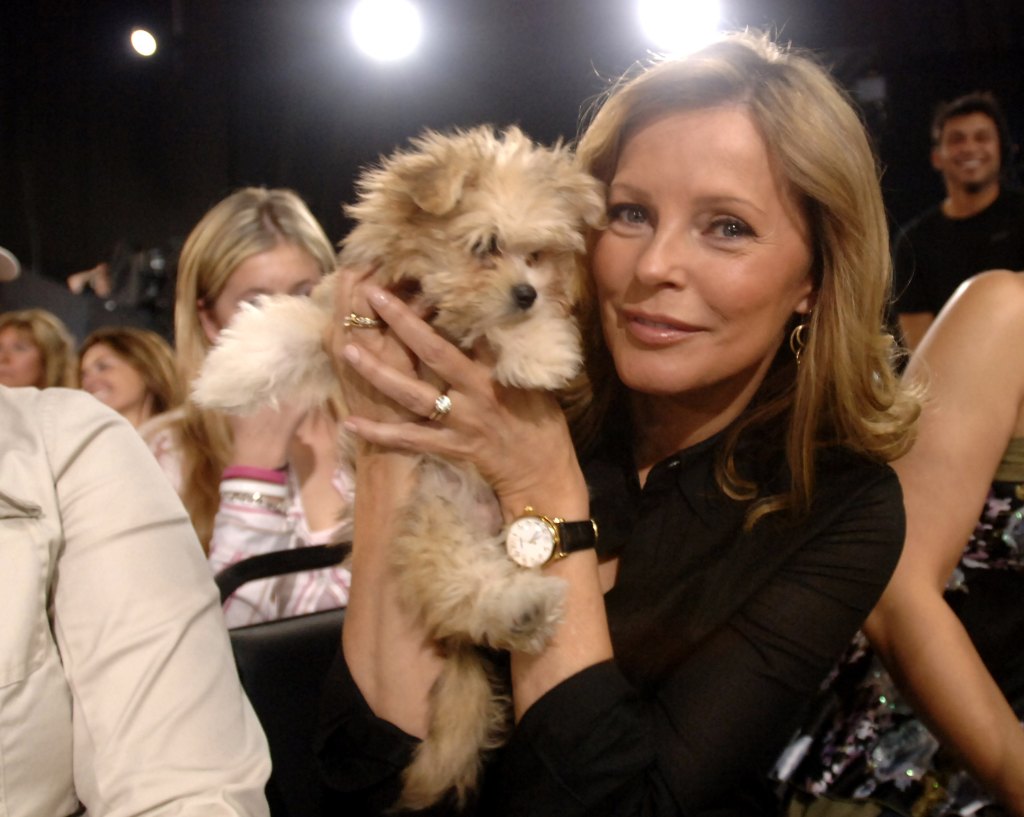
ED ROBERTSON: “It couldn’t have been easy for her joining a successful show midstream. And in this case, Kate, Jaclyn and Farrah became very close in much the same way the actors who played The Monkees became super close. And I think, to a degree, you can make the same parallel with the actors who started on Friends. When you shoot to the top almost overnight, it’s crazy. You find yourself doing media, your face plastered all over the place. The only people who can really understand what you’re going through are the other people who are going through it at the same time. That’s what made the original trio so close. All of a sudden, you’ve got Cheryl Ladd coming in and she has to find a way in to that and build a rapport almost immediately while replacing this very public, popular star.”

If there were doubts in 1977, they faded quickly. Cheryl Ladd remained with Charlie’s Angels for the rest of its run, becoming as synonymous with the franchise as the iconic silhouette pose. Five decades later, the cultural reassessment has largely vindicated what Cheryl sensed all along: beneath the glamour was genuine impact.
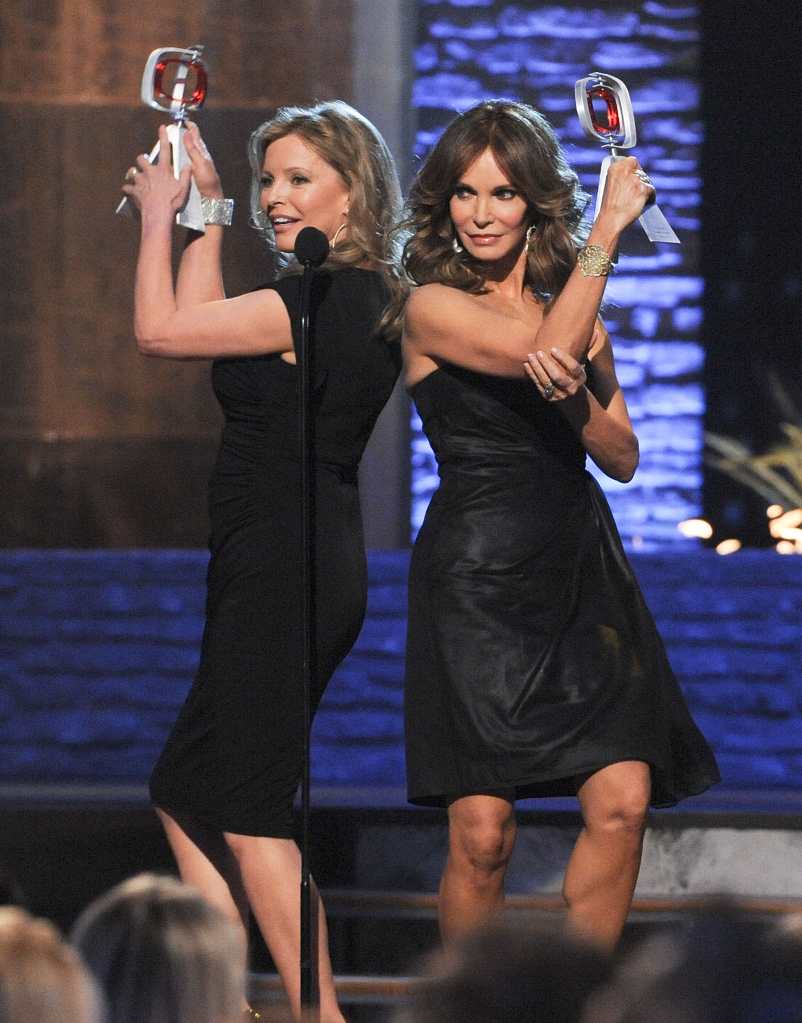
CHERYL LADD: “Now, all these years later, I see people all the time that want their picture taken with Kris Munroe and they want to do the Charlie’s Angels pose with me. I’m talking about men, women and children, which is adorable. What’s amazing is when people come up to me and say things like, ‘I wouldn’t have been a police officer without Charlie’s Angels. You girls inspired all of us and women firefighters, doctors and all kinds of people.’ They were just inspired by those three Angels. I just feel so proud that it had an impact on women that was just virulent. That’s joyful, the idea ‘I can be who I want to me.'”
“That show was wonderful. It was a rocket ship for me and I’m grateful for it, but I must say that I’ve grown and have learned my craft over the course of these many years. And I’m enjoying my work even more, because the depth of the characters is challenging. I’ve been given the challenge to do more and am doing so much more… I guess asking my parents for that luggage worked out pretty well. Love that luggage.”
Conversation
All comments are subject to our Community Guidelines. Woman's World does not endorse the opinions and views shared by our readers in our comment sections. Our comments section is a place where readers can engage in healthy, productive, lively, and respectful discussions. Offensive language, hate speech, personal attacks, and/or defamatory statements are not permitted. Advertising or spam is also prohibited.