Keith Thibodeaux, 74, Looks Back: From Little Ricky to Faith, Fame and Finding Himself After ‘Lucy’ (EXCLUSIVE)
From child star pressures on 'I Love Lucy' to 'The Andy Griffith Show,' his journey is classic TV history

Every year in Mount Airy, North Carolina, the Surry Arts Council holds the week-long Mayberry Days, an annual celebration of The Andy Griffith Show and the star himself, who hailed from there. Beyond fans attending from all over the world, there are a number of guests at each event, one of them this year being actor/musician Keith Thibodeaux, also known as Richard Keith, who fans of classic TV know better as Little Ricky on I Love Lucy and Johnny Paul Jason on 13 episodes of Andy Griffith between 1962 and 1966.
In an exclusive conversation with Woman’s World conducted at Mayberry Days, Keith took a look back at his days on both series, his interactions with Lucille Ball and Desi Arnaz as well as their real-life children, and what it was like to be pals with Ron Howard on the streets of Mayberry.
More importantly, he shares honestly on the downward trend he experienced in life, which could have led to the sort of tragic results that found Rusty Hamer from The Danny Thomas Show or Anissa Jones of Family Affair. Instead, he reached out to God and found an answer that turned his life around—all of which he discusses below.
Keith Thibodeaux on being one of the few actors to appear on two iconic series

Keith Thibodeaux: “My days of working on those shows feels meaningful when I do things like Mayberry Days and talk about it. It brings back memories, though I don’t think about it all the time—I’d go crazy if I did. But we do thank God for the honor and the privilege to be on two shows that were iconic in nature—I Love Lucy and Andy Griffith.”
“Back then, it wasn’t that great of a thing. It was a job and just part of my childhood. At the time, you don’t think people will continue to watch and to enjoy and appreciate it. Then, when you get to be older, you realize what an impact your part on those shows [was]. I used to not like it because I wanted to get away from all that. I wanted to not be known as Little Ricky… back in the late sixties, we were more sex, drugs, rock and roll, playing with rock bands—all these other things—and that whole mindset almost took me down.”
On being discovered at age 4
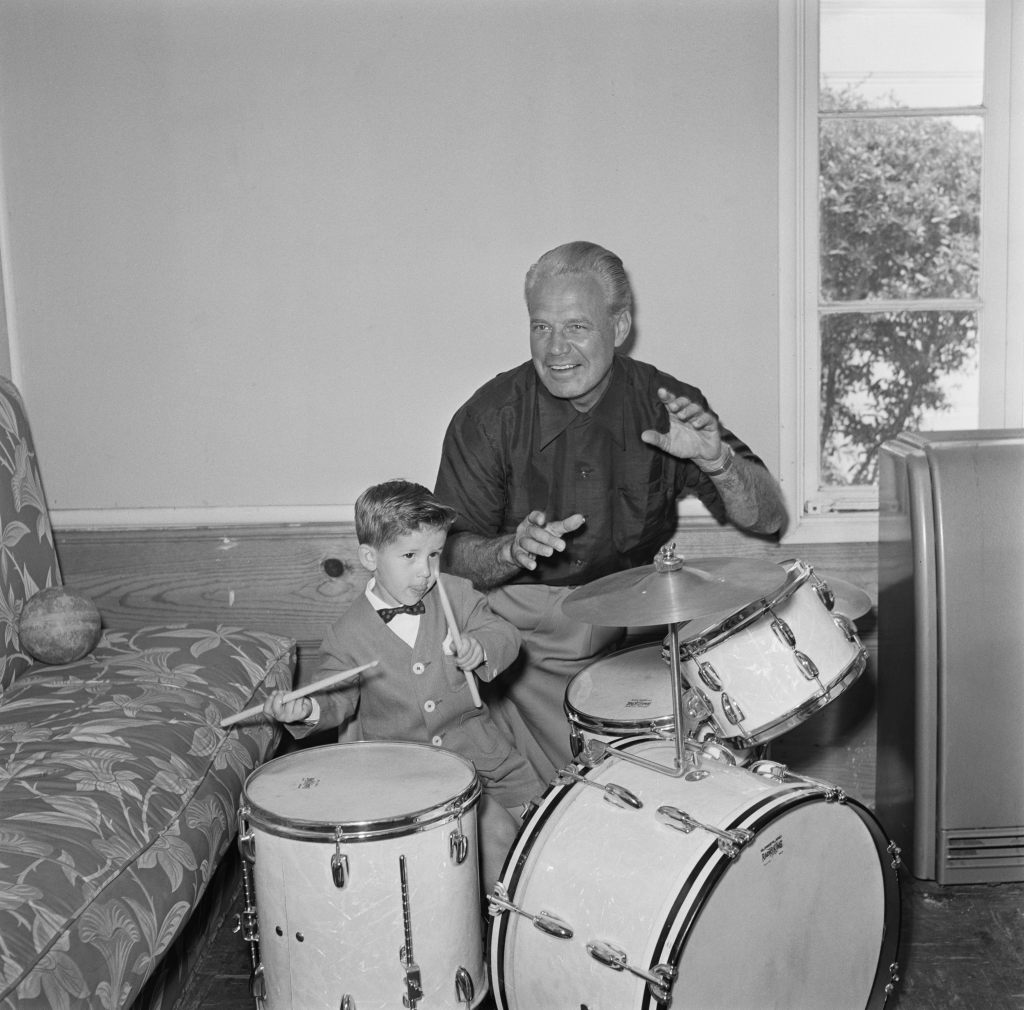
Keith Thibodeaux: “I started out my show business career as a professional drummer with the Horace Heidt Orchestra at age four. We did one-night stands across the nation and Canada, ended up in California in Sherman Oaks and that’s when the audition for the I Love Lucy show came up.”
“I went to the studio where they had a set of drums on the stage, and Lucy looked at me and my dad and said, ‘Well, he’s cute, but what does he do?’ And my dad said, ‘He plays the drums.’ She said, ‘Well, there’s some drums—go over there.’ And I started banging on the drums and all the guys started coming around from the set, and Desi himself came over and [producer] Sheldon Leonard. After playing with me on the drums for a while—jamming with me—Desi stood up and said, ‘I think we found Little Ricky.’ They signed me to a seven-year contract with the studio. And then I was on the show for four years.”
On his bond with Lucy & Desi

Keith Thibodeaux: “After I joined the show, I was immediately introduced to their son and daughter, Lucie and Desi Jr. Well, that was a confusing thing for them. Desi Jr. said, ‘Well, I thought I was your son,’ and people would think of me as their son, and they’d think of him as Little Ricky and it was very confusing. But we grew up together literally, and we were brothers and sister. I stayed with them at their different homes and hung out with them. In summers, we were really close.”
“I knew Lucy and Desi professionally on the set as an employee or an actor. My dad said, ‘Call her Mrs. Ball, Mr. Arnaz and be very polite. Watch your manners.’ And I said, ‘Mrs. Ball,’ and she said, ‘Nope, Keith, you call me Lucy and you call him Desi and Viv and Bill on set.’ She wanted that cast to be working synergistically.’ Years later when she did her last series [Life with Lucy], she wouldn’t let people call her Lucy. It was Ms. Ball, so her whole idea about things changed evidently by then.”
He suffered from anxiety occasionally
Keith Thibodeaux: “Some nights, I actually got to a point during the filming of one of the I Love Lucy seasons where I started to stutter. That was part of the anxiety of having to do the thing and do it right. My dad would be saying, ‘You’ve got to do good,’ and maybe you didn’t do good enough and you needed to—putting that pressure on me. I started stuttering and Lucy had a meeting with us and said, ‘I think we need to give Keith a couple of weeks off or something so he can rest and get some therapy for his stuttering.’ So, I did that. They even brought in a hypnotist one time and hypnotized me in the dressing room. As a Christian, I don’t believe in a lot of that kind of therapy, but back then it was just part of the whole ‘do this, do that.’”
Discipline in the Arnaz household
Keith Thibodeaux: “Willie Mae was the maid for Lucy and Desi Jr., and she’s the one that gave us the switch when we did things wrong. She’d take a branch off a tree and she’d switch — give us a good [whack] on our legs. There was discipline, and we were doing wrong. I remember one day I was over at their house and Lucy’s mom, DeDe, had this cake she’d baked—devil’s food with marshmallow topping. We had a piece of it, and I was a sugar addict. His mom had always wanted him to cut down his weight, she was afraid he would get heavier, but I said, ‘Let’s get that cake and we’ll go eat it. We’ll go eat the whole thing.’”
“We took it up on the roof and we secretly ate that cake. Lucy banned me from coming to the house and being with Desi for six months. It was a huge, huge thing. When the six months were over, she allowed Desi to hang out with me again. The first place I went back to was their ranch in Corona, that was the first time I had seen Desi and Lucie in six months, and there was a feeling of relief.”
On meeting Superman

Keith Thibodeaux: “When George Reeves appeared as Superman on I Love Lucy, that was surreal. I’d say that’s one of my favorite episodes because of him. George Reeves was amazing. I shook hands with him, and my actor mind said he’s playing the part of Superman, but my kid mind said, ‘Boy, he’s really super.’ Somebody in that costume just does it. He was just such a nice guy. And you could tell he genuinely loved kids. He didn’t mind dressing up and doing what he did, taking it on as part of his persona. And he didn’t even get credit as George Reeves on the show—and I didn’t get credit as Keith Thibodeaux or [stage name] Richard Keith. I was Little Ricky. They wanted to keep the mystique that I was really their son and that he was really Superman.”
“I used to sit there—like every other kid—and watch Adventures of Superman every afternoon. That music would come on and he’d be right there. When he died, I was such a fan that my dad hid the fact that they said it was suicide. I said, ‘How did Superman die?’ and he said, ‘Well, he fell in the shower on a bar of soap.’ Which was a lie, of course.”
“I jumped off the roof with a cape and then injured my legs, but that was who that guy was. Every little kid wanted to be Superman. He was our hero in those days. And to me, he was the only Superman. Like James Bond—it’s only Sean Connery.”
On the end of ‘I Love Lucy’
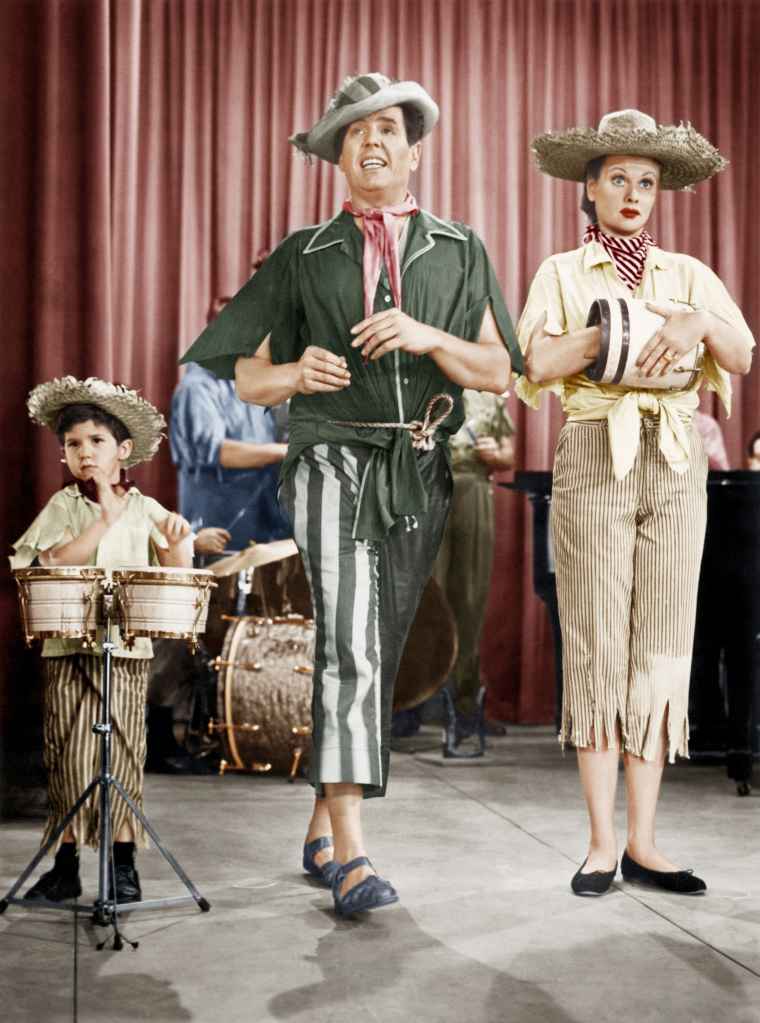
Keith Thibodeaux: “When the show ended, it was the episode of The Lucille Ball-Desi Arnaz Show with Ernie Kovacs. But they didn’t tell me that it was the last show. Lucy and Desi had already made the decision to end the series and they were getting a divorce. From what I understand, they filed for divorce the day after that last episode.”
“I would hear them arguing in their home in Beverly Hills and other places… and as a kid, I didn’t want to. I really had anxiety about going over there, because I didn’t know what was going to happen. I mean, we heard glass crashing, cursing… and Desi Jr. and I would hide in a bush outside the guest house and just hear all this crazy stuff going on. For a kid, that’s rough. Desi would look at me and say, ‘There they go again.’ And it was just heartbreaking for me, as he was my friend.”
“When he called and said that his dad and mom were getting divorced… and then even when his mom and dad remarried other people, he would call me and say, ‘Yeah, Mom’s going to get remarried to this Gary Morton— some comedian guy. My dad’s getting married.’ It’s just sad to see that they didn’t really have a normal childhood at all.”
How his relationship with Lucy & Desi continued after ‘I Love Lucy’
Keith Thibodeaux: “I was still connected with Lucy and Desi. Desi Jr. and I still did the warm-up for Here’s Lucy. We would play with the orchestra, and they’d introduce us and we’d each play the drums. Then we finally—Desi Jr. and I—had a band that ended up playing on The Dinah Shore Show. We had a little combo and it was fun; we were actually quite good. But that was when The Beatles were coming out and then he started the trio Dino, Desi and Billy. I appeared with Davy Jones on The Farmer’s Daughter, where we played a song called ‘I Want to Buy Me a Dog,’ which The Monkees later did. And he said on the show—he wasn’t with The Monkees—he said, ‘Yeah, I’m going to be starting this new series called The Monkees.’ I said, ‘Well, what’s that?’ and he said, ‘It’s kind of a takeoff on A Hard Day’s Night.’ I did other shows like Shirley Temple Playhouse, Route 66 and The Joey Bishop Show… and then of course I did 13 episodes of The Andy Griffith Show.”
Life after ‘Lucy’: Changing times

Keith Thibodeaux: “The relationship between me and them did not peter out. Up until the time that I left California, we were as close as anybody could be. I was 15 years old by this time… doing Andy and other guest things, and we were still close. We hung out together. We had friends. We went to different places. Then mom and dad separated and basically that geographically separated us and we went from California to Louisiana. It’s not like you could jump on a Zoom call back in those days—it was just the phone. I did go the next summer, I went back, saw him and stayed a couple weeks, but those were changing times. That was the beginning of the flower child, hippie, Summer of Love thing and things were beginning to change. I went my way and Desi went his way after that.”
When Ron Howard asked writers to add Keith to the scripts
Keith Thibodeaux: “When I started appearing on The Andy Griffith Show, Ron Howard used to ask the writers to write me in a part so he could play with me. He was probably the nicest child actor I’d ever worked with. Others—like Dennis Rush, who played Howie—were good friends on the set, but Ron’s on-set teacher was Catherine Barton, who happened to teach me on the I Love Lucy show. Once that ended, she changed over to Andy Griffith and taught Ron. It was the same lot, a couple of stage doors down. She had told Ron about me and had stories about me, and so he kind of knew who I was before I got to the set.”
“So, he and I really enjoyed each other’s company and used to hang out in the commissary. And Dick Van Dyke and Mary Tyler Moore would be sitting next to us, eating hamburgers, drinking shakes, and we would just be there with them. It was a unique time in Hollywood. It was more of the Golden Age of TV.”
The key differences between ‘I Love Lucy’ and ‘The Andy Griffith Show’
Keith Thibodeaux: “One show was very, very tight-knit and a lot more pressure. The other one was looser—professional, though. I Love Lucy was the pressure. You had to be in front of a live audience and had to know your lines. It was like a stage show. And Andy was filmed with one camera, and it was so much more laid-back. Lucy was more uptight and tense, and Andy was laid-back. They would play checkers in the makeup department and he’d be strumming his guitar and doing some gospel songs between setups and stuff.”
“And then in the Lucy show, everybody’s running around like chickens with their heads cut off. You really needed to hit your spot. You had to be on target and you had to project to the audience—without being over the top, without being theatrical. But it was just completely two different shows of high-caliber professionalism and humor.”
A growing darkness
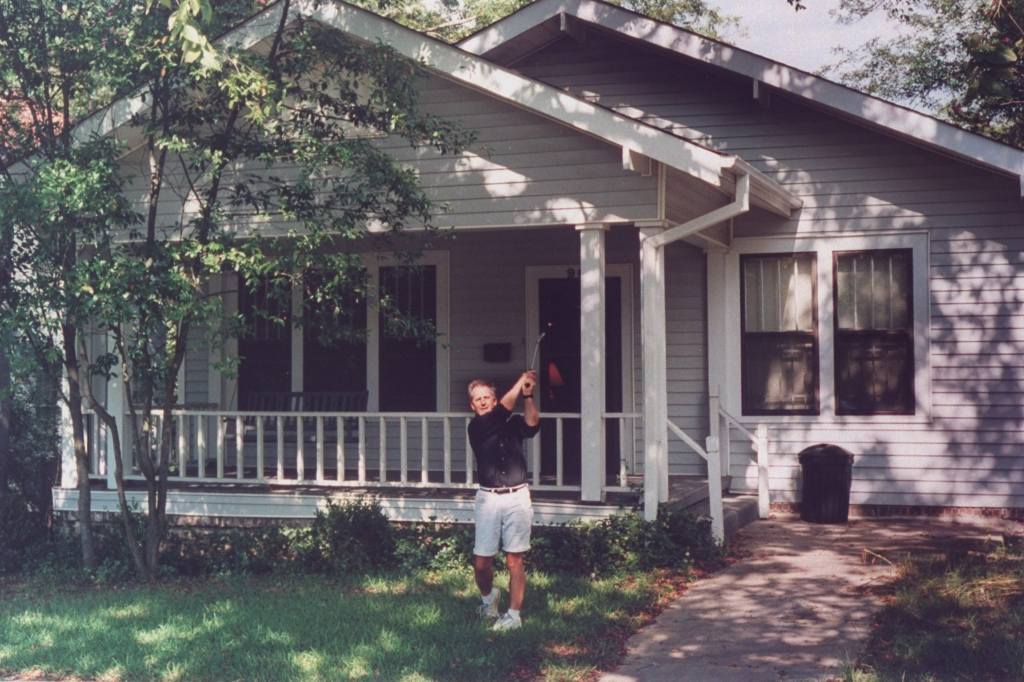
Keith Thibodeaux: “Because of drugs, I would’ve been a child star tragedy had it not been for God and Jesus that came into my life and changed my trajectory in a great, incredible way. But I had been going down a deep, dark path and just began spiraling down. I got into clinical depression—which is described now as that; I didn’t know what it was then. I would literally hear voices in my head telling me to throw myself out of my car. A dark voice—very, very, very dark. I was paranoid. I had panic attacks in grocery stores. I was very insecure and just didn’t know who I was. Am I Little Ricky? Is that all I am to anybody?'”
“It kind of ended one day when my whole thought process was that I just wanted to kill myself. I got to that point, and I cried out to God. I was in Laurel, Mississippi, where the band was based out of. I was on my waterbed—back in those days, everybody had waterbeds—and in the darkness of the night, I cried out to God. I was raised Catholic, and I tried to go back to Mass and do confessions and things like that in church. But I needed a miracle.”
Seeking God’s guidance
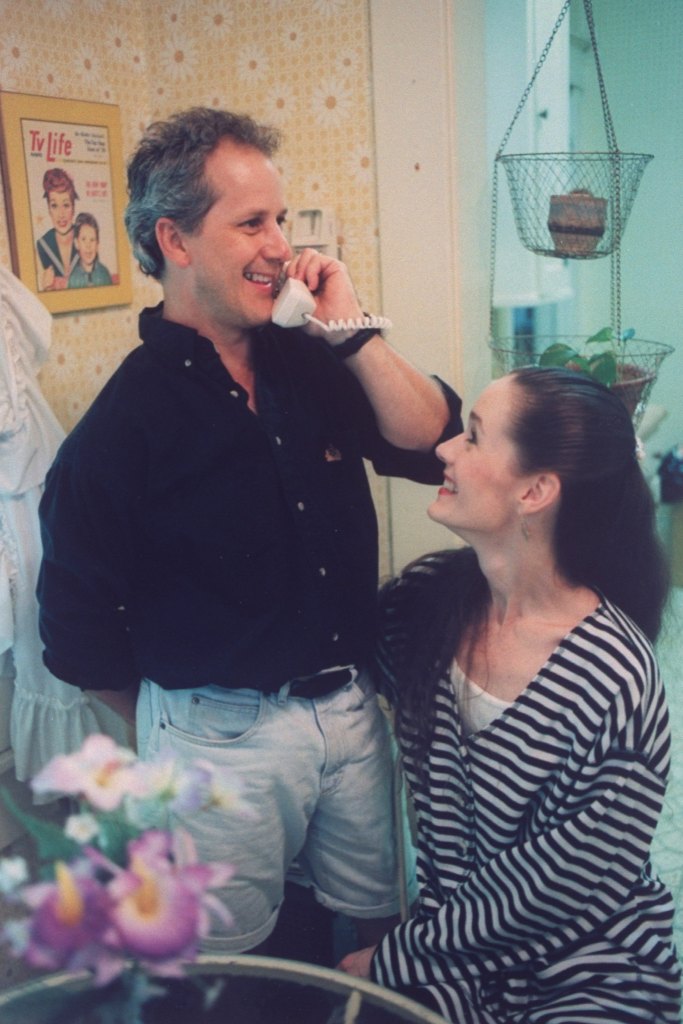
Keith Thibodeaux: “I cried out to God that night just by myself, and I said, ‘God, I made such a mess out of my life.’ I came from a divorced, broken home. I was the oldest of six kids. My dad had an affair with a lady in Hollywood and eventually left our family and had a whole other family, and I just had so much unforgiveness for him. So I said to God, ‘If you’re real, save me out of this mess I’ve made out of my life.’ Then I added three words: ‘I’ll serve you.’”
“When I said that, I went to bed that night… and about two weeks later, my mom invited me to a charismatic meeting at a Catholic church in Louisiana. I got filled with the Holy Spirit. I had a revelation and it was like these things that I had always heard about, but really never got through to me. I realized He’s not this God that’s ready to knock me over the head with a hammer if I do something wrong. I’d been raised with the Ten Commandments, and I knew that, but I didn’t know the relationship. Once I had that relationship, it was, like, This is truth. This is the answer.”
Fueling music with faith
Keith Thibodeaux: “I began to play music after Hollywood and played with David and the Giants, a secular band signed with Capitol, United Artists, Muscle Shoals. My experience with God, my faith as a Christian, changed the experience of the band from a secular band to a Christian rock band. We were a little bit of a pioneering Christian rock band and played the decade of the eighties and toured all over the U.S., Jamaica, England. And it was transformative.”
“I went back to the band and told them about my experience. The Bible was a treasure that had been here all this time, and I never could read more than one or two lines… and then it all just—wow—translated to me. I said, ‘We need to change our music. We can keep the same style, but change the lyrics.’ And they said, ‘You’ll get over it in two weeks, Keith. You’re probably on some kind of drug or something.’ They didn’t know the depth of my hurt. Eventually, they all came to faith in the Lord and we became a Christian band in 1979 with me playing drums. We still play, still make recordings and we have a new album we just put out.”
Finding strength in family
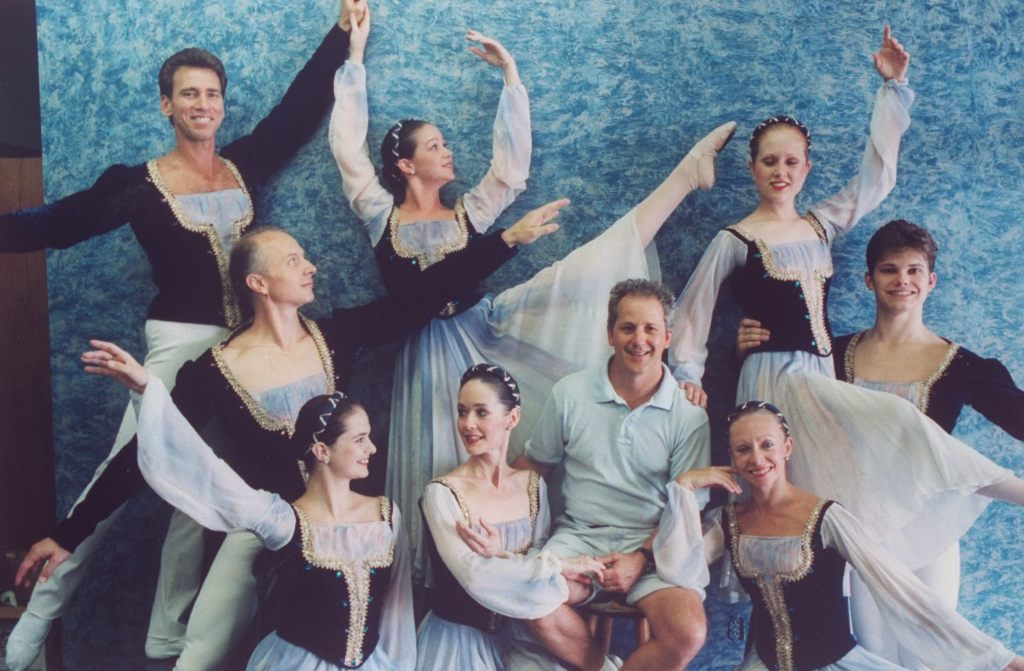
Keith Thibodeaux: “Also, my wife and I have been married almost 49 years. It is a blessing that we can be married that long. And we have a daughter, a beautiful daughter, and a grandson—that’s what God gave us. And we have a son-in-law as well—got to throw in the son-in-law. But, truly, I would not be here if it were not for God in my life.”
“My wife is an award-winning ballet dancer who’s a silver medalist in the second USA International Ballet Competition. We saw where I could use my musical talent for the Lord and she thought, maybe we can use dance that way as well. We had some confirming words from other people and pastors, and she started a ballet dance company in 1986, and it’s called Ballet Magnificat. The ballet has toured over 50 countries… all over the world. We have a branch in Brazil, we have a headquarters in Mississippi and it’s amazing. My life now is just like night and day compared to what it was.”
Keith and Mayberry Days

All of which has led Keith Thibodeaux to this moment in September 2025, attending Mayberry Days, interacting with several generations of fans and having the opportunity to share his story (which he also does in the pages of Life After Lucy: The Truth Story of Keith Thibodeaux, I Love Lucy’s Little Ricky). And it’s clear that it’s something that holds some significance to him.
Keith Thibodeaux: “Well, I love The Andy Griffith Show. My wife and I will watch episodes and enjoy—thoroughly enjoy—each one. We have our favorites and all that. But just this experience of Mayberry Days is kind of a cozy, hometown feeling. And you get to go back to Mayberry and sort of feel kind of what it was like with your conversations with people and the nostalgia of it.”

“There’s nothing like Mount Airy. They have Andy Griffith festivals and Lucy festivals and things like that around the country, but this is Andy’s hometown and the template for what he brought to the show and to the public. He brought his life and his love of his growing up, and the morals and the good old neighbor thing.”
“Just hanging out on the porch saying nothing and just strumming a guitar. Barney going, ‘Oh, I don’t know. I feel like going down to the drugstore and getting a hamburger, or maybe a shake. What you think, Ange?’ And then they just kind of have another long period of saying nothing. And then you hear the crickets in the background. It was comfort.”
Conversation
All comments are subject to our Community Guidelines. Woman's World does not endorse the opinions and views shared by our readers in our comment sections. Our comments section is a place where readers can engage in healthy, productive, lively, and respectful discussions. Offensive language, hate speech, personal attacks, and/or defamatory statements are not permitted. Advertising or spam is also prohibited.