The Incredible Life of Lorne Greene: From ‘Voice of Doom’ to TV’s Beloved ‘Bonanza’ Dad
How the actor's voice, career and ‘Bonanza’ made him one of TV’s most trusted stars

Key Takeaways
- Lorne Greene went from WWII broadcaster to TV’s most trusted father.
- 'Bonanza' made him an icon across 14 seasons of the series and 400+ episodes.
- He brought that same authority to 'Battlestar Galactica' as Adama.
Actor Lorne Greene was the kind of person who seemed to have lived three lifetimes before he ever set foot on the Ponderosa Ranch in the classic Western TV series Bonanza. By the time audiences came to know him as Ben Cartwright, the steady patriarch at the center of that long-running hit series, Greene had already built a career—and a reputation—that had little to do with horses, ranches or the Old West.
Who was Lorne Greene before ‘Bonanza’?
Born in Ottawa, Canada, in 1915 to Russian Jewish immigrant parents, Greene didn’t set out to be an actor at all. In fact, his path initially pointed somewhere far more conventional. He enrolled at Queen’s University and began studying chemical engineering, a practical choice that likely reflected both the expectations of the time and the influence of a working-class upbringing. His father, Daniel Greene, was a boots-and-saddles maker, someone who earned a living with his hands and understood the value of steady, reliable work.
Somewhere along the way, though, that path shifted. Whether it was exposure to theater on campus or a growing interest in performance, Greene found himself drawn in a different direction. The so-called “acting bug” didn’t just bite, but instead redirected him entirely. He left engineering behind and pivoted toward drama and, just as importantly, radio, a medium that would prove to be the perfect match for his most distinctive asset, because long before audiences saw him, they heard him.
The ‘Voice of Doom’
Before becoming television’s most dependable father figure, Lorne Greene was something else entirely: the voice of a nation, which had its birth in the fact that by the time he graduated in 1937, he wanted to be an actor and, determined to improve his skills, moved to New York and trained at the Neighborhood Playhouse School of the Theater.
“There he studied under Sanford Meisner, a teacher known for shaping great actors,” notes a video on YouTube channel The Unseen. “Greene worked hard, but his career didn’t take off right away. He needed a job, so in 1939, he returned to Canada and joined the Canadian Broadcasting Corporation as a radio announcer. His deep, commanding voice made an impression. Listeners across the country began recognizing him, and soon he earned the title, ‘The Voice of Canada.’ Then World War II began and his role changed. He became CBC’s principal newsreader, delivering wartime reports every night. Many of the updates were grim, military defeats, casualty numbers, and bad news from the front lines. His voice carried such weight that people started calling him ‘The Voice of Doom.’”
“His broadcasts,” the video adds, “reached every corner of Canada. And for many, he was the person who brought the war into their homes. During this time, he also narrated propaganda films for the National Film Board of Canada. In 1941, he worked on Churchill’s Island, a documentary about Britain’s fight against Germany. The film won the first-ever Academy Award for best documentary short subject, and Greene’s narration helped make it powerful. But he wasn’t just a performer. He was also an innovator.”
Even after moving away from chemical engineering, that part of his brain kept working. Given that radio included precision and the fact that timing mattered, he came up with a simple but effective solution to a very real problem: a countdown clock that ran backward to zero. Today, that sounds like standard equipment, but at the time, it was a practical innovation. Broadcasters needed a way to track exactly how much time they had left in a segment, especially in live programming, where going long could mean being cut off mid-sentence. Greene’s system helped solve that.
“Another thing about him,” points out pop culture historian Geoffrey Mark, “is that most people don’t know that he even had his own school to train voice people, including Leslie Nielsen.”
The Unseen elaborates: “In 1945, he founded the Lorne Greene Academy of Radio Arts in Toronto. The school trained future stars. It had 381 graduates and 90% of them found work in broadcasting or acting. But despite this success, the academy struggled financially. In 1952, Greene had to close it down. He sold the building and moved to Hollywood, hoping to make a name for himself as an actor.”
“In America,” says Mark, “he did the usual stage work and early television work, and that led up to him being considered for something like Bonanza.”
Leading the Ponderosa

Greene’s big break came when he was already in his 40s, at a point when many actors were still trying to find a steady footing. In his case, the turning point came through a guest appearance on the popular Western Wagon Train, which put him on the radar at exactly the right moment. That appearance led directly to his being cast by series creator David Dortort as Ben Cartwright in Bonanza, the NBC Western that premiered in 1959 and would go on to become one of the most successful shows in television history.
Dortort, for his part, related a humorous story to the Television Academy Foundation: “Lorne Greene—especially in the early days—I had a bit of a problem with him, and here’s what it was. He had come from Canada, where he’d been on the Canadian Broadcasting Corporation as a newsman during World War II. And he did it with that big, deep broadcasting voice of his. After the war, he came to New York, did some Broadway, and then made his way to Hollywood. I first saw him on Wagon Train, where he went toe-to-toe with Ward Bond and didn’t give an inch. I thought, ‘This guy has the quality.’”
“Later that same evening,” continued Dortort, “he showed up at a party, and I had a chance to talk to him. We agreed he’d be a great choice, and he agreed to do the show. The problem was, he spoke with so much strength. The microphone is very sensitive—it picks up everything, even a whisper—but Lorne would come in with that booming voice. I’d say, ‘Lorne, you don’t have to shout.’ ‘Who’s shouting? I’m not shouting.’ So one day I said, ‘Come with me.’ I took him to the projection room and let him hear what he sounded like. The other actors were speaking normally—just enough to communicate—and then there was Lorne with this big, overpowering voice. He listened and said, ‘Oh my God.’ I told him, ‘You don’t have to yell. Undercut it. Underplay it a little.’ So he went the other way—he got so soft I could barely hear him. I said, ‘No, no—you don’t have to go that far. Just speak normally. Be yourself. Relax and enjoy the part.’ And to his credit, that’s exactly what he did. He became a superb actor for that role.”

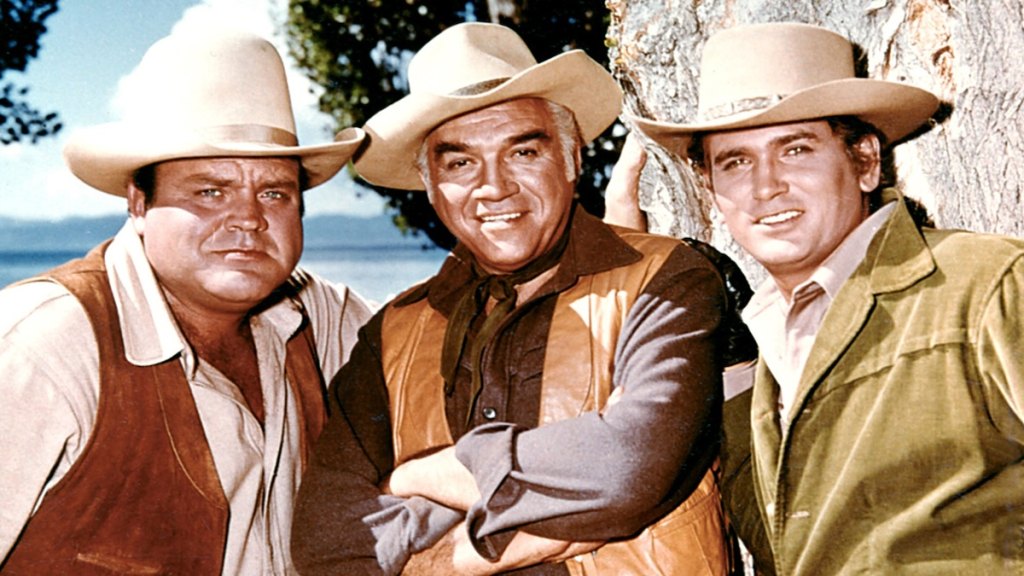
Set on the sprawling Ponderosa Ranch near Virginia City, Nevada, Bonanza centered on Cartwright and his three sons—Adam, Hoss and Little Joe—each born to a different mother, which gave the show a built-in variety of personalities and perspectives. But at the center of it all was Greene’s Ben, known simply as “Pa,” a widower raising his sons (played by Michael Landon, Dan Blocker and Pernell Roberts) with a mix of discipline, fairness and a strong sense of right and wrong.
From the beginning, Bonanza stood out from the dozens of Westerns already on the air. It was the first hour-long genre series on network television and one of the earliest to be broadcast in color, a fact NBC leaned into heavily as it sought to promote color TV sets in American homes. That extra time allowed for more character-driven storytelling, and the show made the most of it, focusing as much on relationships and moral dilemmas as it did on action.
“What he had—and this was important—was great warmth as an actor,” Dortort says, “and he wasn’t afraid to show it. A lot of actors are stiff. They have trouble showing emotion. He didn’t. He could show warmth and empathy without losing control of it, which isn’t easy. I remember when he’d talk to Michael Landon—he’d put his arm around him, hug him. That hadn’t been done before. I complimented him on it. I said, ‘That’s wonderful—you show that you like the kid.’ He said, ‘Why shouldn’t I?’ And that became the basis of the character.”
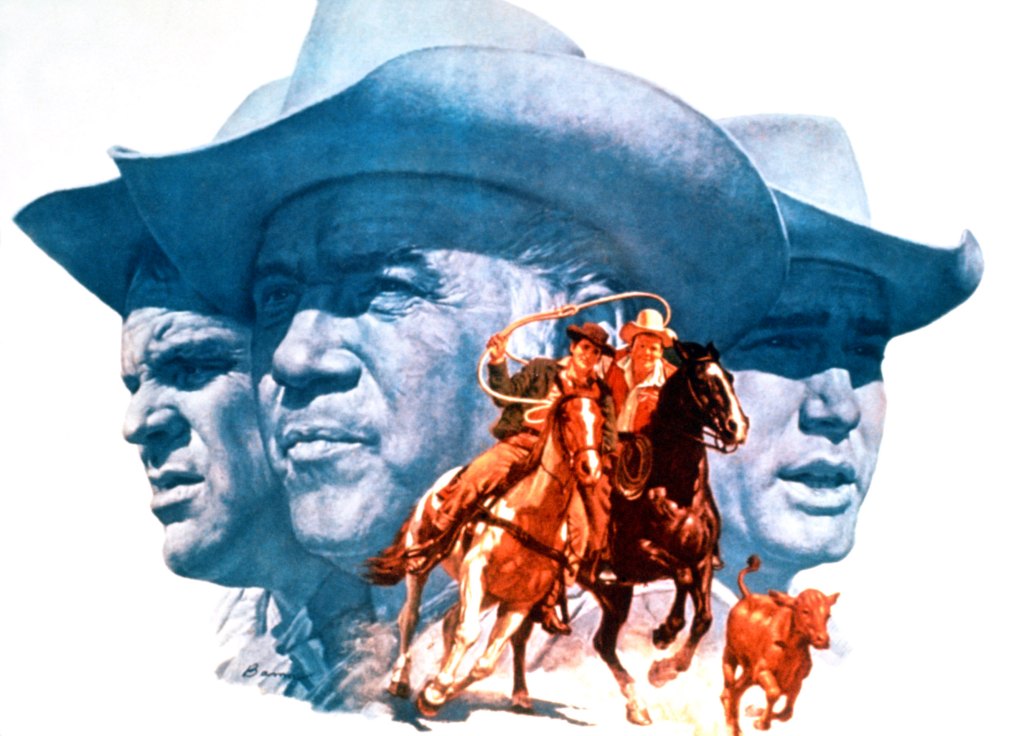
From 1959 to 1973, across 14 seasons and more than 400 episodes, he played Ben Cartwright as the show’s moral anchor—the one who listened, weighed the situation and ultimately set things right. His performance gave the series a sense of stability, even as the stories ranged from traditional Western conflicts to more personal, sometimes surprisingly emotional territory.
Geoffrey Mark muses on the show’s success: “We have to look at what’s always been called the Western craze on television. Step back for a second—starting in the mid-1950s and going into the early 1960s, there were dozens and dozens of Westerns on TV. They were all black and white, they were all half-hour. Some of them were just shoot-’em-ups. Some of the better ones were half-hour character studies that just happened to be set in the Old West. Considering how short a period the actual Old West was, it’s amazing there were so many stories written about it.”
“The Old West is really the period from about 1870 to about 1890—the years when territories were being turned into states,” he adds. “By the time Arizona and New Mexico became states, the Old West was over and had already been over for a while. It’s also funny how much of the ‘Old West’ on television took place in Kansas, when you’d think it would be Texas. When Bonanza came along, the Western craze was hitting its peak and just about to start declining, but what Bonanza did was set a bar that those half-hour, black-and-white Westerns simply couldn’t reach.”
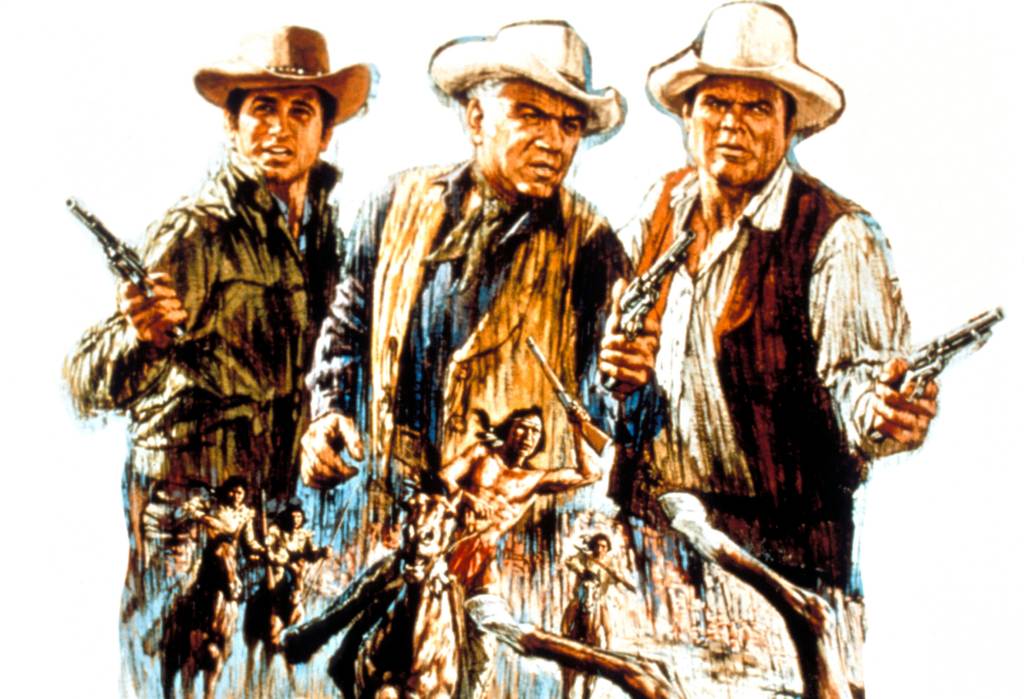
Years later, TV Guide would rank Greene as the #2 greatest TV dad of all time, a reflection of just how deeply the character of Ben Cartwright and the show had taken hold in popular culture.
“There was something in the premise—a handsome, middle-aged man with three grown sons—and the conceit that each son is from a different wife, which is why they don’t look alike and don’t act alike. That way, they didn’t have to cast three actors who looked like brothers,” says Mark. “More importantly, it was character-driven. These were really stories about wealthy people. In a way, Bonanza is almost a precursor to something like Dynasty 20 or 30 years later. You’ve got the head of the family, a lot of money, the children all living together in a big house—and it’s about their personal lives, their jealousies, all of that. It also had an ethnic component with Hop Sing, the Chinese houseman, cooking and taking care of the household. The best shows on television—period—are the ones with well-thought-out characters interacting in well-written, well-directed scripts, played by talented actors. Everything about Bonanza was first-rate.”
All good things…
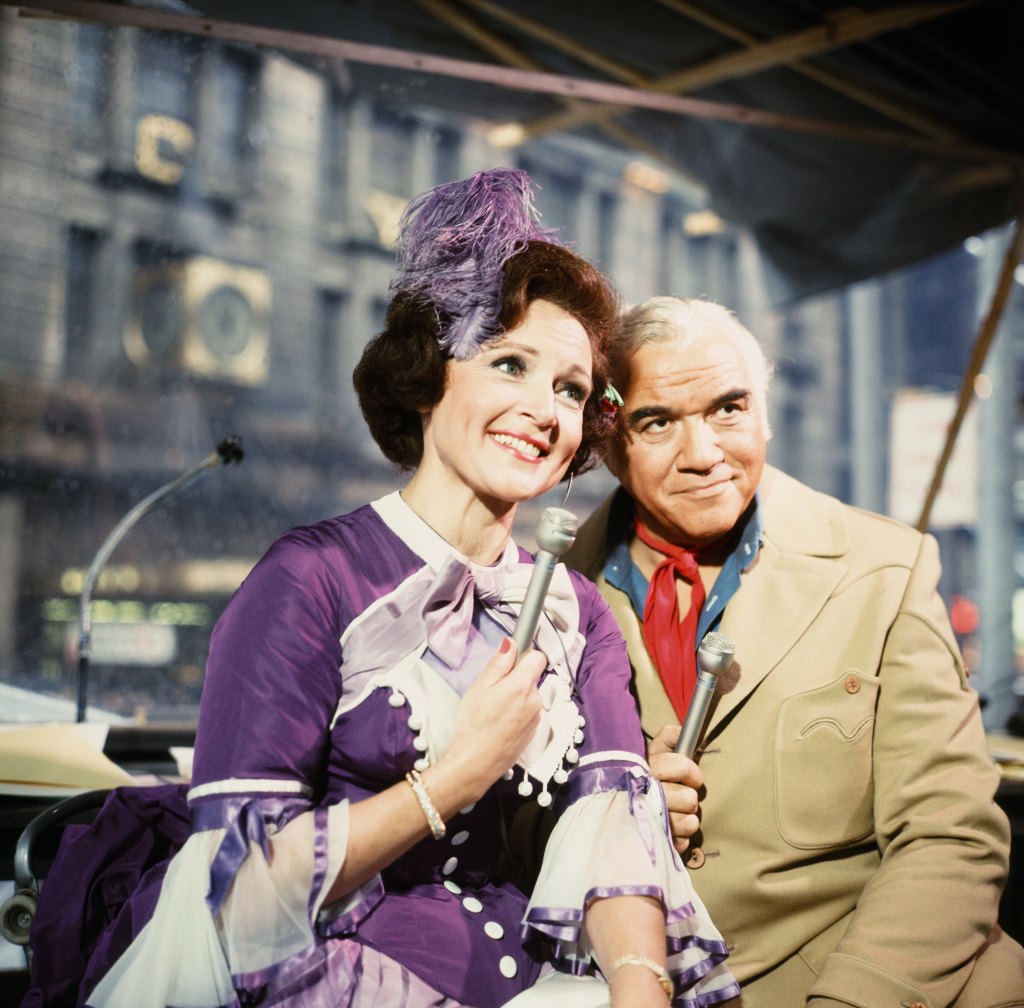
In 1967, Greene was interviewed and asked what he wanted in the future; the reporter noted that Bonanza had been on the air for eight years and wondered if he’d be interested in eight more. “When you’ve had a long run on any kind of show, you get to a point where there are other things you feel you have to do before it’s too late to do them,” the actor reflected. “We still have another four years on our contract with NBC, and I’ll be very happy to fulfill those four years. Certainly. But there are other things I’d like to do. For one thing, I’d like to lie in bed until nine o’clock in the morning—I’m up at a quarter to six now, and that can get a little tough when you’ve been out until four. Professionally, I’d like to do motion pictures. There are a couple I’m interested in, and I’ve already bought a screenplay that I hope to produce at the first opportunity. There are also stage plays that have been offered to me, and I’d like to do one of those when Bonanza is over. There’s even a musical comedy I’d like to try—I’d like to have that experience.
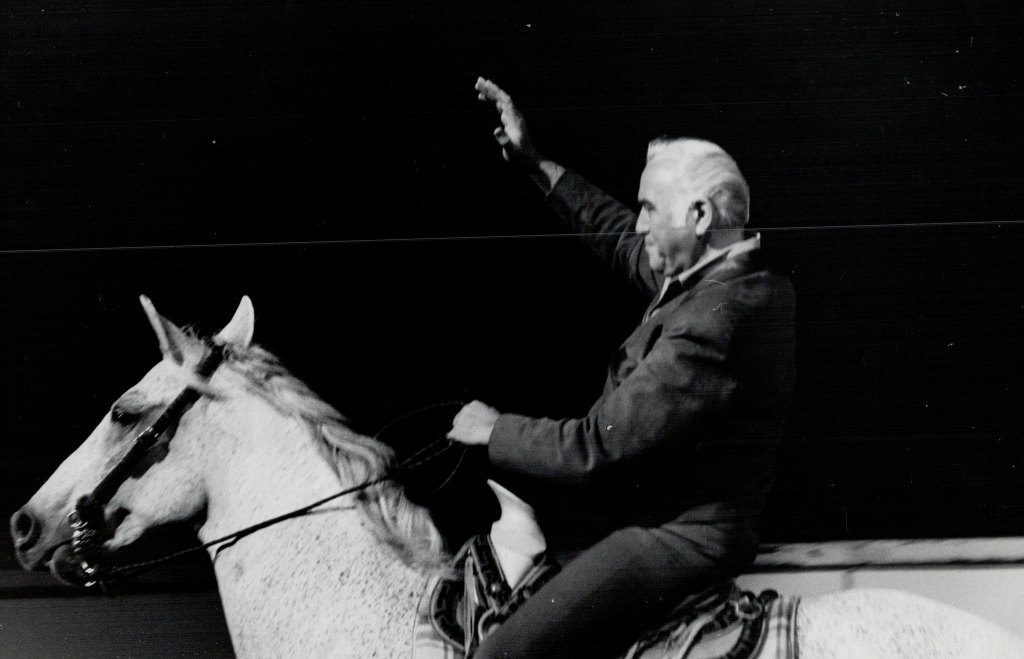
“And then there’s travel. I enjoy doing personal appearances and would like to do more of them around the world. I spent some time in Australia—six shows in nine days, from coast to coast—and it was a tremendous experience. I’ve since been invited to appear in England, Spain, Germany, Sweden, Finland, Portugal, South America and Japan. I could easily spend a couple of years just traveling and doing shows.”
As time went on, of course, the iconic Westerns on television all started to go away. In the ’60s, the networks still tried to throw Westerns at people, but they’d last a season, maybe two—or they’d turn into parodies. Notes Mark, “Basically, from the 1960s into the early ’70s, you had two major hit Westerns: Gunsmoke and Bonanza. And once Gunsmoke went into color, they became very strong competitors. The difference is in how each show handled change. With Gunsmoke, it happened more naturally. When Dennis Weaver left, his character was replaced for a while by another, played by Burt Reynolds. When Reynolds moved on, they brought in an actor who had already appeared on the show, and the character of Festus opened up a whole new set of story possibilities because he was such a strong performer.”

“With Bonanza,” he continues, “it was more a case of attrition. When Pernell Roberts decided he wanted to be a leading man—which, like most people who try it, didn’t work out as well as he hoped—the show lost one of its central pieces. Now you’re down to two brothers, and when they brought in a replacement character—a ranch hand—it just wasn’t the same. They weren’t brothers, there was no shared history, and the actor wasn’t at quite the same level as the others. Then, toward the end of the run, Michael Landon began to exert more control, directing and writing episodes, and the flavor of the show changed. You can see the beginnings of what he would later do on Little House on the Prairie in the kinds of stories he was telling.”
From Western star to sci-fi leader in ‘Battlestar Galactica’

For Greene, the conclusion of Bonanza in 1973 marked the end of the role that had defined him for more than a decade, but not the end of his visibility. If anything, he remained a constant presence—hosting events like the Macy’s Thanksgiving Day Parade and the Tournament of Roses Parade, narrating documentaries, appearing in commercials and taking on a steady stream of television work. He didn’t retreat from the spotlight or try to reinvent himself in a radically different mold. Instead, he continued doing what he had always done: working, consistently and professionally, while audiences adjusted to seeing him as something other than Ben Cartwright—at least until his next major role came along.
After his long run on the ranch, he essentially took his “space dad” act to the stars in 1978. In Battlestar Galactica, Greene played Commander Adama, the steady leader of a ragtag fleet of human survivors searching for the mythical planet Earth after the destruction of their home worlds. The series, developed by Glen A. Larson, was part of television’s attempt to ride the wave of science fiction popularity in the wake of Star Wars, and it came with a bigger scope than most TV shows of the time—space battles, elaborate sets and a continuing storyline that followed the fleet’s journey. But for all the spectacle, the show still needed a center, and that’s where Greene came in.
Even surrounded by Cylons, spaceships and futuristic mythology, he brought the same calm, authoritative presence that had defined his work on Bonanza. Adama wasn’t just a commander barking orders—he was a father figure, a strategist and, at times, a moral compass trying to hold together what was left of humanity.
‘Code Red’ and beyond
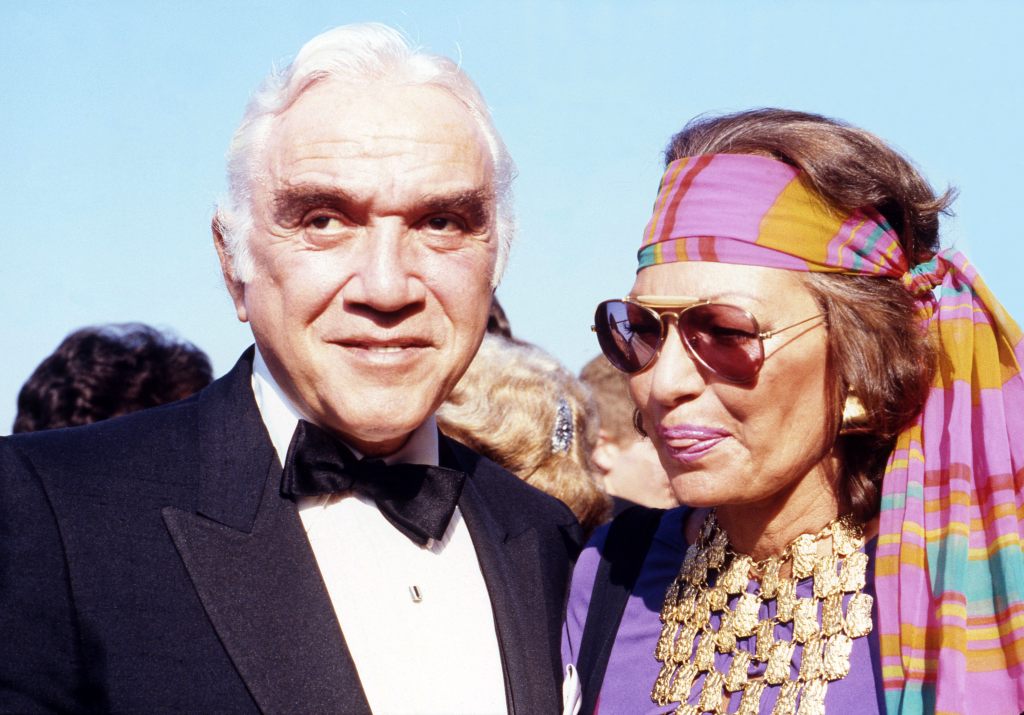
After Battlestar Galactica, Lorne Greene stayed busy in much the same way he always had—by working steadily and taking on a wide range of projects. He returned to television in series like Code Red, a short-lived drama set in a Los Angeles fire department that reunited him with producer Irwin Allen, and made guest appearances across a variety of shows. At the same time, he continued doing the kind of work that had defined much of his post-Bonanza career: narrating documentaries, appearing in commercials and serving as a familiar on-air presence for network specials and events. He also remained closely associated with projects like Lorne Greene’s New Wilderness, which reflected his interest in environmental and wildlife issues. It wasn’t about chasing another massive hit so much as maintaining the kind of dependable, visible career he had built over decades—one where his voice, more than anything else, remained in demand.
Away from the cameras, Lorne Greene kept his life relatively grounded, especially compared to the larger-than-life roles he played. He was married twice—first to Rita Hands, with whom he had two children, twins Charles and Belinda, and later to Nancy Deale, who remained with him for the rest of his life. Family mattered to him, but it wasn’t something he turned into a public performance. If anything, he kept that side of his life fairly private, preferring to let the work speak for itself.
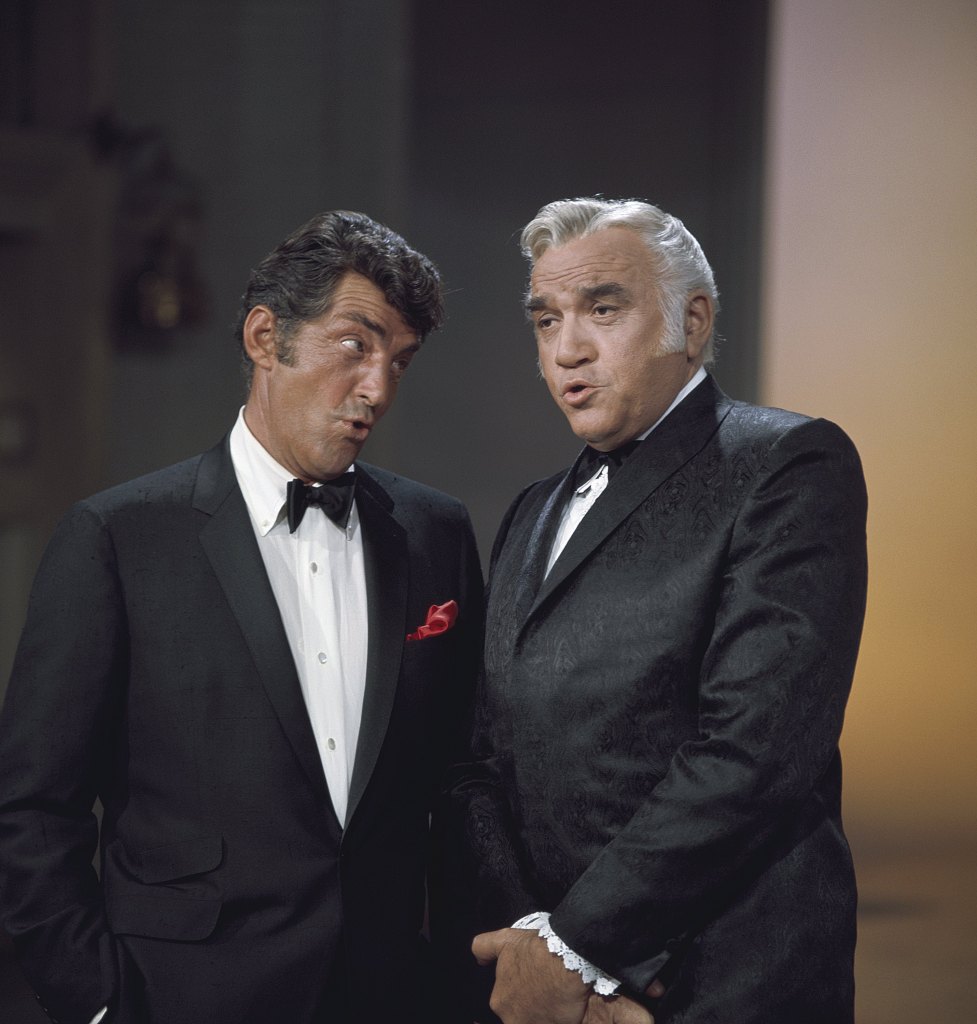

“When you talk about show business,” suggests Mark, “the one thing people don’t talk about often enough is talent. Someone can be very good-looking, they can know all the right people, they can ride a wave of popularity because of something in their personal life or something they’ve done. But the people who work—and keep working—are the ones who are talented and ambitious. And there’s a third part to it: professionalism. They take care of themselves. They know their lines. They care about their work. They show up on time. They’re dependable. They don’t cause problems—they solve problems. That was Lorne Greene.”
As his career continued, Greene, who passed away in 1987 at the age of 72, also embraced being a grandfather, adding another layer to a life that, despite its public visibility, remained fairly centered. He worked often, stayed active and didn’t seem particularly interested in stepping away from the industry that had defined him.
“I’ve done a number of roles over the years—many roles—and I enjoy acting,” explained Greene to a journalist in the mid 1970s. “I love acting. I’ve been in the business for 36 years. Before that, I was a journalist. I worked in news for the Canadian Broadcasting Corporation for about 14 years. I’ve been on Broadway, I’ve been in motion pictures, I’ve been in television… and I’m in fertilizer. And I find each one of them just as exciting as the last.”
Conversation
All comments are subject to our Community Guidelines. Woman's World does not endorse the opinions and views shared by our readers in our comment sections. Our comments section is a place where readers can engage in healthy, productive, lively, and respectful discussions. Offensive language, hate speech, personal attacks, and/or defamatory statements are not permitted. Advertising or spam is also prohibited.