The Secret Struggles of the ‘Bonanza’ Cast: How 4 Unknown Actors Became TV Legends—and What It Cost Them
Michael Landon and the rest of the Cartwrights weren’t stars until 'Bonanza' made them family—fame and fallout included

Key Takeaways
- 'Bonanza' turned four little-known actors into enduring television legends.
- Dan Blocker’s death had a lasting impact on the show’s future direction.
- Michael Landon managed to build an even bigger career after 'Bonanza' ended.
When Bonanza premiered in 1959, there was little indication that it would grow into one of television’s most enduring—and defining—Western dramas. In retrospect, part of its appeal lies in something deceptively simple: the chemistry of four actors who, at the time, were far from household names. As David R. Greenland, author of Bonanza: A Viewer’s Guide to the TV Legend, relates to Woman’s World, the magic of the Cartwright family wasn’t built on star power, but on potential that steadily evolved into something far greater.
“The four Cartwrights were simply four generally unknown actors who by 1959 all had credits, though nothing of major significance,” he says. “Both Dan Blocker and Michael Landon had guest roles on David Dortort’s first Western series, The Restless Gun. Dortort was impressed by the way Lorne Greene stood up to blustery Ward Bond on the set of Wagon Train—shot at Universal, as was The Restless Gun, which was why Dortort was there, and he was impressed by Pernell Roberts’ performance in the Randolph Scott feature Ride Lonesome. He told me Dan Blocker gave him the fewest headaches during the run of Bonanza and was so appreciative of getting the role of Hoss that he had tears in his eyes. Blocker was about to give up acting and return to his native Texas to teach school.”
Building the Cartwright family: Finding the perfect ‘Bonanza’ cast
Running on NBC from 1959 to 1973, Bonanza centered on the Cartwright family—patriarch Ben Cartwright (Lorne Greene) and his three sons, Adam (Pernell Roberts), Hoss (Dan Blocker), and Little Joe (Michael Landon)—as they lived, worked, and defended their sprawling Ponderosa Ranch near Virginia City, Nevada, in the years following the Civil War. Built around the idea that each son had a different mother, the series used that dynamic to explore contrasting personalities and moral viewpoints, allowing episodes to shift easily between action, family drama and socially conscious storytelling. Over the course of its 14-season run—one of the longest for a Western—the show evolved from a traditional frontier adventure into a character-driven series that reflected changing audience tastes and television storytelling itself.
The knightly inspiration behind the Ponderosa’s four sons
A sense of discovery carried over into the very fabric of the series. According to Greenland, creator David Dortort didn’t simply cast four actors—he shaped an ensemble dynamic that allowed each to grow individually while strengthening the group as a whole.
“Dortort envisioned the Cartwrights as distinct individuals, basing them on the Knights of the Round Table, and their characters evolved as the actors developed their relationships to one another. The fact that they were all half-brothers explained their lack of similarities and familial resemblance, as well as differing temperaments. All four were gifted actors and improved as they became more comfortable with their roles. By the late ’60s, the three remaining Cartwrights—following Roberts’ departure—actually became more impressive as actors as the art of acting itself became more natural and realistic and less mannered.”
What also set Bonanza apart was its storytelling. “The style of writing and the types of stories being done changed as the show evolved into being more than a routine Western,” Greenland muses. “The fact that Dortort was himself a writer made him choose scripts with great care, and he was one of the very few Hollywood producers willing to take a chance on new writers, which increased story possibilities.”
Yet, as with many long-running hits, success came with its own complications. The cast was keenly aware of both the benefits and the limitations of being part of such a massive phenomenon.
“Although Lorne Greene later remarked that by the end they had become ‘slaves’ to the popularity of the show, they all enjoyed the acclaim—and income—it provided,” he suggests. “Pernell always felt the show was not as good or as topical as it could have been. Ironically, it became much better after he left. He thought he was more skilled than the material, as though he was wasting his time and talent. Dortort told me Pernell was easiest to handle when the episode revolved around his character. Landon had a growing family to support, so he wasn’t going anywhere, especially after he began writing and directing.”
The tragic end of an era: Dan Blocker’s passing and the show’s finale
By the early 1970s, however, the end was beginning to come into view—something the cast could sense even before tragedy struck. “The cast had a feeling they were reaching the end of the trail, the season before Dan Blocker died. The ratings for the 13th year were the show’s lowest since the second season—1960-61. His passing put the final nail in the coffin, so to speak, and the series may have lasted a full 14th year and maybe beyond if NBC hadn’t moved it from Sunday night to Tuesday, which the network planned to do even if Blocker had not died.”
Beyond the series itself, the actors faced an uncertain future—despite their fame. “Greene was said to be insecure about the future, which probably explains why he took on those weak series, commercials and a relatively small role in the film Earthquake. Both he and Blocker did other things outside of Bonanza while the show was still running.”
And yet, for all the challenges, there was never any question about what Bonanza meant—to its stars or its audience. “The cast knew how massively popular the show was, making lucrative appearances at state fairs, rodeos, telethons, etc. and would have been stupid to give all that up.”
It’s within that context—of unexpected beginnings, evolving artistry, enormous success and the complicated aftermath of fame—that the story of the Bonanza cast truly unfolds.
Here’s the real story behind each Cartwright—beginning with the commanding presence at the head of the table.
Lorne Greene (Ben Cartwright)
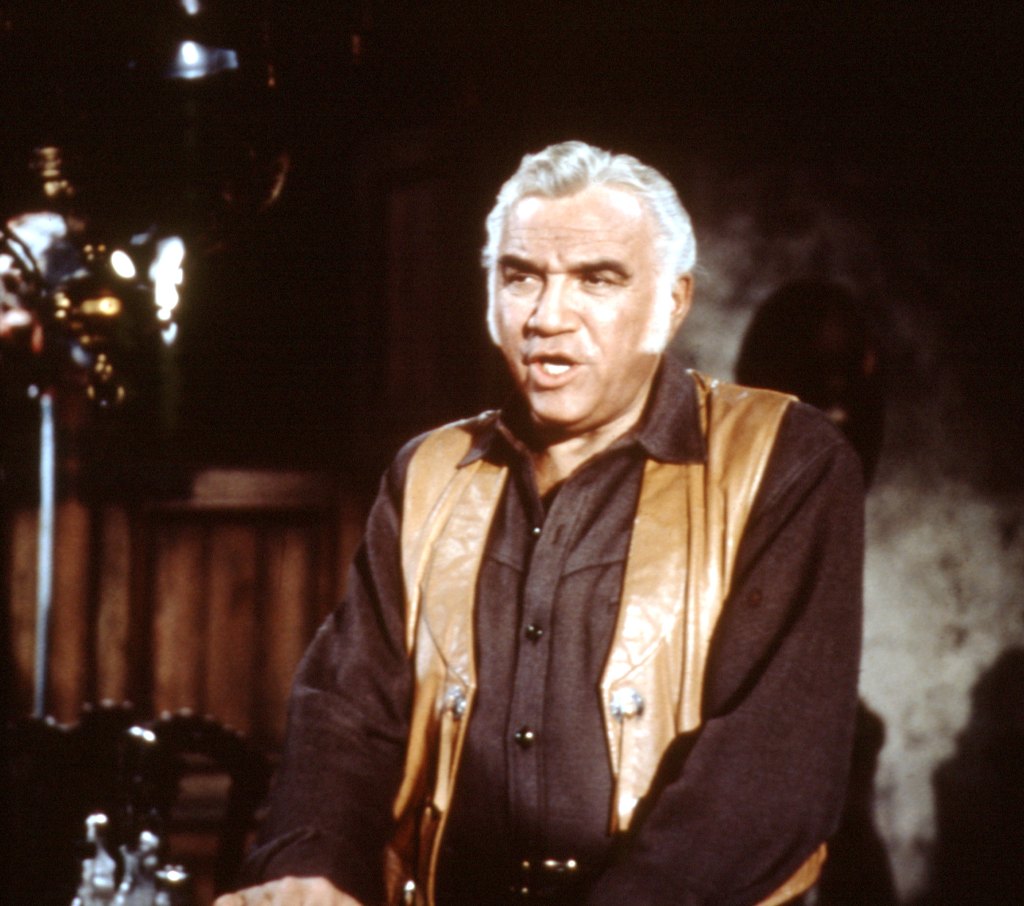
Life before Bonanza: Lorne Greene entered Bonanza with a level of experience and authority that made him uniquely suited to anchor a series built around family, morality, and leadership. Born Lyon Himan Green in Ottawa, Canada, he studied chemical engineering at Queen’s University before gravitating toward acting and broadcasting. His deep, resonant voice became his calling card early on, leading to a successful career with the Canadian Broadcasting Corporation.
During World War II, Greene served as a radio announcer delivering news reports, earning the nickname “The Voice of Doom” for his grave, authoritative delivery of casualty lists. After the war, he transitioned into drama, working extensively in Canadian radio and theater before moving into television and film. By the 1950s, he had appeared in a variety of roles, including parts in Studio One and Playhouse 90. When Bonanza was developed, he was cast as Ben Cartwright — a widowed rancher raising his family on the Ponderosa—a role that would define his career.

His Time on Bonanza: From its debut in 1959, Bonanza positioned Greene at its emotional and moral center. As Ben Cartwright, he was not only the head of the family but the guiding conscience of the series, often delivering measured, thoughtful responses to the conflicts faced by his sons and the people of Virginia City.
Greene’s performance helped distinguish Bonanza from other Westerns of the era. Rather than focusing solely on action, the series leaned into character-driven storytelling, with Ben serving as both father figure and philosophical anchor. His interactions with his sons created a dynamic that blended authority with compassion, reinforcing the show’s emphasis on family unity.
He remained with the series for its entire 14-season run, appearing in all but a handful of episodes. As cast changes occurred—including the departure of Pernell Roberts and later the death of Dan Blocker—Greene’s presence provided continuity, helping sustain the show’s identity through its evolving lineup.

Life after Bonanza: When Bonanza ended in 1973, Greene faced the challenge of moving beyond a role that had become synonymous with his public image. He continued acting in both television and film, often cast in roles that capitalized on his authoritative presence.
One of his most notable post-Bonanza roles came as Commander Adama in 1978’s Battlestar Galactica, where he once again played a paternal leader guiding a group through uncertain circumstances. The role introduced him to a new generation of viewers and demonstrated his ability to transition from Western to sci-fi while maintaining the same commanding screen presence.
He also appeared in television movies, guest roles, and commercials, and even enjoyed an unexpected musical success. His spoken-word recording “Ringo” became a chart-topping hit in 1964, showcasing his distinctive voice in a different medium.
Following his death, the Bonanza legacy continued with a series of television movies in which the character of Ben Cartwright remained a central presence.”
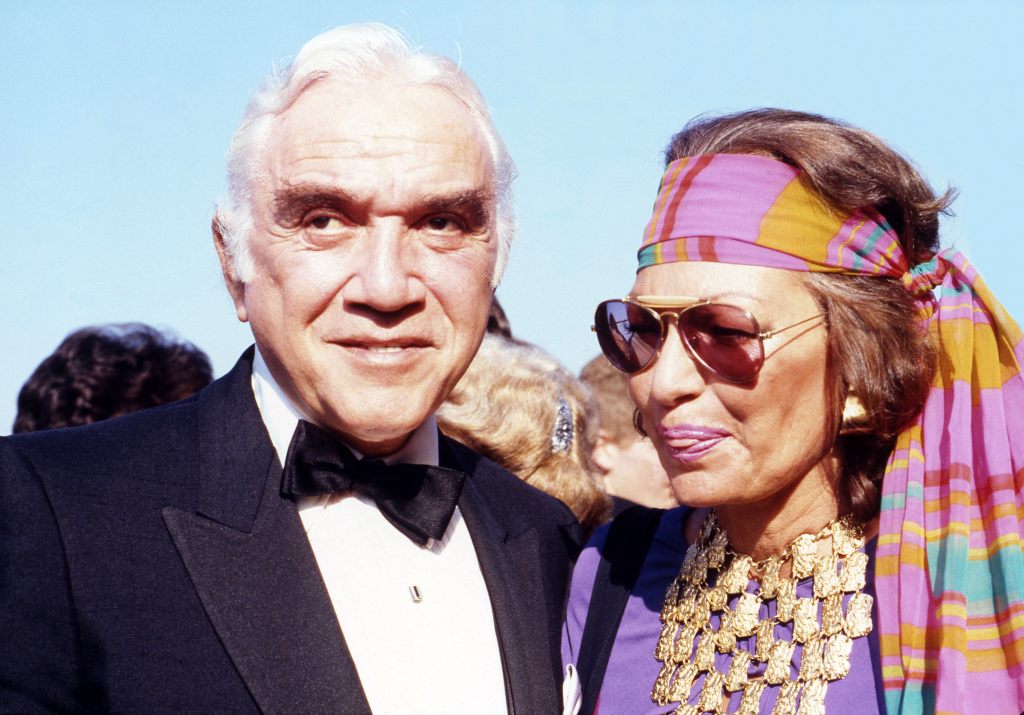
Personal life: Greene was married twice and had children, including actor and television producer Charles Greene. Known for his intelligence, discipline, and strong work ethic, he maintained a reputation as a thoughtful and well-read individual.
His deep voice — one of the most recognizable in television history—remained a defining trait both professionally and personally. Off-screen, he was regarded as warm, articulate, and quietly authoritative, qualities that closely mirrored the character he played on Bonanza.
Lorne Greene passed away on September 11, 1987, at the age of 72. His legacy remains firmly tied to Ben Cartwright, a character who helped redefine the Western genre by placing family, ethics, and emotional storytelling at its core.
Michael Landon (Joseph “Little Joe” Cartwright)
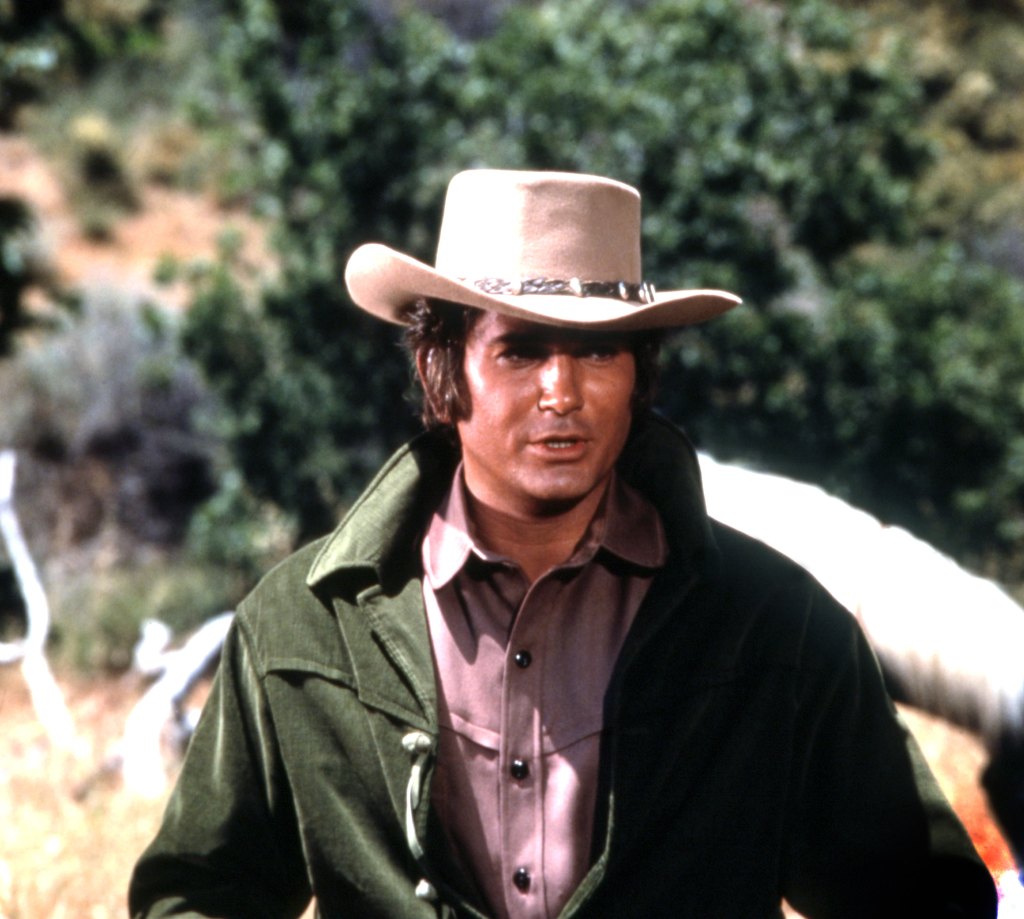
Life before Bonanza: Michael Landon entered Bonanza as the youngest of the Cartwright sons, but his path to that role was marked by persistence and reinvention. Born Eugene Maurice Orowitz in Queens, New York, he was raised in a household shaped by instability, including a difficult relationship with his mother. His family eventually relocated to California, where he attended high school and excelled in athletics, particularly javelin throwing, earning a scholarship to the University of Southern California.
A serious shoulder injury ended his athletic ambitions, forcing him to reconsider his future. Landon turned to acting, studying while working a series of odd jobs to support himself. Early in his career, he struggled to find his footing, appearing in small film and television roles, including parts in I Was a Teenage Werewolf and guest spots on series such as Telephone Time. Though I Was a Teenage Werewolf brought him early attention, it did not immediately establish him as a long-term leading man.
While these roles offered exposure, they did not immediately establish him as a leading man. What Landon did possess, however, was a natural charisma and emotional accessibility that would prove invaluable. When Bonanza was being cast, producers were looking for a youthful presence to balance the authority of Lorne Greene and the maturity of Pernell Roberts. Landon was cast as “Little Joe” Cartwright—the impulsive, passionate youngest son—a role that would launch him into stardom.

His Time on Bonanza: As Little Joe, Landon quickly became one of the show’s breakout figures, particularly among younger viewers. The character’s emotional volatility, romantic entanglements, and strong moral compass gave Landon opportunities to showcase a range that extended beyond traditional Western archetypes.
Over the course of the series, Landon’s role expanded both in front of and behind the camera. He began writing and directing episodes, demonstrating a growing interest in storytelling that would shape the next phase of his career. His scripts often leaned into emotional themes, emphasizing character relationships and moral dilemmas—elements that became hallmarks of his later work.
Landon’s rapport with the audience was a key factor in Bonanza’s enduring popularity. While Lorne Greene provided the show’s moral authority, Landon brought heart and relatability, creating a balance that resonated across demographics. Following the departure of Pernell Roberts and the tragic loss of Dan Blocker, Landon’s presence became even more central to the series’ identity.

By the time Bonanza ended in 1973, Landon had evolved from a young actor finding his footing into a creative force within the production, gaining experience that would prove critical in shaping his future projects.
Life after Bonanza: Landon transitioned from Bonanza into one of the most successful second acts in television history. In 1974, he developed and starred in Little House on the Prairie Little House on the Prairie, a family drama inspired by the writings of Laura Ingalls Wilder. As Charles Ingalls, Landon once again played a paternal figure, but this time with greater creative control as producer, writer and director.
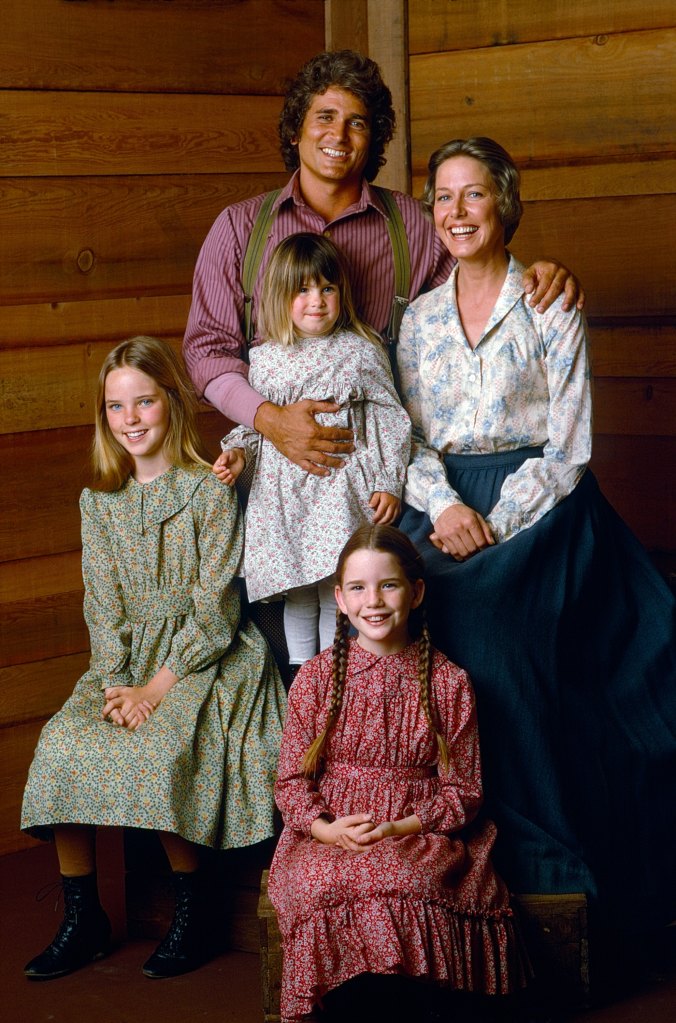
Little House on the Prairie ran for nine seasons and became a cultural touchstone, reinforcing Landon’s reputation for emotionally driven storytelling. He followed that success with another hit series, Highway to Heaven, in which he played an angel-in-training sent to Earth to help people in need. The show continued his tradition of blending moral lessons with character-driven narratives. Throughout these projects, Landon maintained significant creative authority, shaping the tone and direction of his series in ways that reflected his personal sensibilities.
Personal life: Landon was married three times and had nine children. His personal life was often the subject of public attention, particularly during the later years of his career. Despite this, he remained deeply committed to his work and his family.
Known for his charm, humor, and work ethic, Landon developed a reputation as both a demanding professional and a deeply empathetic storyteller. In 1991, he was diagnosed with pancreatic cancer, and he passed away on July 1 of that year at the age of 54.
Dan Blocker (Eric “Hoss” Cartwright)
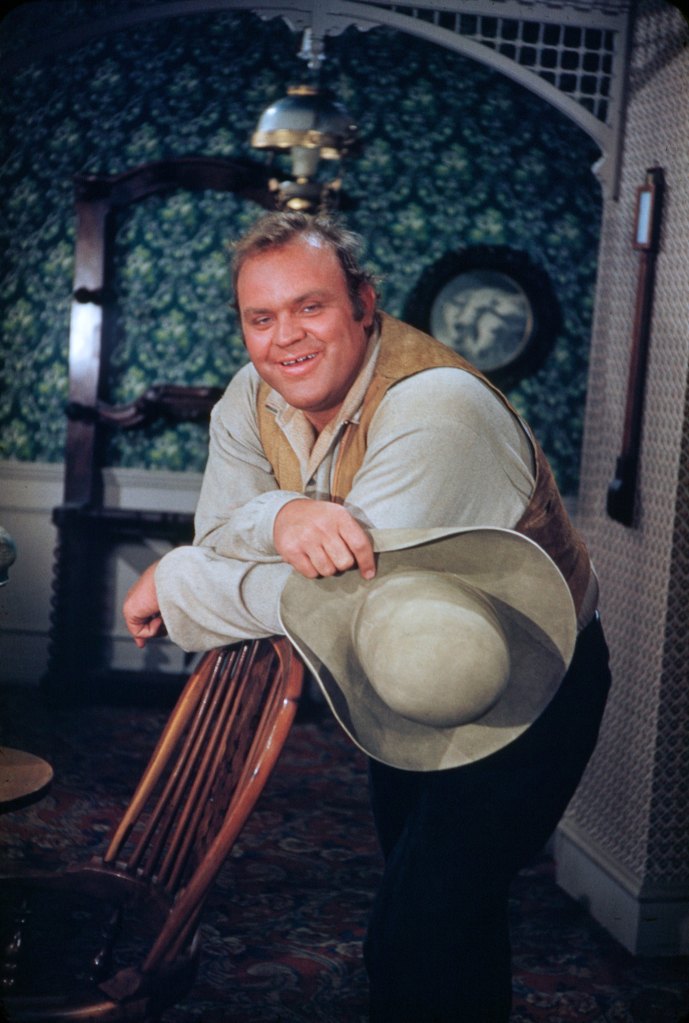
Life before Bonanza: Dan Blocker came to Bonanza with a larger-than-life physical presence and a background that was as grounded as the character he would come to portray. Born Bobby Dan Davis Blocker in De Kalb, Texas, he was raised in a working-class family during the Great Depression. His imposing size—eventually standing 6 feet 4 inches tall and weighing over 300 pounds—made him a natural for athletics, and he played football while attending Hardin-Simmons University and later Sul Ross State University, where he earned a degree in speech and drama.
Before turning fully to acting, he served in the U.S. Army during the Korean War, an experience that shaped his perspective and discipline. After returning home, he worked as a high school teacher and coach, balancing education with a growing interest in performance.
His acting career began with stage work and quickly expanded into television during the 1950s. Like many actors of the era, he built his résumé through guest appearances on Westerns, including Gunsmoke, The Rifleman, and Have Gun – Will Travel. These roles often cast him as physically imposing characters, but even in smaller parts, he demonstrated a natural warmth that set him apart.

His Time on Bonanza: As Hoss Cartwright, Blocker became one of the most beloved characters on television. His portrayal balanced physical power with emotional innocence, creating a character who was both formidable and deeply compassionate. Blocker’s chemistry with his co-stars—particularly Lorne Greene and Michael Landon—helped define the show’s family dynamic. While Greene provided authority and Landon brought youthful energy, Blocker grounded the ensemble with sincerity and humor. His presence gave Bonanza a unique tonal balance, allowing the series to explore serious themes without losing its sense of warmth.
Behind the scenes, Blocker was known for his intelligence, professionalism and strong sense of humor. He was also involved in business ventures during the show’s run, including involvement in the Bonanza Steakhouse restaurant chain, reflecting an entrepreneurial side that extended beyond acting.
Tragically, Blocker’s time on Bonanza was cut short when he died unexpectedly in 1972 at the age of 43 from complications following gallbladder surgery, specifically a pulmonary embolism. His death had a profound impact on the cast, crew and audience. The loss of Hoss was so significant that the series never fully recovered, and Bonanza was canceled the following year. Unlike many television shows of the era, the series chose not to recast the role, underscoring how integral Blocker was to its identity.
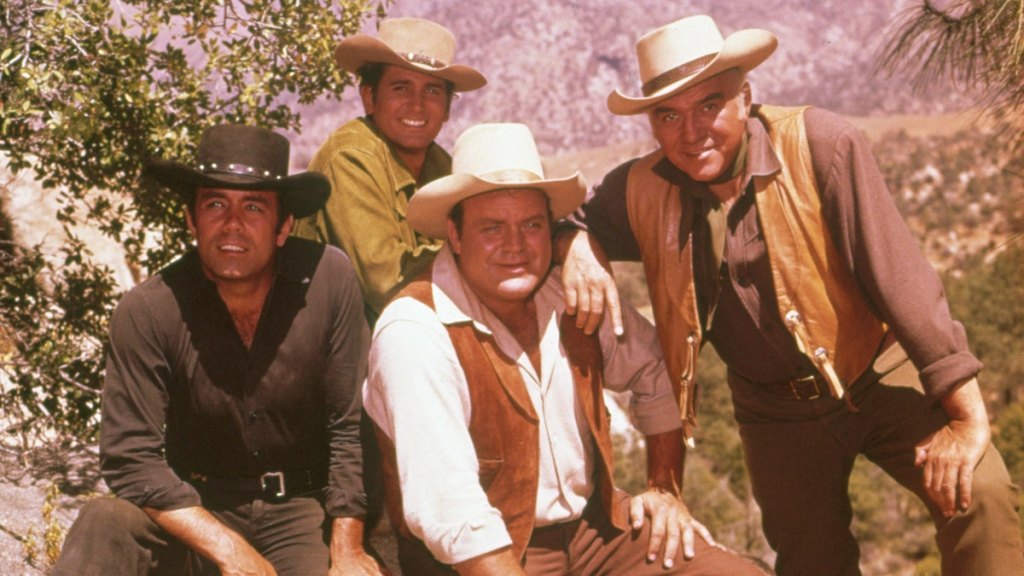
Life after Bonanza: Because of his untimely death, Blocker did not have the opportunity to build a post-Bonanza acting career. However, during his time on the series, he had begun to expand his work into film, appearing in projects such as Come Blow Your Horn and Lady in Cement. These roles suggested a potential for broader character work that was never fully realized.
Personal life: Blocker married Dolphia Parker in 1952, and the couple had four children, including actor Dirk Blocker, who would go on to have a successful television career of his own. Despite his imposing on-screen persona, Blocker was known off-screen as gentle, thoughtful, and highly intelligent—qualities that closely mirrored those of Hoss.
He maintained strong ties to his Texas roots and was respected by colleagues for his integrity and work ethic. His sudden passing left a lasting void not only in the series but in the broader television landscape.
Pernell Roberts (Adam Cartwright)
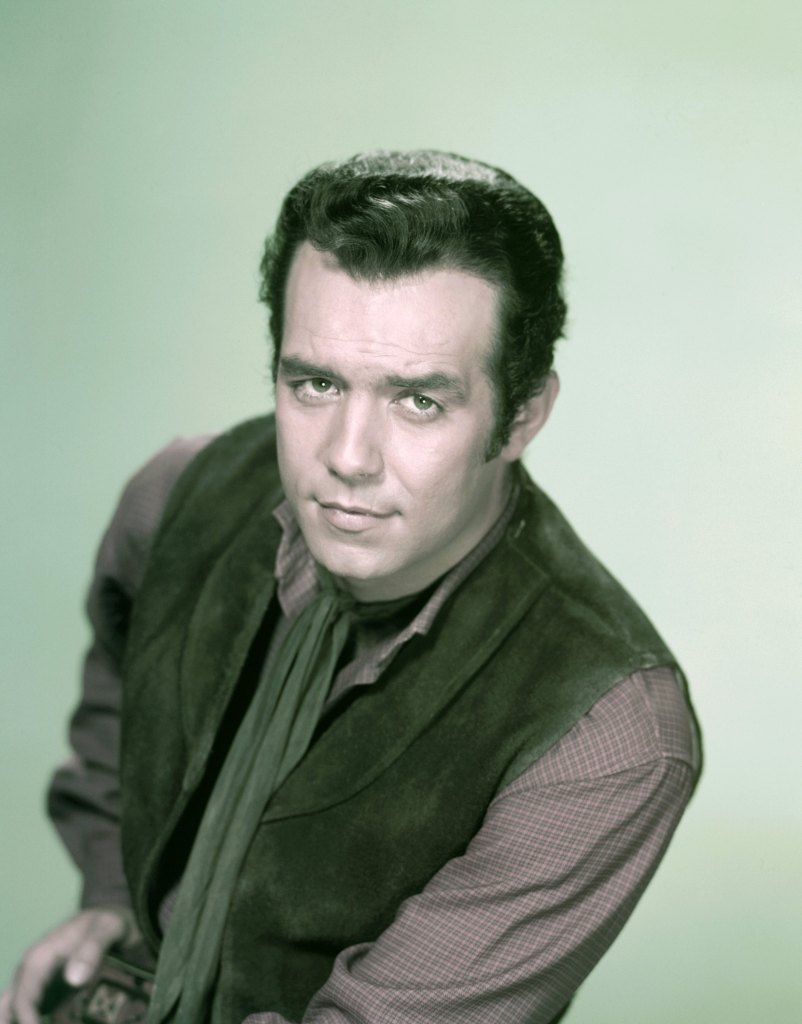
Life before Bonanza: Pernell Roberts brought a strong theatrical background and a distinct intellectual presence to Bonanza, qualities that set him apart from many television actors of the era. Born in Waycross, Georgia, he developed an early interest in performance and music, studying at Georgia Tech and later the University of Maryland, where he studied drama.
Before moving into television, Roberts built a substantial career on stage. He performed in regional theater and on Broadway, including appearances in productions such as Tonight in Samarkand and The King and I. His rich baritone voice also led to opportunities in musical theater, reflecting a versatility that extended beyond straight dramatic roles.
By the 1950s, Roberts had transitioned into film and television, appearing in Westerns and adventure series, including roles in Ride Lonesome and guest appearances on shows like Zane Grey Theatre. When Bonanza was cast, Roberts was chosen to play Adam Cartwright, the eldest son—educated, principled and often more introspective than his brothers.

His Time on Bonanza: As Adam Cartwright, Roberts provided a counterbalance to the more impulsive Little Joe and the gentle Hoss. Adam was written as the most educated of the Cartwright sons—an architect and thinker whose perspective often introduced philosophical and moral complexity into the series. His interactions with Lorne Greene’s Ben Cartwright frequently carried a sense of mutual respect, emphasizing Adam’s role as both son and intellectual equal within the family dynamic.
However, Roberts’ time on Bonanza was also marked by growing dissatisfaction. He became increasingly frustrated with what he perceived as formulaic storytelling and the limited development of his character compared to the show’s broader potential. He was also outspoken about social issues, including civil rights, which sometimes put him at odds with the production environment of the time. After six seasons, Roberts made the decision to leave the series in 1965, becoming the only original Cartwright son to depart voluntarily during the show’s run. His exit was notable, particularly given Bonanza’s rising popularity, and Adam Cartwright was written out without a permanent replacement, leaving a lasting gap in the family structure.
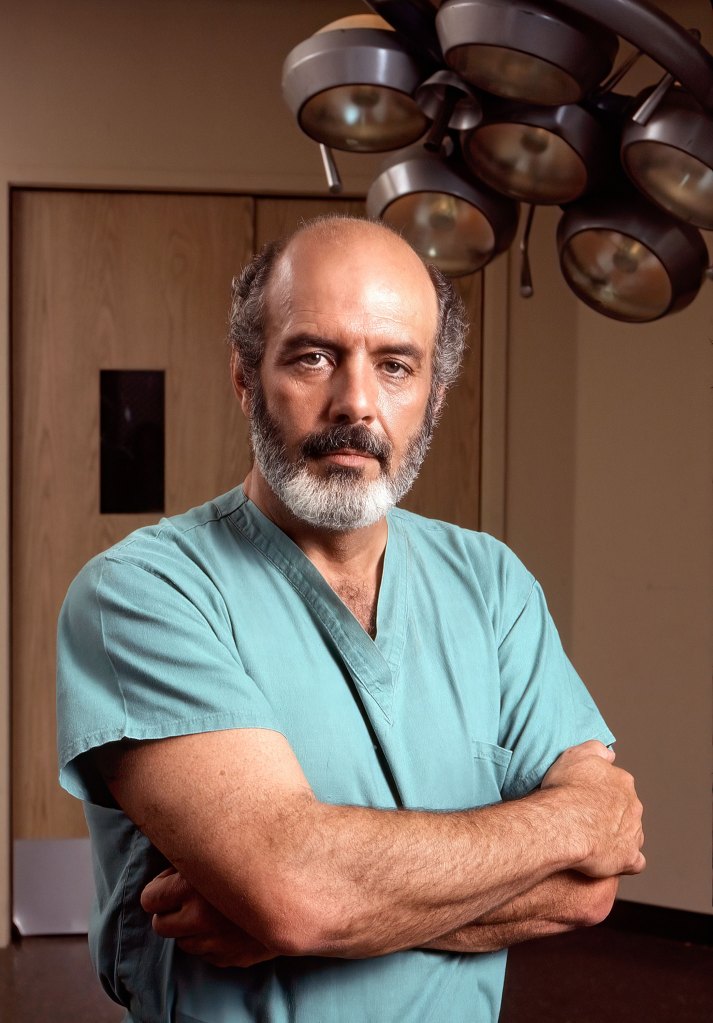

Life after Bonanza: Following his departure from Bonanza, Roberts returned to his theatrical roots, performing extensively on stage in both the United States and abroad. He appeared in productions ranging from Shakespeare to contemporary drama, reaffirming his commitment to serious acting. He also continued working in television, though it took time for him to find another long-running role. That opportunity came in 1979 when he was cast as the title character in Trapper John, M.D.. The series, a spinoff of M*A*S*H, ran for seven seasons and allowed Roberts to headline a successful show on his own terms, portraying a seasoned, compassionate surgeon.
Throughout his later career, Roberts remained selective about his roles, often prioritizing projects that aligned with his artistic and personal values. He also appeared in guest roles and television films, maintaining a steady presence in the industry.
Personal life: Roberts was married four times and had one son. He was known for his strong opinions and willingness to speak out on issues he cared about, including civil rights and social justice. This advocacy was an important part of his identity both during and after his time on Bonanza. Pernell Roberts passed away on January 24, 2010, at the age of 81.
Conversation
All comments are subject to our Community Guidelines. Woman's World does not endorse the opinions and views shared by our readers in our comment sections. Our comments section is a place where readers can engage in healthy, productive, lively, and respectful discussions. Offensive language, hate speech, personal attacks, and/or defamatory statements are not permitted. Advertising or spam is also prohibited.