The Real Lucy and Ethel: The Friendship, Tensions and Truth Behind the ‘I Love Lucy’ Stars Lucille Ball and Vivian Vance
The untold story of fame, pressure and loyalty behind TV’s most iconic comedy duo

Before she ever stepped onto the set of I Love Lucy, Vivian Vance had already lived a life filled with both promise and pain—experiences that would shape not only her career, but her complicated relationship with Lucille Ball. And as pop culture historian Geoffrey Mark, author of The Lucy Book, explains, it began in a way few would expect.
“Vivian Vance received what we would consider today child abuse when she was a child in Cherryvale, Kansas,” he details. “As a teenager, she moved to Albuquerque, New Mexico and joined the little theater there. They thought against her parents’ wishes that she was so talented that they raised money to send Vivian to New York.”
Once there, she began building a career as a performer, first in nightclubs and then on stage and screen, eventually catching the attention of Ethel Merman.
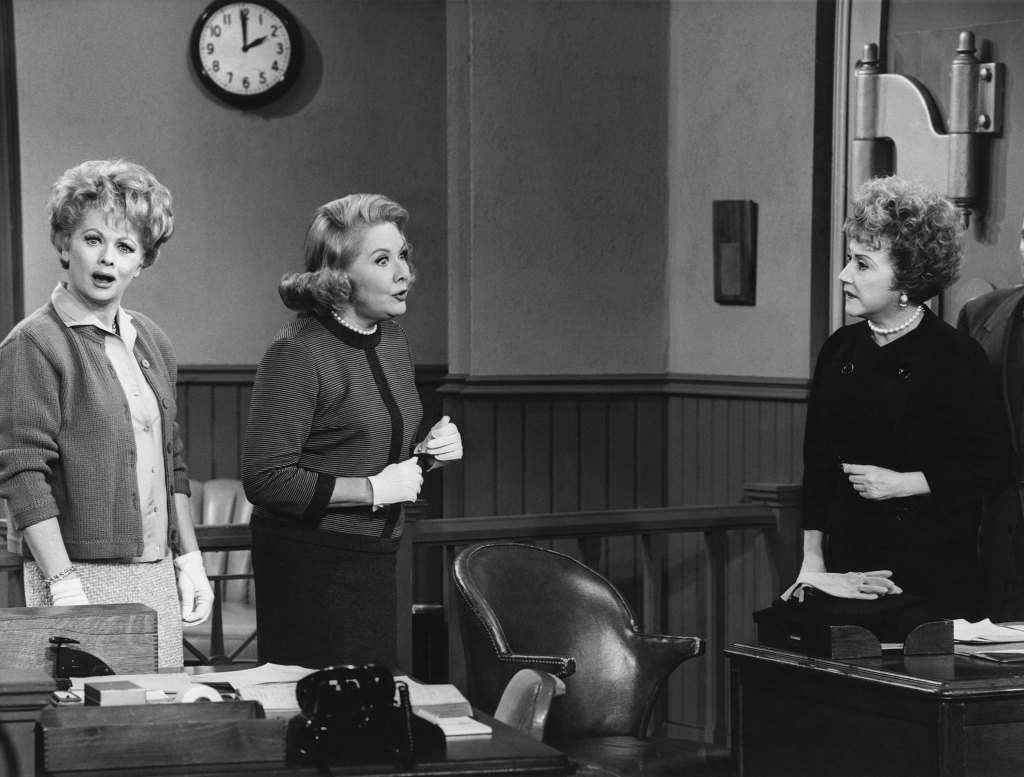
“Vivian gets to New York around 1930, ’31,” says Mark. “She begins to sing at nightclubs. Her big song was ‘Japanese Sandman,’ sung in that soprano-ish little voice of hers. She got cast in the film version of an Ethel Merman musical called Take a Chance. Merman wasn’t put in the film, but Ethel Merman saw it and Vivian became her understudy in Anything Goes—and went on stage, because Merman got sick from time to time. Vivian was Ethel Merman’s understudy in Red Hot and Blue with Bob Hope and Jimmy Durante and went on. So Vivian on Broadway got to sing ‘Anything Goes,’ ‘I Get a Kick Out of You,’ ‘You’re the Top’ and ‘Blow, Gabriel, Blow’… I mean, she was known.”
Sidelined by a nervous breakdown

But even as her career gained momentum, her personal struggles intensified. “Vivian had a nervous breakdown. A bad nervous breakdown and she didn’t work for a couple of year. It was all about her father, about men, about sex—she had baggage,” details Mark. “That’s the important thing to know. She herself said, ‘I was so terrified of men, I spent my entire life hiding underneath them.’”
By the time she was ready to return to acting—with therapy, medication and a determination to rebuild—television was about to change forever. Working from her radio success on My Favorite Husband, Lucille Ball was developing a new series with Desi Arnaz that would become I Love Lucy.
Casting the role of Ethel Mertz proved unexpectedly difficult—until future Star Trek director Marc Daniels suggested Vance, who was appearing in The Voice of the Turtle in La Jolla. Producer Jess Oppenheimer and Desi Arnaz decided to check her out for themselves. Says Mark, “Desi hired her during intermission. That’s how good he thought she was.”
The challenges of ‘I Love Lucy’

If that moment suggested opportunity, the reality of what lay ahead became clear almost immediately. At the first table read, co-star William Frawley made a point of arriving early to demonstrate his professionalism. Vance’s reaction would define their relationship from that moment forward.
“She goes to greet Desi and gives him a kiss on the cheek and says, not in a small voice, ‘Who’s the old coot?’ And Desi says, ‘Oh, that’s the man who’s going to play your husband.’ And she said, ‘He could play my grandfather.’ Bill heard it and never, ever forgave her.”
That off-screen tension would soon become part of the show itself. Explains Mark, “When the writers figured out what the dynamic was, they wrote it into the scripts so that Fred and Ethel aren’t huggy, lovey-dovey people. You watch the very few times they have to kiss or hug, you see how uncomfortable they are with that.”
Her first real encounter with Ball was just as revealing—and would define not only the character of Ethel Mertz, but Vance’s place within the series.

“Ms. Ball shows up in rehearsal with her hair up and a scarf, not glamorous, and walks over to Vivian and says, ‘What are you here to read for?’ There were no other parts in the script. Ms. Ball wasn’t stupid. Vivian said, ‘I’m not reading for anything. I’ve been hired to play Ethel Mertz.’ And Lucille said, ‘You can’t play Ethel Mertz. You have the same hair color I do. You’re young, you’re pretty.’ Vivian said to her, ‘What does Ethel Mertz look like?’ Ms. Ball said, ‘She’s dumpy. Her clothes don’t fit right. She’s not glamorous. She walks clunky. She bleaches her hair herself and has dark roots.’ And Vivian said to her, ‘I can’t give that to you this week, but I can give that to you next week.’”
The transformation into Ethel Mertz was not dictated by contract, despite what has been written over the years. But it was very deliberate.
“That was a gag contract given to her as a birthday present one year. It was never, ever a real contract,” says Mark. “Many moons later on Dinah!, Vivian and Lucille were on together, and Vivian brought out the contract and started reading it to make Ms. Ball laugh. And of course, all the fans thought this was the real contract and all of this mythology about how bad… no, all nonsense.”
A personal transformation

What mattered was the work itself—and the choices Vance made to bring the character to life. “Vivian went to Santa Barbara, where she knew of a really good hair stylist she trusted because she didn’t know Bert French, who was the stylist on the show. Had her hair bleached out blonde—a brassy blonde that her own natural roots would show and you could see the difference. What they did was they bought all of Vivian’s clothing—skirts, house dresses, dresses, jackets, brassieres, panties, stockings, shoes—one size too small, so no matter what weight she was, she was bulging out of her costumes. She didn’t wear a girdle and she didn’t wear glamour makeup. She wore the grease paint necessary to be seen on film. She wore lipstick. She wore eyebrow pencil because otherwise your face would disappear, but there were no false eyelashes, there was no blush, there was no contouring to make her look older than she was.”
The goal was clear: create contrast. “Vivian was 42. Ms. Ball had just turned 40. They wanted Lucy Ricardo to be about 30 and they wanted Ethel Mertz to be pushing 50. That was the look they were going for because they wanted some of the dynamic to be like it was on My Favorite Husband, the older couple giving the younger couple advice on life and love and marriage.”
At first, the show didn’t fully take advantage of what Vance could do. “It took Ms. Ball a while to figure out what an asset Vivian was. They weren’t building episodes around Vivian yet, or really not around Fred and Ethel yet. The early episodes were about Lucy and Ricky, and if Fred and Ethel were needed, they’re there, and if they’re not, they’re not. They’re in almost every episode, but in bigger and smaller parts.”
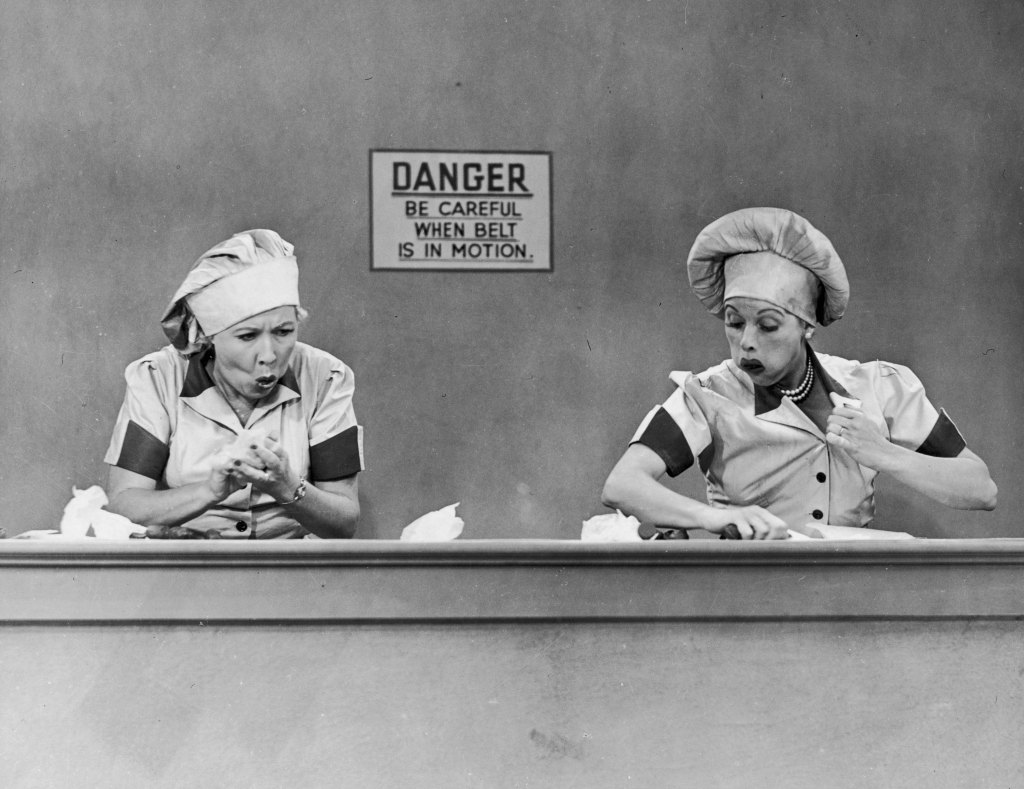
That began to change once the production settled into its rhythm. “Certainly by the time they filmed the candy factory episode, Ms. Ball realized, ‘Wow, I’ve got a heavy hitter here.’”
It was a realization that benefited the show—but complicated things behind the scenes. The writers—Bob Carroll Jr., Madelyn Pugh and Jess Oppenheimer—hadn’t initially understood the full range of their cast’s abilities.
“They didn’t realize that Bill Frawley was an ex-vaudevillian, a vaudeville star who had introduced two hit songs in vaudeville, and didn’t know that Vivian was a musical comedy star. When they found that out just in spending time with them, that’s when scripts came up where Fred and Ethel sang and danced.”
The relationship, good and bad
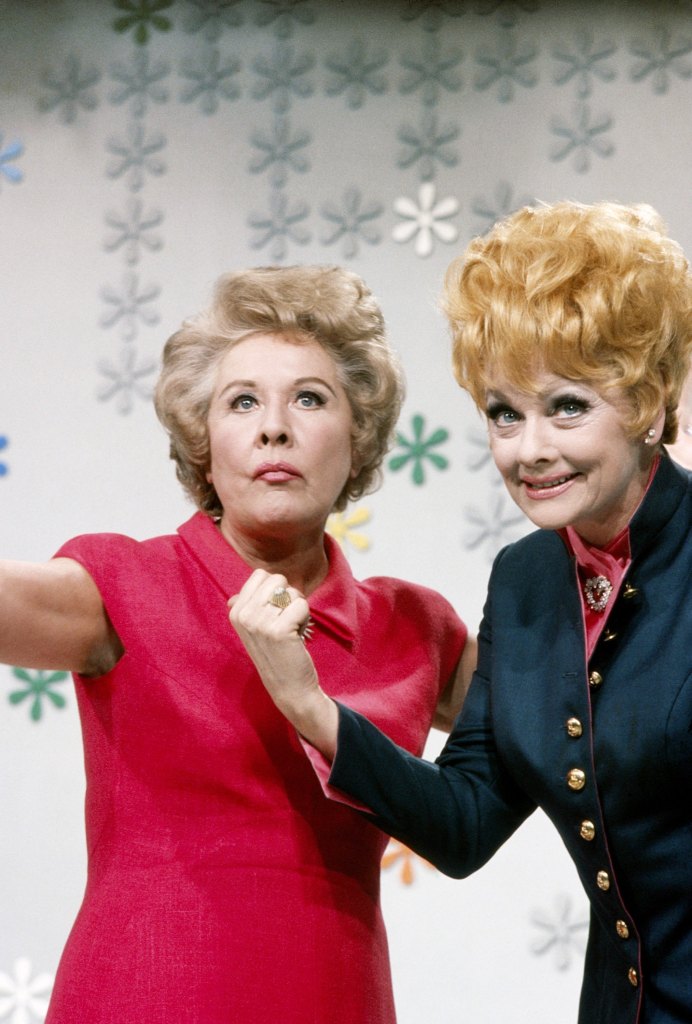
Off camera, the relationship between the two female stars settled into something that was neither simple nor static. “Ms. Ball and Ms. Vance became like sisters. What do sisters do? They love each other, they support each other, they fight, they compete. It was a real sibling-like relationship.”
And like many sibling relationships, it didn’t take much for tensions to surface. One of the most significant clashes came during the second season, when Ball’s pregnancy forced major changes to the production schedule.
“Ms. Ball had already just, literally, eight weeks before the filming of the first episode had had Lucie Arnaz, and in fact the first few episodes she’s still a little pudgy with baby weight. So they knew that Ms. Ball got huge when she got pregnant… so they filmed ahead.”
The adjustments extended to the set itself, where accommodations were made for Ball that others did not share. “They made for Ms. Ball a dressing room on the set, on the sound stage, to change costumes, to fix her hair, to let her put her feet up, to give her a bathroom where everybody else, their dressing rooms were not right there.”
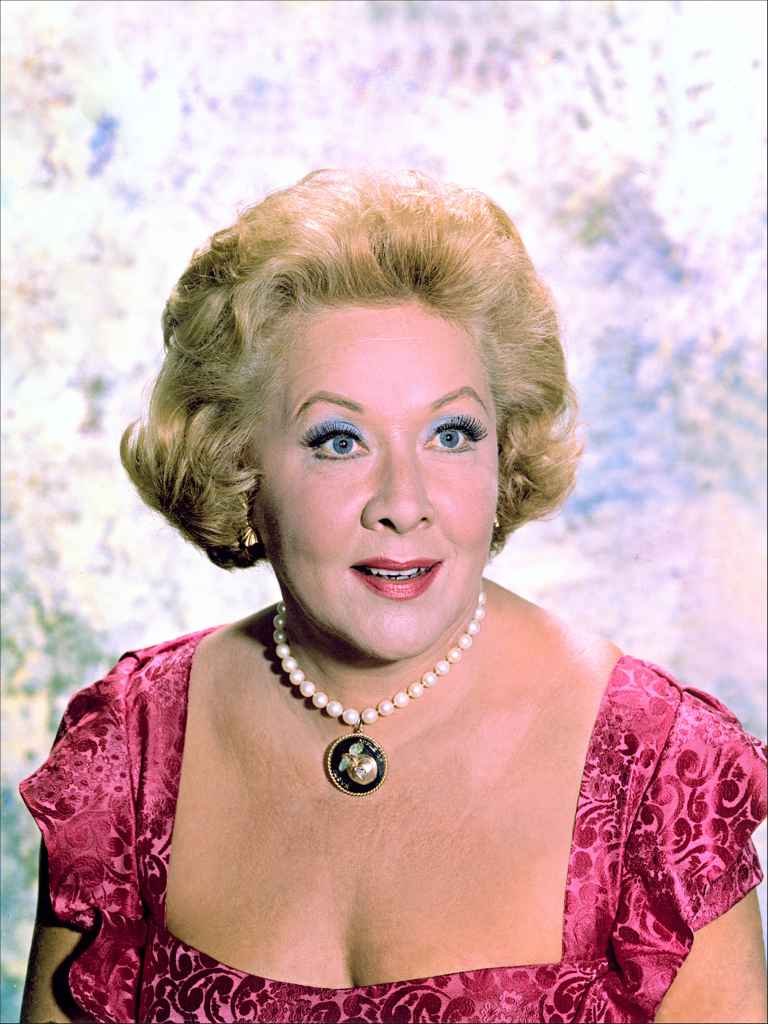
That difference became an issue during a particularly demanding episode. “In one of the pregnancy episodes, Vivian had to do a fast change… Ms. Ball insisted the show be filmed as close to a live stage show as possible, meaning she wanted the interval between scenes to be very short. In this episode, Vivian has to change costumes like three different times. Ms. Ball changed quickly because she was right there. Well, Vivian had to run, change, change hair, change makeup, change costume, run back, and was late.”
Ball confronted her backstage. “You’re late. You’ve kept the audience waiting.” Vance’s response was immediate—and explosive. “I’d tell you to go f**k yourself, but your husband already took care of that.”
They didn’t speak much for the rest of that week. “There’d be weeks where they would bump heads. There were weeks when Vivian complained about Bill’s behavior. There were weeks when Vivian felt she wasn’t given enough time to rehearse the musical stuff because she wanted to be good. And Vivian was a superb actress; she was not in any way Ethel Mertz. Vivian, up until I Love Lucy, had played glamorous other-woman parts, not frumpy anything. She was the femme fatale who lured handsome men away from their wives.”
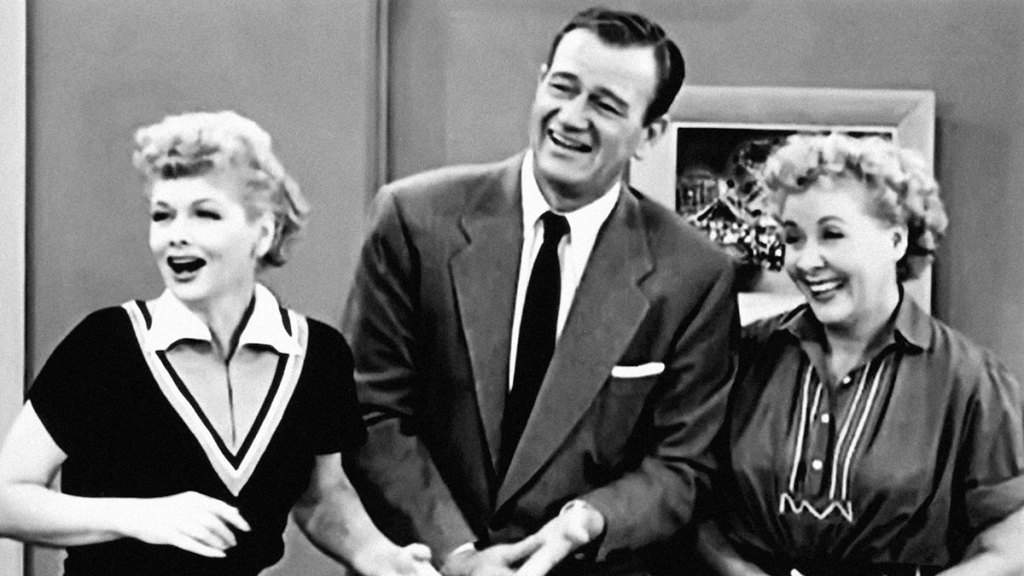
At the same time, the pressure of the show’s success—and her own internal struggles—never fully eased. “Vivian went almost every day to her psychiatrist before going to the set. So the mental health issue was still there. She was handling it. It didn’t just disappear. But working on a show in the beginning was a lot of hard work because they were inventing it as they were going along. Then it was a lot of pressure because by the time Season 2 comes along, it’s the biggest show in the world. But no matter how good she was on the show, Ms. Ball got all the attention.”
As the series evolved into its later years, the balance that had once defined I Love Lucy began to shift. “When the series ended, in the last three years of the ’50s, they did 13 hour-long versions of the show. In those hour episodes, with one or two exceptions, the closer we get to 1960, the smaller the parts Fred and Ethel have. And Vivian’s resenting that because, like, ‘Hey, I was a co-star. Now you have all these guest stars coming in.’”
At the same time, her personal life was unraveling. “Vivian was having marital problems. The man she was married to… they got divorced. Vivian remarried when the show ended. John Dodds was a literary agent and they moved to Connecticut, where she got very involved in the Connecticut Mental Health Association.”
‘The Lucy Show’
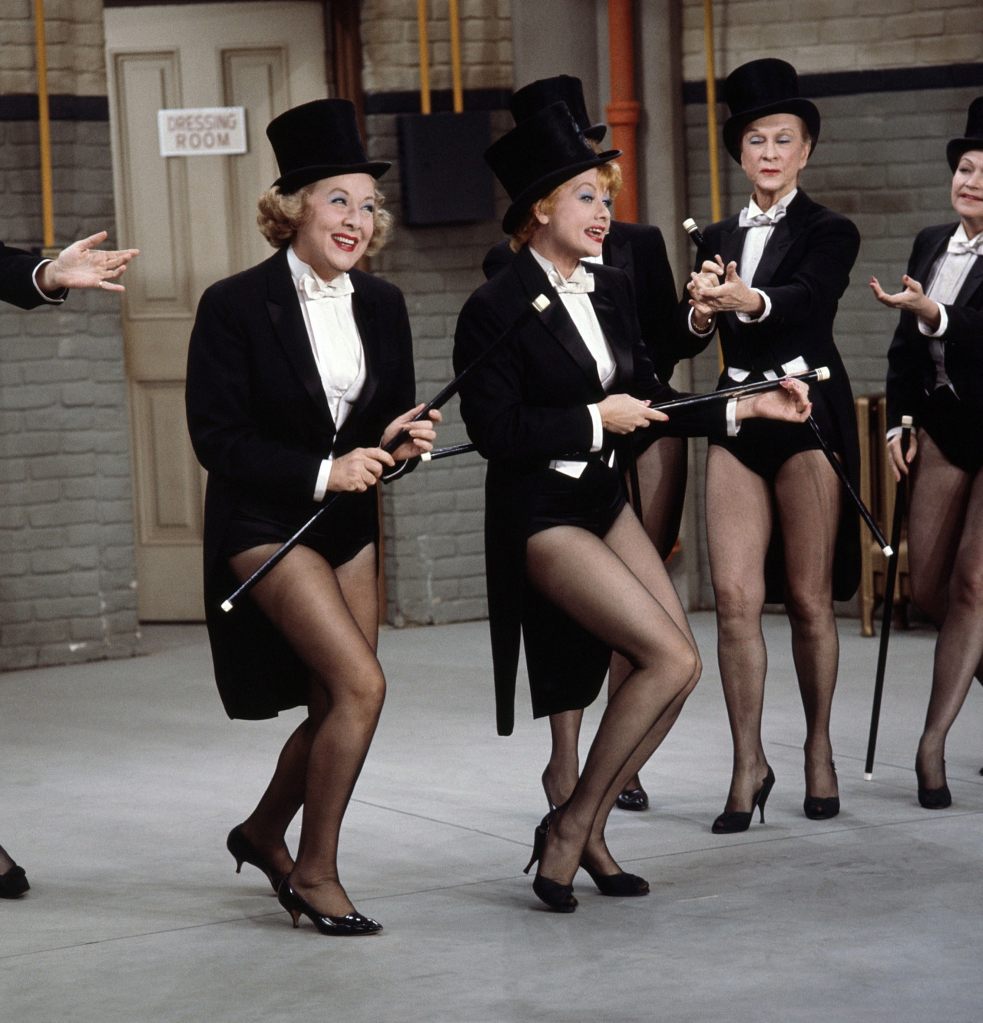
Meanwhile, major changes were taking place behind the scenes. “Lucille and Desi divorce. Ms. Ball does movies with Bob Hope. She goes on Broadway with Wildcat. But the powers that be at Desilu decide they need to bring Lucille Ball back to television because the studio was floundering. Television tastes were changing. The sitcoms they were producing weren’t selling anymore.”
That decision led to The Lucy Show—and to Ms. Ball’s insistence that Vance be part of it. “Lucille Ball did not understand how she could possibly do the show without Vivian. It’s, like, we’re losing Desi, Bill and Vivian are never going to work together again.”
Bringing Vance back, however, came with complications. “Vivian, back in 1960, did not want to uproot her life, so Lucille had to spend a lot of money to get her. And for almost three seasons, Vivian kept her Connecticut home and flew to California to do the show and then flew home. It was exhausting for her.”
Even so, Vance saw an opportunity to redefine herself. “She insisted that although Lucy Carmichael was an awful lot like Lucy Ricardo, that Vivian Bagley be nothing like Ethel Mertz. She wanted Vivian to have money. She wanted Vivian Bagley to wear clothing that fit. She wanted a glamorous hairstyle. She wanted glamour makeup.”
But the same contradictions that had followed her throughout her career remained. “Irony and karma worked very hard. Vivian actually did begin gaining weight and getting fat, and they didn’t need to do anything to show the physical difference between Ms. Ball and Ms. Vance. She didn’t look as good at this point.”
Behind the scenes, the show itself was changing—and not always for the better. “Lucille had had a falling out with her original writers… Bob and Madeline… and they walked away. Or they were fired, depending how you want to look at it. It was an angrier falling out than other books tell.”
The shift in creative leadership had a noticeable impact. “Well, now the show was kind of adrift,” Mark points out. “The kids barely exist in that third season. There are entire episodes where they’re just not there anymore. Vivian, seeing that the quality of the show and the quality of the scripts was going down, got into Ms. Ball’s face a little bit. She said, ‘Lucille, look what we’re doing here. These scripts are awful. There’s not enough of the episodes that really feature me. I’m flying in every week to be with you.’”
At the same time, the focus of the series was shifting toward other characters. “In the third season, all of a sudden it was like Lucy and Gale Gordon, and Vivian was around someplace.”
Vance pushed for changes—but those efforts were misunderstood. “What Vivian asked for was more money, creative input into the show—not to be a partner, not to push her out of the way. But it was mis-sold that way to Ms. Ball by the men who had taken over for Desi Arnaz, because they were professional enough that you let your agents talk… well, they should have done it themselves. What happened was they wrote Vivian out. Vivian just said, ‘Well, fine then,’ and left.”
Her absence was handled carefully on screen. “They brought in Ann Sothern as a character called Countess Framboise and they staggered the Vivian Vance episodes so you don’t notice that she’s gone.”
Off-screen, the relationship between the two women cooled. “Ms. Vance thought that she was being greatly mistreated, under-appreciated and underutilized… this is a woman in her 50s flying back and forth every week and it’s not like she’s on a private plane. It’s her on a commercial airplane… 23 or 24 weeks out of the year.”
On her own
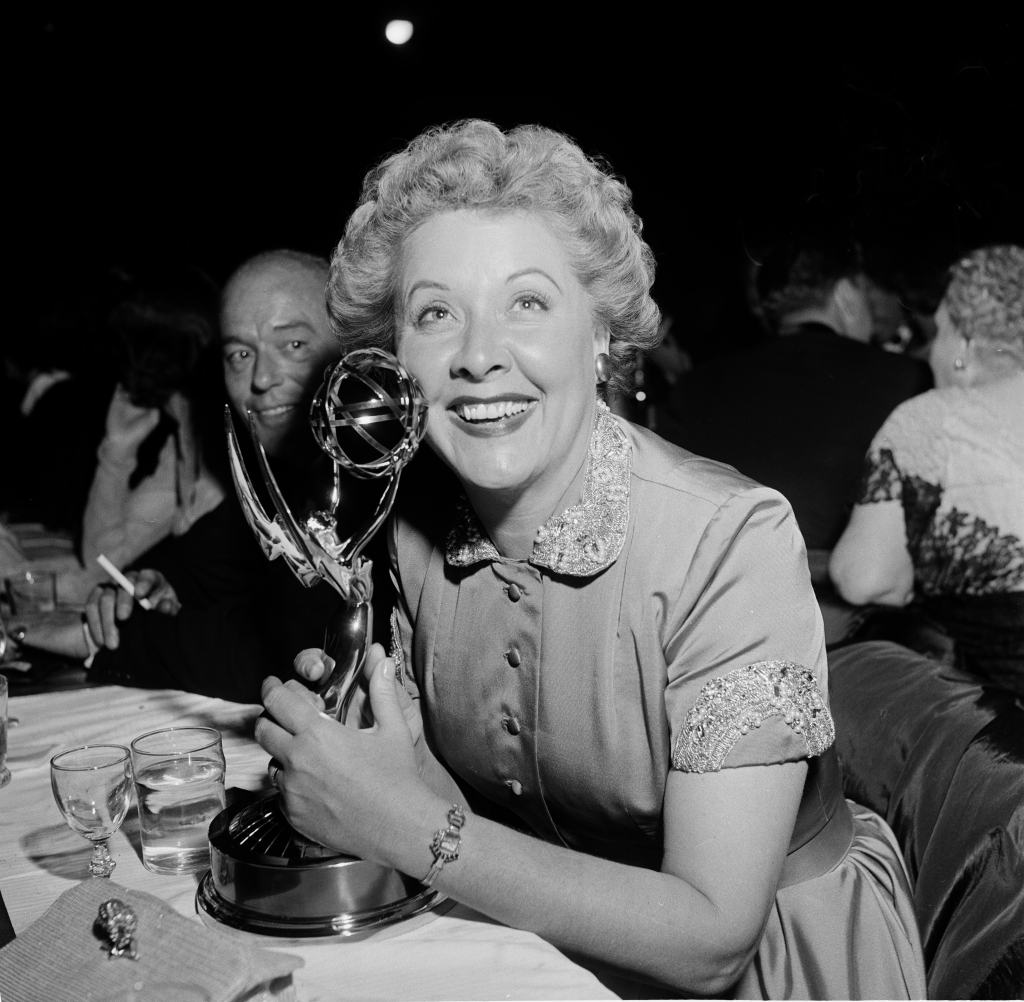
Eventually, however, the distance between them began to close. “Cooler heads prevailed and Ms. Ball reached out to Ms. Vance, and they agreed between them that they really couldn’t bring Vivian Bagley back full-time… but wouldn’t it be nice if Vivian came back once or twice or three times a year and did a guest star as the character? And that’s what they did.”
Even then, the underlying tension never fully disappeared. Suggests Mark, “Ethel Mertz helped her mental health and hurt her mental health. Lucille Ball helped her mental health and hurt her mental health. It’s not Ms. Ball’s fault. These are the issues that Vivian Vance was dealing with anyway… the very same things that helped exacerbate the darker parts of things.”
After leaving the show, Vance struggled to find the kind of work she had hoped would follow. “That didn’t happen… she was doing Password and other game shows, doing Johnny Carson when he was in New York, doing Joan Rivers… but she wasn’t working the way she wanted, the way she hoped she would, given that she was an Emmy Award winner.”
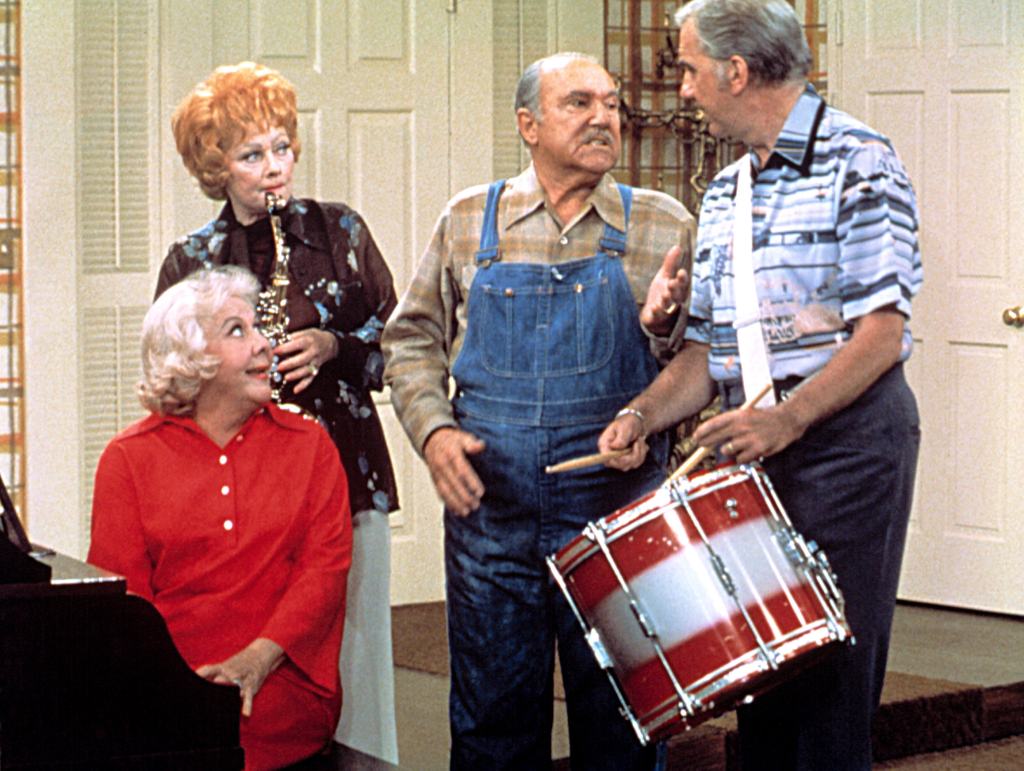

The final chapter of their story together came years later. “The last of the Lucy Ricardo-ish shows they did was a Lucy special from 1977 called Lucy Calls the President. It’s the last time they worked together.”
By then, Vance was seriously ill with cancer and their relationship came full circle. “From what I understand,’ Ms. Ball was there for her emotionally at the end, went to see her… When push came to shove they were there for each other.”
For Geoffrey Mark, that is the story—not a simple tale of rivalry or resentment, but something far more human and identifiable. “We’re dealing with mental health… a woman honestly trying to get better, and the relationship because of that was complicated. And how Vivian saw herself was complicated. Both the ego of ‘I should be this and I should be that,’ and the other side of the coin where she didn’t think she was worthy of anything. In 1976, Variety saluted the 25th anniversary of I Love Lucy. Vivian Vance took out an ad that read, ‘You made me what I am today. And I am satisfied.'”
Conversation
All comments are subject to our Community Guidelines. Woman's World does not endorse the opinions and views shared by our readers in our comment sections. Our comments section is a place where readers can engage in healthy, productive, lively, and respectful discussions. Offensive language, hate speech, personal attacks, and/or defamatory statements are not permitted. Advertising or spam is also prohibited.