50 Years Later, ‘Carrie’ Remains Stephen King’s Most Tragic Horror Story Ever
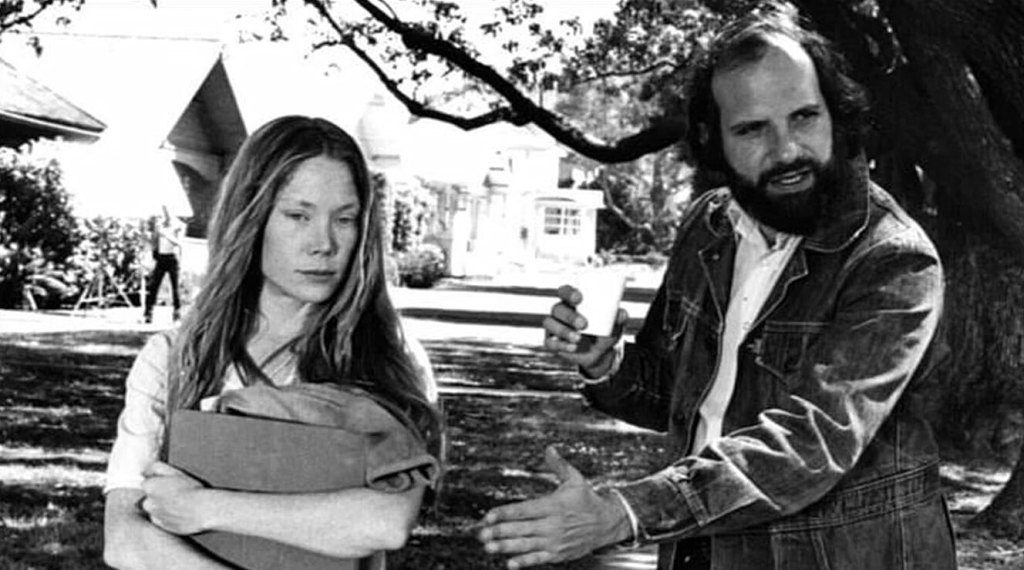
Sissy Spacek and director Brian De Palma turned Stephen King’s debut into a cinematic landmark

Key Takeaways
- 'Carrie' turned Stephen King’s first novel into a horror masterpiece.
- Fifty years later, 'Carrie' remains one of horror’s most haunting films.
- The film’s themes of bullying and trauma still resonate with audiences.
There have literally been hundreds of adaptations of Stephen King’s work over the decades, ranging from classics like The Shining, Stand by Me and Misery to projects that have faded quickly from memory. Yet 50 years after its release, Brian De Palma’s Carrie still stands as one of the strongest—and most influential—King adaptations ever made.
That’s particularly impressive when you consider it was the first film adaptation of King’s work, arriving before audiences had any sense of the cinematic empire his stories would eventually create. But according to Ian Nathan, author of Stephen King at the Movies, part of what makes Carrie endure is that King built something unusually rich into his very first published novel.
“I think that what captures the imagination with Carrie is that it manages to be two things at once,” he suggests in an exclusive interview with Woman’s World. “I don’t know if King knew consciously that he was doing this, but he’s doing the horror story with the awakening of psychokinetic powers and the confusion that comes with that, the religious mother, the idea of oppression and all those kinds of things; but he’s doing the teen high school story as well.”
“It develops the idea that horror films work best with teens and for teens in the audience,” Nathan continues. “And if you can make it relatable, then teens will get as much out of it as possible. High school is hell. Everybody knows the idea of being the outsider—we all consider ourselves outsiders. It’s a kind of pivotal element of King’s fiction, his study of the outsider. And Carrie is the original one. She gets the chance to be vengeful, to turn on her bullies, to turn on those who’ve been so cruel to her, but also destroys her humanity in the process. So it has such lovely equalities to it. It’s a very relatable story; it’s a great horror story. And it’s a complex look at human nature as well—vengeance and what we desire, the evil within us.”
More than a movie monster
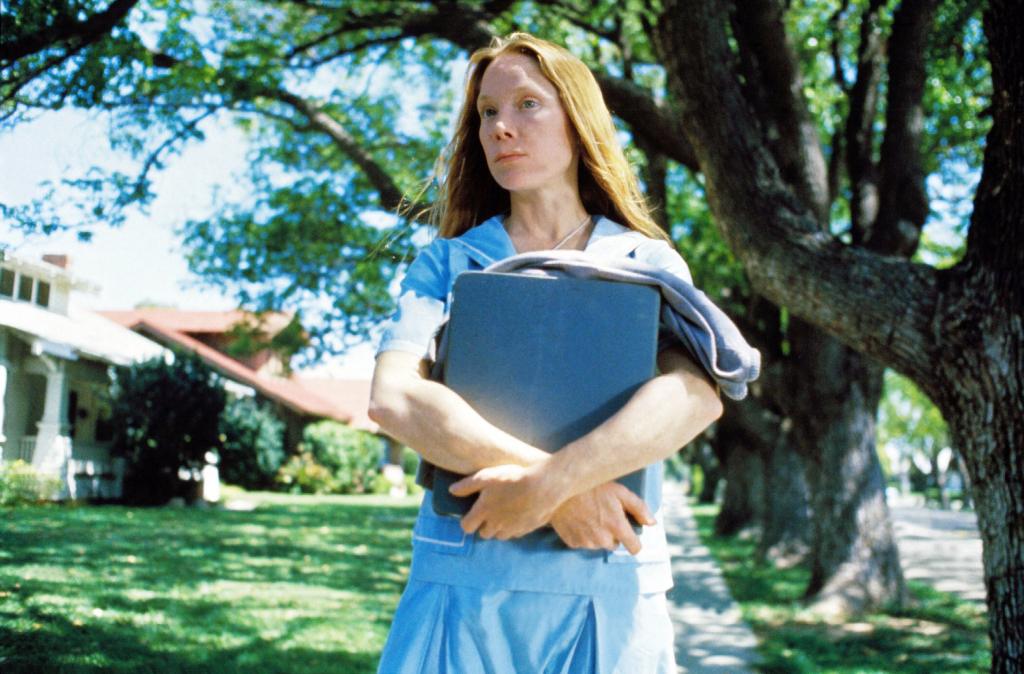
That complexity is what keeps Carrie White (portrayed by Sissy Spacek in the film) from ever becoming just another movie monster. Even at her most terrifying, there’s tragedy in everything she does. Nathan sees that as central to the story’s emotional power.
“She’s looking for a haven and she’s looking for something her mother has never given her. She’s got nowhere to turn. Even at home, she doesn’t get love and affection. She has this cold, brutal mother, a religious zealot. I think in that final moment, she’s trying… ‘Even after all this has been done to me, now, Mommy, will you help me?’ She still doesn’t. King is sort of saying that evil is made by the environment and it’s made by the people around you, and it’s made by your upbringing. In Carrie’s case, she’s been created by this world, and that’s the horror of it. We understand what’s happened to her and we understand how that happens.”
Nathan believes De Palma’s film actually improves on King’s novel by stripping away the book’s more elaborate structure and placing the emotional focus squarely on Carrie herself. “I think it does surpass the novel, and King agrees with this because he’s said it was a young man’s book. If you read the book, it’s heavily influenced by Dracula. It’s almost epistolary. It’s made of police reports and police interviews and newsprint and all these kinds of things. What De Palma does is concentrate it. He strips away all the police reports and all the different elements of the narrative, and De Palma really centralizes the story on Carrie herself.
“He makes the nature of her power more symbolic. In King’s book, there’s a hint that it may be genetic. De Palma just goes fully into the idea that it’s a coming of age. It’s at the point where she becomes a woman—or is on her way to becoming a woman—that the powers emerge. It’s tied up with a very relatable idea. Anyone going into teenage years is not sure who they are themselves anymore. Suddenly your feelings are different and your hormones are raging and you feel discontent in your own body. That incredible transformation you go through is given this extraordinary horror metaphor in Carrie.”
Just as importantly, Carrie gave De Palma the perfect canvas for his visual style. “Once you have a character who’s flamboyant in what they can do with the world through their brain, that gives De Palma license to be who he kind of is. To go with the split screens, to go with the primary colors, the play on the Psycho soundtrack, all the little twists, all the visual elements that make De Palma De Palma. They were great for each other, I think. Carrie really helps De Palma be who he is without breaking the bounds of his film. It brings out the best in him because it holds him in place. Restrictions can help. Rules can help. And I think it’s among some of the best of De Palma’s work because he’s got to obey the rules of this novel.”

Then there’s Sissy Spacek, whose performance remains the emotional center of the film. Interestingly, she wasn’t remotely what the author originally described on the page. “In King’s world, she’s a plump girl. He calls her a plain pudding, but Sissy Spacek looks different. She’s so thin and frail. She’s like porcelain with that pale skin. She looks like she’s come from the 17th century or something. She comes from Salem. She has that aura about her that helps De Palma sell the idea that she’s a bit weird and alien in this environment.
“I love the idea that the high school and her home are virtually in different genres. The high school is very realistic and certainly to the time. And at home, it could be something from the 16th century. It’s like a Renaissance painting. And she really owned the part from the very beginning.”
What Spacek brought to Carrie went far beyond fragility, Nathan viewing it as a deeper quality. “There’s always more to a victim than we think. There’s more to them, and there is a kind of backbone somewhere underneath it all.”
Lasting impact
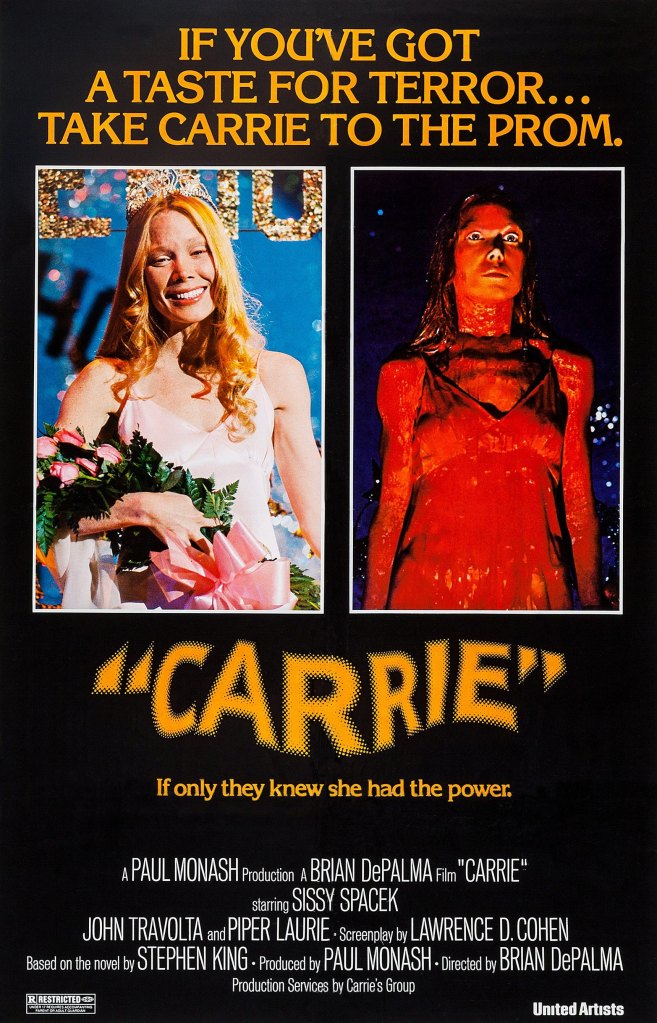
The influence of Carrie on horror is difficult to overstate, with Nathan believing that iits DNA can be seen in everything from slasher films to teen horror television. “Without Carrie, do we get the slasher movie? I know you can argue it came from Psycho, but without Carrie, do we get the sense of marrying high school and horror together? There’s now a genre in itself, isn’t there? It completely woke that whole side of how you did horror. Halloween, Friday the 13th, right through to Freddy Krueger and beyond—you can see the ingredients there.”
He also points to the film’s famous final shock—the hand erupting from the grave—as another lasting contribution. “That sting in the tail has become almost part of the language of modern horror. You can’t rest your film at the point where the final girl has won the day, because there’s always something else to add, some extra beat. I think you can probably say that begins with Carrie.”
Even after sequels, remakes and endless reinterpretations, Nathan sees the continued fascination with Carrie as proof of the story’s enduring power. “What it does show you is the cultural resonance that Carrie has had. Everybody gets what that is and it’s really left its impression upon culture.”
The best measure of Carrie’s lasting power may be that half a century later, it still shocks, still resonates and still feels painfully human. Part of what also makes Carrie fascinating in retrospect is where it landed in Brian De Palma’s career.

By 1976, De Palma was already regarded as one of the rising filmmakers of the New Hollywood generation, but he hadn’t yet had the breakthrough hit that would cement him commercially. Nathan sees Carrie as the film that finally brought together De Palma’s instincts as a visual stylist with material that could connect with a mass audience. “The interesting thing—the joke about De Palma—is that he was the movie brat with the most talent, but the worst taste,” Nathan says with a laugh. “Carrie was so lucky for him because he didn’t always have a nose for the right script.
“He needed a hit,” he elaborates. “He was swerving good scripts to make these kind of crazy films that he made, which may be what makes him him. So in a sense, yeah, Carrie isn’t exactly a New Hollywood film, but it also kind of is. It’s 1976. It’s sort of the end of the era, but it’s still going on. It does things in an unusual way. It doesn’t tackle genre traditionally. Certainly in formal terms, it breaks up the way genre works with all of De Palma’s visual games. It has a heroine who is morally ambiguous. It has the realism with which it depicts the school. That opening sequence—you wouldn’t have seen that in the ’50s or ’60s. That’s a very New Hollywood way of tackling the material.”
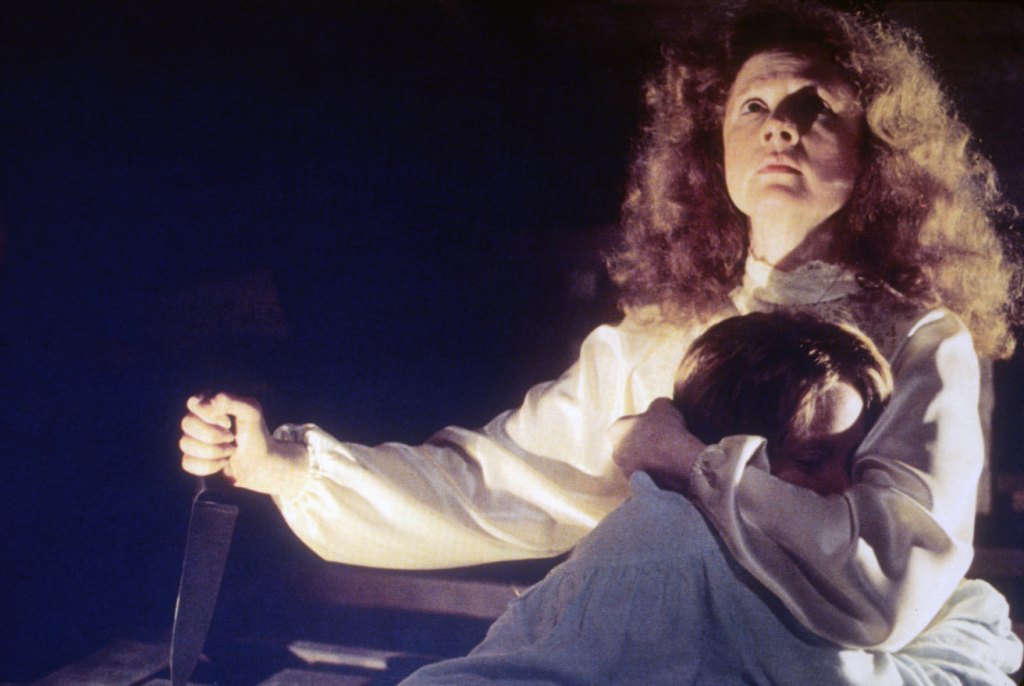
As much as Carrie became a major moment for De Palma and a defining performance for Sissy Spacek, there was someone else who perhaps benefited even more. “The person who gained the most from Carrie was Stephen King in commercial terms,” points out Nathan. “He would happily say, ‘Carrie made me.’ He was very grateful to the film and very open about his praise of it. As much as it changed his book and cut things out, he understood what it had done for him. I’m sure he still would’ve become a major writer, but Carrie was the catalyst. Then in quick succession you got Salem’s Lot, The Shining and The Dead Zone, and it all ballooned from that moment.”
Every version of the story
Carrie (1976)
Directed by Brian De Palma, the original adaptation of Stephen King’s debut novel remains the definitive version of Carrie. Starring Sissy Spacek as Carrie White and Piper Laurie as her fanatically religious mother, the film balanced psychological tragedy with supernatural horror. Its legendary prom sequence remains one of horror cinema’s most unforgettable moments.
The Rage: Carrie 2 (1999)
Released more than two decades later, The Rage: Carrie 2 served as a sequel set in the same universe as the 1976 film. Starring Emily Bergl, the story followed another troubled teen with telekinetic powers. The film updated the themes of bullying and revenge for the late ’90s, though it never came close to matching the impact of the original.
Carrie (2002)
NBC reimagined Carrie as a television movie starring Angela Bettis in the title role and Julianne Moore— correction: Patricia Clarkson as Margaret White. This version stayed closer to Stephen King’s novel than the 1976 film, restoring many of the book’s details and expanding the story. It was originally intended to launch an ongoing TV series, but that never materialized.
Carrie (2013)

Directed by Kimberly Peirce, this remake starred Chloë Grace Moretz as Carrie and Julianne Moore as Margaret White. The film updated the story for the social media era, incorporating cyberbullying and viral humiliation into Carrie’s tragic descent. While the performances were praised, the film received mixed reviews and struggled to escape comparisons to De Palma’s classic.
The Upcoming TV Series
A new adaptation of Carrie is currently in development as a television series from Mike Flanagan. Known for emotionally rich horror projects like The Haunting of Hill House and Midnight Mass, Flanagan is widely seen as an ideal creative fit for Stephen King’s story. The project remains in development, but anticipation is already high.
Conversation
All comments are subject to our Community Guidelines. Woman's World does not endorse the opinions and views shared by our readers in our comment sections. Our comments section is a place where readers can engage in healthy, productive, lively, and respectful discussions. Offensive language, hate speech, personal attacks, and/or defamatory statements are not permitted. Advertising or spam is also prohibited.