‘We Couldn’t Afford to Buy the Alaïa’: The Untold Style Secrets of ‘Clueless’—30 Years After the Iconic Film (EXCLUSIVE)
Costume designer Mona May dishes on behind-the-scenes secrets—plus, Alicia Silverstone's unforgettable yellow plaid suit!

Few films have had as big an impact on fashion as Clueless. The iconic 1995 teen movie, which celebrated its 30th anniversary earlier this year, won over multiple generations of viewers with its witty dialogue, charismatic cast (including Alicia Silverstone, Stacey Dash, Brittany Murphy and Paul Rudd) and colorful aesthetic. The eternally quotable film, written and directed by Amy Heckerling, remains an eternal source of fashion inspiration, too.
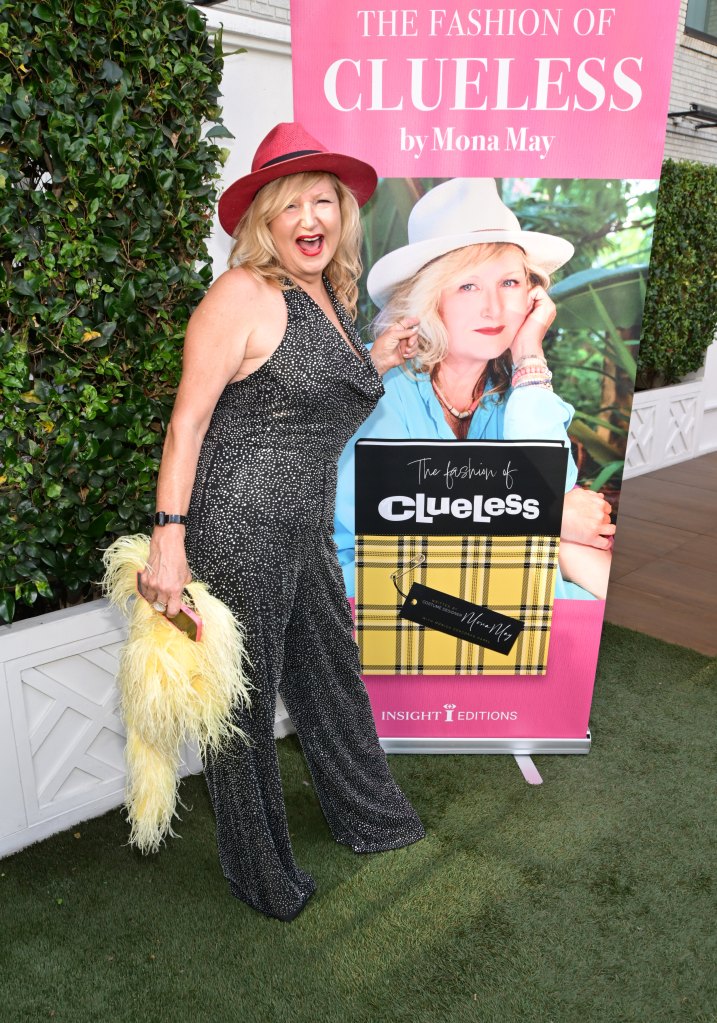
In honor of Clueless’ milestone anniversary, the film’s costume designer, Mona May, just published The Fashion of Clueless, a gorgeous coffee table book featuring rare behind-the-scenes photos, costume sketches and fascinating insights on how the movie’s delightful fashions were brought to life.
May has a reputation as one of Hollywood’s most joyful costume designers, as in addition to Clueless, she’s worked on other fun films like Romy and Michele’s High School Reunion, The Wedding Singer, Never Been Kissed, Enchanted and The House Bunny. “My career has been really female-centric, and I pride myself on that. I’m the go-to girl for the girly stuff, and I do it well,” the designer says with a smile.
Alicia’s favorite look was actually the green empire-waist dress that she wore at the mall. The silhouette was a bit of a nod to Emma
Mona May sat down with Woman’s World to discuss creating a stylized cinematic world with Amy Heckerling and a cast of rising stars, Clueless’ fashion legacy, how she came up with Alicia Silverstone’s iconic yellow plaid suit and more.

Woman’s World: What was the process of putting your book together like?
Mona May: Costume design books aren’t that easy to do because the studios own all the pictures, but this was done in collaboration with Paramount, so they gave me all the behind-the-scenes material and the stuff that they found in their vault. Some of the Polaroids in the book had never been published before, and I hadn’t seen them in 30 years. We found them really last-minute and actually had to delay the publication by two weeks, because when we found them, we were like, “Oh, my God, we have to put these in! This is crazy!” It’s like a yearbook filled with collages and sketches. It’s very nostalgic, and it follows the same continuity as the movie, going from the beginning to the end, but you can still open it to any chapter and dive in.
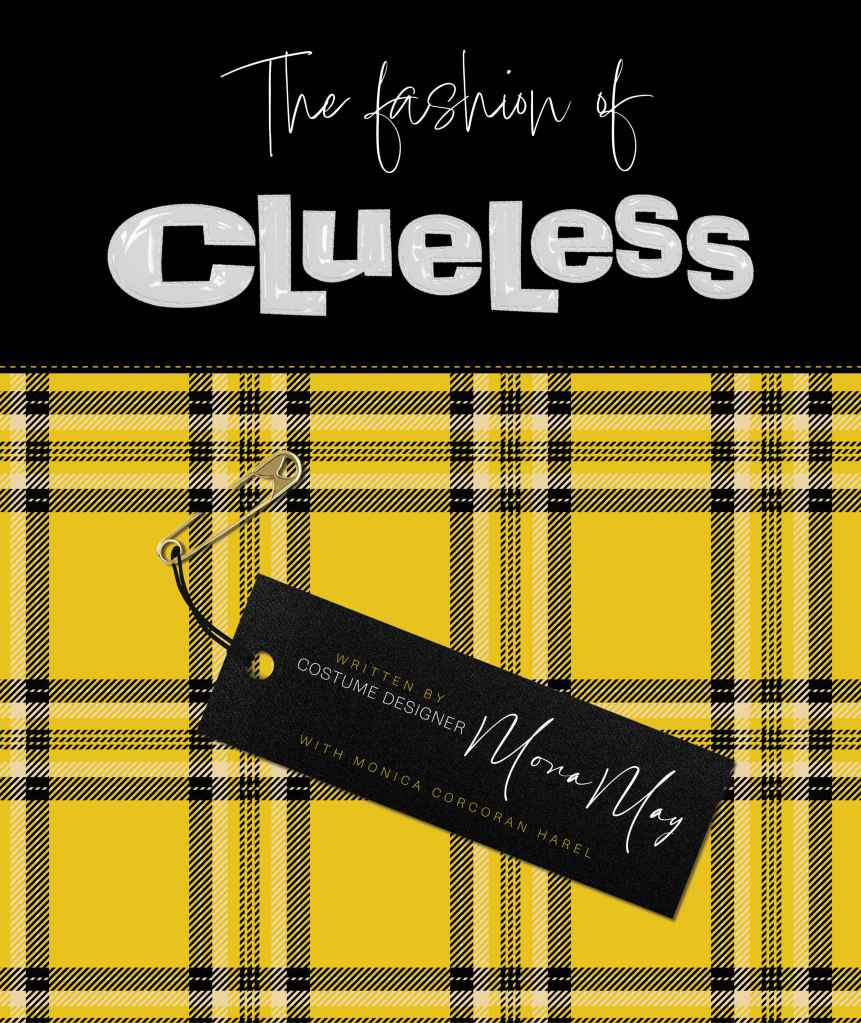
Everyone shared their memories, which was really delightful. Amy Heckerling wrote the foreword. We’re like a family. The movie brought us together at an important time of our lives where we were all very young and just starting out in the industry, so we really bonded. This book has been 30 years in the making, and I wanted to honor the movie and the costumes. I hope that it can inspire women to dress more fun, to take risks and to identify with the characters. You can choose to be your own leading lady.
WW: How did you get involved with ‘Clueless,’ and what drew you to the project?
MM: Even though I designed it in the ’90s, I came from Europe and trained as a fashion designer, so I wanted it to be timeless and chic. The costumes aren’t outdated. It’s nostalgic, and the ’90s are back, but I approach costume design from a more global point of view. I was born in India and grew up in Poland and Germany, and then I studied in France, Milan and London, and that’s why Amy hired me. We met on a pilot that didn’t get picked up, and she knew that I had the right eye for it. I love color, and she wanted to make the movie super colorful.
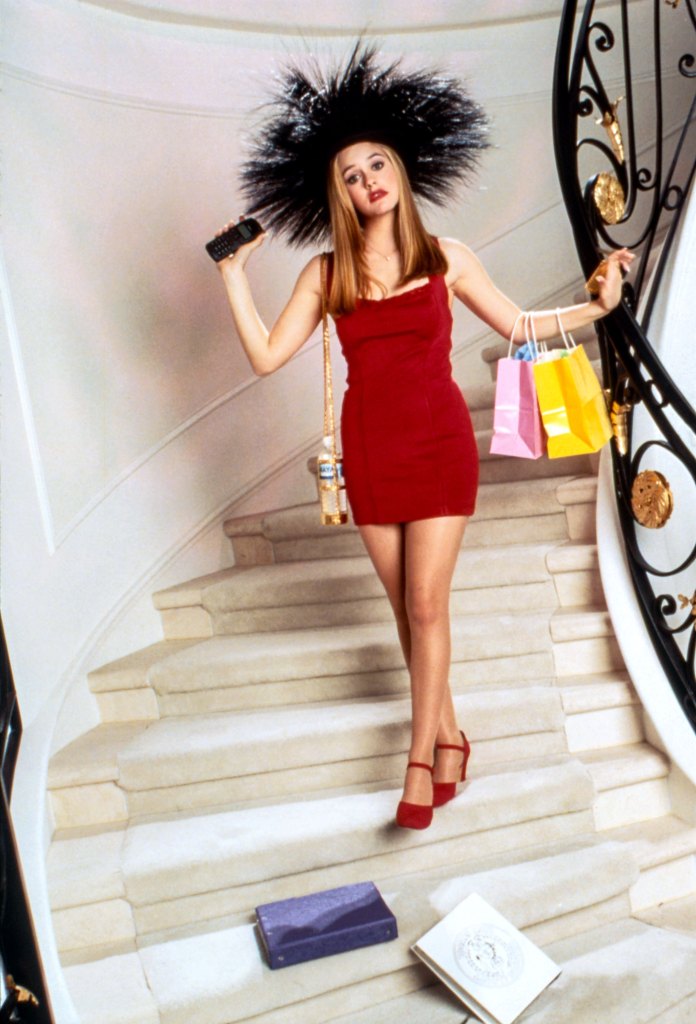
When we were prepping the movie, everybody was dressing grunge. Our antidote to that was making the fashion in the movie really girly. At the time, there weren’t many movies about girls, so this was our chance. Nobody wanted to make a movie about girls. Amy went around to all the studios, and they passed, but then she got to Paramount, which was run by a woman, Sherry Lansing, at the time. But still, we didn’t get a lot of money—we couldn’t even afford to buy the Alaïa dress Alicia Silverstone wore! We had to borrow it. In a way, having a lower budget was a blessing because the superpowers weren’t breathing down our neck, so we could do anything. Amy was so creative as a director and she really hired the right people.
WW: What was your collaboration with Amy Heckerling like, and how much of the aesthetic was already written into her screenplay?
MM: Amy has a great sense of fashion, and when we first met on the pilot, we were bringing all the same tear sheets for inspiration. We had a deep connection, and she championed the way I saw the world. Her script was so good because it really told you the story of these girls and who they are. There were so many clues for me as a costume designer, and then I could translate them into clothes, but I had to go a step further, because I had to create the look, since it didn’t exist at the time. I went to runway shows and took what I saw and transmuted it through the eyes of 16-year-olds, because we wanted to keep it youthful.
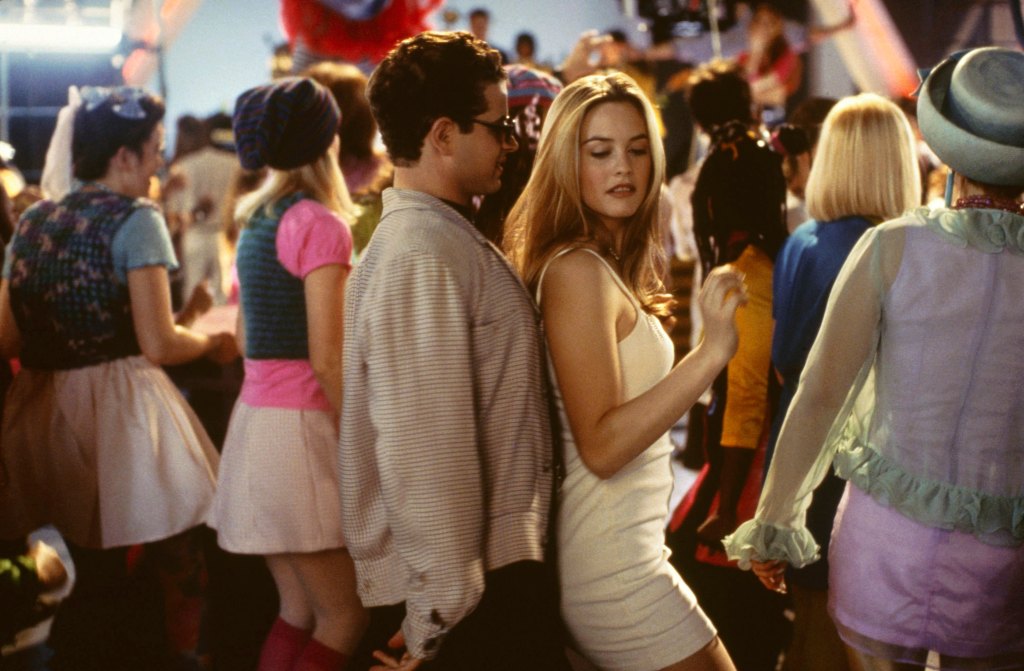
Amy insisted on having the girls wear over-the-knee stockings, and we laughed about that, because it was a look from the ’20s that she always loved. When I came up with some of the designer clothes, like Alaïa and Calvin Klein, she wrote jokes about them and incorporated them into the script after our fittings. It was really cool to work with someone like that, because it was an open road. She gave me carte blanche, and I got to work very closely with the actors.
We have to portray psychology and emotions through clothes and make sure they’re authentic, because when an actor comes onscreen, within 10 seconds, you know who they are, without even saying a line. Costume design is an intense job—I even dressed every extra head to toe!—and when it’s badly done, it takes you out of the story. When it’s right, it’s seamless, and it feels like those are their real clothes. A lot of my work is hyper-real in a way. My costumes have a sense of whimsy, but I have to walk the fine line between the too-much and the real. It’s very interesting to find that balance between ridiculous and cool while never being too ridiculous. I never wanted the costumes to wear my characters.
I’m so thankful to Amy for trusting me with the movie and inspiring me to go further, because after it came out, I truly believed in my talent. She gave me the openness to play. It was my first studio movie, so it was challenging on all levels, but it was great and I got such validation from it.
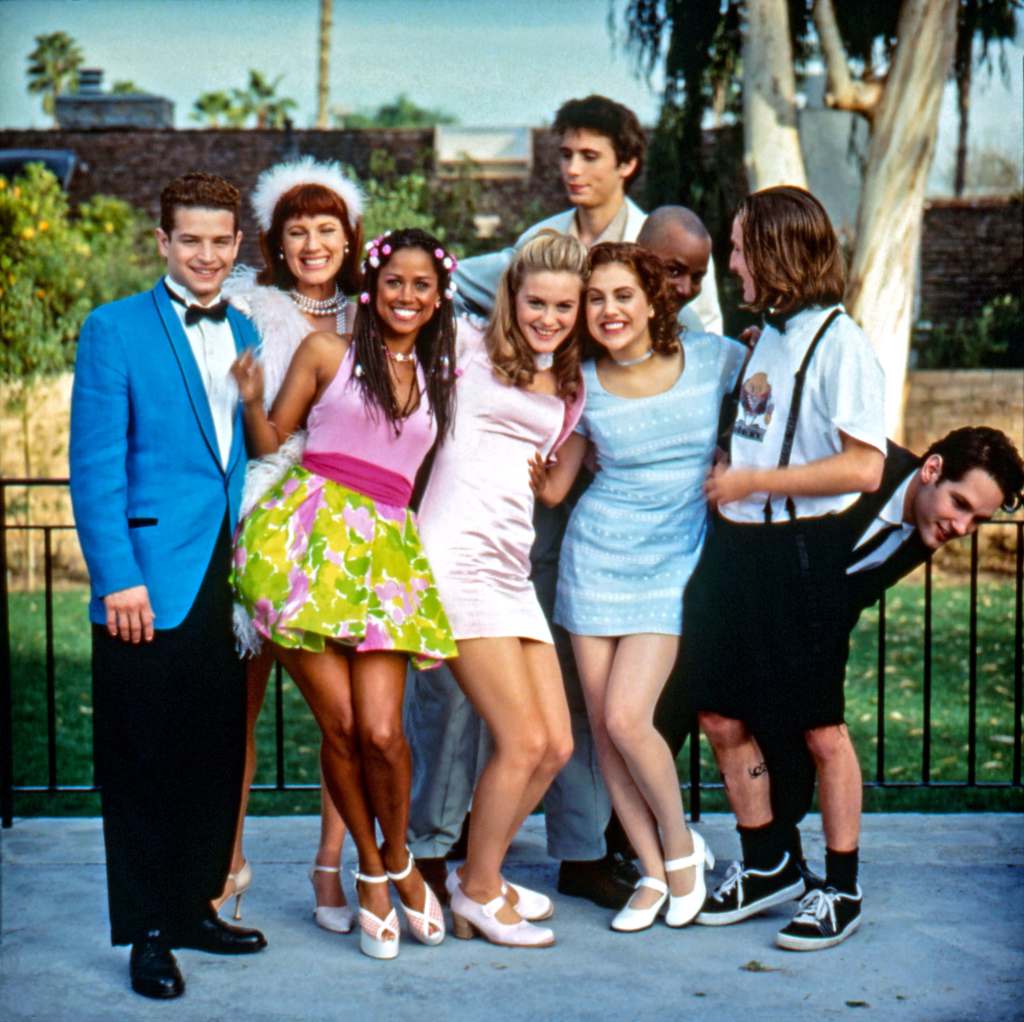
WW: How did you come up with Alicia Silverstone’s iconic yellow plaid suit?
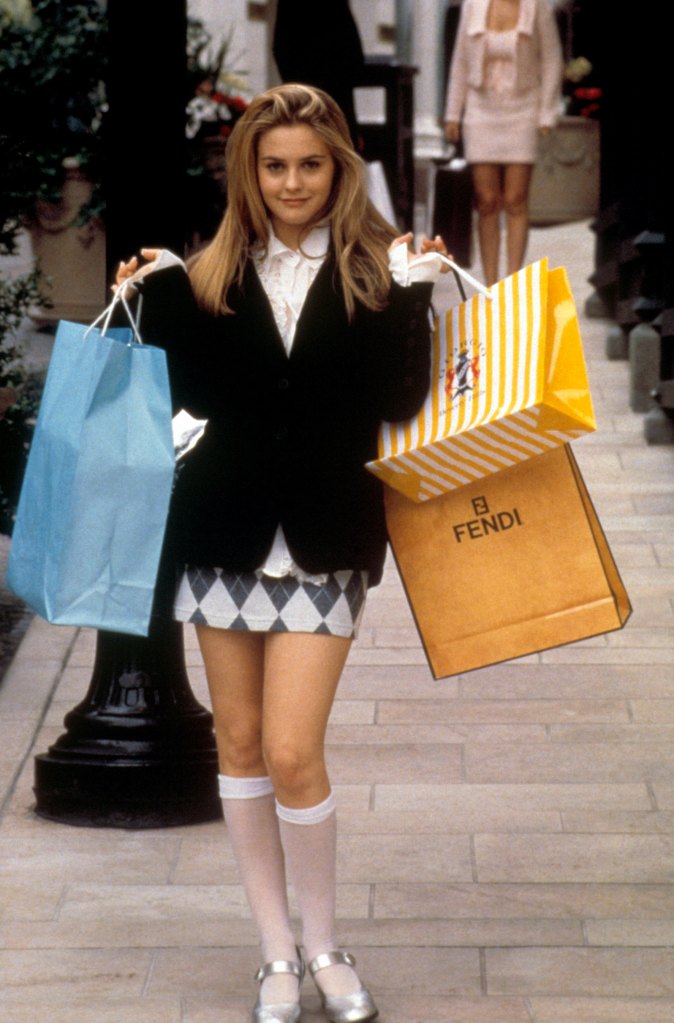
MM: I would love to see more women experiment with color, and I love using color to tell stories and show emotion. The yellow suit was so important. I didn’t arbitrarily choose the color, but we decided that for the first day of school, we wanted something like a Catholic school uniform with the plaid skirt, because we wanted it to be rooted in authenticity, since it’s still high school, even if it’s high fashion. That was the start point.
It was like a ray of sunshine, and she looked like the queen bee
I thought a plaid suit would be great and look chic and timeless. I found a blue one and a red one, but then, somewhere out of the corner of my eye, when I was shopping in Beverly Hills, I saw the yellow suit and thought it was so cool. I jumped at it, but I wasn’t sure if it was going to work, because yellow isn’t always a good color for blondes.
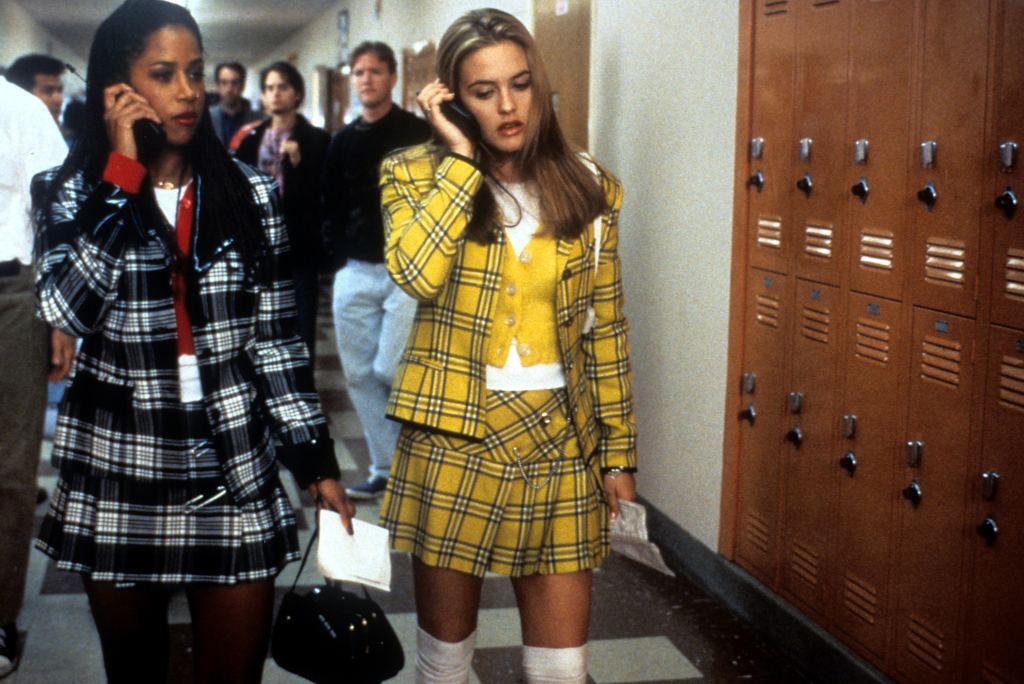
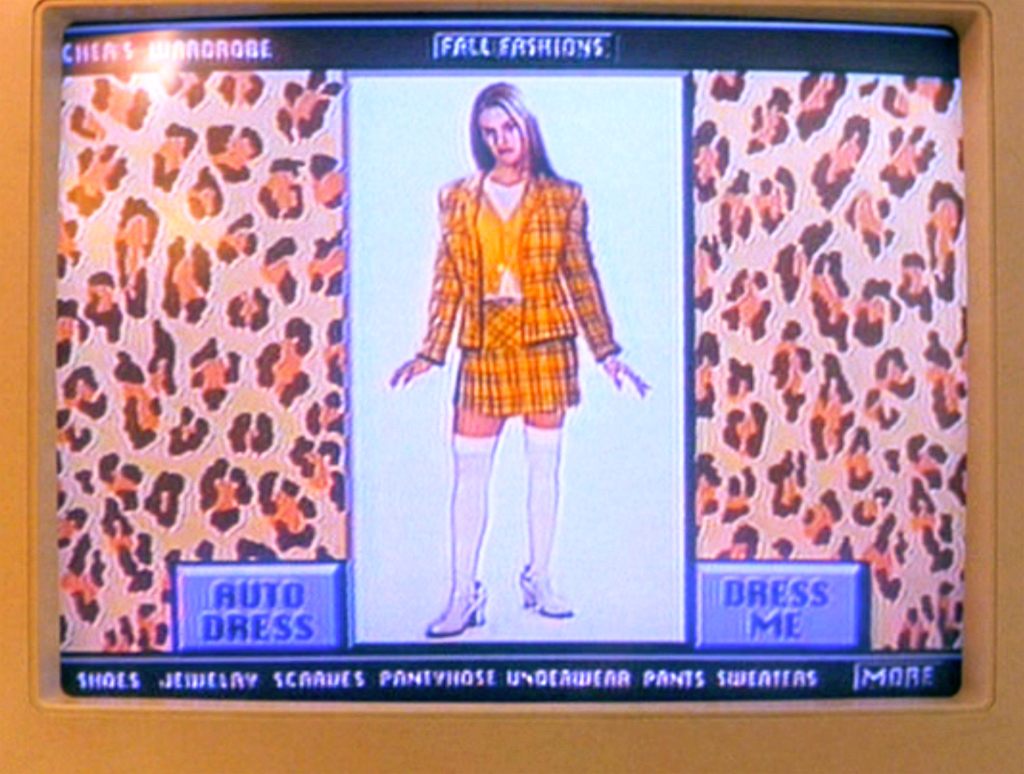
Alicia Silverstone came to the fitting with her dogs in tow and she was wearing sweatpants. She tried on the blue suit and it was beautiful, but it didn’t have a lot of personality. The red one immediately felt too much like it was for Christmas, and we had such a specific color palette for the movie, so it didn’t work. When she put on the yellow suit, it was like, “Okay, here she is!” It was like a ray of sunshine, and she looked like the queen bee.
All the looks had to be real and come from somewhere, and the color made sense with her being outside with a lot of greenery and people passing by. She had to pop, and the energy of yellow makes you happy as soon as you look at it. Alicia didn’t care about designer clothes, but the moment she put that on, she knew, and she became Cher. It gave her confidence.
WW: Everyone knows the yellow suit, but is there a look in the movie that you’d consider the most underrated?

MM: When Cher’s depressed, she has her white chiffon blouse with a sparkly vest and a grayish argyle skirt. It’s another rendition of the school girl meets Beverly Hills, but it’s not as flashy or colorful. It’s layered in a strange way, and the proportions are a bit off, so you can see that she’s not on her game, and it’s a pivotal moment emotionally.
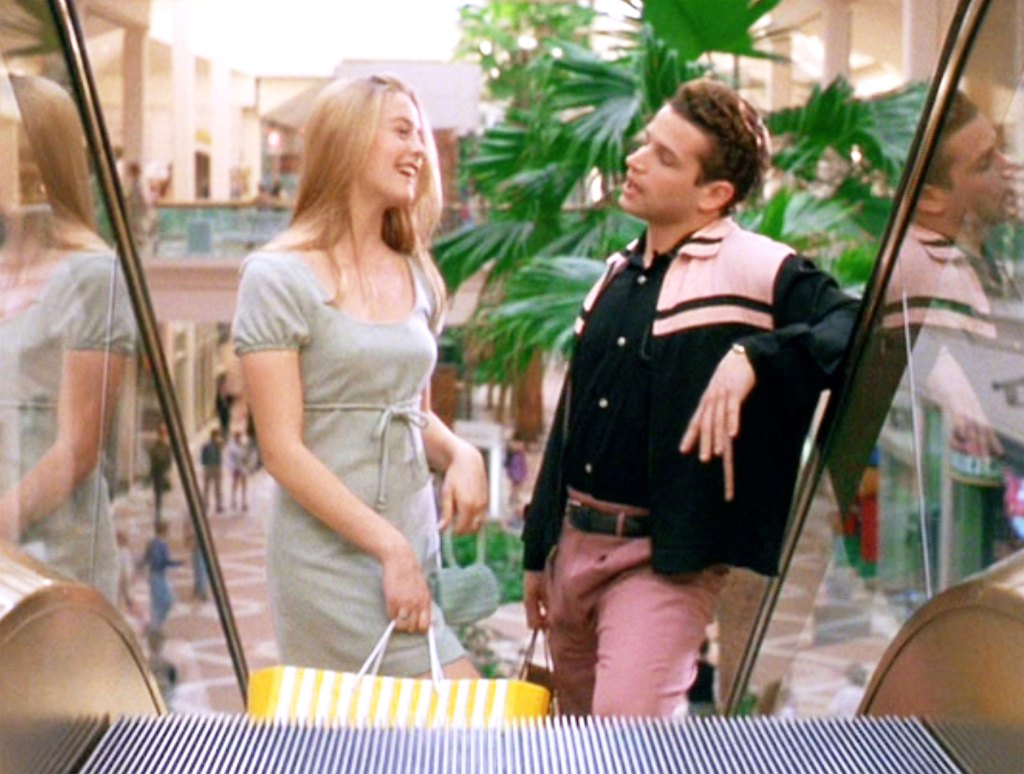
Alicia’s favorite look was actually the green empire-waist dress that she wore at the mall. The silhouette was a bit of a nod to Emma [the Jane Austen novel from which Clueless is loosely adapted]. She loved the simpler costumes.
WW: What is it like revisiting the film 30 years later?
MM: I could see the movie a thousand times. It’s interesting seeing it with different audiences. I recently saw it at the Savannah College of Art and Design, and the kids there had an enthusiasm that was very different from when I had a screening at The Morgan Library & Museum in New York, which had an older crowd. They laughed a lot at certain jokes that might not have been as funny to the younger people, and seeing the different reactions took me by surprise.
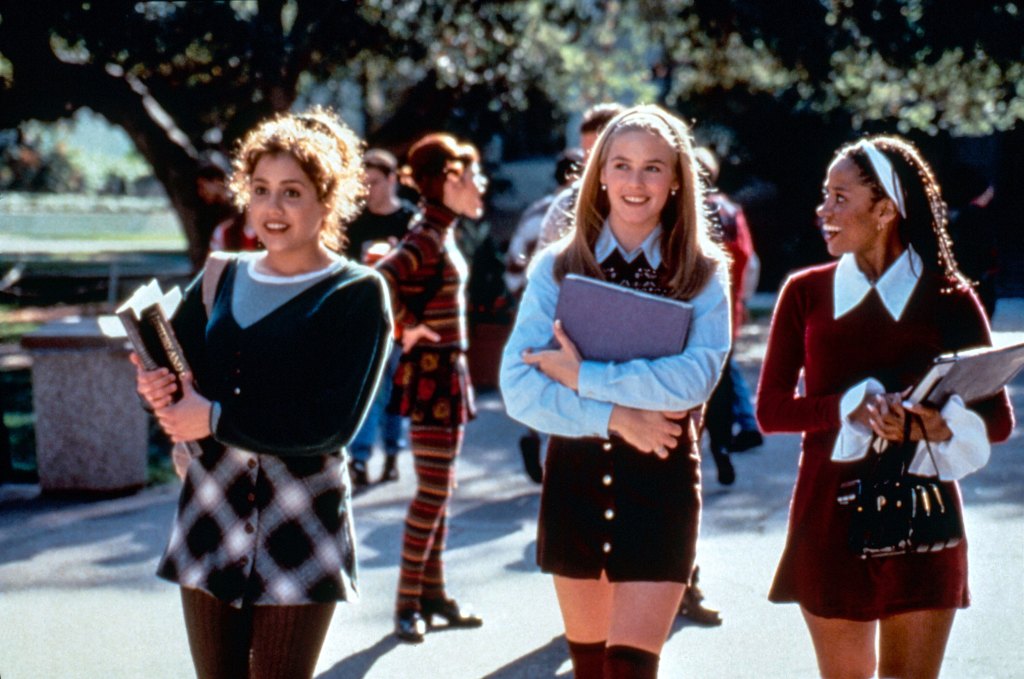
Watching the movie always delights me. I love seeing the clothes and being surprised by how well I did something. I’ve seen the movie a lot this summer. With all the anniversary screenings, we’ve done a lot of costume contests, and that’s really fun, because you see people’s personality coming through and they get creative. I’ve even seen an 8-year-old girl dressed as Cher, and it was adorable.
Conversation
All comments are subject to our Community Guidelines. Woman's World does not endorse the opinions and views shared by our readers in our comment sections. Our comments section is a place where readers can engage in healthy, productive, lively, and respectful discussions. Offensive language, hate speech, personal attacks, and/or defamatory statements are not permitted. Advertising or spam is also prohibited.